Acl surgery Before & After: What Realistic Results Look Like
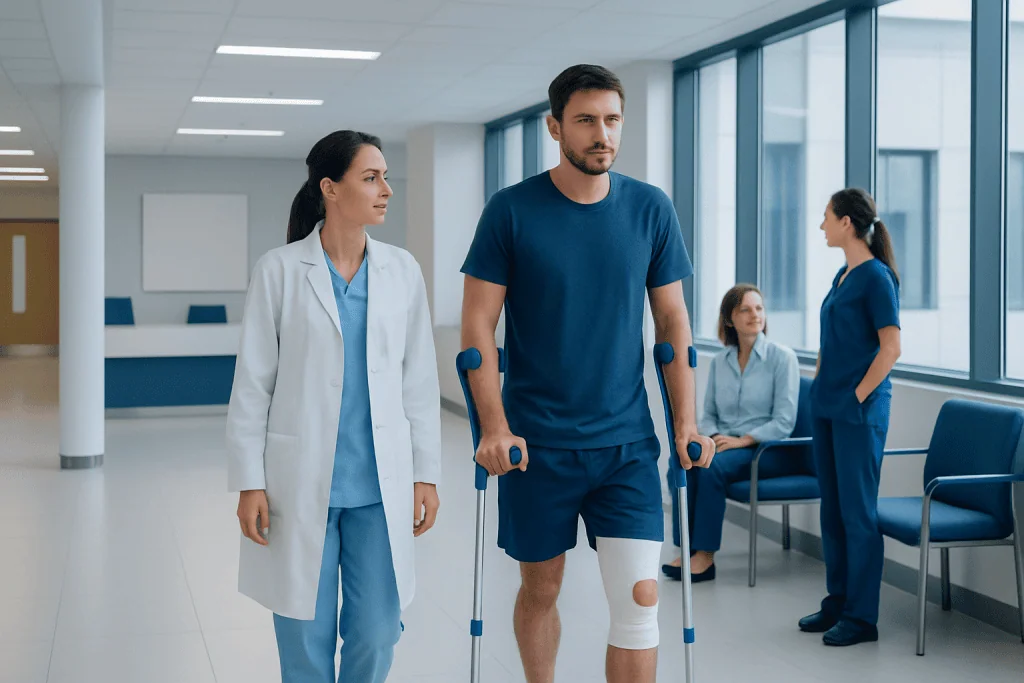
ACL reconstruction is intended to restore stability in a knee with a torn anterior cruciate ligament, not to create an immediately “normal” knee. Rehabilitation is as important as the operation for restoring movement, strength, balance and safe function.
Key Takeaways
- ACL reconstruction is intended to restore stability in a knee with a torn anterior cruciate ligament, not to create an immediately “normal” knee.
- Rehabilitation is as important as the operation for restoring movement, strength, balance and safe function.
- Walking and routine activities often improve in the first weeks, while return to running, cutting and pivoting sports usually takes many months.
- Recovery milestones are individualized; functional testing is more useful than following a calendar date alone.
- Pain, swelling, stiffness, infection, blood clots and a new injury are possible concerns that need appropriate medical review.
ACL surgery before and after results are best understood as a gradual recovery: the reconstructed ligament can improve knee stability, but strength, movement control and confidence take months to rebuild. Most people can return to many daily activities well before they are ready for pivoting sports, and the timeline depends on the injury, procedure and rehabilitation progress.
ACL surgery before and after: what changes realistically
ACL surgery before and after is usually a story of progressive improvement rather than an overnight transformation. An anterior cruciate ligament (ACL) reconstruction may help a knee feel more stable during walking, turning and everyday activities, particularly when the knee was giving way after an ACL tear. However, swelling, reduced muscle strength and changes in movement patterns are common early after surgery.
The goal is not simply to heal the surgical incision. A successful result involves regaining knee motion, rebuilding quadriceps and hamstring strength, restoring balance and learning to move safely again. People often return to ordinary daily tasks before they are ready for activities that involve jumping, sudden stopping, twisting or changing direction.
Results vary. Someone with an isolated ACL tear and consistent rehabilitation may progress differently from someone who also has a meniscus tear, cartilage injury or previous knee problem. Age, general health, activity goals and commitment to physiotherapy all influence the before-and-after experience.
How ACL reconstruction works and who may benefit
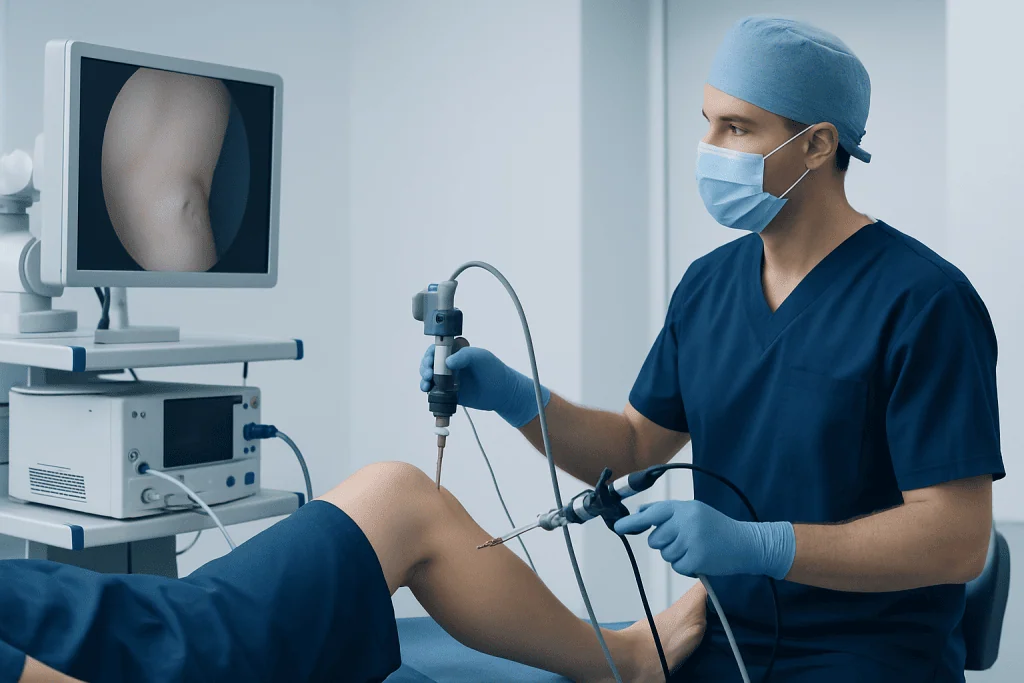
The ACL is a major ligament inside the knee. It helps control forward movement and rotation of the shin bone relative to the thigh bone. It may tear during a twist, awkward landing, sudden change of direction or direct impact. A torn ACL can cause swelling, pain and a sense that the knee is unstable or “gives way.”
ACL reconstruction replaces the torn ligament with a graft, rather than sewing the old ligament back together in most cases. The graft may come from the person’s own tendon, commonly from the hamstring, patellar tendon or quadriceps tendon, or from donor tissue in selected situations. Over time, the graft becomes incorporated into the knee and serves as a new stabilizing ligament.
Surgery is not necessary for every ACL tear. Some people can manage well with rehabilitation, activity modification and appropriate support, especially if they do not have repeated instability and do not plan to return to pivoting sports. Reconstruction may be considered for people with ongoing giving-way episodes, associated injuries that need surgical treatment, physically demanding work or sports goals, or instability despite a structured rehabilitation program. A specialist assessment of an ACL tear helps guide the decision.
For a broader explanation of surgical planning and reconstruction approaches, patients can review ACL surgery. The choice to have surgery should be shared with an orthopedic surgeon after discussing expected benefits, alternatives and personal goals.
What happens during the procedure
Before surgery, the clinical team reviews the injury, medical history, medications and imaging. The knee is assessed for swelling, range of motion and associated damage. In many cases, clinicians aim to reduce significant swelling and restore near-full motion before reconstruction, as this can support postoperative recovery.
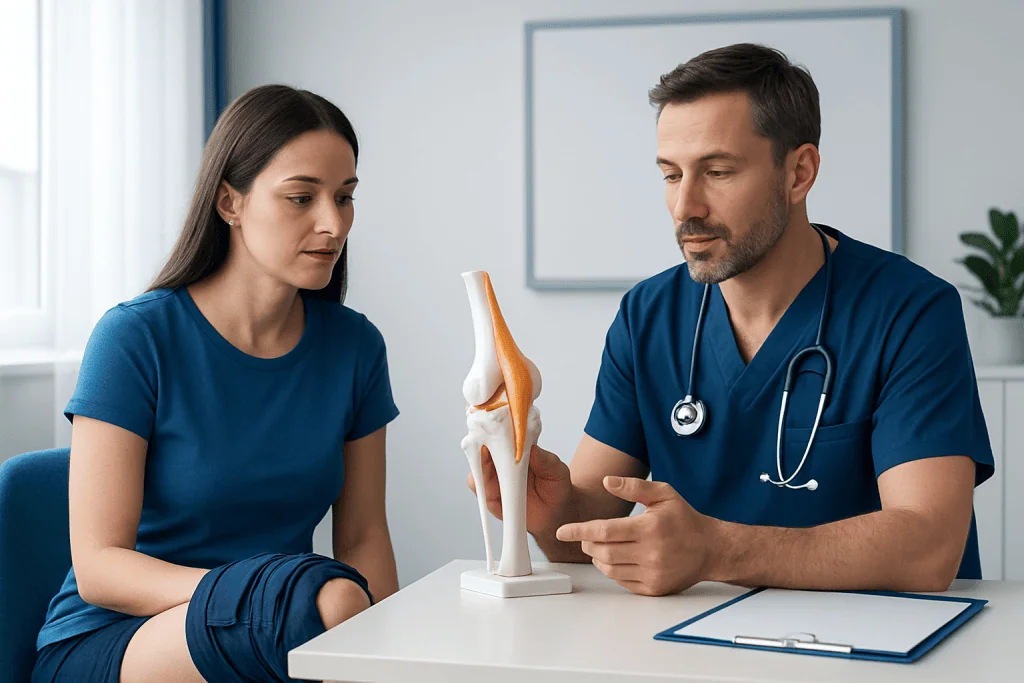
ACL reconstruction is commonly performed using arthroscopy. Through small incisions, a surgeon inserts a camera and specialized instruments into the knee. The surgeon examines the joint, addresses relevant injuries such as certain meniscus tears when appropriate, prepares tunnels in the bone and positions the graft to reproduce the ACL’s stabilizing role. Fixation devices hold the graft while it heals into place.
The procedure is generally done under anesthesia. Many patients go home the same day or after a short stay, depending on the procedure, pain control, mobility and individual health needs. A brace, crutches or both may be recommended for an initial period, particularly when additional procedures have been performed.
Afterward, the care plan includes pain management, swelling control, wound care, early movement exercises and formal physiotherapy. The exact plan differs according to graft type, other knee repairs and the surgeon’s protocol.
A realistic recovery timeline after ACL surgery
In the first days and weeks, the priorities are controlling pain and swelling, protecting the knee, fully straightening it when advised and gradually regaining bending. Crutches are often used initially. It is normal for the thigh muscles to feel weak and for the knee to be stiff or swollen, especially after activity. The care team will explain when weight-bearing and driving may be appropriate.
Over the following weeks to months, rehabilitation typically progresses from basic range-of-motion and muscle-activation exercises to strength training, balance work and more demanding functional movement. A person may feel substantially better during routine activities before the graft, muscles and movement control are ready for high-impact or pivoting demands.
Running may be introduced only when healing, strength, knee control and symptoms support it. Return to cutting, pivoting or contact sports is usually later and should be based on a comprehensive assessment, not on time alone. Surgeons and physiotherapists may use strength measurements, hop tests, movement assessments and confidence measures to judge readiness. For many athletes, the full return-to-sport process takes several months and can extend beyond a year.
A realistic before-and-after example is a recreational football player whose knee previously buckled when turning. In early recovery, they may walk with support and work on motion; later, they may jog and strengthen under supervision; only after meeting functional goals may they begin sport-specific drills. Returning to matches before adequate strength and control are restored can increase the chance of another injury.
Expected benefits, limits and possible risks
The potential benefit of ACL reconstruction is improved mechanical stability of the knee. This may reduce giving-way episodes and help some people return to valued work, exercise or sport. Rehabilitation can also improve leg strength, movement quality and confidence. These gains are meaningful, but they are not guaranteed and are not identical for every patient.
Even with a technically successful reconstruction, some people have ongoing symptoms such as kneeling discomfort, numbness around an incision, stiffness, weakness or apprehension about sport. Previous or accompanying meniscus and cartilage damage may also affect longer-term knee comfort and function. ACL surgery does not eliminate the possibility of future osteoarthritis or a later knee injury.
Possible surgical risks include infection, bleeding, blood clots, anesthesia-related problems, wound concerns, loss of motion, persistent pain, graft failure and injury to nearby structures. A new ACL tear can occur in the reconstructed knee or the other knee, particularly with a return to high-risk sports. The surgeon will discuss individual risk factors and the warning signs that warrant urgent contact.
Patients should follow the rehabilitation plan closely and avoid advancing activity solely because the knee feels better. The absence of pain does not always mean that strength, coordination and graft healing are sufficient for demanding activity.
Supporting recovery and protecting the knee
Consistent rehabilitation is central to ACL surgery before and after outcomes. Exercises should be performed as prescribed, with progression guided by a qualified physiotherapist and surgeon. Recovery is not always linear: a temporary increase in swelling or soreness can occur when activity increases, and the program may need adjustment.
Helpful self-care measures may include using prescribed supports correctly, elevating the leg or applying cold therapy when recommended, keeping surgical wounds clean and dry as instructed, and attending follow-up appointments. Adequate sleep, balanced nutrition and avoiding tobacco products can support general healing. Patients should ask their clinical team before taking new medicines or supplements after surgery.
Returning to sport safely usually includes more than strengthening one leg. Training commonly addresses both legs, core control, landing technique, gradual exposure to sport-specific tasks and confidence with movement. A structured physical therapy and rehabilitation program can help tailor these steps to the person’s goals and clinical progress.
At Acibadem International, multidisciplinary orthopedic and rehabilitation specialists in JCI-accredited hospitals assess and treat ACL injuries for international patients, with care plans adapted to the individual injury and recovery needs.
When to seek medical care
Medical assessment is important after a knee injury that causes a pop, rapid swelling, inability to continue activity, a feeling of instability, restricted motion or difficulty bearing weight. These symptoms do not always mean an ACL tear, but they should be evaluated so that the correct injury is identified and treated appropriately.
After ACL surgery, patients should contact their surgical team promptly if pain or swelling is worsening rather than improving, the wound becomes increasingly red or drains fluid, fever develops, or the knee becomes unusually hot. Urgent medical care is needed for symptoms that may suggest a blood clot or serious complication, including new calf swelling or pain, chest pain, shortness of breath, or sudden severe illness.
Patients should also seek review if the knee repeatedly gives way during recovery, motion stops improving, or they have concerns about rehabilitation progress. Early guidance can help address setbacks safely and may prevent a small problem from becoming more significant.
Frequently asked questions
How long does it take to see results after ACL surgery?
Early improvements in pain control, walking and knee motion can occur over the first weeks, although swelling and weakness are still common. More demanding function takes longer because muscle strength, balance and movement control must be rebuilt. Return to pivoting sports is usually assessed over many months rather than weeks.
Will the knee be the same as before an ACL tear?
Many people regain stable, functional knees and return to activities that matter to them. However, some notice residual stiffness, weakness, numbness, discomfort with kneeling or reduced confidence in certain movements. Associated meniscus or cartilage injuries can also influence the long-term result.
Is rehabilitation necessary after ACL reconstruction?
Yes. Surgery reconstructs the ligament, but rehabilitation helps restore knee motion, strength, coordination and safe movement patterns. Skipping or rushing rehabilitation can limit recovery and may increase the risk of reinjury.
When can a person walk without crutches after ACL surgery?
This varies according to the operation performed, other repairs within the knee and the surgeon’s instructions. Some people progress away from crutches relatively early, while others need them longer for protection and safe walking. The decision should be based on knee control, symptoms and the individual care plan.
When can someone return to sport after ACL surgery?
Return to sport should be individualized and based on recovery milestones, including strength, movement quality, functional testing and readiness for the specific sport. A calendar date alone cannot confirm that the knee is ready. Pivoting and contact sports generally require a longer rehabilitation period than routine daily activity.
What symptoms after ACL surgery need urgent attention?
Urgent assessment is appropriate for chest pain, shortness of breath, or new significant calf pain and swelling, as these may signal a serious complication. Patients should also promptly contact their surgical team for fever, increasing wound redness or drainage, severe worsening pain, or sudden loss of knee function.
References
- American Academy of Orthopaedic Surgeons
- OrthoInfo – American Academy of Orthopaedic Surgeons
- National Institute of Arthritis and Musculoskeletal and Skin Diseases
- American Orthopaedic Society for Sports Medicine
- National Health Service
This article is for general information only and is not a substitute for professional medical advice. Please consult a qualified doctor about your individual situation.
Joint and spine care in Turkey — expert assessment & treatment
JCI-accredited · board-certified surgeons · reply within 24h
Add us as a Preferred Source to see more of our trusted health content across Google Search, AI Overviews and Discover.

More from the Health Library



Related Specialists

Assoc. Prof. Dr. Hasan Üstün
Medical Oncology
Assoc. Prof. Dr. Diğdem Özer Etik
Gastroenterology
Prof. Dr. Atakan Yeşil
Gastroenterology
Assoc. Prof. Dr. Mehmet Sağır
Aesthetic Plastic & Reconstructive Surgery