

Am I a Candidate for Arm lift? Eligibility Criteria

An arm lift, or brachioplasty, removes excess skin and may remove localized fat from the upper arms. The best candidates have stable weight, realistic expectations, and loose skin that is unlikely to improve with exercise alone.
Key Takeaways
- An arm lift, or brachioplasty, removes excess skin and may remove localized fat from the upper arms.
- The best candidates have stable weight, realistic expectations, and loose skin that is unlikely to improve with exercise alone.
- Smoking, uncontrolled medical conditions, active infection, and plans for substantial future weight loss can affect timing or suitability.
- The procedure leaves a scar, usually along the inner or back portion of the upper arm, and scar care is part of recovery.
- A personal surgical assessment is essential because eligibility depends on individual anatomy, health, and goals.
People asking, “Am I a candidate for arm lift?” may be suitable when they have persistent loose upper-arm skin, are near a stable weight, do not smoke or can stop, and are medically fit for surgery. A consultation with a qualified plastic surgeon is needed to assess skin quality, overall health, goals, and whether an arm lift is the right option.
Am I a Candidate for an Arm Lift?
People may be candidates for an arm lift if they have loose, hanging, or crepey skin on the upper arms that remains despite weight stability, exercise, and general skin care. The procedure is designed to improve the contour of the upper arm by removing excess skin and, when appropriate, a limited amount of fat.
Suitability is not based on appearance alone. A plastic surgeon considers overall health, medications, smoking or nicotine use, skin elasticity, weight history, and personal expectations. An arm lift is elective surgery, so the decision should be made after an informed discussion of the likely benefits, recovery needs, scars, and potential risks.
For a detailed overview of the operation itself, readers can explore arm lift surgery. A pre-assessment form or consultation can help the surgical team review health information and determine whether further evaluation is needed before planning treatment.
What an Arm Lift Can and Cannot Address
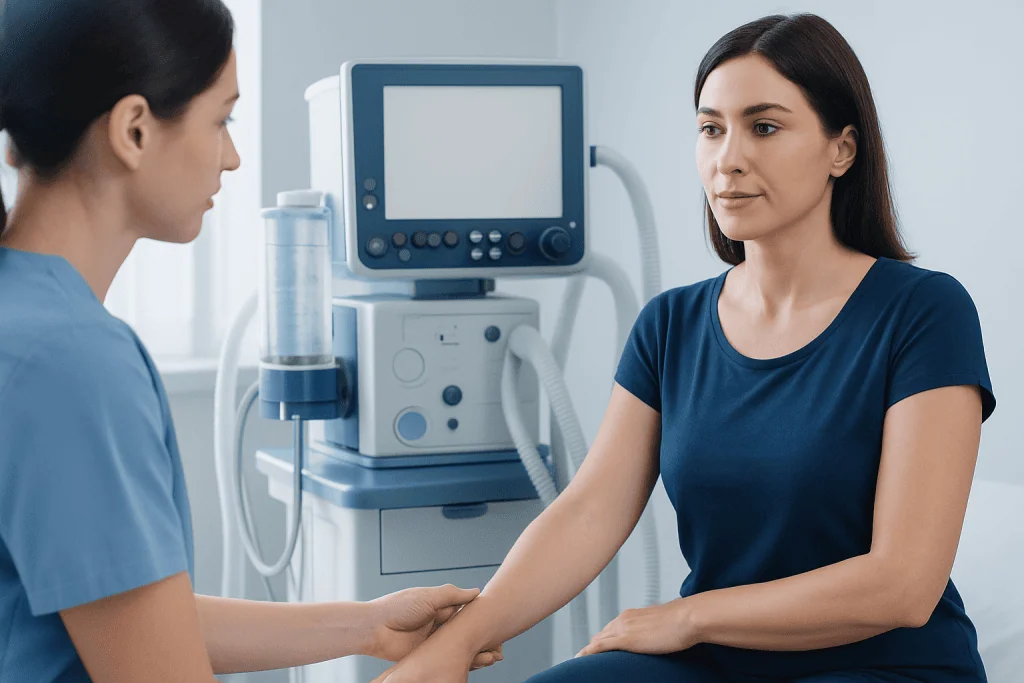
An arm lift is also called brachioplasty. It is most commonly considered when excess upper-arm skin creates a drooping contour, sometimes described as “bat wings.” This can occur with aging, inherited skin characteristics, or after significant weight loss. In some people, excess fat is also present and may be addressed alongside skin removal when clinically appropriate.
The operation can make the upper arm appear firmer and more proportionate. It may also reduce skin rubbing or discomfort caused by folds of excess tissue. However, it is not a weight-loss procedure and cannot replace a healthy lifestyle. It does not stop normal age-related changes in skin or prevent future changes after major weight fluctuations.
When the concern is mainly localized fat and the skin has good elasticity, a surgeon may discuss alternatives such as liposuction. Liposuction alone may not be suitable for substantial skin laxity, because removing fat without removing loose skin can leave the skin unchanged or make laxity more noticeable.
Key Arm Lift Eligibility Criteria

Many suitable candidates are adults whose weight has been stable for a period of time and who are close to a weight they can realistically maintain. This is especially important after major weight loss. Further significant weight loss after surgery may create new loose skin and change the surgical result.
A person should be in sufficiently good overall health to undergo anesthesia and healing. During the consultation, the surgeon may ask about heart or lung conditions, diabetes, bleeding disorders, previous blood clots, immune conditions, allergies, previous operations, and current medicines or supplements. Conditions that are not well controlled may require treatment or medical clearance before elective surgery can be considered.
Non-smoking status is important. Smoking, vaping, and nicotine-containing products can reduce blood flow to healing tissue and increase the risk of wound healing problems and unfavorable scars. A surgical team will provide individualized instructions about stopping nicotine products before and after surgery.
- Noticeable excess upper-arm skin that does not respond to non-surgical measures
- Stable body weight and no immediate plans for major weight change
- Realistic expectations about contour improvement and permanent scars
- Ability to follow recovery instructions and arrange support at home if needed
- Good general health or appropriately managed medical conditions
Who May Need to Delay or Reconsider Surgery?
Some circumstances do not automatically rule out arm lift surgery, but they may mean that it is safer to postpone it or consider another approach. Examples include pregnancy or plans for pregnancy with expected significant weight changes, an active skin infection or other infection, poorly controlled chronic disease, and ongoing nicotine use.
People who have recently undergone bariatric surgery or experienced substantial weight loss are often advised to wait until their weight has stabilized. Nutritional status also matters after weight loss. Adequate protein, vitamins, and minerals support normal wound healing, and the surgeon may recommend nutritional assessment or coordination with another clinician when needed.
Body image concerns should be discussed openly. An arm lift can improve a specific physical concern, but it cannot create perfection or resolve distress that is unrelated to the upper-arm contour. A thoughtful consultation gives the person time to consider the trade-off between improved shape and a visible, long-term scar.
How the Procedure Is Planned and Performed
Planning begins with a medical history, examination of the arms, and discussion of the person’s priorities. The surgeon evaluates the location and amount of loose skin, fat distribution, arm shape, and skin quality. Photographs may be taken for clinical planning and comparison, with consent. The surgeon also explains the likely scar position and whether the incision may extend toward the chest in cases of more extensive skin excess.
Arm lift surgery is usually performed under general anesthesia. After anesthesia is administered, the surgeon makes carefully planned incisions, removes excess skin, and reshapes underlying tissue as needed. Liposuction may be added for selected patients. The remaining skin is redraped and closed with sutures, and dressings or compression garments may be applied.
The procedure varies from person to person. A limited incision may be possible when laxity is mild and concentrated near the armpit, while more extensive laxity may require a longer incision along the inner or back aspect of the arm. The surgeon will recommend the approach that balances contour improvement with scar placement and safety.
Benefits, Risks, and Recovery Timeline
The potential benefits of an arm lift include a smoother upper-arm contour, less loose skin, improved comfort in some clothing, and reduced skin-on-skin rubbing. Results become easier to assess as swelling settles. Although removed skin does not return, natural aging, changes in weight, and skin quality can continue to affect the arms over time.
All surgery has risks. Possible arm lift complications include bleeding, fluid collection, infection, delayed wound healing, changes in skin sensation, asymmetry, contour irregularities, unfavorable scarring, reactions to anesthesia, and blood clots. Risk varies according to the person’s health and the extent of surgery. Following preoperative and postoperative instructions helps reduce avoidable risks but cannot eliminate them completely.
In the first days after surgery, swelling, bruising, tightness, and discomfort are expected and are managed according to the surgeon’s plan. Light walking is generally encouraged as advised, while lifting, strenuous exercise, and arm-intensive activity are restricted initially. Many people need time away from work depending on the nature of their job; the care team provides individualized guidance on returning to driving, work, exercise, and other routines.
Incisions usually need ongoing care, and scars often appear red or firm at first before gradually maturing over many months. Protecting scars from sun exposure and attending follow-up appointments are important parts of recovery. The surgical team should be contacted promptly if recovery symptoms seem unusual or worsen.
Preparing for an Informed Consultation
Before an arm lift consultation, it can be helpful to write down the changes the person hopes to achieve and any concerns about scars, anesthesia, downtime, or activity restrictions. Bringing a complete list of medications, supplements, allergies, previous surgeries, and medical conditions supports safe planning. It is also useful to mention prior weight changes and any future weight-loss goals.
Questions may include whether an arm lift alone is appropriate, whether liposuction is needed, where scars are likely to be located, what help will be needed at home, and how follow-up care will be arranged. A good consultation should explain alternatives as well as surgery, allowing time for a considered decision without pressure.
Acibadem International’s multidisciplinary specialists and JCI-accredited hospitals support international patients who are being assessed for and treated with arm lift surgery. Completing a pre-assessment form can provide the clinical team with key health details before a consultation is arranged.
When to Seek Medical Care
Anyone considering arm lift surgery should seek a consultation with a qualified plastic surgeon rather than relying on online images or general eligibility lists. A clinician can assess whether loose skin, fat distribution, medical history, and personal goals make surgery appropriate, or whether a non-surgical option or a delay would be safer.
After surgery, urgent medical advice is needed for symptoms such as rapidly increasing swelling, severe or worsening pain not controlled by the prescribed plan, heavy bleeding, fever, spreading redness, wound drainage with an unpleasant odor, shortness of breath, chest pain, or one-sided leg swelling. These symptoms may have different causes, but they should be assessed without delay.
For non-urgent concerns, patients should contact their surgical team if they notice persistent changes in sensation, concerns about healing, increasing asymmetry, or uncertainty about activity restrictions. Early communication helps the team provide appropriate reassurance or care.
Frequently asked questions
What is the best age for an arm lift?
There is no single best age for an arm lift. More important factors include stable weight, skin laxity, general health, and the ability to heal well after surgery. A plastic surgeon can assess individual suitability regardless of age.
Can exercise remove loose upper-arm skin?
Exercise can strengthen arm muscles and support overall health, but it cannot reliably remove significant excess skin. When skin has lost elasticity after aging or major weight loss, surgery may be the only option that removes the extra skin. A clinician can help distinguish loose skin from localized fat.
Do I need to be at my ideal weight before an arm lift?
A person does not necessarily need to meet a specific number on a scale. However, weight should usually be stable and close to a sustainable long-term level before surgery. Large future weight changes can affect the contour and may create more loose skin.
Will an arm lift leave scars?
Yes. An arm lift requires incisions, so permanent scars are expected. Their length and location depend on the amount and pattern of excess skin, and scars usually fade and soften gradually over time but do not disappear completely.
How long does recovery from an arm lift take?
Recovery varies with the extent of surgery, healing response, and work demands. Swelling and bruising are common in the early period, while strenuous activity and heavy lifting are usually limited for several weeks. The surgeon provides a personalized recovery plan and follow-up schedule.
Can an arm lift be combined with other procedures?
In selected patients, an arm lift may be combined with another procedure, such as liposuction or body contouring after weight loss. Combining procedures can affect operative time, recovery, and risk. The decision should be based on a full medical assessment and safety considerations.
References
- American Society of Plastic Surgeons
- American Society for Aesthetic Plastic Surgery
- National Health Service
- Mayo Clinic
- U.S. Food and Drug Administration
This article is for general information only and is not a substitute for professional medical advice. Please consult a qualified doctor about your individual situation.
Arm Lift in Turkey — costs, top hospitals & a free quote
JCI-accredited · board-certified surgeons · reply within 24h
Add us as a Preferred Source to see more of our trusted health content across Google Search, AI Overviews and Discover.

Plastic, Reconstructive & Aesthetic Surgery
Reconstructive and aesthetic procedures for the face and body, performed by experienced surgeons.
35 specialists in this unitMore from the Health Library



Related Specialists

Prof. Dr. Emel Güngör
Dermatology
Assoc. Prof. Dr. Bahar Temur
Cardiovascular Surgery
Assoc. Prof. Dr. Murat Yassa
Gynecology & Obstetrics
Dr. Mesut Fatih
Orthopedic Surgery & Traumatology