Am I a Candidate for Rhinoplasty? Eligibility Criteria

Rhinoplasty can reshape the nose, improve airflow, or address both cosmetic and functional concerns. The nose should generally be fully developed before elective rhinoplasty is considered.
Key Takeaways
- Rhinoplasty can reshape the nose, improve airflow, or address both cosmetic and functional concerns.
- The nose should generally be fully developed before elective rhinoplasty is considered.
- Good candidates understand that surgery can improve balance and breathing but cannot create a perfectly symmetrical nose.
- A consultation includes discussion of medical history, nasal examination, photographs, and a tailored surgical plan.
- Recovery is gradual, and final nasal definition may continue to develop for up to one year or longer.
People may be candidates for rhinoplasty if they are in good general health, have realistic expectations, and want to improve nasal appearance, breathing, or both. A plastic surgeon or ENT specialist determines suitability through an individual assessment of nasal structure, health history, goals, and airway function.
Am I a Candidate for Rhinoplasty?
Most people asking, “am I a candidate for rhinoplasty?” may be suitable when they are in good overall health, have realistic goals, and have concerns about the shape, size, proportion, injury-related changes, or breathing function of the nose. Eligibility is not based on one feature alone: a qualified surgeon considers the person’s nasal anatomy, skin quality, facial proportions, emotional readiness, and general medical health.
Rhinoplasty is an operation that reshapes the outer nose and, when needed, can improve internal nasal structures affecting airflow. It may be performed for cosmetic reasons, following trauma, to correct congenital differences, or alongside functional nasal surgery. The most reliable way to determine candidacy is a personalized consultation and, where appropriate, a pre-assessment form that allows the clinical team to review the person’s goals and health information.
For a broad introduction to the procedure, planning, and surgical approaches, patients can review rhinoplasty treatment information. An in-person or virtual consultation remains essential because photographs and online information cannot fully assess nasal airflow, cartilage strength, or healing factors.
What Rhinoplasty Can and Cannot Do
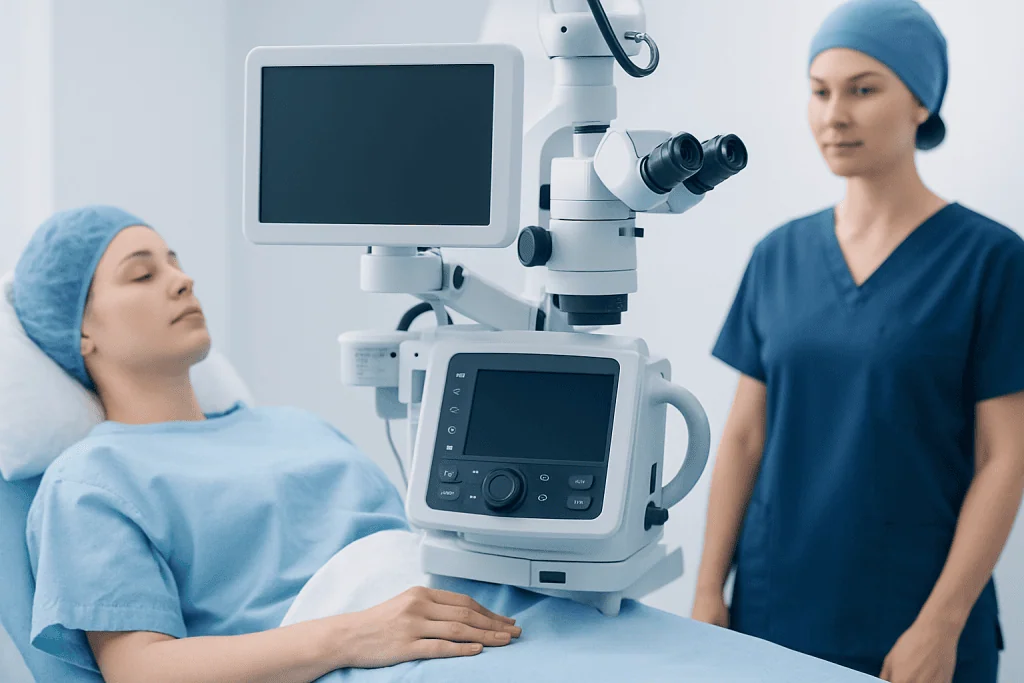
Rhinoplasty can change features such as a dorsal hump, a wide bridge, a drooping or prominent tip, nostril shape, nasal asymmetry, or changes caused by injury. Functional techniques may also address a deviated septum, narrowed nasal valves, or other structural issues that contribute to obstruction. When breathing symptoms are present, the surgeon should evaluate the internal nose as well as the external appearance.
The goal is usually a nose that is better balanced with the rest of the face while preserving or improving natural function. A surgeon may use the person’s facial proportions, skin thickness, cartilage support, ethnicity, and preferences to create an individualized plan rather than applying a single ideal nose shape.
Rhinoplasty cannot guarantee exact symmetry, duplicate another person’s nose, or resolve body-image distress on its own. Small natural differences between the two sides of the face and nose are common. A thoughtful consultation helps establish goals that are achievable and appropriate for the individual.
Eligibility Criteria and Factors Considered

Suitable candidates are usually physically healthy, do not have uncontrolled medical conditions, and can safely undergo anesthesia and surgery. People should share their complete medical history, including previous nasal surgery or injury, allergies, breathing problems, medications, supplements, smoking or nicotine use, and any history of excessive bleeding or poor wound healing.
For elective cosmetic rhinoplasty, surgeons generally wait until nasal growth is complete. This is often in the mid-to-late teenage years, although the appropriate timing varies with physical development and the reason for surgery. Functional surgery after trauma or for significant obstruction may sometimes be considered earlier when medically appropriate, with careful involvement of parents or guardians for younger patients.
Emotional readiness is also important. Good candidates seek surgery for their own reasons, have had enough time to consider the decision, and understand the recovery process. It may be appropriate to delay surgery for people experiencing major life stress, pressure from others, unrealistic expectations, or untreated concerns about body image.
- Concern about nasal shape, proportion, or injury-related changes
- Persistent breathing difficulty linked to nasal structure
- Completed or near-completed nasal growth
- Stable physical health and willingness to follow recovery advice
- Realistic expectations about improvement, scars, swelling, and healing time
Preoperative Assessment and Surgical Planning
During the initial assessment, the specialist listens to the person’s concerns and asks what they would like to change or improve. The examination usually includes the skin, bones, cartilage, septum, nostrils, and nasal airway. Standardized photographs may be taken for planning and for comparison during follow-up. Some practices use digital image simulation as a communication tool, but it is not a promise of the final result.
For patients with congestion, mouth breathing, snoring, recurrent sinus symptoms, or a history of trauma, an ENT evaluation may be useful. A septal deviation is a common structural finding that can contribute to nasal obstruction; further information is available about a deviated septum. Not every breathing complaint is caused by the septum, so allergies, turbinate enlargement, and other conditions may also need consideration.
The surgeon explains whether an open or closed approach may be suitable, whether cartilage grafting is likely to be needed, and whether cosmetic and functional work can be combined. Before surgery, patients may need blood tests or other checks based on their age, health conditions, and anesthesia assessment. They should follow instructions about medicines, smoking cessation, fasting, and arranging support at home.
How Rhinoplasty Is Performed
Rhinoplasty is commonly performed under general anesthesia, although the anesthesia plan depends on the scope of surgery and the patient’s circumstances. The operation may be open, using a small incision across the tissue between the nostrils, or closed, using incisions inside the nostrils. The best approach depends on the anatomy and the changes being planned.
After making the incisions, the surgeon carefully adjusts bone, cartilage, and soft tissue to create the planned shape and support. This may involve smoothing a hump, narrowing or repositioning nasal bones, refining the tip, correcting asymmetry, or using cartilage grafts to strengthen areas of the nose. If airflow is affected, the surgeon may straighten the septum or support narrow parts of the airway during the same operation.
At the end of surgery, the skin is repositioned and the incisions are closed. A splint is commonly placed on the outside of the nose to protect it during early healing. Internal supports or soft splints may sometimes be used, particularly when septal work has been performed. The procedure is typically done as day surgery, although individual arrangements vary.
Recovery Timeline, Benefits, and Possible Risks
Early recovery involves swelling, nasal stuffiness, and mild bruising around the eyes for some patients. These effects are expected after surgery and usually improve over the first one to two weeks. The external splint is often removed after about a week, but the exact schedule depends on the procedure and the surgeon’s protocol.
Many people return to desk-based activities after one to two weeks, while strenuous exercise, contact sports, and activities that could injure the nose should be avoided for longer. The surgeon provides individualized advice on washing, sleeping position, glasses, sun exposure, and returning to exercise. Swelling reduces progressively, but subtle definition—especially at the nasal tip—may continue to settle for many months.
Potential benefits include improved nasal balance, greater confidence for some people, and better breathing where structural obstruction has been addressed. As with all surgery, risks can include bleeding, infection, anesthesia-related complications, noticeable scarring, numbness, persistent obstruction, unevenness, or dissatisfaction with the result. Revision surgery is sometimes considered after healing is complete, but it is not always needed or appropriate.
Following aftercare instructions, avoiding nicotine, attending follow-up appointments, and allowing adequate time for healing can support recovery. Patients should contact their surgical team promptly if they have heavy bleeding, worsening pain, fever, increasing redness, breathing difficulty, or another unexpected concern.
When to Seek Medical Care
People should arrange a medical assessment if nasal obstruction is persistent, affects sleep or exercise, occurs after an injury, or is accompanied by repeated nosebleeds, frequent sinus symptoms, or a noticeable change in nasal shape. A doctor can help identify whether symptoms relate to the septum, allergies, inflammation, prior trauma, or another cause.
Urgent medical care is appropriate after a facial injury with uncontrolled bleeding, severe swelling, clear fluid leaking from the nose, vision changes, loss of consciousness, or difficulty breathing. These symptoms may require prompt evaluation and should not be managed through cosmetic consultation alone.
Anyone considering rhinoplasty should seek care from an appropriately qualified plastic surgeon or ENT specialist with experience in nasal surgery. Acibadem International’s multidisciplinary specialists and JCI-accredited hospitals assess and treat nasal aesthetic and functional concerns for international patients, with treatment planning based on individual needs.
Frequently asked questions
What age is appropriate for rhinoplasty?
Elective rhinoplasty is usually considered after the nose has finished most of its growth, often during the mid-to-late teenage years. The appropriate age differs between individuals and depends on physical development, emotional maturity, and whether there is a functional medical reason for surgery.
Can rhinoplasty improve breathing as well as appearance?
Yes. Rhinoplasty can sometimes be combined with functional procedures that address a deviated septum, weak nasal valves, or other structural causes of obstruction. A nasal examination is needed to determine whether surgery is likely to help a person’s breathing symptoms.
Who may need to postpone rhinoplasty?
Surgery may be postponed when a person has an uncontrolled health condition, active infection, ongoing nicotine use, or cannot safely undergo anesthesia. It may also be delayed if expectations are unrealistic or if the person is under significant external pressure to have surgery.
How long does it take to see the final rhinoplasty result?
The nose looks different after the initial swelling begins to settle, often within the first few weeks. However, refinement continues gradually, and the final result may take up to a year or longer, particularly after tip surgery or revision rhinoplasty.
Is rhinoplasty painful?
Most patients describe pressure, congestion, and discomfort rather than severe pain in the first days after surgery. The surgical team provides an individualized pain-management plan and instructions for safe recovery.
Will rhinoplasty leave a visible scar?
Closed rhinoplasty uses incisions inside the nostrils, so there is no external incision. Open rhinoplasty involves a small incision on the columella, the skin between the nostrils, which typically heals into a subtle scar but may remain more noticeable in some individuals.
References
- American Society of Plastic Surgeons
- American Academy of Otolaryngology–Head and Neck Surgery
- NHS
- Mayo Clinic
This article is for general information only and is not a substitute for professional medical advice. Please consult a qualified doctor about your individual situation.
Rhinoplasty in Turkey — costs, top hospitals & a free quote
JCI-accredited · board-certified surgeons · reply within 24h
Add us as a Preferred Source to see more of our trusted health content across Google Search, AI Overviews and Discover.