Common Nicknames for Teeth and Tooth Types

“Pearly whites,” “chompers,” and “gnashers” are common informal nicknames for teeth. The main permanent tooth types are incisors, canines, premolars, and molars.
Key Takeaways
- “Pearly whites,” “chompers,” and “gnashers” are common informal nicknames for teeth.
- The main permanent tooth types are incisors, canines, premolars, and molars.
- Each tooth type has a particular shape and role in biting, tearing, and grinding food.
- Baby teeth are also called primary, deciduous, or milk teeth.
- Regular dental check-ups can help identify tooth and gum concerns before they become more complex.
Teeth are often given informal nicknames based on how they look or what they do. Knowing the proper names for different teeth can also make dental conversations and oral-health information easier to understand.
Overview: What Is a Nickname for Teeth?
A nickname for teeth is an informal, everyday term used instead of a dental or anatomical name. People may call teeth “pearly whites,” “chompers,” “gnashers,” or “ivories.” These expressions can be friendly and familiar, but they do not describe the specific type, location, or health of a tooth.
In dentistry, each tooth has a formal name based on its shape and function. The main groups are incisors, canines, premolars, and molars. Dentists may also identify a tooth by its position in the mouth using a numbering or lettering system.
Understanding both everyday and clinical terms can be useful. For example, a person may say they have pain in a “back tooth,” while a dentist may determine whether the issue affects a premolar, molar, or wisdom tooth.
Common Informal Names for Teeth

“Pearly whites” is one of the best-known nicknames for teeth. It reflects the traditional association between healthy teeth and a light, clean appearance. However, naturally healthy teeth are not always bright white; their color can vary from person to person, and dentin beneath the enamel has a naturally yellowish tone.
“Chompers” and “gnashers” are playful terms that refer to teeth as a whole, especially because teeth help with chewing. “Ivories” is an older expression connected with the pale color of teeth. These names are cultural expressions rather than medical terms.
Some informal names refer to a tooth’s position or appearance. “Front teeth” usually means the incisors and may sometimes include the canines. “Back teeth” commonly refers to premolars and molars. A “wisdom tooth” is a standard everyday and dental term for the third molar, which is the last molar to develop.
- Pearly whites: teeth in general, often emphasizing appearance
- Chompers or gnashers: teeth used for chewing
- Front teeth: usually incisors, sometimes including canines
- Back teeth: premolars and molars
- Wisdom teeth: third molars
The Proper Names for Different Types of Teeth
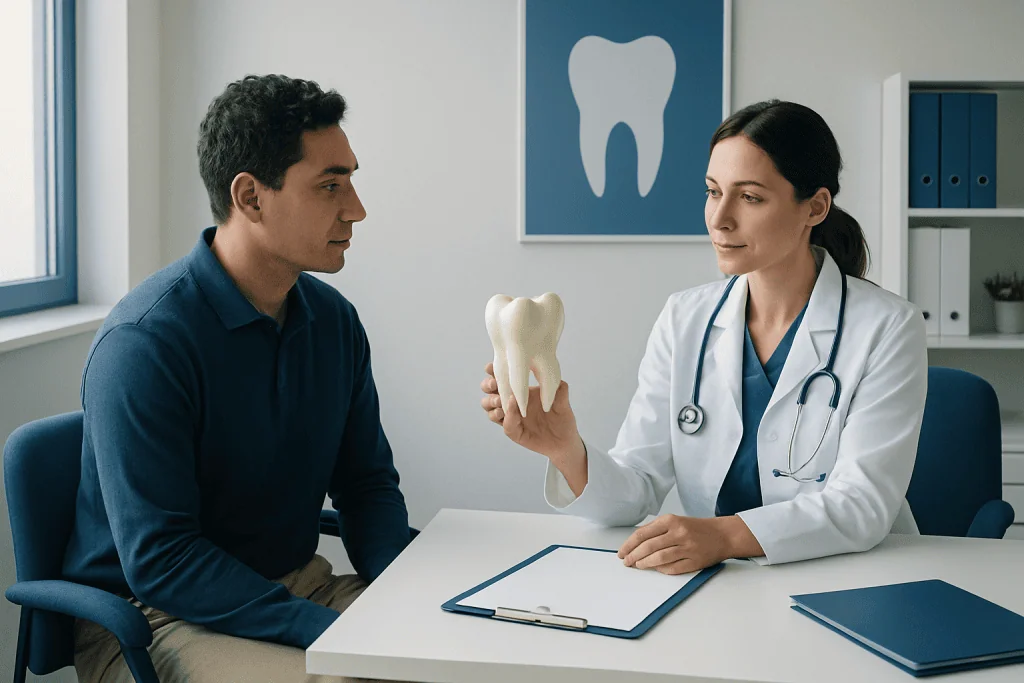
Adults usually have up to 32 permanent teeth, including wisdom teeth. Children typically have 20 primary teeth, also called baby teeth, milk teeth, or deciduous teeth. Primary teeth are important for eating, speech development, jaw growth, and holding space for adult teeth.
Incisors are the flat, sharp-edged teeth at the front of the mouth. They are designed to bite into and cut food. Most people have eight incisors in the permanent dentition: four on the upper jaw and four on the lower jaw.
Canines, sometimes informally called “eye teeth” in the upper jaw, are pointed teeth beside the incisors. They help tear food. Premolars sit behind the canines and have surfaces suited to crushing and chewing. Molars are the broadest back teeth, with multiple cusps that grind food into smaller pieces for swallowing.
Third molars are commonly known as wisdom teeth. They may emerge in the late teenage years or adulthood, but not everyone develops all four. If there is insufficient space, a wisdom tooth may remain partly or fully trapped in the jaw, which is known as impaction.
Why Tooth Names and Locations Matter
Knowing where a tooth is located can help a person describe symptoms clearly. Pain near the front of the mouth may involve an incisor or canine, while sensitivity during chewing may arise from a premolar or molar. However, tooth pain can sometimes be felt in a nearby area, so an examination is needed to identify its source.
Dentists use standardized tooth-identification systems to record findings accurately. These systems help dental teams communicate about fillings, crowns, gum conditions, root canal treatment, extractions, and other care. A patient does not need to memorize tooth numbers, but recognizing the broad tooth types can make appointments easier to follow.
Tooth position also affects the likelihood of certain concerns. Deep grooves on molars can retain food and plaque, increasing the chance of decay if cleaning is difficult. Crowded, rotated, or partly erupted teeth may also be harder to brush and floss effectively.
Healthy Teeth Are Not Defined by Color Alone
The nickname “pearly whites” can create the impression that all healthy teeth should look very white. In reality, tooth shade differs naturally due to enamel thickness, dentin color, age, diet, medications, smoking, trauma, and other factors. A slightly off-white or yellow-toned tooth may still be healthy.
More important signs of oral health include comfortable chewing, healthy-looking gums, absence of persistent bleeding or swelling, and no ongoing sensitivity or toothache. A dental professional can assess enamel, gums, bite alignment, and areas that may not be visible during a routine look in the mirror.
Teeth may darken or develop surface stains from drinks such as coffee, tea, and red wine, as well as tobacco use. Professional advice is useful before whitening because whitening products may not be appropriate for everyone, particularly people with untreated decay, gum disease, exposed roots, crowns, or veneers.
Daily Care for Every Type of Tooth
All teeth benefit from consistent oral hygiene. Brushing twice a day with fluoride toothpaste helps remove plaque, a sticky film of bacteria that can contribute to tooth decay and gum disease. Using a soft-bristled toothbrush and gentle technique helps clean teeth while protecting gums and enamel.
Cleaning between teeth once daily is also important. Dental floss, interdental brushes, or other dentist-recommended tools can reach areas a toothbrush may miss, especially around premolars and molars. The most suitable option may depend on spacing between teeth, dental work, gum health, and dexterity.
A balanced diet supports oral health. Limiting frequent sugary foods and drinks can reduce repeated acid exposure to enamel. Drinking water, particularly after meals, can help rinse the mouth, while regular dental visits support prevention and early treatment.
For concerns such as decay, damaged teeth, or gum problems, care may range from preventive treatment to restorative procedures. A dentist can discuss options such as dental implants when a tooth is missing and replacement is appropriate.
When to See a Dentist
A dental appointment is advisable for persistent toothache, sensitivity that does not settle, pain when biting, swollen or bleeding gums, a loose tooth, bad breath that continues despite hygiene, or a visible crack, hole, or dark area on a tooth. Early assessment often allows more conservative treatment.
Urgent dental advice is important for facial swelling, fever with dental pain, difficulty swallowing, difficulty breathing, or injury to the mouth or jaw. These symptoms may need prompt evaluation. A knocked-out permanent tooth should be treated as a dental emergency, and timely professional care can improve the chance of saving it.
Routine check-ups remain valuable even when there are no symptoms. Dental decay and gum disease can develop quietly in their earlier stages. Acibadem International’s multidisciplinary specialists and JCI-accredited hospitals diagnose and treat dental conditions for international patients.
Frequently asked questions
What is the most common nickname for teeth?
“Pearly whites” is one of the most common informal nicknames for teeth. Other familiar terms include chompers, gnashers, and ivories. These are not clinical dental terms.
What are the four main types of permanent teeth?
The four main types are incisors, canines, premolars, and molars. Incisors cut food, canines tear it, and premolars and molars crush and grind it. Wisdom teeth are a type of molar called third molars.
Why are canines called eye teeth?
The upper canine teeth are sometimes called eye teeth because they sit beneath the eyes in the upper jaw. The term is informal and does not mean that the teeth are connected to vision. Canines are pointed teeth that help tear food.
Are baby teeth also called milk teeth?
Yes. Baby teeth may be called primary teeth, deciduous teeth, or milk teeth. They usually begin to appear in infancy and are gradually replaced by permanent teeth during childhood.
Are naturally healthy teeth supposed to be white?
Healthy teeth can range in color from white to slightly yellow or grayish-white. Natural tooth shade depends on enamel thickness and the color of dentin underneath. Dental health is better judged by an examination than by color alone.
When should someone see a dentist for a tooth problem?
A person should arrange a dental visit for ongoing pain, sensitivity, gum bleeding, swelling, a cracked tooth, or changes in chewing. Facial swelling, fever with tooth pain, trouble swallowing, or trouble breathing require urgent medical or dental assessment.
References
- World Health Organization
- American Dental Association
- National Institute of Dental and Craniofacial Research
- Centers for Disease Control and Prevention
- FDI World Dental Federation
This article is for general information only and is not a substitute for professional medical advice. Please consult a qualified doctor about your individual situation.
Explore treatments in Turkey — costs, top hospitals & a free quote
JCI-accredited · board-certified surgeons · reply within 24h
Add us as a Preferred Source to see more of our trusted health content across Google Search, AI Overviews and Discover.

Dental & Oral Health
Full-scope dental care from implants and aesthetics to oral and maxillofacial surgery.
151 specialists in this unitRelated Treatments
More from the Health Library



Related Specialists

Assoc. Prof. Dr. Ferit Bayram
Oral & Dental Health
Assoc. Prof. Dr. Yeliz Çavuşoğlu Yüce
Oral & Dental Health
Assoc. Prof. Dr. Mutlu Keskin
Oral & Dental Health
Prof. Dr. Ülkü Noyan
Oral & Dental Health