Stomach Transplant in Multivisceral Care

An isolated stomach transplant is not routine; the stomach is most often transplanted as part of a multivisceral transplant. Candidates are carefully assessed for severe intestinal failure, complex abdominal disease, overall health, and ability to take lifelong anti-rejection medicine.
Key Takeaways
- An isolated stomach transplant is not routine; the stomach is most often transplanted as part of a multivisceral transplant.
- Candidates are carefully assessed for severe intestinal failure, complex abdominal disease, overall health, and ability to take lifelong anti-rejection medicine.
- Recovery involves intensive hospital monitoring, nutrition support, infection prevention, rehabilitation, and frequent follow-up.
- Potential benefits include improved nutrition and reduced dependence on intravenous feeding, but rejection, infection, and surgical complications are important risks.
- Persistent vomiting, gastrointestinal bleeding, severe abdominal pain, dehydration, or inability to maintain nutrition needs urgent medical assessment.
A stomach transplant is an exceptionally rare operation in which a donor stomach is transplanted, usually together with the intestine and sometimes other abdominal organs. It is considered only at highly specialized transplant centers when serious digestive disease cannot be managed safely with other treatments.
Overview: What Is a Stomach Transplant?
A stomach transplant is surgery to replace a diseased or nonfunctioning stomach with a donor stomach. In practice, it is extremely uncommon for the stomach to be transplanted alone. More often, it is included in an intestinal or multivisceral transplant, which may involve the small intestine and, depending on the person’s condition, organs such as the liver, pancreas, or colon.
The goal is not simply to treat common stomach symptoms. This type of transplant may be considered when severe digestive tract disease causes life-threatening complications, irreversible intestinal failure, or an inability to receive adequate nutrition safely through standard medical care. It is performed only by experienced multidisciplinary transplant teams.
A transplanted stomach can contribute to food storage, mixing, and early digestion. However, successful recovery depends on the function of all transplanted organs, the connection of blood vessels and digestive pathways, prevention of rejection, and long-term nutritional rehabilitation.
Why It May Be Considered and Who May Be a Candidate
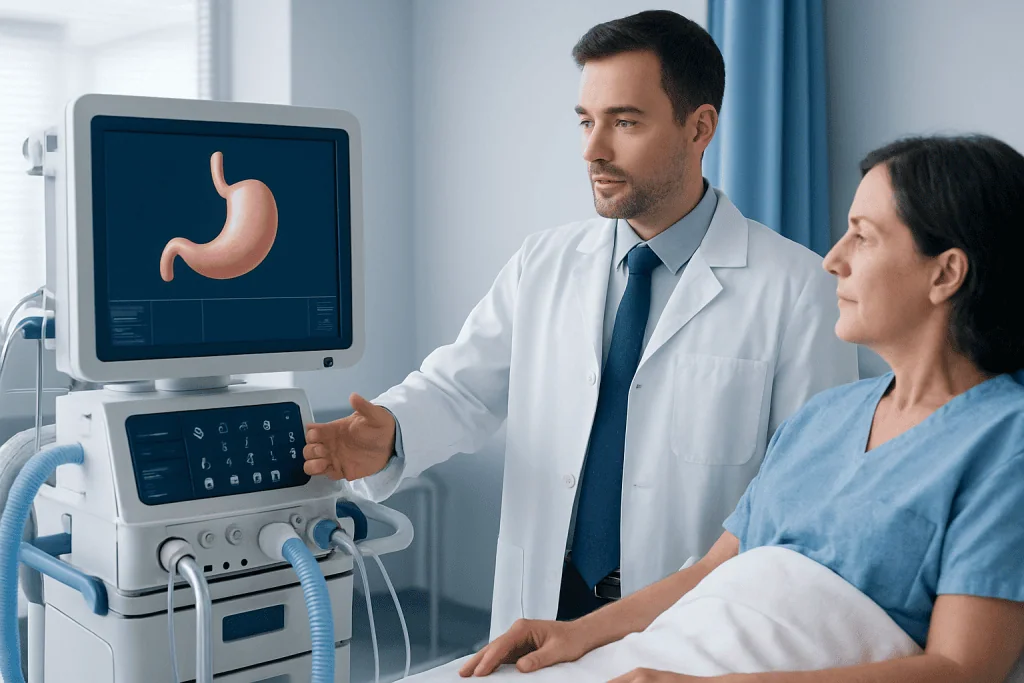
Most people with ulcers, reflux, gastroparesis, stomach cancer, or previous stomach surgery do not need a stomach transplant. These conditions are generally managed with medicines, nutritional treatment, endoscopic procedures, surgery, cancer care, or other targeted therapies. Transplant is reserved for a very small group of people with severe, complex disease.
A person may be evaluated when intestinal failure requires long-term intravenous nutrition and serious complications develop, such as recurrent bloodstream infections, loss of reliable vein access, or progressive liver problems related to intravenous nutrition. It may also be considered in selected cases of extensive abdominal injury, thrombosis affecting the blood supply to abdominal organs, or certain rare disorders affecting multiple digestive organs.
Assessment is detailed and individualized. The team reviews the underlying diagnosis, digestive function, nutrition status, prior operations, infection history, heart and lung health, kidney and liver function, cancer screening, emotional support, and ability to follow a lifelong treatment plan. Not everyone who is very unwell is suitable for transplant; the expected benefits must outweigh the substantial risks.
- Evaluation commonly includes blood tests, imaging, endoscopy, nutritional assessment, and testing for infections.
- Patients may meet transplant surgeons, gastroenterologists, dietitians, anesthesiologists, infectious disease specialists, psychologists, and rehabilitation professionals.
- For people with complex digestive disorders, evaluation may also clarify whether non-transplant treatment remains the safer option.
How the Procedure Works, Step by Step
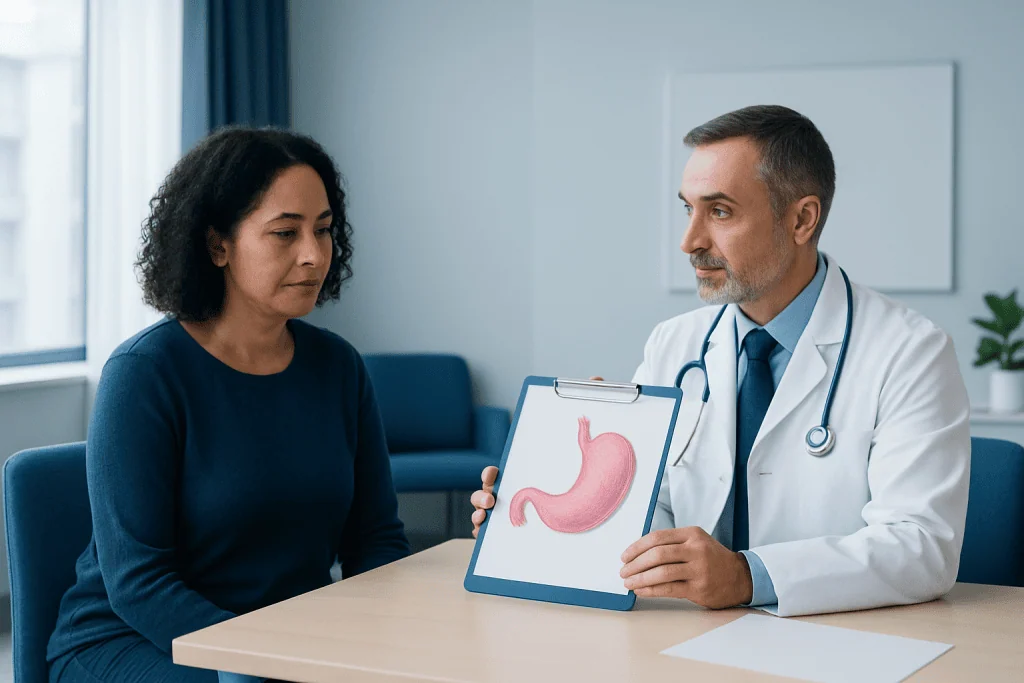
Once a person is accepted for transplant, they are placed on a donor waiting list according to local allocation systems and clinical urgency. Donor matching considers blood group, body size, organ availability, medical compatibility, and other factors. Waiting time varies and cannot be predicted precisely.
During surgery, the recipient is given general anesthesia. The surgical team removes the diseased organs that need to be replaced, while preserving or reconstructing essential blood vessels and surrounding structures. The donor organ group is then connected to the recipient’s blood supply and digestive tract. If the transplant includes the liver, pancreas, or intestine, the reconstruction is more extensive than it would be for a single-organ operation.
Surgeons may create a temporary ostomy, an opening on the abdominal wall that allows stool or intestinal output to pass into a pouch. In some cases, an ostomy also helps the team monitor the transplanted intestine for early signs of rejection. The operation can take many hours and requires close coordination among transplant surgery, anesthesia, intensive care, blood bank, and nursing teams.
After surgery, the person is transferred to intensive care for continuous observation. The team monitors circulation to the transplanted organs, breathing, fluid balance, bleeding, kidney function, infection signs, and early organ function. Anti-rejection medicines are started promptly because the immune system recognizes donor tissue as foreign.
Recovery Timeline and Long-Term Follow-Up
Recovery after a stomach-containing multivisceral transplant is gradual and varies widely. The first days to weeks are spent in hospital, often beginning in intensive care. Nutrition may initially be provided through a vein or feeding tube while the digestive tract heals. Food and fluids are reintroduced carefully as the transplant team assesses bowel activity, absorption, swallowing safety, and tolerance.
During the early months, follow-up is frequent. It may include blood tests, imaging, endoscopy, biopsies of intestinal tissue when appropriate, medication adjustments, and dietitian review. Immunosuppressive medicines must be taken exactly as prescribed. Missing doses can raise the risk of rejection, while excessive immunosuppression can increase infection risk.
Physical rehabilitation is an important part of recovery. Gentle movement, breathing exercises, gradual strengthening, and support for sleep and emotional wellbeing can help restore function after a long hospital stay. People are usually advised to avoid heavy lifting and other strenuous activity until their surgical team confirms that healing is adequate.
Long-term care continues for life. Some people achieve improved nutritional independence and quality of life, while others may still require supplemental nutrition or additional procedures. Regular transplant follow-up remains essential even when a person feels well, because some complications can begin with few or no symptoms.
Benefits, Risks, and Possible Complications
For carefully selected patients, transplantation may offer a chance to restore digestive function, improve absorption of nutrients, reduce complications of long-term intravenous nutrition, and support a more active daily life. The likely benefit depends on the person’s disease, the organs transplanted, previous health problems, and how well the transplant functions over time.
These potential benefits must be balanced against significant risks. Major abdominal surgery can cause bleeding, blood clots, injury to nearby structures, wound problems, leaks at surgical connections, obstruction, and delayed bowel function. Some complications require additional procedures or surgery.
Rejection occurs when the immune system attacks the donor organ. It can be acute or chronic, and may affect digestive function before obvious symptoms appear. Infection is also a serious concern because anti-rejection medicines lower immune defenses. Transplant recipients may additionally experience medication-related effects involving the kidneys, blood pressure, blood sugar, bone health, or risk of certain cancers over time.
Close monitoring is designed to identify problems early. The transplant team explains individual risks, expected monitoring, and alternatives before any decision is made. A second opinion at a specialist transplant center can be helpful when a complex procedure is being considered.
Living Well After Transplant: Practical Self-Care
After discharge, daily routines become an important part of protecting transplant health. This includes taking medicines on schedule, attending all appointments, monitoring symptoms, following food-safety guidance, and discussing any new prescription, over-the-counter medicine, vitamin, or herbal product with the transplant team before use.
Diet changes are tailored to each person. Early after surgery, meals may be small and frequent, with gradual adjustment of texture, fiber, fluids, and protein based on tolerance and nutritional needs. A transplant dietitian can help identify safe food choices and manage concerns such as diarrhea, dehydration, weight changes, or vitamin and mineral deficiencies.
Infection prevention usually includes regular hand hygiene, recommended vaccinations planned with the transplant team, safe preparation of foods, and avoiding close contact with people who are acutely unwell when possible. Live vaccines are generally not suitable for people taking significant immunosuppressive treatment, so vaccination decisions should always be made with a clinician.
Emotional adjustment can take time. Anxiety, low mood, sleep disturbance, and the demands of frequent medical care are understandable after transplant. Family support, counseling, social work services, patient communities, and rehabilitation programs can provide practical and emotional support.
When to Seek Medical Care
Anyone being evaluated for severe digestive disease should contact a doctor promptly for ongoing vomiting, inability to keep down liquids, unintended weight loss, persistent diarrhea, worsening abdominal pain, or signs of malnutrition. Black stools, vomiting blood, fainting, severe weakness, or sudden intense abdominal pain require urgent medical assessment.
After transplant, the care team should be contacted immediately for fever, chills, new or worsening abdominal pain, persistent vomiting or diarrhea, reduced ostomy output when an ostomy is present, bleeding, yellowing of the skin or eyes, shortness of breath, chest pain, or difficulty taking anti-rejection medicines. These symptoms do not always mean rejection, but they need timely review.
Patients should not stop or change immunosuppressive medicines on their own, even if they develop side effects or feel well. A transplant specialist can assess concerns safely and adjust treatment when necessary. Acibadem International’s multidisciplinary specialists and JCI-accredited hospitals support diagnosis and treatment planning for international patients with complex digestive and transplant-related needs.
Frequently asked questions
Can the stomach be transplanted by itself?
An isolated stomach transplant is exceptionally rare and is not a standard treatment for most stomach diseases. When donor stomach tissue is transplanted, it is usually part of an intestinal or multivisceral transplant that includes other abdominal organs.
Who needs a stomach transplant?
This procedure may be considered for a small number of people with severe intestinal failure or complex disease affecting multiple abdominal organs. It is not usually used for common conditions such as reflux, ulcers, or uncomplicated gastroparesis.
How long does recovery take after a stomach transplant?
The initial hospital stay may last weeks, depending on the complexity of surgery and any complications. Recovery and nutritional rehabilitation continue for months, while lifelong follow-up and anti-rejection treatment are required.
What are the main risks of stomach transplant surgery?
Important risks include bleeding, infection, blood clots, leaks or blockage in the digestive tract, and complications from major surgery. Rejection and side effects of lifelong immunosuppressive medicines are also key long-term concerns.
Will a person eat normally after a stomach transplant?
Eating is usually restarted gradually and is guided by the transplant team and dietitian. Some people progress toward a varied oral diet, while others may need temporary or ongoing nutrition support depending on intestinal function and recovery.
How is rejection detected after transplant?
Rejection may be suspected from symptoms, changes in laboratory results, or changes in digestive function, but it can sometimes be present without obvious symptoms. Follow-up may include blood testing, imaging, endoscopy, and biopsies when the clinical team considers them necessary.
References
- World Health Organization
- United Network for Organ Sharing
- National Institute of Diabetes and Digestive and Kidney Diseases
- American Society of Transplantation
- European Society for Organ Transplantation
This article is for general information only and is not a substitute for professional medical advice. Please consult a qualified doctor about your individual situation.
Persistent digestive symptoms? Get evaluated in Turkey
JCI-accredited · board-certified surgeons · reply within 24h
Add us as a Preferred Source to see more of our trusted health content across Google Search, AI Overviews and Discover.