Trouble Breathing at Night — Explained by Medical Evidence, Not Myths

Nighttime breathing difficulty can have causes ranging from temporary nasal congestion to heart, lung, or sleep-related conditions. Breathlessness that worsens when lying flat may need prompt medical assessment, especially if it is new or progressive.
Key Takeaways
- Nighttime breathing difficulty can have causes ranging from temporary nasal congestion to heart, lung, or sleep-related conditions.
- Breathlessness that worsens when lying flat may need prompt medical assessment, especially if it is new or progressive.
- Loud snoring, witnessed pauses in breathing, and daytime sleepiness can point to obstructive sleep apnea.
- Keeping a record of symptoms, sleep position, triggers, and medicines can help a clinician identify the cause.
- Sudden severe shortness of breath, chest pain, blue lips, fainting, or confusion requires emergency care.
Trouble breathing at night is a symptom rather than a diagnosis. It may be related to nasal congestion, asthma, sleep apnea, reflux, anxiety, or conditions affecting the heart or lungs; the timing, position, and associated symptoms can help guide evaluation.
Overview: What Trouble Breathing at Night Can Mean
Trouble breathing at night can feel like air hunger, chest tightness, wheezing, repeated awakenings, or a need to sit upright to breathe more comfortably. It is common for minor problems such as a cold or allergies to feel worse at night, but recurrent or new symptoms deserve attention because sleep can reveal breathing, heart, and lung problems that are less noticeable during the day.
Some people become short of breath soon after lying down, while others wake suddenly after sleeping for a period of time. These patterns are clinically useful. Breathing that is difficult when flat is often called orthopnea, whereas awakening with marked breathlessness after sleep may be called paroxysmal nocturnal dyspnea. These descriptions do not identify the cause on their own, but they help a doctor decide which systems to assess.
Symptoms should not be dismissed as simply aging, poor fitness, or stress without considering other explanations. A careful review can usually distinguish between a temporary upper-airway issue, a sleep-related breathing disorder, reflux, a respiratory condition, or a heart-related cause.
How Nighttime Symptoms May Feel
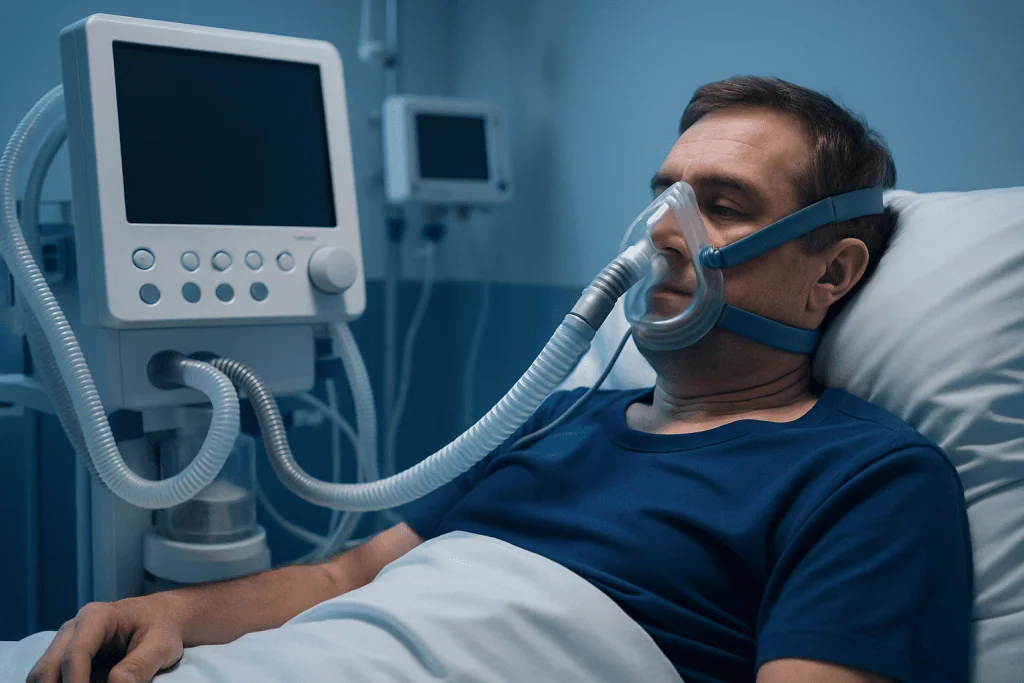
People use different words for nighttime breathing difficulty. Some describe a blocked nose or throat, noisy breathing, snoring, coughing, or wheezing. Others report pressure in the chest, needing extra pillows, waking up gasping, or feeling unable to take a full breath. The sensation can be distressing, but its features provide important clues.
Symptoms associated with obstructive sleep apnea often include loud habitual snoring, witnessed breathing pauses, choking or gasping during sleep, morning headaches, dry mouth, and daytime fatigue. In asthma, nighttime cough, wheeze, chest tightness, and symptoms triggered by allergens, cold air, or respiratory infections may be more prominent. Nasal allergies can lead to congestion and mouth breathing without necessarily causing a lung problem.
Heart or fluid-related causes may be more likely when breathlessness worsens lying down, improves after sitting up, occurs with ankle or leg swelling, or is accompanied by a reduced ability to exercise. Acid reflux can also cause nighttime cough, throat irritation, hoarseness, or a choking sensation, particularly after late meals or when lying down soon after eating.
- Note whether symptoms occur when falling asleep, during the night, or on waking.
- Consider whether lying flat, a meal, alcohol, allergens, exercise, or a respiratory infection affects symptoms.
- Record snoring, pauses in breathing, cough, wheeze, swelling, fever, or chest discomfort.
Common Causes and Contributing Factors

Nasal congestion is one of the most frequent short-term causes. Colds, sinus inflammation, allergies, irritants, and structural nasal problems can narrow the nasal passages, leading to mouth breathing and disturbed sleep. Sleeping in a dry room or being exposed to smoke may aggravate irritation. For some people, elevation of the head and treatment of the underlying nasal condition can improve comfort.
Obstructive sleep apnea occurs when the upper airway repeatedly narrows or closes during sleep. Excess weight, a larger neck circumference, enlarged tonsils, nasal obstruction, alcohol or sedative use near bedtime, smoking, and certain facial or jaw features can increase risk. It is important to seek assessment rather than relying on snoring alone, since untreated sleep apnea can affect daytime function and long-term cardiovascular health. Related sleep concerns may be evaluated through sleep apnea assessment and care.
Asthma and chronic lung diseases can worsen at night because airway inflammation, mucus, body position, and natural day-night changes in airway function may contribute. Respiratory infections may temporarily intensify coughing or wheezing. Less commonly, a blood clot in the lung, pneumonia, or another acute lung condition can cause sudden or significant breathlessness and needs urgent medical evaluation.
Heart conditions can contribute to shortness of breath when fluid accumulates in or around the lungs, especially while lying down. Other potential contributors include anemia, obesity, panic symptoms, pregnancy, medication effects, and reflux. More than one factor may be present, so self-diagnosis based on a single symptom is not reliable.
Why Position, Sleep, and Daily Habits Matter
When a person lies flat, fluid distribution in the body changes and the diaphragm may have less room to move, particularly with abdominal weight gain or bloating. Nasal tissues may also become more congested. These changes can make an existing breathing problem more apparent. Relief from sitting upright or using multiple pillows is useful information to share with a clinician, although it does not confirm a particular diagnosis.
Alcohol, sedatives, and some sleep medicines can relax upper-airway muscles and worsen snoring or obstructive sleep apnea. Smoking and vaping can irritate airways, while a late heavy meal may worsen reflux-related cough or throat symptoms. Bedroom factors, including dust, pet dander, mold, strong fragrances, or overly dry air, may matter for people with allergies or asthma.
Anxiety can cause a genuine feeling of breathlessness and may become more noticeable in the quiet of the night. However, anxiety should be considered only after a clinician has evaluated potentially relevant heart, lung, sleep, and airway causes. New, recurrent, or worsening symptoms should not automatically be attributed to stress.
How Doctors Evaluate Nighttime Breathing Problems
Evaluation begins with a detailed history. A doctor may ask when symptoms started, whether they occur every night, how many pillows are needed, whether there is snoring or witnessed apnea, and whether there is cough, wheeze, fever, reflux, swelling, palpitations, chest discomfort, or daytime tiredness. A review of medical conditions, smoking history, allergies, family history, and medicines is also important.
The examination may include listening to the heart and lungs, checking oxygen levels, blood pressure, weight, and signs of swelling or nasal obstruction. Depending on the symptoms, tests may include blood tests, an electrocardiogram, chest imaging, lung function testing, allergy assessment, or an echocardiogram. These tests are selected individually rather than performed routinely for everyone.
When sleep apnea or another sleep-related breathing disorder is suspected, a clinician may recommend a home sleep apnea test or an overnight sleep study. These tests monitor breathing patterns and oxygen levels during sleep. For persistent wheeze or suspected asthma, asthma evaluation and treatment may include lung function testing and a personalized plan for symptom control.
Treatment Options Depend on the Cause
Effective treatment addresses the underlying condition. For temporary nasal congestion, clinicians may recommend measures such as saline rinses, allergy management, or other treatments appropriate to the person’s health history. If asthma is contributing, a clinician can review inhaler technique, identify triggers, and adjust long-term and relief treatment when needed. People should not start, stop, or change prescription medicines without medical advice.
For obstructive sleep apnea, treatment may include weight management where appropriate, positional strategies, an oral appliance for selected patients, or positive airway pressure therapy. Some people may need assessment and treatment for nasal, tonsil, or jaw-related airway factors. Sleep apnea treatment is individualized according to the severity of the condition, symptoms, anatomy, and overall health.
When heart or lung disease is identified, treatment may involve medicines, monitoring, rehabilitation, procedures, or specialist care based on the diagnosis. Reflux-related symptoms may improve with dietary timing, head-of-bed elevation, and clinician-guided treatment. The aim is not only to improve sleep but also to identify and manage health conditions before they become more disruptive.
Practical Self-Care While Awaiting Assessment
Simple measures may reduce mild, temporary nighttime symptoms, but they are not a substitute for assessment when symptoms are recurrent or concerning. Sleeping with the upper body gently elevated may help some people, especially when nasal congestion, reflux, or positional breathlessness is present. Side sleeping may reduce snoring for certain individuals, although it does not replace treatment for diagnosed sleep apnea.
Keeping the bedroom smoke-free and reducing known allergens can be helpful. Avoiding alcohol close to bedtime and discussing sedative medicines with a prescribing clinician may be particularly important for people who snore, gasp during sleep, or have possible sleep apnea. Eating earlier in the evening and avoiding large late meals may help when reflux is a likely contributor.
A symptom diary can make a medical visit more productive. It may include bedtime, sleep position, awakenings, snoring reports from a bed partner, meals, alcohol use, exercise tolerance, swelling, and any medicines taken. At Acibadem International, multidisciplinary specialists in JCI-accredited hospitals can assess sleep, respiratory, cardiac, and ENT contributors to nighttime breathing symptoms for international patients.
When to Seek Medical Care
Emergency care is needed for sudden or severe breathing difficulty, chest pain or pressure, fainting, confusion, bluish or gray lips or face, coughing up blood, or severe wheezing that does not improve with a prescribed rescue plan. These symptoms can signal a serious medical problem and should not be managed at home.
A prompt medical appointment is advisable for new breathlessness when lying down, repeated waking gasping for air, persistent nighttime cough or wheeze, loud snoring with observed breathing pauses, daytime sleepiness affecting safety, leg swelling, fever, or symptoms that are getting worse. People with known heart or lung disease should contact their care team if their usual breathing pattern changes.
For mild symptoms linked to a short-lived cold or allergy flare, monitoring may be reasonable if breathing is otherwise comfortable and symptoms improve. If there is uncertainty, especially where sleep is repeatedly disrupted, a qualified doctor can provide a safer and more specific assessment.
Frequently asked questions
Why do I have trouble breathing at night but not during the day?
Lying down can worsen nasal congestion, reflux, airway narrowing, or fluid-related breathlessness. Sleep also relaxes upper-airway muscles, which can make snoring and obstructive sleep apnea more noticeable. A clinician can assess the pattern and look for the underlying cause.
Is waking up gasping for air always sleep apnea?
No. Waking up gasping can occur with obstructive sleep apnea, but it may also be related to asthma, reflux, panic symptoms, heart conditions, or other breathing problems. Repeated episodes, loud snoring, witnessed pauses in breathing, or daytime sleepiness should be discussed with a doctor.
Can anxiety cause shortness of breath at night?
Anxiety can produce a real sensation of breathlessness, chest tightness, or rapid breathing, particularly during nighttime awakenings. However, new or recurrent breathing symptoms should not be assumed to be anxiety until relevant physical causes have been considered by a healthcare professional.
Does sleeping with extra pillows help shortness of breath?
Elevation may temporarily improve comfort for some people with nasal congestion, reflux, or breathlessness that worsens while lying flat. Needing multiple pillows regularly is important information to share with a doctor, especially if there is swelling, fatigue, or reduced exercise tolerance.
Can acid reflux make breathing feel difficult at night?
Yes. Reflux can irritate the throat and airways, causing cough, hoarseness, throat clearing, chest discomfort, or a choking sensation after lying down. Avoiding large late meals and seeking clinical advice for frequent symptoms can be helpful.
When is nighttime shortness of breath an emergency?
Emergency help is needed for severe or sudden breathlessness, chest pain, fainting, confusion, blue or gray lips or face, coughing up blood, or rapidly worsening symptoms. People with known heart or lung disease should also seek urgent advice if breathing changes significantly from their usual pattern.
References
- American Academy of Sleep Medicine
- American Lung Association
- National Heart, Lung, and Blood Institute
- Mayo Clinic
- World Health Organization
This article is for general information only and is not a substitute for professional medical advice. Please consult a qualified doctor about your individual situation.
Persistent digestive symptoms? Get evaluated in Turkey
JCI-accredited · board-certified surgeons · reply within 24h
Add us as a Preferred Source to see more of our trusted health content across Google Search, AI Overviews and Discover.