Does Anxiety Make You Tired? Here Is What the Evidence Says
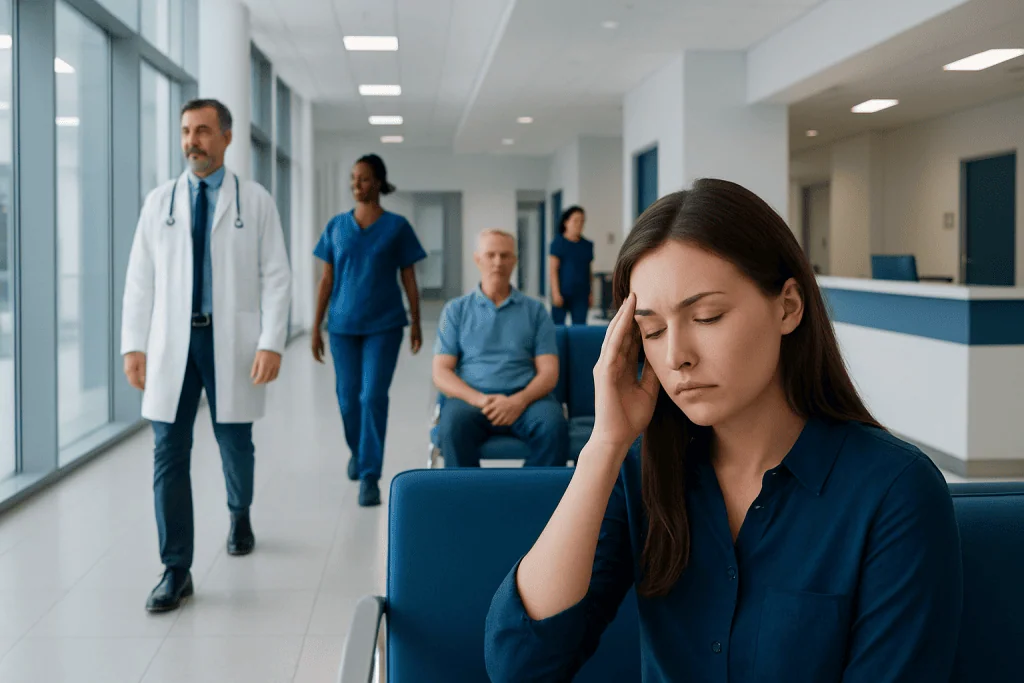
Anxiety may cause fatigue through ongoing physical tension, heightened alertness, racing thoughts and poor-quality sleep. Feeling tired after a stressful period is common, but fatigue that lasts, worsens or affects daily life deserves medical attention.
Key Takeaways
- Anxiety may cause fatigue through ongoing physical tension, heightened alertness, racing thoughts and poor-quality sleep.
- Feeling tired after a stressful period is common, but fatigue that lasts, worsens or affects daily life deserves medical attention.
- Many health conditions, medicines and sleep disorders can also cause tiredness, so anxiety should not be assumed to be the only explanation.
- A clinician can review symptoms, sleep, mood, medical history and, when appropriate, arrange tests to identify contributing factors.
- Regular sleep routines, gentle activity, balanced meals and evidence-based mental health support can reduce anxiety-related fatigue over time.
Yes, anxiety can make a person feel tired. The body’s prolonged stress response, disrupted sleep and the mental effort of managing worry can all contribute to fatigue, which is often manageable but should be assessed when it is persistent, severe or unexplained.
Does anxiety make you tired?
Yes. Anxiety can make a person feel tired, even when they have not done strenuous physical activity. During anxiety, the body may remain in a state of heightened alertness: muscles tense, breathing can change, thoughts may race and attention stays focused on possible threats. Maintaining this response takes energy, so fatigue can follow.
This type of tiredness is often harmless and improves as stress settles, sleep becomes more restorative and anxiety is addressed. However, fatigue is a broad symptom with many possible causes. Persistent, sudden, severe or worsening tiredness should be discussed with a healthcare professional rather than attributed to anxiety alone.
Medical review is particularly important when fatigue comes with unexplained weight change, fever, chest pain, shortness of breath, fainting, new weakness, significant daytime sleepiness or low mood with thoughts of self-harm. These symptoms do not necessarily indicate a serious problem, but they need timely assessment.
Why anxiety can lead to fatigue
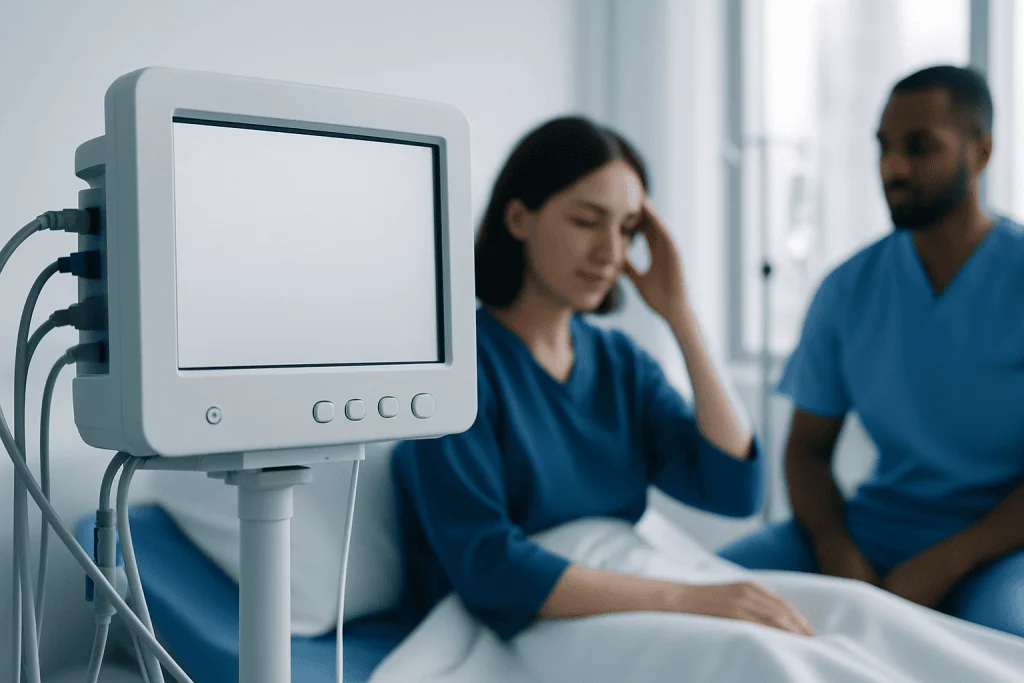
Anxiety activates the body’s stress-response systems. In the short term, this can be helpful: it prepares a person to respond to a challenge. When worry is frequent or prolonged, however, repeated activation can leave someone feeling physically and mentally depleted.
Hypervigilance is one reason. A person may continually scan for danger, replay conversations, anticipate problems or try to control uncertainty. This sustained mental effort can make concentration difficult and create a sense of exhaustion by the end of the day.
Physical symptoms can add to the burden. Tense muscles, headaches, stomach discomfort, rapid heartbeat and shallow breathing may be uncomfortable and tiring. Some people also find that anxiety reduces appetite, changes eating habits or leads them to avoid activities that usually support energy and wellbeing.
Fatigue can also feed back into anxiety. When energy is low, everyday tasks may feel harder, which can increase worry about health, work or family responsibilities. Recognizing this cycle is useful because both anxiety and fatigue can be addressed together.
Sleep, stress and daytime tiredness

Sleep disruption is one of the most common pathways between anxiety and fatigue. Worry may delay sleep onset, cause frequent waking, lead to early-morning awakening or make sleep feel unrefreshing. A person can spend enough hours in bed yet still wake feeling tired if sleep has been fragmented.
Anxiety can also encourage habits that interfere with sleep, such as checking messages late at night, using alcohol to unwind, consuming caffeine later in the day or spending long periods awake in bed thinking. These patterns are understandable responses to stress, but they may maintain both insomnia and daytime fatigue.
Not all tiredness in someone with anxiety is due to poor sleep. Sleep disorders, including obstructive sleep apnea, can cause loud snoring, pauses in breathing noticed by another person, morning headaches and excessive sleepiness during the day. A doctor can help distinguish insomnia related to anxiety from other sleep concerns.
Keeping a brief record of sleep times, awakenings, caffeine or alcohol use, daytime naps and energy levels can help identify patterns. It can also give a clinician useful information if fatigue does not improve.
Other causes a doctor may consider
Fatigue is common and may have more than one cause. A clinician will consider whether anxiety is contributing while also looking for physical, emotional and lifestyle factors. This approach is reassuring because many causes are treatable or manageable once identified.
Possible contributors include insufficient sleep, shift work, recent infection, chronic pain, dehydration, low activity levels, poor nutrition and the effects of alcohol or recreational substances. Some prescribed and non-prescribed medicines can also cause drowsiness or reduced energy, including certain allergy medicines, pain medicines and medicines used for sleep or anxiety.
Depending on the person’s symptoms and history, a doctor may consider anemia, thyroid disorders, diabetes, vitamin or nutrient deficiencies, heart or lung conditions, kidney or liver disease, and inflammatory illnesses. Depression can also present with tiredness, reduced motivation, sleep changes and loss of interest; it may occur alongside anxiety.
Sometimes anxiety is part of a broader mental health concern, such as anxiety disorders. A clear diagnosis is not required before seeking support. What matters is how symptoms affect daily life, relationships, sleep and functioning.
How fatigue linked with anxiety is assessed
A healthcare professional will usually begin by asking when the fatigue started, whether it is constant or intermittent, what improves or worsens it, and how it affects work, school, driving or home life. They may ask about worry, panic symptoms, mood, sleep quality, recent stressors, diet, activity and substance use.
A medical history and physical examination can identify clues to other causes. Reviewing all medicines, supplements and over-the-counter products is important, since some may affect sleep or alertness. The clinician may also ask about snoring, breathing pauses during sleep, restless legs, menstrual history where relevant and family medical history.
Blood tests or other investigations are not always needed, but they may be appropriate when symptoms, examination findings or risk factors suggest another condition. Tests can help check for issues such as anemia, thyroid disease, blood sugar problems or inflammation. The exact assessment should be individualized rather than based on anxiety alone.
If anxiety is a major contributor, clinicians may use structured questions to understand its severity and screen for depression or safety concerns. This is not a judgment; it helps guide the most suitable support and follow-up plan.
Ways to manage anxiety-related tiredness
Small, steady changes often help more than trying to solve fatigue all at once. A consistent wake-up time, a calming pre-sleep routine and limiting caffeine later in the day can support more restorative sleep. Reducing screen use before bed may be helpful for people whose evening scrolling increases worry or delays sleep.
Gentle, regular movement can improve sleep, mood and energy over time. Walking, stretching, cycling or another activity that feels manageable can be a useful starting point. It is best to increase activity gradually, especially when fatigue has been significant or a person has an underlying medical condition.
Regular meals, adequate fluids and time outdoors can also support energy. Relaxation skills such as slow breathing, mindfulness, progressive muscle relaxation or writing down worries before bed may reduce physical tension and mental overactivity. These approaches do not eliminate every source of anxiety, but they can make symptoms easier to manage.
Talking therapies, particularly cognitive behavioral therapy, are evidence-based options for anxiety and insomnia. A clinician may also discuss medication when appropriate, weighing likely benefits and possible side effects such as drowsiness. Any medication changes should be made with the prescribing professional; people should not stop prescribed medicines suddenly without advice.
For people seeking coordinated assessment, Acibadem International’s multidisciplinary specialists and JCI-accredited hospitals diagnose and treat anxiety-related symptoms and contributing health conditions for international patients.
When to seek medical care
Arrange a routine medical appointment if tiredness lasts for several weeks, keeps returning, interferes with normal activities or does not improve with rest and healthier sleep habits. It is also sensible to seek advice if anxiety feels difficult to control, causes avoidance of daily situations, or is affecting work, relationships or physical health.
Seek urgent medical care for chest pain, severe shortness of breath, fainting, confusion, sudden weakness, signs of a severe allergic reaction, or thoughts of harming oneself or others. In an immediate mental health crisis, contact local emergency services or a local crisis support service.
It can help to prepare for an appointment by noting symptoms, sleep patterns, recent illnesses, stressors, medicines and supplements. Bringing this information allows the clinician to assess both anxiety and fatigue carefully, and to recommend next steps that are appropriate for the individual.
Frequently asked questions
Can anxiety make you tired all day?
Yes, ongoing anxiety can contribute to all-day tiredness through poor sleep, physical tension and the mental effort of constant worry. However, persistent daytime fatigue can also have medical or sleep-related causes, so it is worth discussing with a clinician if it continues or affects daily functioning.
Why am I tired after an anxiety attack?
An anxiety or panic episode can activate the body’s stress response, increasing heart rate, breathing and muscle tension. Once the episode passes, the physical and emotional effort involved can leave a person feeling drained for hours or sometimes longer.
Can anxiety cause fatigue even if I sleep enough?
It can. Anxiety may make sleep lighter, more fragmented or less restorative even when someone spends enough time in bed. Fatigue despite adequate sleep can also be linked with sleep disorders, medicines or medical conditions, so medical assessment may be helpful.
How can I tell whether fatigue is from anxiety or something else?
It is not always possible to tell from symptoms alone because fatigue commonly has several contributing factors. A clinician can review the timing of symptoms, sleep, mood, medications, lifestyle and medical history, and may recommend tests when needed.
Will treating anxiety improve tiredness?
For many people, reducing anxiety through therapy, sleep support, stress-management strategies or medication when appropriate can improve energy. Improvement may be gradual, and any coexisting causes of fatigue also need to be identified and managed.
When is anxiety-related fatigue an emergency?
Urgent care is needed if tiredness occurs with chest pain, severe breathing difficulty, fainting, confusion, sudden weakness or thoughts of self-harm. These symptoms require prompt professional assessment and should not be managed alone.
References
- National Institute of Mental Health
- National Health Service
- American Academy of Sleep Medicine
- Mayo Clinic
- World Health Organization
This article is for general information only and is not a substitute for professional medical advice. Please consult a qualified doctor about your individual situation.
Explore treatments in Turkey — costs, top hospitals & a free quote
JCI-accredited · board-certified surgeons · reply within 24h
Add us as a Preferred Source to see more of our trusted health content across Google Search, AI Overviews and Discover.

More from the Health Library



Related Specialists

Dyt. Merve Gizem Bahçıvan Ayla
Nutrition & Diet
Dr. Mehmet Yazıcı
Emergency Service
Yaren Kasal
Physical Medicine & Rehabilitation
Prof. Dr. Turgut Aydın
Gynecology & Obstetrics