Will I Lose Weight When They Remove Ovarian Cyst: What Patients Need to Know

Removing an ovarian cyst is not a weight-loss procedure. Large cysts can add physical weight and make the abdomen appear or feel enlarged.
Key Takeaways
- Removing an ovarian cyst is not a weight-loss procedure.
- Large cysts can add physical weight and make the abdomen appear or feel enlarged.
- Postoperative weight changes are often temporary and may reflect fluids, swelling, appetite or bowel changes.
- The type of cyst, its size and whether the ovary is preserved help guide treatment planning.
- New severe pelvic pain, fainting, fever or heavy bleeding needs prompt medical assessment.
Most people do not have significant or lasting weight loss after ovarian cyst removal. A noticeable change is more likely when a cyst is very large or causing bloating, while overall body weight is mainly influenced by nutrition, activity, hormones and other health factors.
Will ovarian cyst removal cause weight loss?
Will I lose weight when they remove ovarian cyst? Usually, there is little or no meaningful weight loss after surgery. Ovarian cyst removal treats a cyst and is not designed as a weight-management procedure; most changes on the scale after surgery are temporary and related to fluids, appetite, constipation, swelling or recovery.
A person may notice a small decrease in weight if the cyst is large and contains fluid or tissue. They may also feel less abdominal fullness or look less bloated after it is removed. However, this does not necessarily represent loss of body fat, and the amount cannot be predicted from symptoms alone.
Ovarian cysts are common, particularly during the reproductive years. Many are harmless and resolve without treatment. When surgery is recommended, the goal is to clarify the diagnosis, relieve troublesome symptoms, prevent complications or address a cyst with concerning features.
Why a cyst can affect the abdomen and the scale
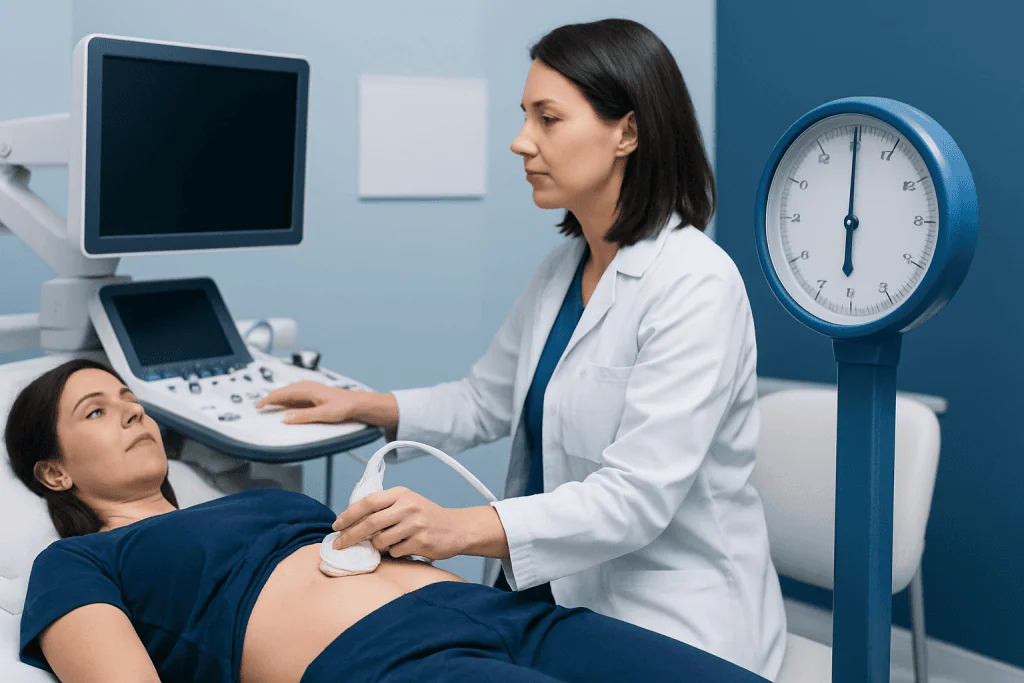
An ovarian cyst is a fluid-filled sac or, less commonly, a growth containing other types of tissue that develops in or on an ovary. Small functional cysts generally do not affect body shape or weight. Larger cysts may create pressure in the lower abdomen and pelvis, leading to bloating, a sensation of fullness, increased waist size or discomfort when eating.
If a large cyst is removed, the cyst itself is no longer contributing to body weight. Yet body weight naturally varies from day to day because of hydration, salt intake, menstrual-cycle changes and bowel habits. Immediately after an operation, intravenous fluids and reduced movement can sometimes cause short-term weight gain rather than loss.
Persistent weight gain, difficulty losing weight, acne, excess facial or body hair, or irregular periods may point to a hormone-related condition rather than the effect of one isolated cyst. For example, polycystic ovary syndrome (PCOS) can affect ovulation and metabolism, but it is different from having a single ovarian cyst.
Very large cysts can occasionally cause more obvious abdominal enlargement. Imaging is the reliable way to assess cyst size and characteristics; the appearance of the abdomen alone cannot establish the cause.
What determines whether surgery is needed

Many ovarian cysts can be monitored with repeat pelvic ultrasound because they disappear on their own. A clinician considers the person’s age, symptoms, ultrasound findings, cyst size, whether it changes over time, pregnancy status and any family or personal history that may affect risk.
Surgery may be considered when a cyst is persistent, large, painful, twisted the ovary or ruptured, or when scans suggest that further assessment is needed. Blood tests or additional imaging may sometimes be appropriate, especially after menopause or when a cyst has complex features. These tests help inform decisions but do not diagnose every cyst on their own.
When possible, surgeons commonly remove only the cyst and preserve healthy ovarian tissue. This procedure is called an ovarian cystectomy. In selected cases, such as a suspicious mass or extensive ovarian damage, removal of an ovary may be discussed. The care team should explain the reason for the recommendation, the alternatives and potential implications for fertility and hormone function.
Most cysts are not cancer. Still, careful assessment is important because treatment should be tailored to the specific findings rather than based on weight change or abdominal bloating alone.
What happens during ovarian cyst removal
Many cysts can be removed using minimally invasive surgery, also called laparoscopy. The surgeon uses small incisions and a camera to view the pelvis, then removes the cyst when appropriate. This approach often involves less postoperative discomfort and a shorter recovery than open surgery, although recovery varies between individuals.
Open surgery, known as laparotomy, may be necessary when a cyst is very large, cannot be safely removed through small incisions, has concerning features or requires a more extensive procedure. The surgical plan is individualized after imaging, examination and discussion of the person’s medical history and goals.
After removal, the cyst or tissue is typically examined by a pathology laboratory. The result may confirm a common noncancerous type of cyst, such as a functional cyst, endometrioma, dermoid cyst or cystadenoma. The final pathology report can guide any needed follow-up.
People considering surgery can ask whether cyst removal alone is feasible, how their ovary may be protected, what recovery may involve and when they can return to usual activities. Shared decision-making is particularly important for those who hope to become pregnant in the future.
Weight, bloating and recovery after surgery
Recovery can temporarily change eating patterns, activity levels and bowel function. Anaesthesia, pain medicines and reduced activity may contribute to constipation and abdominal bloating. Surgical swelling and retained fluid can also make the abdomen feel fuller for a short time. These changes commonly improve as recovery progresses.
It is helpful to focus on recovery rather than weighing frequently in the first days or weeks. Drinking fluids as advised, gradually resuming movement when cleared by the surgical team, eating fiber-containing foods if tolerated and following postoperative instructions can support bowel regularity and comfort.
There is no special diet that makes an ovarian cyst disappear or guarantees weight loss after surgery. A balanced eating pattern, regular physical activity once medically cleared, adequate sleep and management of conditions such as PCOS or thyroid disease can support long-term health and weight goals.
Anyone with ongoing swelling, rapid unexplained weight change, persistent abdominal symptoms or concerns about eating should discuss these with a doctor. The clinician can determine whether recovery-related changes, hormonal factors, medication effects or another condition should be evaluated.
When to seek medical care
Non-urgent medical review is appropriate for persistent pelvic pain, increasing abdominal bloating, feeling full quickly when eating, changes in periods, pain during sex or urinary and bowel pressure symptoms. These symptoms have many possible causes, and an examination and pelvic ultrasound may help identify the reason.
Urgent medical care is needed for sudden severe pelvic or abdominal pain, especially if it occurs with nausea or vomiting, fainting, dizziness, fever, shoulder pain or heavy vaginal bleeding. These can be signs of a ruptured cyst, ovarian torsion or another urgent condition and should not be managed at home.
After surgery, patients should contact their surgical team for worsening pain that is not controlled as instructed, fever, persistent vomiting, increasing redness or discharge from an incision, heavy bleeding, shortness of breath or leg swelling. The team can advise whether symptoms are expected during recovery or require prompt assessment.
Acibadem International’s multidisciplinary specialists and JCI-accredited hospitals diagnose and treat ovarian cysts for international patients, with care plans based on imaging findings, symptoms and individual reproductive goals.
Frequently asked questions
How much weight can an ovarian cyst weigh?
The weight of an ovarian cyst varies widely depending on its size and contents. Most cysts are small and would not cause a noticeable change on the scale, while very large cysts can contribute more. Imaging and surgical findings, rather than symptoms alone, determine its size.
Will my stomach go down after ovarian cyst removal?
If a large cyst was causing abdominal enlargement or pressure, the abdomen may look or feel less distended after recovery. In the short term, however, surgical swelling, constipation and fluid changes can cause temporary bloating. The timing of improvement differs with the type of procedure and the individual’s recovery.
Can an ovarian cyst make it hard to lose weight?
A single ovarian cyst does not usually directly prevent weight loss. Some hormonal conditions associated with irregular ovulation, including PCOS, can influence weight and metabolism. A doctor can assess persistent weight concerns alongside menstrual symptoms and other health factors.
Is ovarian cyst removal the same as removing an ovary?
No. In an ovarian cystectomy, the surgeon removes the cyst while trying to preserve healthy ovarian tissue. Removing an ovary is called oophorectomy and may be recommended only in certain circumstances, such as significant ovarian damage or concern about a mass.
How long does bloating last after ovarian cyst surgery?
Mild bloating is common after surgery and may last days to a few weeks, depending on the procedure and bowel recovery. Laparoscopic surgery can also cause short-lived gas-related discomfort. Worsening bloating, severe pain, fever or vomiting should be discussed promptly with the surgical team.
Can ovarian cysts come back after surgery?
Yes, new cysts can develop, particularly in people who continue to ovulate. Removal of one cyst does not always prevent future cysts because the underlying ovarian cycle remains active. Follow-up recommendations depend on the cyst type, pathology result and symptoms.
References
- American College of Obstetricians and Gynecologists
- National Health Service
- Mayo Clinic
- MedlinePlus
- World Health Organization
This article is for general information only and is not a substitute for professional medical advice. Please consult a qualified doctor about your individual situation.
Ovarian Cyst in Turkey — costs, top hospitals & a free quote
JCI-accredited · board-certified surgeons · reply within 24h
Add us as a Preferred Source to see more of our trusted health content across Google Search, AI Overviews and Discover.
Check your numbers in seconds
BMI, calories, due date, blood pressure and 30+ more clinical calculators — free, instant, doctor-reviewed ranges.

Gynecology & Obstetrics
Women’s health across pregnancy, gynecologic surgery and high-risk pregnancy care.
186 specialists in this unit