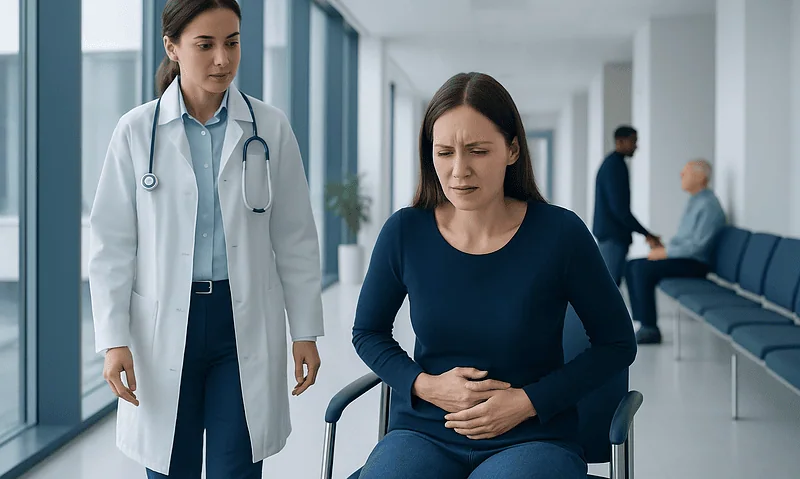
Why Does My Stomach Hurt During Sex Female? Here Is What the Evidence Says

Pain felt in the stomach during sex is often actually lower abdominal or pelvic pain. Occasional mild discomfort may be related to depth of penetration, arousal, lubrication, muscle tension, or bowel fullness.
Key Takeaways
- Pain felt in the stomach during sex is often actually lower abdominal or pelvic pain.
- Occasional mild discomfort may be related to depth of penetration, arousal, lubrication, muscle tension, or bowel fullness.
- Persistent deep pain can be associated with conditions such as endometriosis, ovarian cysts, pelvic inflammatory disease, fibroids, or pelvic-floor dysfunction.
- Sudden severe pain, pain with fever, fainting, heavy bleeding, vomiting, or possible pregnancy requires prompt medical care.
- A clinician can usually narrow down the cause through a careful history, examination, pregnancy test when appropriate, and targeted tests or imaging.
Stomach or lower abdominal pain during sex is often related to deep penetration, temporary muscle tension, gas or bowel fullness, and may improve with position changes or gentler intercourse. However, recurring, severe, or worsening pain can sometimes be linked to a gynecological, urinary, bowel, or pelvic-floor condition and deserves medical assessment.
Why stomach pain can happen during sex
For many women, the feeling described as stomach pain during sex is pain lower in the abdomen or pelvis. Mild, occasional discomfort is common and is not always a sign of a serious health problem. It can occur when penetration is deeper than is comfortable, when the abdominal or pelvic muscles tighten, or when the bladder or bowel is full.
The exact location and timing of pain provide useful clues. Pain at the vaginal opening is different from a deep ache, cramp, pressure, or sharp pain felt inside the pelvis. Some people notice symptoms only in certain positions, around menstruation, after eating, or when constipated. These patterns can help a clinician distinguish a temporary mechanical cause from a condition that needs treatment.
Sex should not routinely be painful. If discomfort continues, interferes with intimacy, causes worry, or appears with other symptoms, it is appropriate to discuss it with a gynecologist or another qualified healthcare professional. Effective support is available, and an evaluation can often identify practical ways to reduce pain.
Common, usually temporary reasons for discomfort
Deep penetration can put pressure on the cervix, uterus, ovaries, bowel, or sensitive pelvic tissues. This may cause a brief cramp or deep lower-abdominal ache, particularly in positions that allow greater depth. Trying a position with more control over depth, slowing down, and communicating about comfort may help.
Insufficient arousal or vaginal dryness can make intercourse uncomfortable and can lead to involuntary tightening of the pelvic muscles. Hormonal changes after childbirth, during breastfeeding, around menopause, or while using some medications may contribute to dryness. More time for arousal, a compatible personal lubricant, and avoiding fragranced products that irritate the genital area can be useful measures.
Digestive factors can also be relevant. Constipation, gas, bloating, irritable bowel syndrome, or a full bladder may make pressure during sex more noticeable. Symptoms that clearly vary with meals, bowel movements, or constipation may point toward a bowel-related contribution, although persistent pelvic pain should still be assessed rather than assumed to be digestive.
- Pain only with very deep penetration may be mechanical or related to pelvic sensitivity.
- Discomfort that improves after changing position may be less concerning, but should be monitored.
- New pain that recurs despite these adjustments should be reviewed by a clinician.
Conditions that may cause deep pelvic or abdominal pain
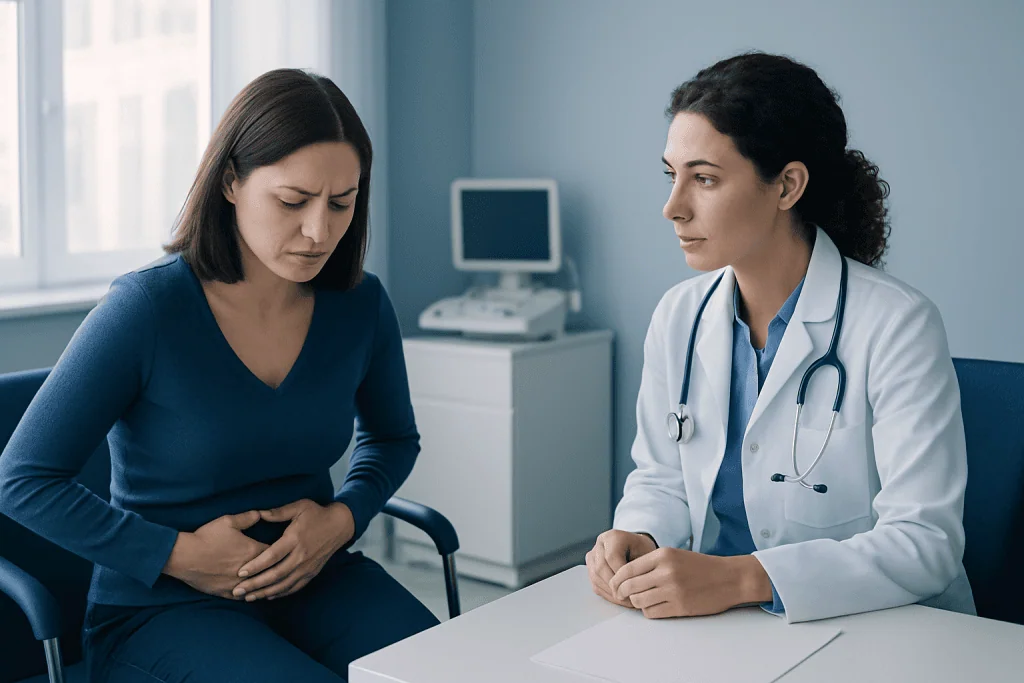
Several health conditions can cause pain during or after intercourse, sometimes called dyspareunia. Endometriosis is one possible cause. In this condition, tissue similar to the lining of the uterus grows outside the uterus and may contribute to deep pain during sex, painful periods, pelvic pain, bowel symptoms, or difficulty becoming pregnant. Symptoms vary widely, and not everyone with endometriosis has the same pattern.
Ovarian cysts, uterine fibroids, and adenomyosis can also cause pelvic pressure or pain, especially if symptoms are related to the menstrual cycle. Most ovarian cysts are not dangerous and may resolve on their own, but a cyst that twists, ruptures, or bleeds can cause sudden severe pain and requires urgent assessment.
Pelvic inflammatory disease, often related to untreated sexually transmitted infections, may cause pain during sex along with unusual vaginal discharge, fever, bleeding between periods, or lower abdominal tenderness. Urinary tract infections and bladder pain syndromes may lead to pain with sex as well, especially when there is burning urination, urinary urgency, or bladder discomfort.
Pelvic-floor muscle overactivity can produce aching, pressure, or pain during penetration and afterward. It may coexist with stress, prior pain, childbirth changes, or other pelvic conditions. Pelvic-floor physiotherapy can be helpful for some people after clinical assessment.
Clues that help identify the possible cause
Keeping a simple record of symptoms can make a medical appointment more productive. Helpful details include where pain is felt, whether it is sharp, cramping, burning, or pressure-like, how long it lasts, and whether it occurs during penetration, deep thrusting, orgasm, or afterward. The relationship to periods, bowel movements, urination, exercise, and particular positions can also be important.
Associated symptoms may guide the evaluation. Painful or unusually heavy periods, spotting after sex, abnormal discharge, infertility concerns, fatigue, constipation, diarrhea, painful bowel movements, or urinary symptoms should all be mentioned. A clinician may ask about contraception, possibility of pregnancy, previous infections, surgeries, childbirth, and medications.
Emotional wellbeing matters too. Anticipating pain can cause understandable anxiety and protective muscle tightening, which can make discomfort worse. This does not mean the pain is “all in the mind.” Pelvic pain is real and can have overlapping physical and emotional contributors; a respectful, whole-person approach is important.
How doctors assess pain during sex
A clinician will usually begin with a confidential discussion about the pain and any related symptoms. Depending on the situation, they may perform an abdominal and pelvic examination to check for tenderness, muscle tightness, signs of infection, masses, or skin and vaginal changes. A person can ask questions, request an explanation before each step, and stop an examination at any time.
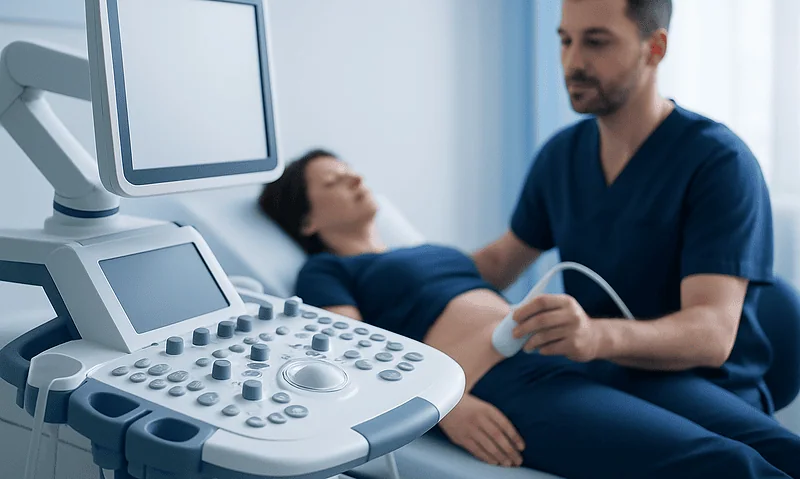
A pregnancy test may be recommended for anyone who could be pregnant, especially when pain is new or severe. Other tests may include urine testing, vaginal or cervical swabs for infection, and blood tests when indicated. A pelvic ultrasound can help assess the uterus and ovaries and may identify fibroids, cysts, or other structural changes.
Not every cause is visible on an ultrasound. If symptoms strongly suggest endometriosis or another condition despite normal initial tests, a gynecologist may recommend further evaluation. This can include treatment trials, specialist imaging, or, in selected circumstances, minimally invasive surgery such as laparoscopy to look inside the pelvis and treat certain findings.
Treatment and self-care options
Treatment depends on the cause, symptom severity, reproductive plans, and personal preferences. For occasional positional discomfort, practical changes may be enough: choose positions that limit depth, go slowly, use clear communication, pause when pain begins, and consider using a lubricant if dryness is present. Avoid pushing through pain, as this can increase muscle guarding and distress.
If infection is found, appropriate prescription treatment is important; sexual partners may also need testing or treatment depending on the diagnosis. Conditions such as endometriosis, fibroids, ovarian cysts, or bladder disorders may be managed with observation, symptom-relieving medicines, hormonal options, physiotherapy, or procedures when appropriate. A doctor can explain the likely benefits and limitations of each option.
For pelvic-floor-related pain, a clinician may recommend specialized pelvic-floor physiotherapy, relaxation approaches, and gradual strategies to make penetration more comfortable. When pain affects relationships or emotional wellbeing, counseling or sexual-health support can be a valuable addition to medical care. Acibadem International’s multidisciplinary specialists and JCI-accredited hospitals assess and treat pelvic pain concerns for international patients.
It is best to avoid self-treating persistent pain with repeated over-the-counter medicines without finding the cause. A healthcare professional can help ensure that symptoms are not being masked while an underlying condition remains untreated.
When to seek medical care
Arrange a non-urgent medical appointment if pain during sex is recurrent, lasts after intercourse, is getting worse, or affects daily life, relationships, or attempts to conceive. Medical review is also advisable for painful periods, pain with bowel movements or urination, unusual discharge, bleeding after sex, or a new change in pelvic symptoms.
Seek urgent medical attention for sudden severe lower-abdominal or pelvic pain, particularly if it occurs with fainting, dizziness, shoulder pain, fever, vomiting, heavy vaginal bleeding, or a rigid or very tender abdomen. These symptoms can occasionally indicate problems that need prompt treatment, such as ectopic pregnancy, a ruptured ovarian cyst, ovarian torsion, appendicitis, or serious infection.
Anyone who may be pregnant and develops abdominal pain or vaginal bleeding should contact urgent medical services or a healthcare professional promptly. Early assessment is especially important because pregnancy-related complications cannot be safely diagnosed at home.
Frequently asked questions
Why does my stomach hurt during sex female?
The pain may come from deep pressure on pelvic organs, muscle tightening, vaginal dryness, constipation, gas, or a full bladder. It can also be related to conditions such as endometriosis, ovarian cysts, fibroids, infection, or pelvic-floor dysfunction. Recurrent or severe pain should be assessed by a healthcare professional.
Is lower stomach pain during sex normal?
A brief, mild ache that happens occasionally, particularly with deep penetration, can occur and may improve with gentler intercourse or a different position. Pain should not be accepted as a routine part of sex, however. If it happens repeatedly or affects comfort and intimacy, medical advice is appropriate.
Can endometriosis cause pain during sex?
Yes. Endometriosis can cause deep pain during intercourse, often alongside painful periods, chronic pelvic pain, bowel symptoms, or fertility concerns. The symptom pattern differs from person to person, so a gynecological evaluation is needed to determine whether endometriosis is involved.
Can an ovarian cyst cause pain during intercourse?
An ovarian cyst can sometimes cause pelvic pressure or pain with movement and deep penetration. Many cysts are harmless and do not cause symptoms, but sudden intense pain, nausea, vomiting, dizziness, or fainting needs urgent assessment because complications can occur.
What can help reduce pain during sex?
It may help to allow more time for arousal, use a suitable lubricant, go slowly, and choose positions that reduce penetration depth. Emptying the bladder and addressing constipation or bloating may also help some people. These steps do not replace medical review if pain is persistent, new, or worsening.
When is pain during sex an emergency?
Urgent care is needed for sudden severe pelvic or abdominal pain, especially with fever, vomiting, fainting, dizziness, heavy bleeding, shoulder pain, or possible pregnancy. These symptoms may indicate a condition requiring prompt treatment. If there is uncertainty about the severity of symptoms, seeking urgent medical advice is the safest choice.
This article is for general information only and is not a substitute for professional medical advice. Please consult a qualified doctor about your individual situation.
Persistent digestive symptoms? Get evaluated in Turkey
JCI-accredited · board-certified surgeons · reply within 24h
Add us as a Preferred Source to see more of our trusted health content across Google Search, AI Overviews and Discover.

More from the Health Library
Why Does Coffee Make Me Sleepy? Here Is What the Evidence Says

Is Mold a Fungus? A Doctor-Reviewed Answer
What Is Taurine? Here Is What the Evidence Says

How Long Does It Take for a Tattoo to Heal? A Doctor-Reviewed Answer

Why Is Zoryve So Expensive? A Doctor-Reviewed Answer