Bladder Polyps and When They Need Medical Assessment

Bladder polyps may not cause symptoms, but visible or microscopic blood in urine is a common reason they are found. A cystoscopy allows a urologist to look inside the bladder and, when needed, take or remove tissue for testing.
Key Takeaways
- Bladder polyps may not cause symptoms, but visible or microscopic blood in urine is a common reason they are found.
- A cystoscopy allows a urologist to look inside the bladder and, when needed, take or remove tissue for testing.
- Smoking is the most important preventable risk factor for many bladder tumors and cancers.
- Treatment depends on the size, appearance, pathology results and whether the growth returns.
- New or unexplained blood in urine should always be assessed by a healthcare professional.
Bladder polyps are growths that develop on the inner lining of the bladder. They may be benign, but some can be cancerous or become a concern over time, so evaluation by a urologist is important—particularly if there is blood in the urine.
Bladder Polyps: An Answer-First Overview
Bladder polyps are abnormal tissue growths that arise from the bladder’s inner lining, called the urothelium. The term “polyp” describes the shape or appearance of a growth, rather than confirming whether it is harmless or cancerous. For this reason, a bladder polyp should be assessed by a urologist, often with a camera examination of the bladder and laboratory testing of any removed tissue.
Some bladder polyps are noncancerous, such as inflammatory growths, while others are urothelial tumors. Urothelial tumors can range from low-grade, slow-growing abnormalities to bladder cancer. A person cannot tell the type from symptoms alone, and imaging tests may not provide a definite answer. Pathology—the examination of tissue under a microscope—is the most reliable way to identify the growth.
Many polyps are discovered after an investigation for blood in the urine. They can also be found during tests for recurrent urinary symptoms, urinary tract infections, or unrelated imaging. Finding a bladder polyp does not automatically mean cancer, but it does mean follow-up should not be delayed.
Possible Symptoms and How They May Feel
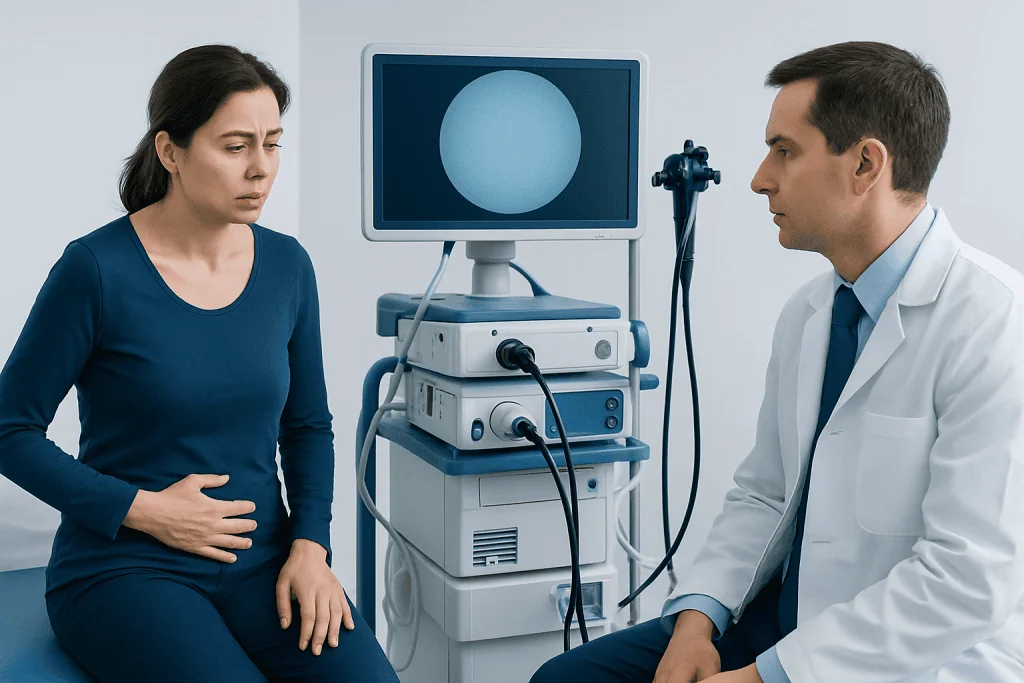
Small bladder polyps may cause no symptoms. When symptoms occur, the most common is hematuria, meaning blood in the urine. The urine may look pink, red or cola-colored, or the blood may be too small to see and only appear on a urine test. Blood in the urine can come and go, so one normal-looking urine sample does not rule out an underlying cause.
Some people experience urinary symptoms that can overlap with many more common conditions. These may include needing to urinate more often, a sudden urge to urinate, discomfort or burning while urinating, difficulty passing urine, or pelvic discomfort. These symptoms can also occur with infection, stones, prostate enlargement, overactive bladder, medication effects, and other urinary conditions.
It is important not to assume urinary bleeding is due to a urinary tract infection without appropriate testing. Infection can coexist with another condition, and persistent, recurrent, or unexplained symptoms deserve review. A clinician may arrange urine tests and further assessment depending on the person’s age, medical history, and risk factors.
Why Bladder Polyps Develop: Causes and Risk Factors
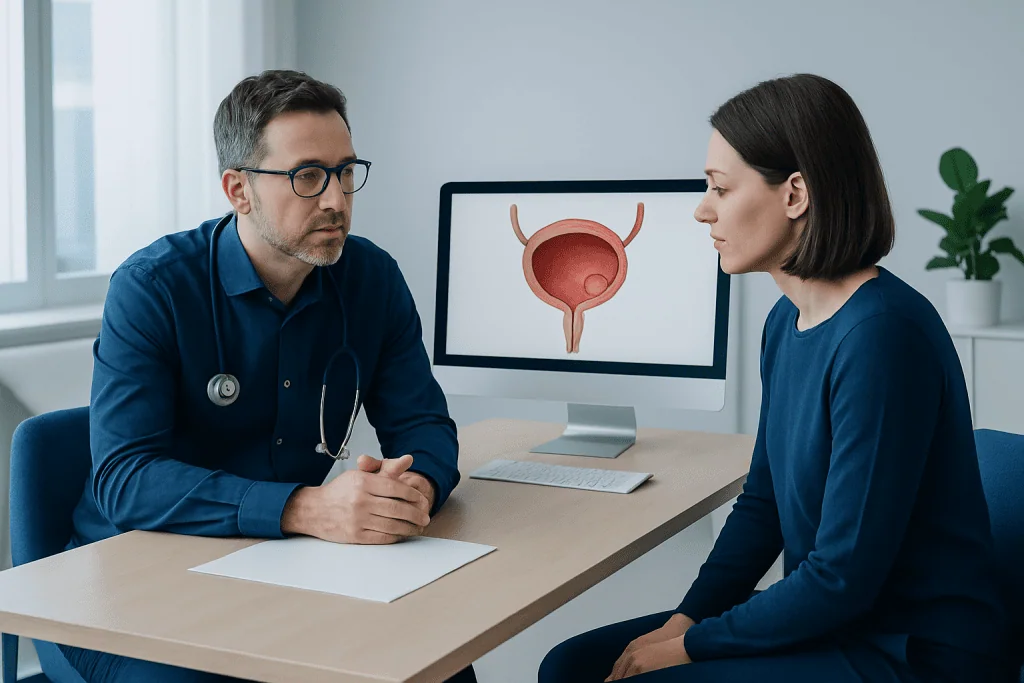
In many cases, the precise reason a bladder polyp develops is not known. Bladder cells are repeatedly exposed to substances filtered from the blood and passed into urine. Long-term irritation or exposure to cancer-causing chemicals may contribute to cellular changes in some people.
Smoking is a major modifiable risk factor for bladder tumors and bladder cancer. Chemicals from tobacco are absorbed into the bloodstream and later concentrated in urine, where they can affect the bladder lining. Stopping smoking is beneficial at any age and may lower the risk of future urinary tract cancers as well as many other illnesses.
Other factors that may increase risk include older age, previous bladder tumors, certain workplace chemical exposures, prior pelvic radiation, and long-term bladder inflammation in selected circumstances. Some medicines and inherited factors may also be relevant, although most people with bladder polyps do not have a strong family history. A urologist will consider personal exposures and health history when planning tests and follow-up.
- Current or past tobacco use
- Work involving certain dyes, rubber, leather, paint, metals, or chemical manufacturing
- A history of bladder cancer or urinary tract tumors
- Previous radiation treatment to the pelvis
- Chronic urinary irritation or inflammation in specific clinical settings
How Bladder Polyps Are Diagnosed
Assessment usually starts with a medical history, physical examination, and urinalysis. Urine testing can identify blood, signs of infection, and other abnormalities. In some situations, urine cytology may be used to look for abnormal cells shed into the urine. A negative cytology result does not exclude every type of bladder tumor, especially low-grade tumors.
Imaging, such as ultrasound or computed tomography (CT) urography, may help evaluate the kidneys, ureters, and bladder. These tests can identify larger growths or other causes of bleeding, including stones. However, small or flat bladder abnormalities can be missed on imaging, which is why direct visualization may be recommended.
Cystoscopy is a key test for suspected bladder polyps. A urologist passes a thin flexible or rigid instrument with a camera through the urethra to inspect the bladder lining. If a growth is seen, the clinician may arrange a biopsy or a procedure to remove it through the urethra. The pathology report then identifies whether the tissue is benign, low-grade or high-grade, superficial or invasive, and guides the next steps.
Treatment and Follow-Up Planning
Treatment is tailored to the pathology result and the number, size, location, and behavior of the growth. A small benign lesion may be removed and require limited follow-up. In contrast, bladder tumors may need regular surveillance because some can recur, even after complete removal.
Many visible bladder tumors are initially removed using transurethral resection of bladder tumor (TURBT). This is performed through the urethra, so it does not require an external incision. It enables removal of abnormal tissue and provides a specimen for staging and grading. Depending on the results, a second procedure may sometimes be advised to ensure accurate assessment or complete removal.
For non-muscle-invasive bladder cancer, treatment may include medication delivered directly into the bladder after surgery. Higher-risk or muscle-invasive cancers may require more extensive treatment, such as surgery, systemic therapies, radiation therapy, or a combination of approaches. Patients can learn more about bladder cancer as a separate condition, but individual treatment decisions should be made with a multidisciplinary team.
Follow-up commonly includes repeat cystoscopy at intervals determined by risk. This monitoring can feel inconvenient, but it is an important part of detecting recurrence early. Acibadem International’s multidisciplinary specialists and JCI-accredited hospitals diagnose and treat bladder conditions for international patients, with care plans based on pathology findings and individual needs.
Supporting Bladder Health After Evaluation
There is no proven home remedy that can remove a bladder polyp or replace medical follow-up. The most useful self-care step for people who smoke is seeking support to stop. Avoiding tobacco reduces ongoing exposure to harmful chemicals and supports overall cardiovascular, lung, and cancer prevention.
Staying adequately hydrated is generally helpful for urinary health unless a clinician has advised fluid restriction because of heart, kidney, or other medical conditions. People may also benefit from promptly treating confirmed urinary infections and attending planned follow-up appointments. Any medication, supplement, or herbal product should be discussed with a clinician, particularly if there is blood in the urine or a planned procedure.
After a cystoscopy or transurethral procedure, mild burning, urinary frequency, or a small amount of blood in urine may occur temporarily. The treating team should provide personalized aftercare instructions. Patients should contact the clinical team if symptoms worsen, bleeding is heavy or persistent, fever develops, or they cannot pass urine.
When to Seek Medical Care
Anyone who notices visible blood in the urine should arrange prompt medical assessment, even if it happens once, is painless, or disappears. The same applies to blood found repeatedly on urine testing without a clear explanation. Although there are many possible causes, including infection and stones, a bladder or kidney condition needs to be considered.
Urgent medical care is appropriate for heavy bleeding, blood clots in urine, inability to urinate, severe lower abdominal or flank pain, fever with urinary symptoms, dizziness, or feeling significantly unwell. These symptoms may indicate urinary blockage, infection, or another condition that needs timely treatment.
People with a prior bladder polyp or bladder tumor should keep scheduled surveillance visits and report new urinary changes between appointments. Early evaluation is generally simpler and offers the best opportunity to clarify the cause of symptoms.
Frequently asked questions
Are bladder polyps always cancerous?
No. Some bladder polyps are benign or related to inflammation. However, a polyp’s appearance cannot reliably determine whether it is cancerous, so tissue examination by a pathologist is usually needed.
What is the most common sign of a bladder polyp?
Blood in the urine is one of the most common signs. It may be visible to the eye or detected only by laboratory testing, and it may occur intermittently.
Can a bladder polyp go away on its own?
A confirmed bladder polyp should not be assumed to disappear without assessment. Because some growths can be tumors, a urologist may recommend cystoscopy, biopsy, or removal to establish the diagnosis.
Is cystoscopy painful?
Cystoscopy can cause temporary pressure or discomfort, and local anesthetic gel is often used for flexible outpatient procedures. If a growth needs to be removed, the procedure is commonly performed with anesthesia; the care team can explain what to expect.
Can bladder polyps return after removal?
Some bladder tumors can recur after they are removed, which is why scheduled cystoscopy follow-up is often recommended. The need and timing for monitoring depend on the pathology results and the individual’s risk level.
Does smoking affect bladder polyp risk?
Yes. Smoking is an important risk factor for bladder tumors and bladder cancer because tobacco-related chemicals pass into urine and contact the bladder lining. Stopping smoking can reduce ongoing risk and benefits overall health.
References
- American Urological Association
- European Association of Urology
- National Cancer Institute
- National Health Service
- World Health Organization
This article is for general information only and is not a substitute for professional medical advice. Please consult a qualified doctor about your individual situation.
Explore treatments in Turkey — costs, top hospitals & a free quote
JCI-accredited · board-certified surgeons · reply within 24h
Add us as a Preferred Source to see more of our trusted health content across Google Search, AI Overviews and Discover.