My Girlfriend Tested Positive for Chlamydia and I Tested Negative — Explained by Medical Evidence, Not Myths

A negative chlamydia test does not always rule out a recent infection, especially if testing occurred soon after exposure. Chlamydia often causes no symptoms, so a person may carry it without knowing.
Key Takeaways
- A negative chlamydia test does not always rule out a recent infection, especially if testing occurred soon after exposure.
- Chlamydia often causes no symptoms, so a person may carry it without knowing.
- Partners may need evaluation and treatment even when one test result is negative, depending on clinical guidance.
- Avoid sex until both partners have completed treatment and the clinician says it is safe to resume.
- Repeat testing is commonly advised after treatment because reinfection is possible.
If a girlfriend tests positive for chlamydia while her partner tests negative, neither result automatically proves who had the infection first or whether anyone was unfaithful. Differences in testing timing, sample collection, the body site tested, prior treatment, and the natural course of infection can all contribute, so both partners should follow guidance from a qualified clinician.
Why One Partner Can Test Positive and the Other Negative
When someone says, “my girlfriend tested positive for chlamydia and I tested negative,” the results can feel confusing and emotionally difficult. Medical evidence shows that different test results in a couple are possible and do not, by themselves, establish when the infection started, which partner had it first, or whether a partner has been unfaithful.
Chlamydia is a common sexually transmitted infection (STI) caused by the bacterium Chlamydia trachomatis. It can infect the cervix, urethra, rectum, throat, or eyes. Many infections cause no noticeable symptoms, and infection can persist for months or longer without being recognized. This means a positive result may reflect an infection acquired before the current relationship or during it; a test result alone cannot date the infection.
One person may test negative because they were not infected, because the test was done before the infection was reliably detectable, because the sample did not come from the infected body site, or less commonly because of a testing or collection issue. A clinician can interpret the results in the context of sexual history, symptoms, test timing, and the type of test used.
How Chlamydia Tests Work and Why Timing Matters
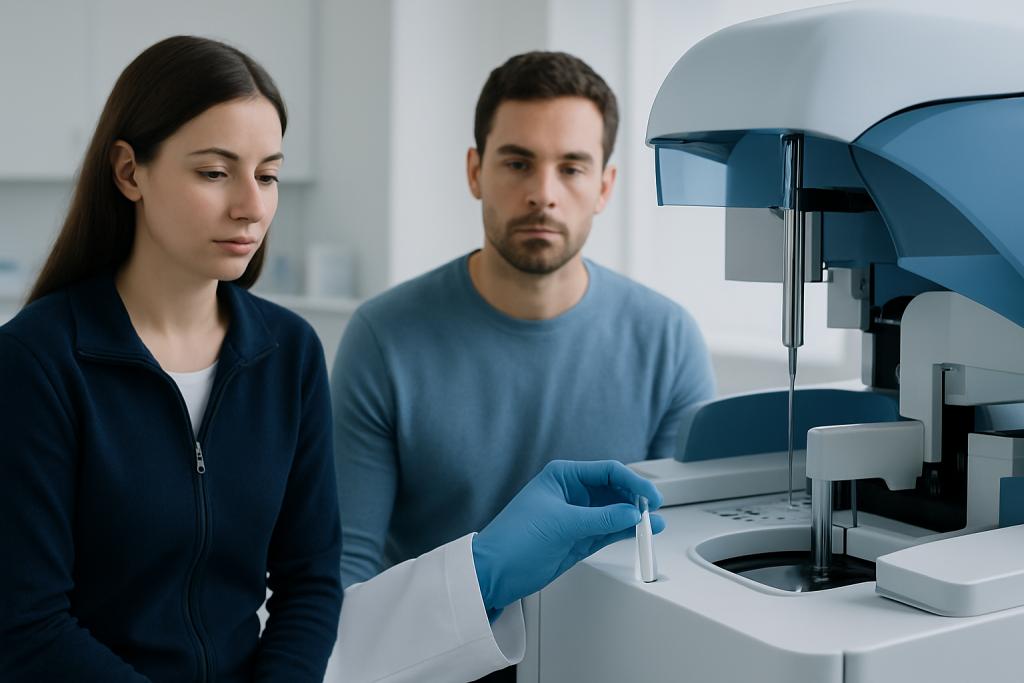
The most commonly used tests are nucleic acid amplification tests (NAATs). These tests look for genetic material from the bacteria and are highly accurate when the appropriate specimen is collected at the appropriate site. A urine sample is often used for people with a penis, while a vaginal or cervical swab is commonly used for people with a vagina. Rectal or throat swabs may be needed when those sites have been exposed.
After exposure, there can be a window period before an infection is detected reliably. Testing very soon after sexual contact may produce a negative result even if infection develops or becomes detectable later. If exposure was recent, a clinician may recommend repeat testing at an appropriate interval rather than relying only on an early negative result.
Testing the wrong site can also matter. For example, a urine test may not identify a rectal infection, and a throat infection may require a throat swab. This does not mean standard tests are unreliable; it means testing needs to match the types of sexual contact a person has had. People should tell their clinician about oral, vaginal, and anal exposure so the correct testing can be offered.
False-negative results are less common with properly collected NAAT testing, but they can occur. Sample collection, handling, very low amounts of bacteria, recent antibiotic use, and timing may all affect results. A doctor may repeat a test or arrange site-specific testing when the likelihood of exposure is high.
What the Results Do and Do Not Mean

A positive chlamydia test means that bacterial genetic material was found in the specimen and treatment is needed. It does not identify the date of infection. Because chlamydia is often silent, a person may have had it before entering a relationship and have no way of knowing without prior screening.
A negative result means chlamydia was not detected in that particular sample at that time. It is reassuring, but it is not always the same as proving there was never any infection. The result should be considered alongside potential exposure dates, the sites tested, symptoms, previous STI testing, and whether either partner recently took antibiotics.
It is usually not medically useful to try to determine responsibility from laboratory results alone. Chlamydia testing cannot show who transmitted an infection or how long it has been present. A calm, nonjudgmental conversation and prompt medical follow-up are more helpful than assumptions.
Other STIs can occur at the same time, so clinicians often recommend testing for gonorrhea and may advise screening for HIV, syphilis, and other infections according to individual risk and local guidelines. Learning about sexually transmitted diseases can help partners understand why complete, confidential screening is important.
Symptoms Can Be Absent or Easy to Miss
Most people with chlamydia have no symptoms. This is why routine screening for people at increased risk is important and why a diagnosis may seem unexpected. The absence of symptoms does not mean the infection is harmless or that it cannot be passed to a sexual partner.
When symptoms occur, they may include burning or discomfort during urination, unusual vaginal or penile discharge, bleeding between periods or after sex, pelvic discomfort, pain or swelling in a testicle, rectal pain, discharge, or bleeding. Throat infections are often symptom-free but may occasionally cause a sore throat.
These symptoms are not specific to chlamydia. Urinary tract infections, irritation, gonorrhea, and other conditions can cause similar concerns. Testing rather than self-diagnosis is the safest way to identify the cause. Anyone with severe pelvic or lower abdominal pain, fever, vomiting, or sudden significant testicular pain should seek urgent medical assessment.
Treatment, Partner Care, and Preventing Reinfection
Chlamydia is treatable with prescription antibiotics selected by a clinician. The specific medicine depends on the infection site, pregnancy status, allergies, other health conditions, and local medical guidance. It is important to take treatment exactly as prescribed and not to share medication with another person.
When one partner has a confirmed infection, recent sexual partners should be informed, evaluated, and treated according to clinical advice, even if they have no symptoms or have had a negative test. This approach reduces the chance that partners pass the infection back and forth. A clinician can advise which partners should be notified based on the timing of sexual contact.
Partners should avoid vaginal, anal, and oral sex until treatment has been completed by both partners and they have followed the clinician’s instructions about when sex can safely resume. Using condoms or internal condoms consistently afterward lowers the chance of chlamydia and other STIs, although no method other than avoiding sexual contact completely eliminates risk.
Repeat testing is often recommended about three months after treatment because reinfection is common. This is not usually a test to prove that treatment worked immediately; testing too soon after treatment can sometimes detect leftover bacterial genetic material. A doctor may recommend a different follow-up plan in pregnancy or if symptoms continue.
Practical Next Steps for a Couple
Both partners can start by writing down when testing occurred, what type of sample was collected, whether there was oral or anal exposure, and whether either person used antibiotics recently. Bringing this information to a sexual health clinician can make it easier to decide whether repeat or site-specific testing is appropriate.
The partner with a positive result should arrange treatment promptly and discuss partner notification with the clinician. The partner with a negative result should not assume no follow-up is needed. Depending on exposure and timing, the clinician may recommend treatment, repeat testing, or additional specimens from the throat or rectum.
It is reasonable for both people to request screening for other relevant STIs. Confidential care is available through primary care services, gynecology or urology clinics, and sexual health services. Honest information about sexual contact helps clinicians provide the right tests without judgment.
For international patients, Acibadem International’s multidisciplinary specialists and JCI-accredited hospitals can assess sexual health concerns, arrange appropriate testing, and guide evidence-based treatment and follow-up.
When to Seek Medical Care
Medical care should be arranged promptly after a positive chlamydia result, possible exposure to a partner with chlamydia, or the development of symptoms that may suggest an STI. A person should also speak with a clinician if they tested negative but were tested very soon after exposure, were not tested at all relevant body sites, or remain concerned about their risk.
Urgent assessment is important for severe or worsening lower abdominal or pelvic pain, fever, vomiting, pain during pregnancy, severe rectal pain, or sudden testicular pain or swelling. These symptoms can have several causes, including conditions that need prompt treatment.
People who are pregnant, may be pregnant, or are planning pregnancy should inform their clinician about a chlamydia diagnosis or exposure. Testing and treatment in pregnancy are important because untreated infection can affect pregnancy and newborn health. Medical teams can provide treatment options appropriate for pregnancy.
Frequently asked questions
Can my girlfriend have chlamydia while I test negative?
Yes. This can happen if one partner was not infected, if testing occurred during an early window period, or if the infected body site was not sampled. A negative result also cannot show whether an infection was present at an earlier time.
Does a positive chlamydia test prove cheating?
No. Chlamydia testing cannot determine when an infection was acquired or which person had it first. Because chlamydia often has no symptoms and can remain undetected, laboratory results alone cannot establish infidelity.
Should I be treated if my test is negative and my partner has chlamydia?
A clinician should advise this based on the timing and type of sexual contact and the tests performed. Recent sexual partners of someone diagnosed with chlamydia are commonly evaluated and may be treated to prevent complications and reinfection.
How soon after exposure can chlamydia be detected?
Chlamydia may not be reliably detectable immediately after exposure. The right timing for testing depends on individual circumstances, so a healthcare professional may advise repeat testing if the first test was done early.
Can chlamydia go away without treatment?
Chlamydia may sometimes become undetectable over time, but it should not be left untreated. Untreated infection can be passed to partners and may lead to complications, so prescription treatment and follow-up advice are important.
How long should partners wait before having sex after chlamydia treatment?
They should avoid vaginal, anal, and oral sex until both partners have completed treatment and followed their clinician’s instructions. This helps prevent passing the infection back and forth or exposing other partners.
References
- Centers for Disease Control and Prevention
- World Health Organization
- American Sexual Health Association
- National Health Service
- Mayo Clinic
This article is for general information only and is not a substitute for professional medical advice. Please consult a qualified doctor about your individual situation.
Explore treatments in Turkey — costs, top hospitals & a free quote
JCI-accredited · board-certified surgeons · reply within 24h
Add us as a Preferred Source to see more of our trusted health content across Google Search, AI Overviews and Discover.