Is Paxlovid Available Over the Counter?

Paxlovid is a prescription-only treatment, not an over-the-counter medicine. It works best when started as soon as possible after COVID-19 symptoms begin, usually within five days.
Key Takeaways
- Paxlovid is a prescription-only treatment, not an over-the-counter medicine.
- It works best when started as soon as possible after COVID-19 symptoms begin, usually within five days.
- Not everyone with COVID-19 needs Paxlovid; benefit is greatest for people at higher risk of severe illness.
- Ritonavir, one component of Paxlovid, can interact with many prescription, nonprescription, and herbal medicines.
- A positive COVID-19 test, symptom timing, health conditions, kidney and liver function, and current medicines all help guide prescribing.
- Emergency symptoms such as trouble breathing, persistent chest pain, confusion, or bluish lips or face need urgent medical attention.
No, Paxlovid is not available over the counter in the United States or in most countries. It is a prescription antiviral medicine for eligible people with COVID-19, and a clinician must review medical history and possible drug interactions before it is used.
Is Paxlovid Over the Counter?
No. Paxlovid is not available over the counter. It requires a prescription from a licensed clinician because it may not be suitable for everyone and can interact with commonly used medicines. For many otherwise healthy people with mild COVID-19, symptoms improve with rest, fluids, and symptom relief alone; antiviral treatment is mainly considered when the risk of becoming seriously ill is higher.
Paxlovid is the brand name for a combination of nirmatrelvir and ritonavir. Nirmatrelvir helps stop SARS-CoV-2, the virus that causes COVID-19, from multiplying. Ritonavir helps maintain an effective level of nirmatrelvir in the body, but it is also the reason careful medication review is essential.
A prescription does not necessarily require an in-person hospital visit. Depending on local regulations and the person’s clinical situation, assessment may be possible through a primary care clinician, urgent care service, telehealth appointment, or pharmacy-based clinical service. The important step is a timely evaluation by a qualified healthcare professional.
Who May Benefit From Paxlovid?
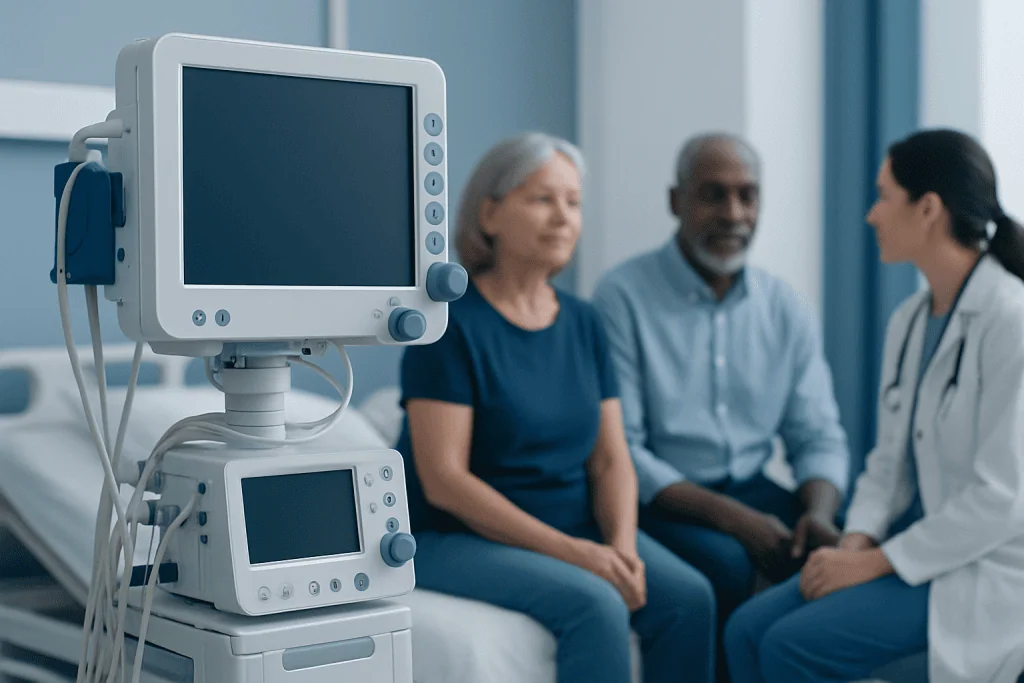
Paxlovid is authorized or approved in different ways depending on the country, but it is generally used for people with mild to moderate COVID-19 who are at increased risk of progressing to severe disease. It is not intended as routine treatment for every person who has a positive test.
Risk can increase with older age, especially in older adults, as well as certain medical conditions or immune suppression. Examples may include chronic lung disease, heart disease, diabetes, kidney disease, cancer, significant obesity, or medicines and conditions that weaken the immune system. Risk is individual: a clinician considers the person’s age, vaccination history, overall health, and the current illness.
The medicine is most useful when started early. In many settings, it should be started within five days of symptom onset. People who test positive and believe they may be at higher risk should contact a healthcare professional promptly rather than waiting to see whether symptoms worsen.
Paxlovid is not a replacement for vaccination, staying home when acutely ill, or other public-health measures recommended locally. Vaccination remains an important way to reduce the risk of severe COVID-19, including for people who could be eligible for antiviral treatment.
Why a Prescription and Medication Review Are Needed

The main reason Paxlovid is not sold over the counter is that ritonavir affects enzymes and transport systems that process many medicines. This can raise or lower the levels of other drugs in the body. In some cases, the interaction can be serious, so a clinician or pharmacist must review all current treatments before Paxlovid is prescribed.
People should provide a complete list of prescription medicines, over-the-counter products, vitamins, supplements, and herbal remedies. Particular attention may be needed for some heart rhythm medicines, blood thinners, anti-seizure medicines, cholesterol-lowering drugs, transplant medicines, sedatives, migraine medicines, and treatments for certain mental health conditions. A person should never stop or change a regular medicine on their own to take Paxlovid.
Kidney and liver health also matter. People with reduced kidney function may need a different regimen, while Paxlovid may not be appropriate for some people with severe kidney or liver impairment. A clinician may use recent health records, ask targeted questions, or arrange tests when needed to make a safe decision.
If Paxlovid is unsuitable, a clinician can discuss whether another COVID-19 treatment or supportive care is more appropriate. The best choice depends on symptom timing, individual risk, local availability, and medical history.
What a Doctor Will Check Before Prescribing
A clinician usually begins by confirming that the person has COVID-19 or has symptoms and testing consistent with COVID-19. They will ask when symptoms started, since early treatment is important. Common symptoms can include fever, sore throat, cough, fatigue, nasal congestion, headache, muscle aches, or changes in taste or smell, although symptoms vary between people.
The assessment also focuses on the likelihood of severe illness. The clinician may ask about age, pregnancy or breastfeeding, immune status, long-term health conditions, previous COVID-19 infections, vaccination status, and current symptoms. They may check for signs suggesting pneumonia, dehydration, or another illness requiring a different approach.
A detailed medication and allergy review is central to safe prescribing. The clinician may consult a drug-interaction resource, coordinate with another specialist, or recommend a temporary adjustment to a medicine when it is medically safe. In other situations, they may advise against Paxlovid and select an alternative.
Testing is not always extensive, but recent kidney or liver test results can be helpful for some people. If symptoms or examination findings raise concern, additional assessment may be needed. This individualized process helps ensure that the expected benefit outweighs possible risks.
How Paxlovid Is Taken and What to Expect
Paxlovid is taken by mouth as a short course, following the exact directions on the prescription label. It should be started promptly once prescribed and should not be shared with another person. Even when symptoms are mild, people should follow current local guidance on reducing the chance of spreading COVID-19 to others.
Possible side effects can include an altered or bitter taste, diarrhea, nausea, headache, or increased blood pressure. Many side effects are manageable, but a person should contact the prescribing clinician or pharmacist if symptoms are troublesome, if they are unsure how to take the medicine, or if they develop a possible reaction.
Some people feel better and then develop returning symptoms or a new positive test after completing treatment. This is sometimes called COVID-19 rebound. It can occur with or without antiviral treatment and is usually mild, but a clinician can advise on isolation precautions, symptom monitoring, and whether further care is needed. A second course should not be taken unless specifically advised by a healthcare professional.
Supportive care remains important during recovery. Rest, regular fluids, nutritious food as tolerated, and appropriate nonprescription symptom relief can help. People with COVID-19 who have breathing symptoms should also be aware of possible complications, including COVID-19, and seek clinical advice if their condition is not improving as expected.
When to Seek Medical Care
People at higher risk of severe COVID-19 should seek medical advice soon after a positive test or the start of compatible symptoms, ideally on the same day. Early contact creates time for a clinician to review whether Paxlovid or another antiviral option is appropriate within the treatment window.
Urgent medical evaluation is needed for warning signs such as trouble breathing, persistent pain or pressure in the chest, new confusion, inability to stay awake, fainting, severe weakness, or blue- or gray-colored lips, face, or nail beds. These signs can indicate that COVID-19 or another condition needs prompt assessment. Local emergency services should be contacted for severe or rapidly worsening symptoms.
People should also contact a clinician if fever or cough worsens after initial improvement, they cannot keep fluids down, they have signs of dehydration, or they have concerning symptoms related to a chronic condition. Individuals with asthma, chronic obstructive pulmonary disease, heart disease, or immune suppression may need more tailored advice.
Acibadem International’s multidisciplinary specialists and JCI-accredited hospitals can assess COVID-19-related concerns and treatment suitability for international patients. Medical care should be based on an individual evaluation rather than self-treatment with medicines obtained without professional guidance.
Practical Steps After a Positive COVID-19 Test
After a positive COVID-19 test, noting the first day of symptoms is useful because antiviral eligibility depends on timing. The person should make a list of all medicines and supplements, including occasional medicines, and contact a clinician promptly if they are older, have a chronic condition, are immunocompromised, or are uncertain about their level of risk.
Until advice is received, they should rest, drink fluids regularly, and monitor symptoms. They should follow local recommendations on staying home, masking, and protecting household members, particularly those at higher risk. A pulse oximeter may be useful for some individuals when recommended by a clinician, but its readings should be interpreted alongside symptoms rather than used as the only guide.
It is important to avoid buying purported Paxlovid from unverified online sellers or using another person’s prescription. Counterfeit, expired, or inappropriate medicines can be harmful, and missed interactions may be dangerous. A licensed clinician and pharmacist can help determine whether a legitimate prescription treatment is safe and suitable.
Frequently asked questions
Can you buy Paxlovid at a pharmacy without a prescription?
No. Paxlovid is a prescription medicine and cannot be purchased as an over-the-counter product. A clinician must determine whether it is appropriate and review potential interactions with other medicines.
How quickly should someone ask about Paxlovid after COVID-19 symptoms start?
A person who may be at higher risk of severe COVID-19 should contact a healthcare professional as soon as possible after symptoms begin or after a positive test. Paxlovid generally needs to be started within five days of symptom onset, so waiting may reduce treatment options.
Does everyone with COVID-19 need Paxlovid?
No. Many people with mild COVID-19 recover with supportive care and do not need antiviral treatment. Paxlovid is mainly considered for people with a greater likelihood of severe disease based on factors such as age, health conditions, and immune status.
Can Paxlovid interact with common medicines?
Yes. Paxlovid can interact with a wide range of medicines because of ritonavir. A person should give the prescriber or pharmacist a complete list of all prescription medicines, nonprescription products, and supplements before treatment starts.
What if a person has kidney disease or liver disease?
Kidney and liver function can affect whether Paxlovid is suitable and how it should be prescribed. A clinician may review existing test results, medical records, or arrange further assessment before recommending treatment.
What does COVID-19 rebound after Paxlovid mean?
Rebound describes symptoms returning or a test becoming positive again after initial improvement. It is usually mild and can occur with or without Paxlovid, but the person should contact a clinician for individualized guidance and follow local precautions to reduce spread.
This article is for general information only and is not a substitute for professional medical advice. Please consult a qualified doctor about your individual situation.
Explore treatments in Turkey — costs, top hospitals & a free quote
JCI-accredited · board-certified surgeons · reply within 24h
Add us as a Preferred Source to see more of our trusted health content across Google Search, AI Overviews and Discover.
Check your numbers in seconds
BMI, calories, due date, blood pressure and 30+ more clinical calculators — free, instant, doctor-reviewed ranges.

More from the Health Library

Front Squat vs Back Squat: Key Differences and How Doctors Tell Them Apart

Do Women Have Adam’s Apples? Here Is What the Evidence Says

Why Is My Pee Hot? Here Is What the Evidence Says

Is dandruff spreadable: Common Causes, Warning Signs, and When to Worry

Does Alcohol Thin Blood? A Doctor-Reviewed Answer