Ammonia Bleach Chemical Reaction: What Patients Need to Know

Never mix chlorine bleach with ammonia or products that may contain ammonia. The mixture can create chloramine gases, which commonly cause burning eyes, coughing, throat irritation, and shortness of breath.
Key Takeaways
- Never mix chlorine bleach with ammonia or products that may contain ammonia.
- The mixture can create chloramine gases, which commonly cause burning eyes, coughing, throat irritation, and shortness of breath.
- Leave the area promptly and get fresh air; do not try to neutralize the mixture with another cleaner.
- People with asthma, chronic lung disease, and children may be more sensitive to respiratory irritation.
- Urgent medical assessment is needed for breathing difficulty, chest tightness, severe eye pain, fainting, or symptoms that do not improve after leaving the exposure.
An ammonia bleach chemical reaction occurs when ammonia-containing products are mixed with chlorine bleach, producing chloramine gases that can irritate or injure the eyes, nose, throat, skin, and lungs. The safest response is to stop exposure immediately, move to fresh air if it is safe to do so, and contact emergency services or a poison center if symptoms are severe, persistent, or worsening.
Overview: Why Ammonia and Bleach Should Never Be Mixed
An ammonia bleach chemical reaction can happen when chlorine bleach is combined with ammonia, or with a cleaning product that contains ammonia. This mixture may release chloramine gases into the air. These gases can irritate the moist tissues of the eyes and airways and, at higher concentrations or with prolonged exposure, may cause more significant lung irritation.
Chlorine bleach is commonly used to disinfect surfaces, whiten laundry, and remove stains. Ammonia is present in some glass, bathroom, kitchen, floor, and multipurpose cleaners. Product names and scents can be misleading, so it is important to read ingredient labels rather than assuming that two household cleaners are safe to combine.
The reaction is preventable. Household cleaning products should be used one at a time, according to the label, in a well-ventilated space. If a surface has been cleaned with one product, it should be thoroughly rinsed with water and allowed to dry before another product is used.
What Happens During the Chemical Reaction
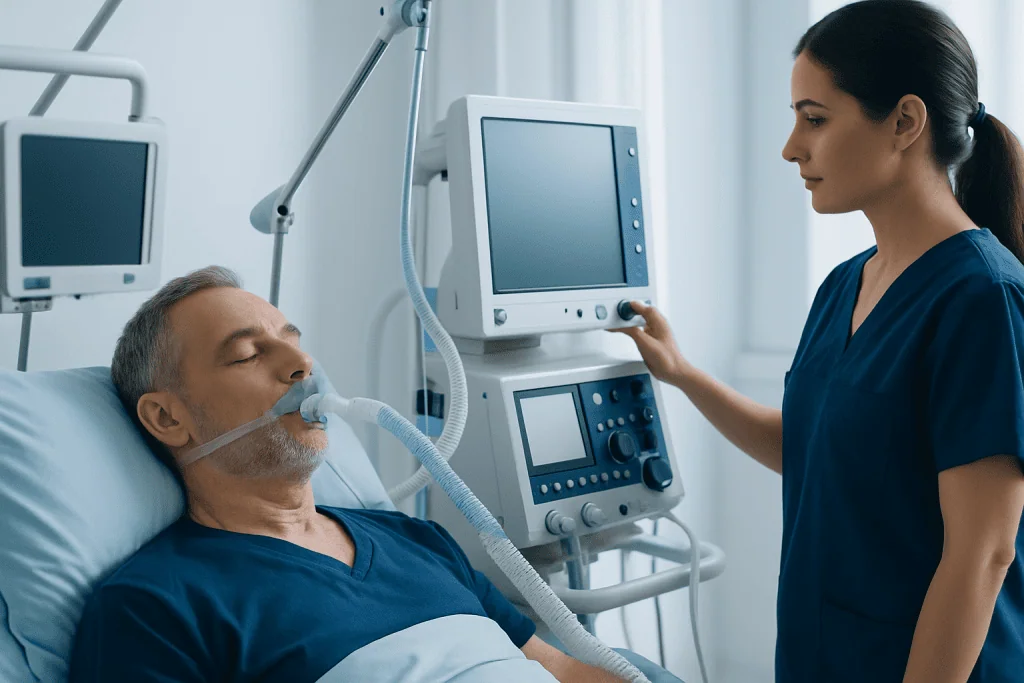
Bleach products generally contain sodium hypochlorite. When sodium hypochlorite comes into contact with ammonia, chemical reactions can form chloramine compounds, including gases that may collect quickly in small or poorly ventilated rooms. A strong, irritating odor may be noticeable, but odor intensity does not reliably show how hazardous an exposure is.
The eyes, nose, throat, and lungs are especially vulnerable because chloramine gases react with moisture on these surfaces. This can cause inflammation and irritation. The risk depends on the amount mixed, the size and ventilation of the room, how long a person remains nearby, and individual health factors.
It is also unsafe to mix bleach with other substances, especially acidic cleaners such as some toilet bowl, rust, limescale, or drain products. These combinations can create different irritating gases, including chlorine gas. The general safety rule is simple: bleach should never be mixed with any other cleaning product unless the manufacturer specifically instructs otherwise.
Possible Symptoms After Exposure
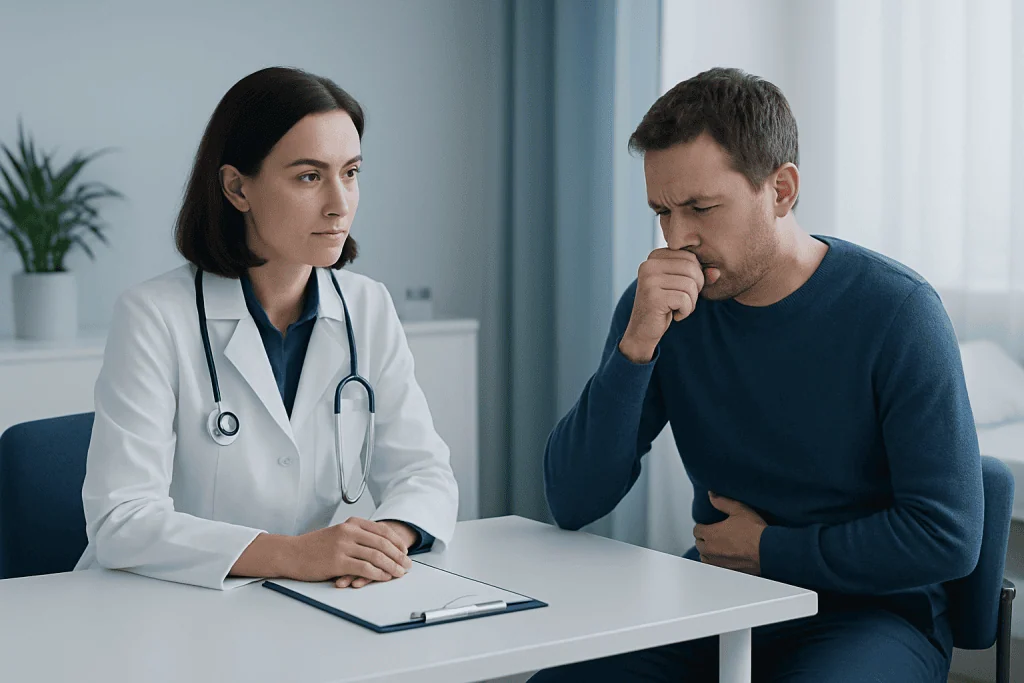
Symptoms may begin during exposure or shortly after it. Mild exposure often causes watery or burning eyes, a runny nose, throat irritation, coughing, nausea, headache, or a burning sensation in the nose or chest. Symptoms may improve after the person leaves the area and breathes fresh air.
More substantial exposure can cause persistent coughing, wheezing, chest tightness, shortness of breath, severe eye irritation, vomiting, dizziness, or marked weakness. Some people may notice symptoms more strongly if they have asthma, chronic obstructive pulmonary disease, other long-term lung conditions, or a history of chemical sensitivity.
Direct contact with a liquid cleaning mixture can also irritate or burn the skin and eyes. Eye exposure may cause redness, pain, tearing, blurred vision, or light sensitivity. Symptoms should not be ignored simply because the initial exposure was brief; respiratory irritation can occasionally worsen over the following hours.
- Children may be affected more quickly because their airways are smaller and they breathe more rapidly.
- Older adults and people with heart or lung conditions may have less reserve if breathing becomes difficult.
- Pets should also be moved away from the area, as they can be affected by airborne cleaning chemicals.
What to Do Immediately After Mixing Ammonia and Bleach
If ammonia and bleach have been mixed, the priority is to stop exposure. Leave the room immediately and bring other people and pets away from the area. If it can be done without re-entering the contaminated space or breathing fumes, open windows and doors to increase ventilation. Do not remain indoors to clean up the mixture or to check whether the odor has gone away.
Do not add vinegar, another cleaner, fragrance product, or any substance in an attempt to neutralize the mixture. Adding another chemical may create additional harmful fumes. Do not use a vacuum cleaner, as this can spread vapors or particles. Once the area has aired out, guidance from local emergency services, a poison center, or the product manufacturer can help determine safe next steps.
If fumes affected the eyes, rinse them with clean, lukewarm running water for at least 15 minutes, removing contact lenses if they come out easily. For skin contact, remove contaminated clothing and rinse the skin thoroughly with water. A person who has inhaled fumes should rest in fresh air and avoid smoking, exercise, or further exposure to cleaning products until symptoms have settled.
How Healthcare Professionals Assess and Treat Exposure
Healthcare professionals assess chemical inhalation exposure by asking what products were involved, when the exposure occurred, how long it lasted, and which symptoms developed. They check breathing rate, oxygen levels, heart rate, and the lungs. People with significant symptoms may need observation because airway inflammation can evolve after the initial event.
Treatment focuses on supportive care. This may include oxygen, medicines to relieve wheezing when clinically appropriate, eye irrigation, pain relief, or monitoring in an emergency setting. There is no safe home antidote for inhaled chloramine gases, and antibiotics are not routinely needed unless a clinician identifies a separate infection.
Most mild household exposures improve with prompt removal from the fumes and fresh air. However, a clinician may recommend further assessment for persistent cough, wheeze, chest discomfort, or breathlessness. Patients with ongoing respiratory symptoms can also be evaluated for related lung conditions, including asthma, which may make irritant exposure harder to tolerate.
Prevention and Safer Cleaning Habits
Preventing an ammonia bleach chemical reaction starts with using one cleaning product at a time. Read the entire product label, including warnings and directions for dilution. Never combine products in a spray bottle, bucket, toilet bowl, sink, washing machine, or drain, even if each product is considered safe when used alone.
Cleaning should be done with open windows, ventilation fans, or other airflow where possible. Bleach should be diluted only as directed on its label. It should be stored in its original container, away from food, medicines, and the reach of children and pets. Never transfer cleaners into unlabelled containers or beverage bottles.
For routine household cleaning, soap and water may be sufficient for many surfaces. When disinfection is needed, choose a single appropriate product and allow it to remain on the surface for the contact time listed on the label. Gloves can help protect the skin, but they do not make it safe to use incompatible chemicals together.
Acibadem International’s multidisciplinary specialists and JCI-accredited hospitals can assess and treat chemical exposure-related symptoms for international patients when medical care is needed.
When to Seek Medical Care
Emergency medical care is needed immediately for severe shortness of breath, wheezing that does not settle, chest pain or tightness, bluish lips or face, confusion, collapse, severe dizziness, coughing up blood, or severe eye pain or vision changes. Call local emergency services rather than driving if the person is struggling to breathe, faint, or confused.
Contact a local poison center or healthcare professional promptly after a meaningful exposure, especially if the mixture was made in an enclosed room, if symptoms persist after fresh air, or if the person has asthma, chronic lung disease, heart disease, or is pregnant. Keep product containers or take clear photographs of labels when it is safe to do so; this can help clinicians identify the chemicals involved.
Medical review is also appropriate for cough, hoarseness, wheezing, headaches, nausea, or eye irritation that continues or returns after the exposure. Even when symptoms seem mild at first, a qualified clinician can advise whether monitoring or examination is appropriate based on the products used and the person’s health history.
Frequently asked questions
What happens if ammonia and bleach are mixed?
Mixing ammonia and chlorine bleach can produce chloramine gases. These gases can irritate the eyes, nose, throat, and lungs and may cause coughing, burning eyes, wheezing, chest tightness, or shortness of breath.
What should someone do after accidentally mixing bleach and ammonia?
They should leave the area immediately and move into fresh air, taking others and pets away from the fumes. They should not add another product to the mixture or return to clean it up until it has been safely ventilated and appropriate guidance has been obtained.
Can an ammonia bleach chemical reaction be fatal?
Severe exposure to irritating gases can be dangerous, particularly in enclosed spaces or for people with significant lung or heart disease. Most small household exposures improve after prompt removal from the area, but breathing difficulty, chest tightness, confusion, or collapse requires emergency care.
How long do symptoms from chloramine gas exposure last?
Mild irritation may improve within minutes to hours after moving to fresh air. Persistent or worsening cough, wheeze, breathlessness, chest discomfort, or eye symptoms should be assessed by a healthcare professional because airway inflammation can sometimes last longer.
Is it safe to mix bleach with vinegar or other cleaners?
No. Bleach should not be mixed with vinegar, toilet bowl cleaners, rust removers, drain cleaners, alcohol, ammonia, or other household products. Different combinations can release harmful gases or create corrosive substances.
Should a person rinse their eyes after exposure to cleaning fumes?
If the eyes burn, sting, tear excessively, or have been splashed, they should be rinsed gently with clean lukewarm running water for at least 15 minutes. Severe pain, persistent redness, blurred vision, or light sensitivity needs urgent medical assessment.
References
- Centers for Disease Control and Prevention
- American Association of Poison Control Centers
- National Capital Poison Center
- Agency for Toxic Substances and Disease Registry
- American Lung Association
This article is for general information only and is not a substitute for professional medical advice. Please consult a qualified doctor about your individual situation.
Explore treatments in Turkey — costs, top hospitals & a free quote
JCI-accredited · board-certified surgeons · reply within 24h
Add us as a Preferred Source to see more of our trusted health content across Google Search, AI Overviews and Discover.