

Returning Home with New Medical Restrictions: A Travel Planning Guide
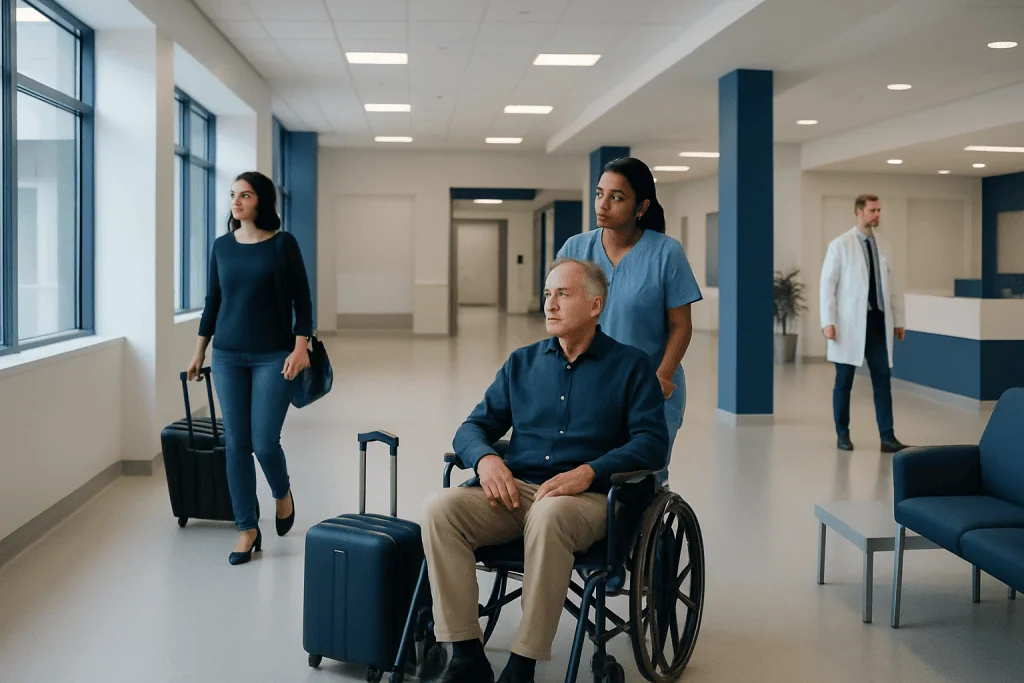
Returning home with medical restrictions: plan safe travel from Turkey with medical clearance, documents, medication and follow-up support.
Returning home after treatment may require more planning than your outward journey, especially if you have movement limits, medication needs, wound care or follow-up appointments. This guide helps you organize a safe, comfortable return from Turkey while staying connected with your care team.
At a glance
- Start planning: Discuss travel readiness before booking or changing flights
- Key documents: Carry your discharge summary, prescriptions and fit-to-fly advice if provided
- Flight support: Request wheelchair, mobility or medical assistance directly from your airline
- Medicines: Keep essential medicines in hand luggage in original packaging
- Follow-up: Confirm who to contact after you return home
Plan your journey around medical clearance
Your return date should be guided by your recovery and your treating clinician’s advice, not only by the original travel itinerary. Depending on your treatment, you may need to wait before flying, avoid prolonged sitting, limit lifting, arrange assistance, or stay close to care for a short period after discharge.
Before you confirm your journey, ask your care team whether you are ready for the type and length of travel you are planning. Tell them about connecting flights, long road transfers, stairs at home, travel companions and any mobility or personal-care support you may need. If your condition changes, such as increasing pain, fever, breathing difficulty, new swelling, bleeding or persistent vomiting, seek medical advice before travelling.
At Acibadem International, your international patient coordinator can help you understand the practical parts of the discharge plan and coordinate communication with the relevant hospital team. Medical clearance remains an individual clinical decision, so it is important to follow the instructions provided specifically for you.
Prepare the documents you may need on the way home
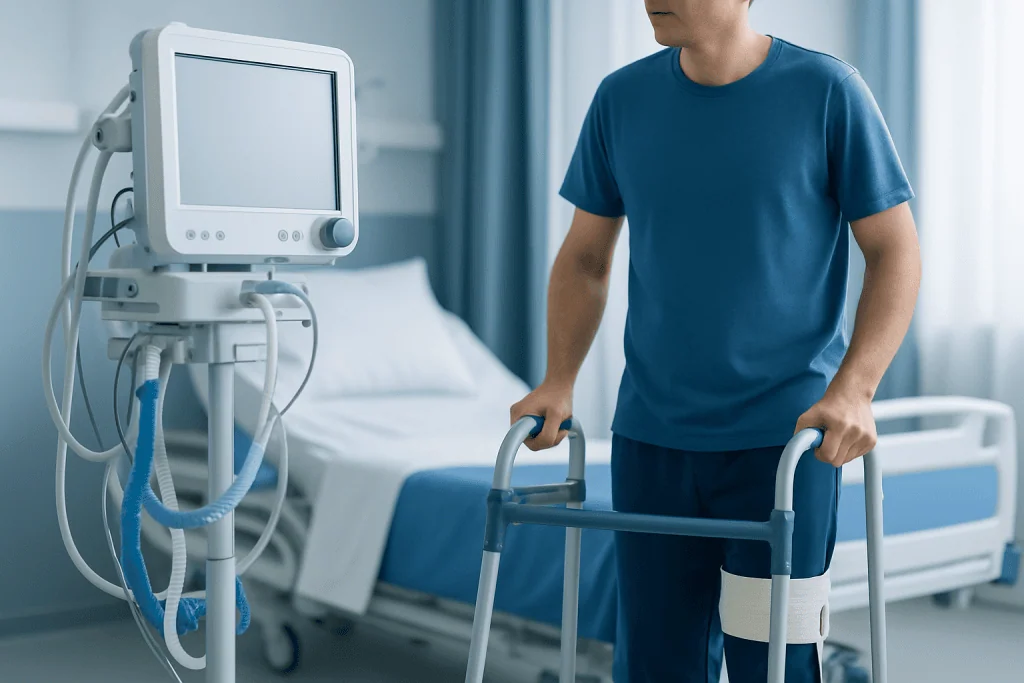
Keep your important health documents together in your hand luggage, not in checked baggage. Your discharge summary should explain the treatment or admission, current condition, prescribed medicines, recommended follow-up and relevant precautions. Ask for documents in English if this is useful for your doctor, insurer, airline or border authorities at home.
You may also need prescriptions, medical reports, imaging records, laboratory results, implant or device information, pathology reports where relevant, and a letter describing any support you require while travelling. Some airlines request a medical information form or fit-to-fly certificate for passengers with recent treatment, reduced mobility, oxygen needs or other specific requirements.
- Keep paper copies with you during the journey.
- Save secure digital copies on your phone or in a cloud folder you can access.
- Share copies with a trusted companion when appropriate.
- Check whether your insurer needs documents before or after you travel.
Arrange airline, airport and ground assistance early

Do not assume that airport assistance will be available automatically. Contact your airline as early as possible to request services such as wheelchair assistance, help between gates, priority boarding, seating with extra space where available, transport for mobility equipment, or assistance during connections. Airlines have their own notice periods, policies and medical documentation requirements.
Be clear about what you can and cannot do independently. For example, explain whether you can walk short distances, climb aircraft stairs, transfer from a wheelchair, carry bags, sit upright for the flight, or travel without a companion. Airport wheelchair assistance does not necessarily mean that staff can provide personal care, medication administration or continuous medical supervision.
Plan ground transfers as carefully as the flight. A larger vehicle, extra legroom, a car that is easier to enter, or a direct journey may make a meaningful difference. Acibadem International patient services can assist with practical travel and accommodation arrangements during your stay in Istanbul when these services are needed and available.
Travel with medicines, supplies and comfort in mind
Pack all essential medicines in your carry-on bag, ideally with extra doses in case of delay. Keep them in their original labelled containers and carry the prescription or a clinician’s letter, particularly for injectable medicines, controlled medicines, liquid medication or medical supplies. Check airline and destination-country rules before departure, as restrictions may differ.
Bring only the supplies your team has advised you to use, such as dressings, compression items, mobility aids or approved comfort supports. Keep these easy to reach. If you have instructions for wound care, injections, blood clot prevention, pain relief, hydration or movement breaks, review them before leaving the hospital and make sure your companion understands them if you are travelling with one.
A comfortable journey often depends on small details: loose clothing, easy-to-remove layers, supportive shoes, water after security, snacks that suit your dietary plan, a phone charger and a written list of emergency contacts. Avoid carrying heavy bags or making unplanned physical effort if this is restricted in your discharge advice.
Make long journeys safer and more manageable
Long periods of sitting can be uncomfortable after treatment and may be unsuitable for some patients. Follow the movement, stretching, hydration and compression guidance given by your treating team. If you are permitted to walk, allow extra time at the airport and take gentle, regular movement breaks rather than rushing through a connection.
Choose the simplest route you can reasonably manage. A direct flight may reduce fatigue and missed-connection stress, while a longer connection may be safer than a tight transfer if you need wheelchair support, rest, medication or help navigating a large airport. Consider staying near the airport before departure if an early transfer would be difficult.
During the journey, watch for symptoms that need prompt attention, including chest pain, shortness of breath, fainting, severe headache, uncontrolled pain, sudden one-sided leg swelling, confusion, heavy bleeding or a rapidly worsening wound concern. Tell cabin crew if you feel unwell in flight, and seek urgent medical care when you land if needed.
Set up follow-up care before you leave Turkey
Before discharge, ask what follow-up is needed, when it should happen and whether it can be arranged remotely or should take place with a clinician at home. Your care team may recommend a wound review, repeat tests, medication monitoring, rehabilitation, imaging, specialist consultation or a planned return visit. Write down the timing rather than relying on memory after a long journey.
Arrange a local doctor or specialist where possible before you travel, especially if ongoing wound care, prescription renewal, rehabilitation or monitoring will be required. Provide them with your discharge documents promptly and confirm how they prefer to receive records. Your home clinician may need time to review information before assuming ongoing care.
Acibadem International can help international patients coordinate post-treatment communication and access relevant records through the appropriate channels. Keep the contact details for your international patient coordinator and the clinical contact route supplied at discharge, including guidance on what to do if a concern develops after you return home.
Step by step
- Discuss travel readiness with your care team. Ask whether you are medically ready to travel and whether your planned transport, flight duration and connections are appropriate. Review any restrictions on flying, walking, sitting, lifting, eating, medication or wound care.
- Confirm your return itinerary. Choose the least demanding route available, allowing enough time for transfers and rest. If your travel date needs to change, check airline and insurance requirements before making final arrangements.
- Request airport and airline assistance. Contact the airline in advance to arrange wheelchair service, mobility equipment handling or other approved support. Confirm the request shortly before departure and arrive with extra time.
- Collect your discharge and medical records. Ask for your discharge summary, prescriptions, test results and any letters needed for travel. Keep copies in your carry-on bag and send digital copies to yourself or a trusted contact.
- Pack medicines and recovery essentials. Carry all essential medicines, supplies and a small amount of spare medication in hand luggage. Pack according to your care team’s instructions and do not place critical items in checked bags.
- Prepare your companion and home environment. If someone is travelling with you, explain the support you may need during the journey and when to seek help. At home, arrange practical basics such as food, transport, mobility support and a calm place to rest.
- Confirm your follow-up plan. Know the date and purpose of your next review, whether it is in person or remote. Save relevant contact details and arrange local care if your discharge plan requires it.
Your checklist
- Medical clearance or travel advice discussed with your treating team
- Flight and transfer itinerary checked for manageable connection times
- Wheelchair, mobility or airline assistance requested if needed
- Discharge summary, prescriptions and relevant reports packed in hand luggage
- Essential medicines packed in original labelled containers
- Travel insurance and airline medical requirements reviewed
- Companion briefed on your restrictions and emergency contact details
- Home transport and first-day support arranged
- Follow-up appointment and contact route confirmed
Key takeaways
- Your clinician’s travel advice should guide your return date and journey plan.
- Keep essential documents, medicines and supplies in your hand luggage.
- Request airline and airport assistance early, especially for mobility restrictions.
- Choose a lower-stress route with realistic connection and rest time.
- Leave Turkey with a clear plan for follow-up, local care and post-discharge contacts.
Frequently asked questions
When can I fly home after treatment in Turkey?
The right time depends on your treatment, recovery, current symptoms and flight length. Your treating clinician should advise you based on your individual circumstances. Do not rely on general timelines online or on your original booking alone.
Can Acibadem International help arrange my return travel?
International patient services can help with practical coordination during your stay, including relevant travel, accommodation and transfer support where available. Airline approval, medical clearance and any special assistance requirements remain subject to the relevant provider’s policies and your clinical needs.
Do I need a fit-to-fly letter?
Some airlines ask for medical information or a fit-to-fly letter after recent treatment or when a passenger needs specific support. Check directly with your airline well before departure. Your care team can advise which medical documents are appropriate for your situation.
Should I put medicines in checked luggage?
No, essential medicines should generally travel with you in hand luggage so they remain available during delays or if checked bags are misplaced. Keep them in original packaging and carry prescriptions or supporting documentation. Check rules for liquids, injections and controlled medicines before travelling.
What help can I request at the airport?
You may be able to request wheelchair assistance, support between gates, boarding help and transport for approved mobility equipment. The exact service varies by airport and airline. Ask what assistance includes, because it may not cover personal care or medical supervision.
What if I feel unwell during the flight home?
Tell cabin crew promptly if you develop concerning symptoms such as breathing difficulty, chest pain, fainting, severe pain or significant bleeding. Follow their instructions and seek urgent assessment after landing when advised. If you become unwell before departure, contact your care team or seek urgent care rather than boarding.
How do I continue follow-up once I am home?
Follow the schedule in your discharge plan and share your medical records with your local clinician or specialist. Some follow-up may be possible remotely, while other needs may require in-person review. Keep your Acibadem International contact details available if you need help understanding the records or coordinating appropriate communication.
Add us as a Preferred Source to see more of our trusted health content across Google Search, AI Overviews and Discover.
More Patient Guides

How to Prepare a Caregiver for Your Recovery at Home
Caregiver preparation for recovery at home helps you plan safe support, medicines, appointments and warning signs after treatment in Turkey.
8 min read
Remote Results Review After Returning Home: When to Book Your Next Check-In
Remote results review after treatment in Turkey helps you plan follow-up safely, understand results and know when to contact your care team.
8 min read
Compression Stockings for Travel After Treatment in Turkey
Compression stockings for travel after treatment in Turkey can support circulation, but use them only as advised by your care team.
8 min read