

Compression Stockings for Travel After Treatment in Turkey
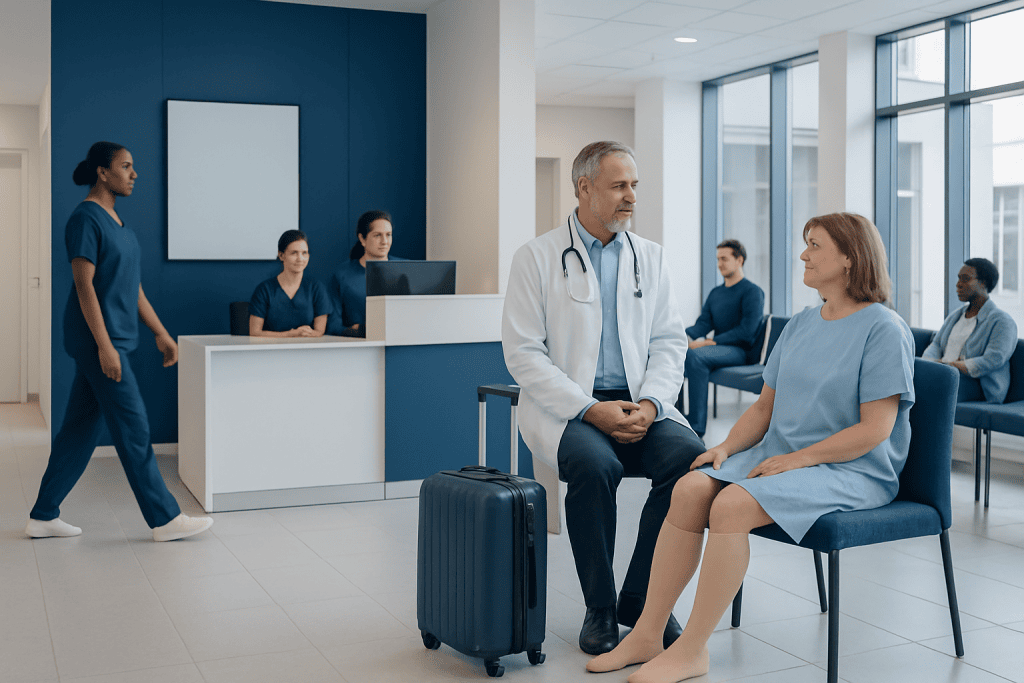
Compression stockings for travel after treatment in Turkey can support circulation, but use them only as advised by your care team.
If you are returning home after treatment in Turkey, compression stockings may be part of your travel plan to support circulation during a long journey. Your safest approach is to use the type, fit and wearing schedule recommended by your treating clinician, alongside regular movement, hydration and your personalised discharge advice.
At a glance
- Best time to ask: Before you leave the hospital or clinic
- Main purpose: Supporting leg circulation during travel
- Important distinction: Not every patient should wear them
- Long journeys: Move regularly and follow your travel plan
- When to seek help: New swelling, pain, breathlessness or chest pain
Why compression stockings may be discussed before your journey home
After treatment, especially when you have been less mobile than usual, your care team may discuss ways to support circulation while you travel. Compression stockings apply gentle, graduated pressure to the legs, usually firmer around the ankle and lighter higher up. They can be considered for some people taking a long car, train or plane journey after treatment in Turkey.
They are not a universal travel item and are not a substitute for your individual discharge plan. Whether they are appropriate depends on your treatment, recovery, mobility, medical history, circulation and any medication you are taking. Ask your treating clinician whether you need stockings, which type is suitable and how long you should wear them.
At Acibadem International, the international patient services team can help you make sure practical questions about your return journey are raised before discharge. Your clinician remains the right person to give medical advice, while the team can help coordinate interpreter support, written documents and communication with your companion.
Make sure the stockings are right for you
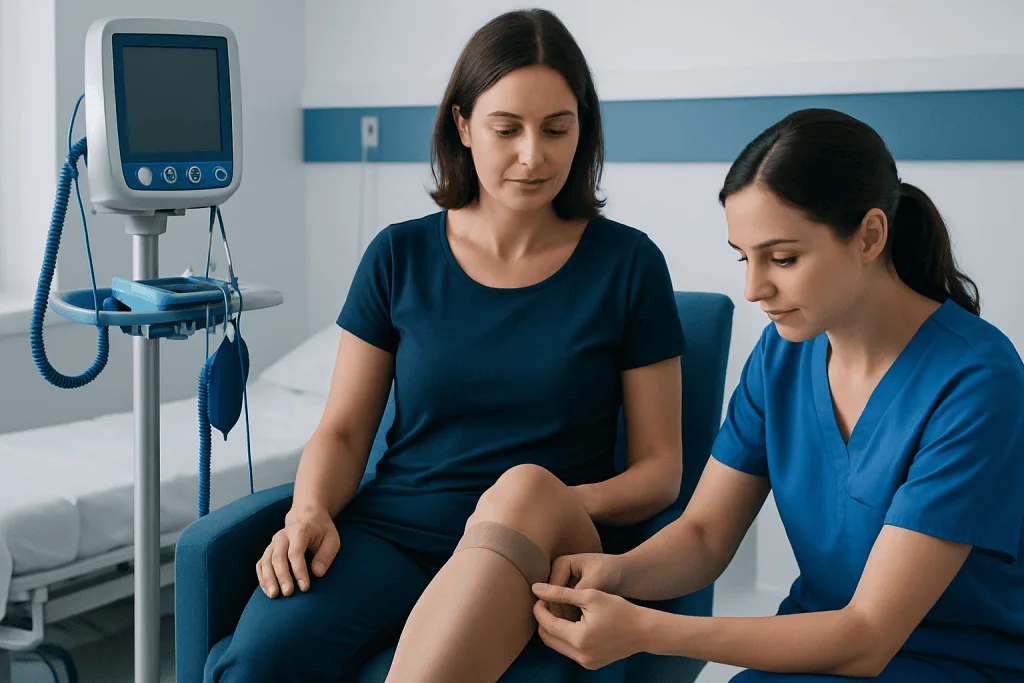
Travel stockings are often confused with medical compression garments. Products vary in pressure level, length, material and design, and a stronger garment is not automatically better. If your clinician recommends compression, use the specific type and level they advise rather than choosing based only on packaging or online reviews.
Correct sizing matters. Stockings that are too loose may provide little benefit, while stockings that are too tight, rolled down or bunched can cause discomfort and may interfere with circulation. Measurements are commonly taken around the ankle and calf, and sometimes leg length is also considered. If possible, arrange fitting while you are still in Turkey so you can ask questions and check that the garment feels comfortable.
Tell your team if you have known peripheral arterial disease, reduced feeling in your feet, severe leg swelling, skin infection, open wounds, fragile skin, heart failure, diabetes-related foot concerns or a previous reaction to compression garments. These factors do not always rule out compression, but they may change what is appropriate for you.
How to wear compression stockings during travel

Follow the schedule your care team gives you. In many cases, stockings are put on before the journey begins, ideally when your legs are least swollen, and removed according to the clinician’s instructions. If you have difficulty bending, reaching your feet or using your hands after treatment, ask a companion to assist or ask whether a stocking aid is suitable.
Put them on smoothly, without twisting the fabric. The heel should sit in the correct position, the material should lie flat, and the top should not be folded or rolled over. Do not tuck clothing tightly into the top band. If you notice numbness, tingling, unusual pain, cold or discoloured toes, or marked discomfort, remove the stocking if you have been told it is safe to do so and seek medical advice promptly.
Keep your discharge instructions in your hand luggage, along with a spare pair if recommended. Flights and airport transfers can take longer than expected, so plan for the full door-to-door journey rather than only the time in the air. Choose loose, comfortable clothing and shoes that can accommodate any mild swelling.
Compression is only one part of safer travel
Stockings work best as part of a broader plan. Your clinician may advise you to stand, stretch or walk at regular intervals when safe for your recovery. On a flight, an aisle seat can make this easier, but do not choose a seat or move around in a way that conflicts with mobility restrictions after your procedure.
When seated, gently move your ankles and feet if this is allowed: point and flex your feet, circle your ankles and avoid crossing your legs for long periods. Drink fluids regularly unless you have been given a fluid restriction. Limit alcohol, which can contribute to dehydration and may interact with medicines or impair your ability to notice symptoms.
Take all prescribed medicines exactly as instructed. Some patients receive medication to reduce clot risk; others do not need it. Never start, stop, skip or double a medicine because of travel advice found online. Your discharge plan should state what to take, when to take it and what to do if your travel timing changes.
- Allow extra time for airport walking, security and boarding.
- Use wheelchair or airport assistance if your team recommends it.
- Keep medicines, summaries and contact numbers in your cabin bag.
- Plan a rest period after arriving home rather than a demanding onward journey.
Know the warning signs that need urgent attention
Travel after treatment can involve normal tiredness, but do not dismiss new or worsening symptoms. Seek urgent medical assessment if you develop one-sided leg swelling, calf pain or tenderness, warmth, redness, sudden unexplained shortness of breath, chest pain, coughing blood, fainting, a fast heartbeat or severe dizziness. These symptoms can have different causes, but they need prompt evaluation.
Also contact your treating team or a local clinician if swelling becomes significantly worse, your stocking causes persistent marks, skin breakdown, rash or pain, or if you are unsure whether to continue wearing it. If you have an emergency while still in Turkey, use local emergency services or ask your hotel, airline or Acibadem International contact for practical assistance.
Before departure, make sure you know who to contact once you are home. Acibadem International can help facilitate follow-up communication and provide relevant records, but urgent symptoms should always be assessed through emergency services or an appropriate local medical provider without delay.
Prepare your return journey before leaving Turkey
Bring up travel plans early, ideally as soon as your discharge timing is being discussed. Your clinician may recommend a different departure date, a longer period of observation, a particular travel position, airport assistance, a companion, compression stockings or other precautions. Airline policies can differ, so confirm any fitness-to-fly documentation or special assistance requirements directly with your carrier.
Request a clear discharge summary in English, a current medication list, prescriptions where needed and guidance for follow-up at home. If you had a procedure, ask what activities to avoid during the journey, whether you may lift baggage, when you can shower or remove dressings, and which symptoms require urgent care. Keep these documents accessible rather than packed in checked luggage.
International patient coordinators can assist with practical arrangements such as interpreter support, transport planning, accommodation coordination and organising documentation. This can be particularly helpful when you are recovering, travelling with a companion or managing a complex itinerary through Istanbul.
Step by step
- Discuss travel timing with your treating clinician. Ask when it is medically appropriate for you to travel and whether your planned flight or road journey needs adjustment. Share the expected duration of the trip, connections, transfers and whether you will travel alone.
- Confirm whether compression is recommended. Ask whether you should use compression stockings, what pressure level and length are suitable, and when to put them on and remove them. Do not assume that an over-the-counter travel sock is appropriate for your recovery.
- Arrange fitting and practise using them. If stockings are recommended, have them measured or checked by an appropriate professional where possible. Practise putting them on before travel, particularly if your movement is limited or you will need help from a companion.
- Build a door-to-door movement plan. Plan for transport to the airport, waiting areas, the flight, baggage collection and the journey from your arrival airport. Include safe opportunities to walk or perform seated ankle movements in line with your clinician's advice.
- Pack documents and medication in your hand luggage. Keep your discharge summary, prescriptions, medication list, clinician contact details and travel documents together. Carry enough medication for delays and keep it in original packaging when possible.
- Use airport support if needed. Arrange wheelchair, buggy or special assistance in advance if walking long distances may affect your recovery. Assistance can reduce unnecessary exertion while still allowing you to follow approved movement advice.
- Monitor yourself during and after the journey. Pay attention to new leg symptoms, worsening swelling, breathing changes or chest discomfort. Seek urgent help for concerning symptoms rather than waiting until you reach home or until a planned follow-up appointment.
Your checklist
- Ask your clinician if compression stockings are appropriate for your specific recovery.
- Confirm the recommended size, pressure level, length and wearing schedule.
- Pack a spare pair of stockings if your team advises this.
- Keep your discharge summary and medication list in your cabin bag.
- Arrange airline or airport assistance if mobility is limited.
- Wear loose clothing and comfortable footwear for the full journey.
- Plan safe movement breaks and seated ankle exercises if approved.
- Carry enough prescribed medication for travel delays.
- Save emergency contacts and follow-up details before departure.
Key takeaways
- Use compression stockings only if your treating clinician recommends them for you.
- Proper fit and correct use are as important as the stocking itself.
- Movement, hydration, medication adherence and airport support may all be part of your travel plan.
- Keep discharge documents and medicines in hand luggage throughout your journey.
- Urgent symptoms such as one-sided leg swelling, chest pain or breathlessness need prompt medical assessment.
Frequently asked questions
Do I need compression stockings for my flight home after treatment in Turkey?
Not necessarily. The decision depends on your treatment, mobility, personal health history, travel duration and recovery status. Ask your treating clinician before buying or wearing any compression garment, as they can advise whether it is suitable and what type to use.
When should I put on travel compression stockings?
Follow the schedule provided by your clinician. If they recommend wearing them for travel, they may advise putting them on before your journey begins, when your legs are less swollen. Do not wear them longer than advised or continue them if you develop concerning symptoms without seeking medical guidance.
Can I wear compression stockings overnight on the plane?
This depends on the reason they were recommended and your individual instructions. Some people may be advised to wear them throughout a long journey, while others may need a different schedule. Confirm this before discharge rather than relying on general travel guidance.
What if the stockings feel painful or make my toes numb?
Pain, numbness, tingling, cold toes, colour changes or significant discomfort can mean the stockings are not fitting correctly or may not be suitable. Remove them if this is consistent with your clinician's instructions and seek prompt medical advice. Do not roll the top down or cut the garment to make it feel looser.
Are compression stockings enough to prevent blood clots while travelling?
No single measure can guarantee prevention of a blood clot. Your clinician may recommend a combination of safe movement, hydration, compression, medication or a change in travel timing based on your individual risk. Follow your personalised discharge plan closely.
Can Acibadem International help me organise my journey home?
Acibadem International patient services can help with practical coordination, including communication support, documents, transport planning and accommodation-related arrangements. Medical fitness to travel and compression recommendations should always come from your treating clinician. Ask your coordinator what support is available for your specific itinerary.
Which symptoms after travelling need emergency care?
Seek urgent medical care for sudden shortness of breath, chest pain, coughing blood, fainting, severe dizziness, or new one-sided leg swelling, warmth, redness or calf pain. These symptoms require prompt assessment even if you have been wearing compression stockings. If you are unsure, it is safer to seek urgent medical advice.
Add us as a Preferred Source to see more of our trusted health content across Google Search, AI Overviews and Discover.
More Patient Guides
Returning Home with New Medical Restrictions: A Travel Planning Guide
Returning home with medical restrictions: plan safe travel from Turkey with medical clearance, documents, medication and follow-up support.
8 min read
How to Prepare a Caregiver for Your Recovery at Home
Caregiver preparation for recovery at home helps you plan safe support, medicines, appointments and warning signs after treatment in Turkey.
8 min read
Remote Results Review After Returning Home: When to Book Your Next Check-In
Remote results review after treatment in Turkey helps you plan follow-up safely, understand results and know when to contact your care team.
8 min read