

Breast Augmentation
Breast augmentation enhances breast size and shape using implants, tailored to body proportions and aesthetic goals. It is performed by plastic surgeons after detailed planning and medical evaluation.

Quick answer
Breast augmentation is cosmetic surgery that increases breast size and refines shape, usually by placing implants chosen to match the patient’s body proportions and aesthetic goals. At Acibadem in Turkey, plastic surgeons plan the procedure through medical evaluation and detailed consultation, then perform the operation using techniques selected for the individual anatomy and desired result.
Choosing Breast Augmentation With Confidence
Considering breast augmentation is often both an aesthetic decision and a deeply personal one. Many patients describe wanting clothing to fit more naturally, restoring volume after pregnancy or weight change, improving symmetry, or bringing their breast shape into better balance with the rest of the body. At the same time, it is normal to feel cautious. You may be wondering whether implants will look natural, how much discomfort to expect, whether you will be able to breastfeed or have mammograms in the future, and how to choose a surgeon you can trust if you are traveling abroad for care.
Breast augmentation can be a highly satisfying procedure when it is planned carefully and performed for the right reasons. The goal is not simply to make the breasts larger. A well-planned augmentation considers your chest width, breast tissue quality, skin elasticity, shoulder and hip proportions, lifestyle, posture, and personal sense of beauty. The result should feel intentional, proportionate, and compatible with your body rather than based on implant size alone.
For international patients, the decision includes additional questions: how the consultation will be handled, what tests are needed before surgery, how long to stay in Turkey, and what kind of follow-up is appropriate after returning home. At Acibadem, breast augmentation is approached as a medical procedure with aesthetic goals. Plastic surgeons evaluate anatomy, health history, expectations, and safety factors before recommending a personalized plan.
What Is Breast Augmentation?
Breast augmentation, also called augmentation mammoplasty, is a surgical procedure that increases breast volume and refines breast shape using implants. In some patients, it may also help improve mild asymmetry or restore upper breast fullness that has decreased after pregnancy, breastfeeding, aging, or significant weight loss.
The procedure usually involves placing breast implants either behind the breast tissue or partially under the chest muscle. The surgeon selects the implant type, size, shape, profile, and placement based on detailed measurements and the patient’s aesthetic preferences. The incision is typically placed in a location designed to be discreet, such as the natural fold under the breast, around the lower border of the areola, or in selected cases through the underarm.
Breast augmentation is different from a breast lift. Augmentation adds volume; a lift raises and reshapes breasts that have significant sagging. Some patients need both procedures to achieve the desired breast position and fullness. If the nipple sits low on the breast or points downward, an implant alone may not provide the intended result. During consultation, the surgeon assesses whether augmentation alone is appropriate or whether a combined augmentation and lift would be more anatomically suitable.
Modern breast augmentation emphasizes proportion, implant selection, soft-tissue support, and long-term planning. Implants are not lifetime devices. Many patients enjoy their results for many years, but revision surgery may be needed later because of natural aging, implant changes, capsular contracture, pregnancy-related changes, or a change in personal preference.
Who May Need Breast Augmentation?
Breast augmentation may be considered by adults who want to increase breast size, improve breast shape, restore lost volume, or address asymmetry. The best candidates are in good general health, have stable weight, do not smoke or are able to stop smoking as advised before and after surgery, and have realistic expectations about what implants can and cannot achieve.
Common reasons patients seek breast augmentation include naturally small breast volume, breasts that appear out of proportion with the hips or shoulders, loss of fullness after pregnancy or breastfeeding, changes after weight loss, developmental differences between the breasts, or a desire for more defined breast contours. Some patients are satisfied with their breast size in a bra but feel that their upper breast volume is reduced. Others feel that their breasts do not match their body frame or that asymmetry makes clothing and swimwear difficult to fit.
Diagnosis and planning begin with a medical consultation rather than a single implant-size choice. The plastic surgeon reviews your medical history, previous surgeries, medications, allergies, family history of breast disease, pregnancy plans, and expectations. A physical examination evaluates breast volume, skin quality, nipple position, chest wall shape, breast width, tissue thickness, and any asymmetry. Measurements help determine the implant dimensions that are anatomically appropriate for your body.
Depending on your age, risk factors, and medical history, breast imaging such as ultrasound or mammography may be recommended before surgery. This is especially important for patients with breast symptoms, a family history of breast cancer, previous breast procedures, or screening that is not up to date. Breast augmentation does not replace routine breast screening. After implants, mammograms can still be performed, but the imaging center should be informed that implants are present so specialized views can be used.
Patients may not be suitable candidates if they have an active infection, untreated breast abnormality, uncontrolled medical condition, pregnancy, current breastfeeding, or unrealistic expectations. Smoking, certain autoimmune or bleeding conditions, and a history of problematic scarring may require additional evaluation. The surgeon may advise postponing surgery until weight is stable, breastfeeding has ended, or a medical condition is better controlled.
Conditions and Indications Breast Augmentation Can Address
Breast augmentation is most commonly performed for aesthetic enhancement, but the indications are varied. It may address breast hypoplasia, which means naturally limited breast development, or volume loss after pregnancy and breastfeeding. It may also help improve upper pole fullness, create more balanced body proportions, and enhance projection in patients whose breasts are relatively flat or underdeveloped compared with their frame.
Breast augmentation may be useful for mild to moderate asymmetry when one breast is smaller than the other. In these cases, different implant sizes or profiles may be used, or augmentation may be combined with other techniques to improve balance. When asymmetry involves significant differences in nipple height, breast fold position, or skin envelope, additional procedures may be needed.
Some patients with tuberous or constricted breast shape may benefit from augmentation as part of a more complex correction. These breasts may have a narrow base, enlarged areola, high breast fold, or limited lower breast expansion. Treatment may involve implant placement along with internal tissue release or areolar reshaping, depending on the anatomy.
Breast augmentation can also be part of a broader post-pregnancy or post-weight-loss body contouring plan. It may be performed alone or combined with a breast lift when the skin has stretched and the breast has descended. In selected patients, augmentation is coordinated with other procedures, but combined surgery must be planned carefully to manage anesthesia time, recovery, and safety.
How Breast Augmentation Is Performed
The process begins with detailed preparation. Before traveling, international patients may share photographs, medical history, previous imaging, and relevant laboratory results for preliminary review. A final treatment plan is made after an in-person examination. The surgeon discusses implant options, incision location, implant placement, anesthesia, expected recovery, possible risks, and the likely appearance based on your anatomy. The aim is shared decision-making: your goals guide the plan, while medical judgment defines what is safe and proportionate.
Preoperative testing may include blood work, anesthesia evaluation, electrocardiogram when indicated, and breast imaging according to age and risk profile. You will receive instructions about medications and supplements that may increase bleeding risk, such as aspirin, certain anti-inflammatory drugs, and some herbal products. Smoking and nicotine products are typically stopped before and after surgery because they can impair healing. Patients are also advised to arrange help during the first days after the procedure and to plan enough time in Turkey for early follow-up.
Implant selection is one of the most important parts of planning. The surgeon evaluates implant width, projection, volume, shape, and surface characteristics. A larger implant is not always better; if an implant exceeds the capacity of the tissue envelope, it can increase the risk of thinning, visible edges, rippling, implant malposition, and a less natural appearance. The right implant is chosen by matching aesthetic preference with chest dimensions and soft-tissue coverage.
During surgery, breast augmentation is usually performed under general anesthesia. The procedure commonly takes about one to two hours, although the time may vary if additional techniques are needed. The surgeon makes the planned incision and creates a precise pocket for the implant. This pocket may be placed under the breast tissue, under the pectoral muscle, or in a dual-plane position where the upper part of the implant is covered by muscle and the lower part helps shape the breast. The choice depends on tissue thickness, breast shape, implant type, activity level, and desired contour.
Technology supports planning, precision, and patient safety. Digital imaging, standardized photography, and implant sizers may help patients understand possible proportions before surgery. Modern operating rooms use advanced anesthesia monitoring, sterile surgical techniques, and instruments designed for controlled tissue handling. Breast imaging tools may be used before surgery to evaluate tissue health when medically appropriate. The specific technologies used depend on the patient’s plan and hospital setting.
After implant placement, the surgeon checks symmetry, position, and breast shape while considering how the tissues will settle during healing. Incisions are closed in layers to support the skin and minimize tension. A surgical bra or supportive garment is placed. Drains are not always necessary, but they may be used in selected cases depending on the surgical plan.
Most patients spend a period of observation after surgery and may go home the same day or stay overnight, depending on medical factors and the care plan. International patients are given detailed instructions on wound care, sleeping position, activity limitations, medication use, and signs that should prompt medical attention. Follow-up visits are scheduled to check healing before travel home.
Early recovery usually involves tightness, swelling, pressure, and soreness across the chest. These symptoms are expected and gradually improve. Many patients return to desk-based work and light daily activities within about one week, although this varies. Exercise, lifting, swimming, and upper-body training are restricted for longer. Final breast shape develops gradually as swelling decreases and implants settle into position over weeks to months.
Why Timely Evaluation Matters
Breast augmentation is usually an elective procedure, so it should not feel rushed. However, timely evaluation is valuable because it helps identify the safest and most appropriate plan before a patient commits to surgery or travel. A detailed consultation can clarify whether augmentation alone is suitable, whether a lift is needed, or whether another approach would better address the concern.
Delaying medical evaluation can be more significant when a patient has breast symptoms such as a lump, nipple discharge, skin changes, persistent pain, or a new asymmetry. These signs should be assessed before any cosmetic procedure is considered. Screening and diagnostic imaging help ensure that aesthetic surgery does not distract from an underlying health issue.
Timely planning also matters for patients who have recently been pregnant, are breastfeeding, or have undergone weight loss. Breast size and skin quality can continue to change during these periods. Operating too soon may increase the likelihood that results will shift as the body stabilizes. In such cases, the most responsible recommendation may be to wait until breastfeeding has ended and weight has been stable for an appropriate period.
Patients with existing implants should seek prompt evaluation if they notice sudden swelling, breast hardness, implant displacement, persistent pain, redness, fever, or a change in breast shape. These symptoms may indicate complications such as infection, hematoma, capsular contracture, rupture, or fluid accumulation, and they should not be ignored.
Benefits of Breast Augmentation
When performed for appropriate candidates, breast augmentation can offer both aesthetic and practical benefits.
| Benefit | What It Means for You |
|---|---|
| Increased breast volume | Implants can add fullness and projection when breast size feels naturally small or has decreased after pregnancy, breastfeeding, aging, or weight loss. |
| Improved body proportion | A carefully selected implant can bring the breasts into better balance with the shoulders, waist, and hips while respecting your natural frame. |
| Enhanced breast shape | Augmentation can improve upper breast fullness and contour, especially when skin quality and nipple position are suitable for implants alone. |
| Better symmetry | Different implant sizes or tailored surgical techniques may reduce visible size differences between the breasts, although perfect symmetry is not realistic. |
| More clothing options | Many patients find that dresses, swimwear, and fitted clothing align more closely with their preferred silhouette after recovery. |
| Personalized aesthetic result | The plan can be adjusted toward a subtle, natural-looking enhancement or a more defined contour, depending on anatomy and preference. |
Breast Augmentation Recovery Timeline
Recovery varies by implant placement, individual healing, surgical technique, and whether additional procedures are performed, but most patients follow a general pattern.
| Time Period | What Patients Can Expect |
|---|---|
| Day 1 | Chest tightness, swelling, pressure, and soreness are common. Patients rest, wear a supportive bra, take prescribed medications, and walk gently to support circulation. |
| First Week | Discomfort usually improves. Light daily activity is encouraged, but lifting, driving until cleared, and upper-body exertion are restricted. A follow-up visit checks incision healing and implant position. |
| First Month | Swelling continues to decrease. Many patients return to work and normal social activities, while exercise is reintroduced gradually according to the surgeon’s instructions. |
| Two to Three Months | Implants begin to settle more naturally, scars mature, and the breasts feel softer. Most patients can resume a wider range of physical activity if healing is on track. |
| Longer Term | Final contour develops over several months. Routine breast screening should continue, and patients should have implants assessed if they notice changes in shape, firmness, or comfort. |
What Influences a Good Breast Augmentation Result?
A good result depends on more than implant volume. One of the most important factors is matching the implant to the patient’s anatomy. Breast width, tissue thickness, skin elasticity, nipple position, chest wall shape, and natural asymmetry all influence what will look balanced and heal well. An implant that is too wide or too heavy for the tissues may place stress on the skin and breast fold over time.
Soft-tissue coverage also matters. Patients with very thin breast tissue may be more likely to see or feel implant edges, particularly with larger implants. In these cases, placement under the muscle or a dual-plane technique may help provide additional coverage. Patients with thicker tissue may have more options. The surgeon’s role is to explain these trade-offs clearly so the chosen plan supports both appearance and longevity.
Skin quality and breast position determine whether augmentation alone is enough. If the breast has significant sagging, an implant may add volume but not adequately lift the nipple or reshape the lower breast. In some patients, placing an implant without addressing sagging can lead to a heavy or unnatural contour. A breast lift may be recommended when nipple position and skin laxity require it.
Implant choice influences outcome as well. Different implant profiles can create different degrees of projection. Shape and firmness affect the breast contour and feel. Surface characteristics and implant type are discussed with the surgeon, including what is known about benefits, limitations, and potential risks. Patients should understand that all implants require long-term awareness and may need replacement or revision in the future.
Surgical technique is another key factor. Precise pocket creation, careful control of bleeding, sterile handling, incision planning, and layered closure all affect recovery and the quality of the result. The position of the breast fold, the central alignment of the implant, and the relationship between implant and nipple are especially important for symmetry and natural appearance.
Patient factors also play an important role. Smoking, uncontrolled diabetes, certain medications, major weight fluctuations, and insufficient rest during recovery can increase complication risk. Following postoperative instructions is essential. This includes wearing the recommended support garment, avoiding early heavy lifting, attending follow-up visits, and contacting the care team promptly if unusual symptoms develop.
Realistic expectations are central to satisfaction. Breast augmentation can improve size, shape, and proportion, but it does not create perfect symmetry, stop natural aging, or prevent future breast changes related to pregnancy, weight shifts, or hormones. Patients who understand these realities are usually better prepared for surgery and recovery.
Possible risks should be discussed in detail before consent. These may include bleeding, infection, changes in nipple or breast sensation, unfavorable scarring, asymmetry, implant malposition, rippling, capsular contracture, implant rupture, fluid accumulation, and the need for revision surgery. Some patients report systemic symptoms they associate with breast implants; ongoing scientific discussion continues in this area. A rare lymphoma known as breast implant-associated anaplastic large cell lymphoma has been linked primarily with certain textured implants. Your surgeon should explain implant safety considerations and appropriate long-term monitoring.
Why International Patients Choose Acibadem for Breast Augmentation
International patients considering breast augmentation abroad often want more than a technically skilled operation. They need clear communication, careful evaluation, hospital-based safety standards, and coordinated support before, during, and after travel. Acibadem’s approach is designed around these needs while keeping the medical decision-making centered on the individual patient.
Breast augmentation at Acibadem is performed by plastic surgeons who evaluate both aesthetic goals and medical suitability. The consultation includes physical examination, proportion analysis, health review, and discussion of implant options. Treatment plans are individualized rather than based on a standard implant size or a single visual trend. When needed, patients may be referred for breast imaging, anesthesia assessment, or additional specialist input before surgery.
Acibadem hospitals are JCI-accredited, reflecting internationally recognized standards for patient safety, clinical processes, infection control, and quality improvement. For a surgical patient traveling from another country, this structure is important. It means the procedure is performed within a hospital environment with access to anesthesia teams, diagnostic services, postoperative monitoring, and medical support if an unexpected issue arises.
Multidisciplinary care is available when the patient’s situation requires it. For example, if a breast imaging concern is identified before cosmetic surgery, evaluation can be coordinated with breast specialists and radiology teams. If a patient has a complex medical history, anesthesia and relevant medical departments can contribute to the safety plan. This type of coordination helps ensure that aesthetic treatment does not occur in isolation from overall health.
Technology supports the process in practical ways. Standardized clinical photography, digital planning tools, breast imaging when indicated, modern anesthesia monitoring, and well-equipped operating rooms help the team plan and perform surgery with precision. These tools do not replace surgical judgment, but they improve assessment, communication, and intraoperative control.
For international patients, Acibadem International provides dedicated assistance in more than 20 languages. This may include appointment scheduling, medical record coordination, interpreter support, airport and hotel guidance, and communication with clinical teams. The purpose is to reduce logistical complexity so patients can focus on understanding their treatment and recovery instructions.
Travel planning is handled carefully. Patients are advised on how long to remain in Turkey after surgery, when follow-up visits are expected, when it may be safe to fly, and what symptoms should prompt urgent contact. Written instructions help patients continue recovery after returning home. If further communication is needed, the international patient team can help coordinate it with the relevant medical department.
Many patients also value the privacy and discretion of receiving care away from home, particularly for aesthetic procedures. At the same time, traveling for surgery requires responsibility. Patients should be medically stable, prepared to stay for early recovery, and willing to follow activity restrictions. The care team helps set expectations so the decision is informed rather than impulsive.
Taking the Next Step
Breast augmentation is a personal decision that deserves careful planning, honest discussion, and a surgical plan tailored to your body. The most appropriate result is not defined by a number of cubic centimeters or a photograph of someone else’s outcome. It is defined by proportion, safety, tissue quality, long-term thinking, and your own aesthetic goals.
If you are considering breast augmentation at Acibadem, you can request a consultation or second opinion to understand your options. Sharing your medical history, previous breast imaging if available, and photographs for preliminary review can help the team guide you on candidacy, travel timing, and the likely treatment approach before you make arrangements.
This information is general and is not a substitute for professional medical advice, diagnosis, or treatment. A qualified physician should evaluate your individual health status and goals before any surgical decision is made.
Preparation
- Before breast augmentation, the surgeon evaluates breast anatomy, skin quality, body proportions, and expectations. Implant type, size, incision location, and placement are planned individually. Patients may need blood tests, imaging if indicated, and instructions to stop smoking or adjust certain medications before surgery.
Aftercare
- After surgery, patients usually wear a supportive surgical bra and avoid heavy lifting or strenuous exercise for several weeks. Mild swelling, bruising, and tightness are expected and improve gradually. Follow-up visits help monitor healing, implant position, and scar care.
Turkey vs UK, Germany & USA
Breast augmentation costs and the overall patient experience can vary widely depending on the country, hospital setting, implant choice, surgeon expertise, and the services included in the treatment plan. A personalised assessment is needed to compare options safely and accurately.
The comparison below outlines common factors that may influence cost, planning, and patient experience for breast augmentation in different destinations.
| Factor | Turkey | UK | Germany | USA |
|---|---|---|---|---|
| Overall cost structure | Often offered as an international patient package, with hospital, surgeon, and logistics support coordinated together. | Usually priced through private clinics or hospitals, with separate consultation and facility fees possible. | Typically structured through private plastic surgery clinics or hospital departments, with detailed preoperative assessment. | Costs may vary significantly by city, surgeon reputation, facility type, and anaesthesia arrangements. |
| Hospital and surgeon factors | Plastic surgeon experience, hospital standards, implant brand, and whether surgery is performed in a JCI-accredited setting may affect the plan. | Surgeon registration, private hospital choice, implant selection, and aftercare model influence the final quote. | Specialist credentials, clinic infrastructure, implant selection, and medical documentation requirements can affect pricing and planning. | Board-certified surgeon expertise, surgical facility accreditation, location, and implant type are important cost drivers. |
| Accreditation and quality | International patients may choose hospitals with recognised quality systems such as JCI accreditation and multilingual care pathways. | Care is generally provided through regulated private healthcare settings, with quality depending on provider and facility. | Care is commonly delivered in highly regulated medical environments, with emphasis on documentation and specialist assessment. | Accreditation and quality indicators vary by facility; patients commonly review surgeon credentials and surgical centre standards. |
| Typical waiting and scheduling | International patient departments may help coordinate consultation, surgery date, accommodation, and transfers in advance. | Private treatment can be scheduled after consultation and cooling-off discussions, depending on surgeon availability. | Scheduling depends on clinic availability, preoperative testing, and travel coordination. | Availability varies widely by surgeon, region, and demand for cosmetic procedures. |
| Travel and language logistics | Commonly includes multilingual coordination, airport transfers, and assistance with hotel or hospital arrangements for international patients. | Convenient for local residents; international patients may need to arrange travel, accommodation, and follow-up independently. | International patients may require translation support and structured travel planning depending on the clinic. | Travel distances, accommodation, and local transport can add complexity for international patients. |
| What a package may include | Consultation, preoperative tests, surgery, implants, anaesthesia, hospital stay when needed, medical garments, transfers, and follow-up may be bundled. | Package contents vary; some items such as garments, tests, or follow-up visits may be itemised separately. | Packages may include consultation, surgery, implants, and follow-up, but inclusions differ by provider. | Quotes may be separated into surgeon, anaesthesia, facility, implant, medication, and follow-up components. |
What affects your final cost
- Implant type, implant brand, size, shape, and surface characteristics.
- Surgeon experience, hospital or clinic setting, and accreditation standards.
- Whether breast lift, asymmetry correction, or revision surgery is needed.
- Anaesthesia, preoperative tests, medical garments, medications, and follow-up care.
- Travel, accommodation, interpreter support, transfers, and length of stay.
- Your medical history, anatomy, tissue quality, and personalised surgical plan.
Compare your options
Breast augmentation can be planned in different ways depending on anatomy, tissue quality, aesthetic goals, and medical safety. Suitability for any option is decided by a specialist plastic surgeon after examination and planning.
| Option | What it is | Typical use | Key considerations |
|---|---|---|---|
| Silicone gel implants | Breast implants filled with cohesive silicone gel. | Commonly used when the goal is fuller volume and a natural-feeling contour. | Requires careful selection of size, shape, profile, and placement; long-term monitoring is recommended. |
| Saline implants | Implants filled with sterile saline solution after placement. | May be considered for patients who prefer this implant type or when specific surgical planning requires adjustable filling. | May feel different from silicone gel implants and can show rippling in patients with thinner tissue. |
| Round implants | Implants with a symmetrical round shape. | Often chosen for upper breast fullness and balanced volume enhancement. | Profile and size must match chest width, skin elasticity, and desired appearance. |
| Anatomical implants | Shaped implants designed to create a sloped breast contour. | May be used when a more subtle or tapered breast shape is preferred. | Precise pocket creation and implant positioning are important; rotation risk is discussed during consultation. |
| Fat transfer augmentation | Uses the patient’s own fat, collected by liposuction and transferred to the breast. | Considered for modest enhancement, contour refinement, or selected asymmetry correction. | Requires adequate donor fat; final volume can vary as the body heals. |
| Augmentation with breast lift | Combines implants with lifting and reshaping of breast tissue. | Used when volume loss is combined with breast sagging. | More complex planning, scar placement, and recovery expectations should be discussed with the surgeon. |
Trusted care for international patients
General information only — not medical or financial advice. Final costs depend on the factors above and your individual case; request a free, personalised quote.
Doctors Performing This Treatment

Prof. Dr. Bülent Saçak
Aesthetic Plastic & Reconstructive Surgery
Prof. Dr. Ersin Ülkür
Aesthetic Plastic & Reconstructive Surgery
Prof. Dr. Hakan Ağır
Aesthetic Plastic & Reconstructive Surgery
Prof. Dr. Mehmet Veli Karaaltın
Aesthetic Plastic & Reconstructive Surgery
Prof. Dr. Çiğdem Ünal Gülmeden
Aesthetic Plastic & Reconstructive Surgery
Assoc. Prof. Dr. Ahmet Küçükçelebi
Aesthetic Plastic & Reconstructive Surgery
Assoc. Prof. Dr. Mehmet Altiparmak
Aesthetic Plastic & Reconstructive Surgery
Assoc. Prof. Dr. Mehmet Sağır
Aesthetic Plastic & Reconstructive Surgery
Asst. Prof. Dr. Berkhan Yilmaz
Aesthetic Plastic & Reconstructive Surgery
Dr. Abdullah Etöz
Aesthetic Plastic & Reconstructive Surgery
Dr. Ayşe İrem İskenderoğlu
Aesthetic Plastic & Reconstructive Surgery
Dr. Burak Sercan Erçin
Aesthetic Plastic & Reconstructive Surgery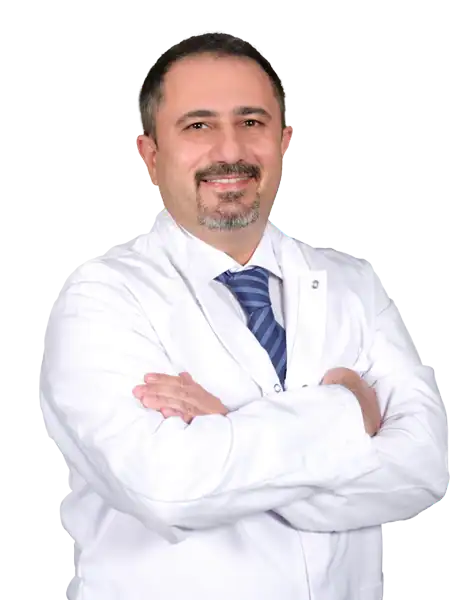
Dr. Cem Öz
Aesthetic Plastic & Reconstructive Surgery
Dr. Mahmut Özyilmaz
Aesthetic Plastic & Reconstructive Surgery
Dr. Mehmet Severcan
Aesthetic Plastic & Reconstructive Surgery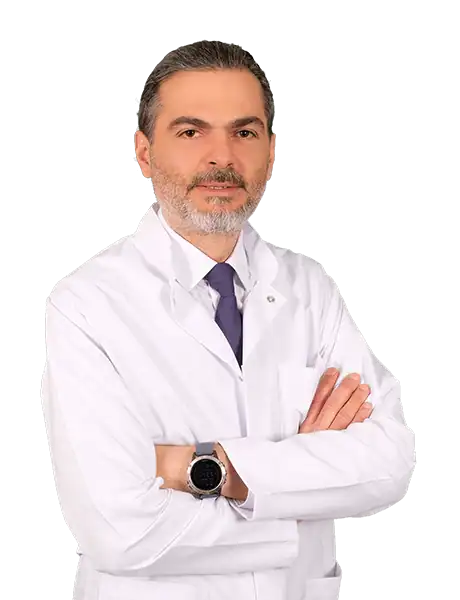
Dr. Mithat Ulay
Aesthetic Plastic & Reconstructive Surgery
Dr. Mutluhan Temizsoy
Aesthetic Plastic & Reconstructive Surgery
Dr. Münür Selçuk Kendir
Aesthetic Plastic & Reconstructive Surgery
Dr. Nargiz Ibrahimli
Aesthetic Plastic & Reconstructive Surgery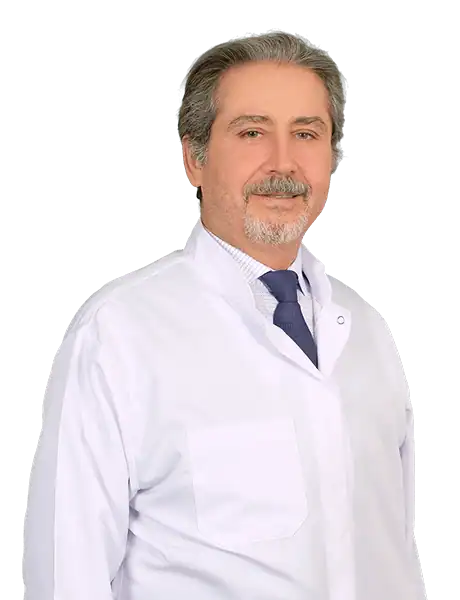
Dr. Nezail Demircler
Aesthetic Plastic & Reconstructive Surgery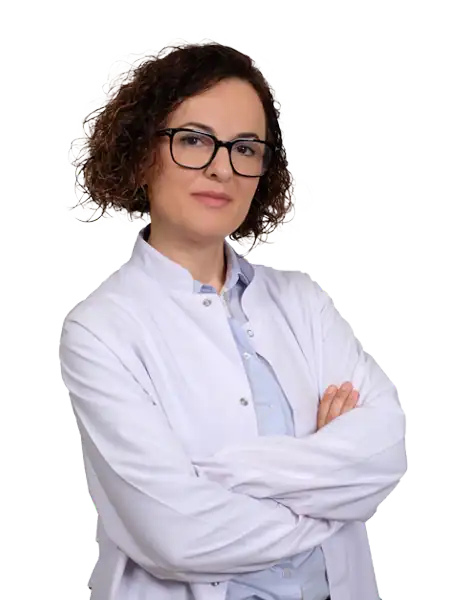
Dr. Nihal Üstün
Aesthetic Plastic & Reconstructive Surgery
Dr. Nuri Soysal
Aesthetic Plastic & Reconstructive Surgery
Dr. Okan Acıcbe
Aesthetic Plastic & Reconstructive Surgery
Dr. Serkan Tokgönül
Aesthetic Plastic & Reconstructive SurgeryMedical Units
Available at These Hospitals












Guides for This Treatment
Frequently Asked Questions
What affects the cost of breast augmentation?
Cost is influenced by implant type, surgeon experience, hospital setting, anaesthesia, preoperative tests, medical garments, aftercare, and whether additional procedures such as a breast lift or asymmetry correction are needed.
How can I get a personalised quote for breast augmentation in Turkey?
You can request a free consultation by sharing your medical history, current photos if appropriate, aesthetic goals, and any previous breast surgery details. A specialist team can then prepare a personalised treatment plan and quote.
Are implants, hospital care, and transfers usually included in a package?
Package inclusions vary by provider. For international patients, a package may include consultation, tests, surgery, implants, anaesthesia, hospital services, garments, transfers, and follow-up, but the exact inclusions should be confirmed in writing.
Does a higher-cost implant mean a better result?
Not necessarily. The best choice depends on anatomy, tissue quality, implant dimensions, surgical technique, and the patient’s goals. A plastic surgeon should recommend the most suitable option rather than the most expensive one.
Will travel and accommodation change my total cost?
Yes. Flights, hotel stay, local transport, companion travel, translation needs, and the recommended length of stay can affect the overall budget, even when the medical package is fixed.
Is this information a medical or financial recommendation?
No. This is general educational information. A personal consultation with a qualified specialist is needed to assess suitability, explain risks, and provide an accurate quote.