Tinea Capitis Treatment: Procedure, Recovery and Results
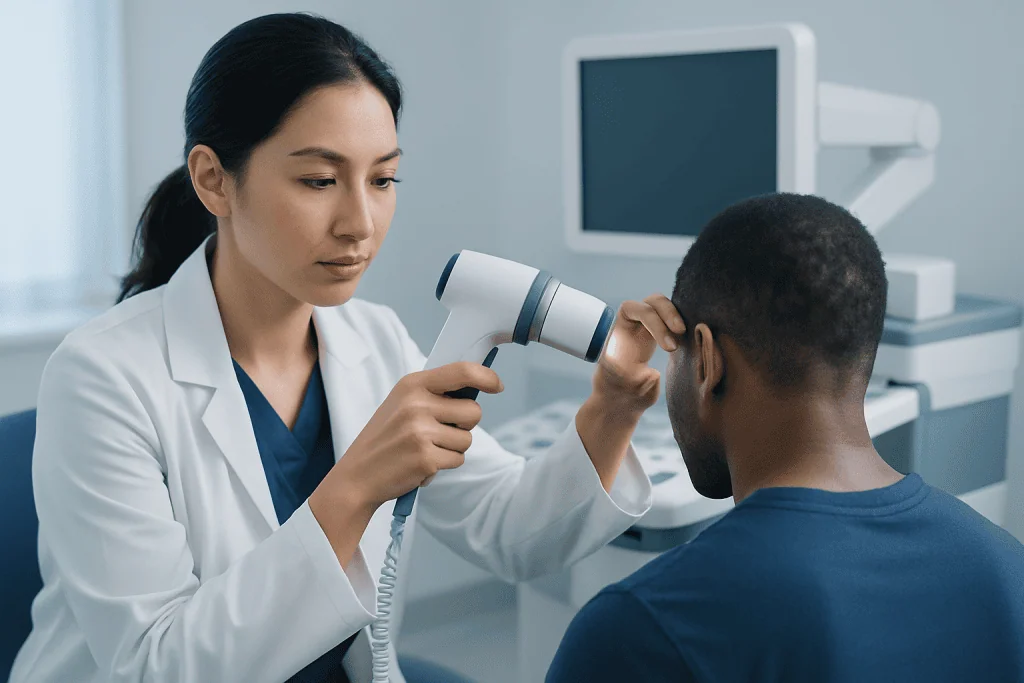
Tinea capitis usually requires an oral antifungal medicine because the fungus affects hair shafts and follicles. Medicated shampoo can reduce fungal spores and transmission but does not cure scalp ringworm by itself.
Key Takeaways
- Tinea capitis usually requires an oral antifungal medicine because the fungus affects hair shafts and follicles.
- Medicated shampoo can reduce fungal spores and transmission but does not cure scalp ringworm by itself.
- Treatment commonly lasts several weeks, and medicines should be taken for the full prescribed course.
- Hair usually regrows after successful treatment unless severe inflammation causes scalp scarring.
- Sharing combs, hats, towels and hair accessories can spread infection, so household precautions matter.
Tinea capitis is a fungal infection of the scalp that usually needs prescription oral antifungal medicine rather than creams alone. With timely treatment and measures to reduce spread, most people recover well and hair commonly grows back.
Tinea Capitis Treatment: What It Involves
Tinea capitis treatment usually involves a prescription oral antifungal medicine taken for several weeks, often alongside a medicated shampoo. This approach treats the fungus within the hair shaft and scalp follicles, while helping reduce spread to other people.
Tinea capitis, also called scalp ringworm, is a contagious infection caused by dermatophyte fungi. It is most common in children but can affect adults as well. Signs may include scalp scaling, itching, round patches of hair breakage or hair loss, black dots where hairs have broken near the scalp, and sometimes swollen lymph nodes in the neck.
This is not a surgical procedure. Most treatment guidelines recommend a systemic antifungal because creams, ointments and powders do not reliably reach the infected part of the hair. A clinician may also recommend selenium sulfide or ketoconazole shampoo as an additional measure, but shampoo alone is not considered a complete treatment.
Diagnosis and the Tinea Capitis Treatment Regimen
A clinician usually diagnoses tinea capitis by examining the scalp and hair. They may collect loose hairs or scalp scale for microscopy, fungal culture or another laboratory test. Testing can help confirm the diagnosis and identify the type of fungus, although culture results may take time.
Several conditions can resemble scalp ringworm, including dandruff, psoriasis, eczema, alopecia areata and bacterial scalp infections. Accurate diagnosis is important because treatment differs. A very tender, swollen or boggy area of scalp may be a kerion, which is an intense inflammatory reaction that requires prompt medical assessment.
The tinea capitis treatment regimen is selected according to factors such as the likely fungal species, age, body weight in children, other medicines and medical history. Common oral options include terbinafine and griseofulvin; other antifungals may be appropriate in selected situations. The prescriber will explain how to take the medicine, possible interactions and whether follow-up or laboratory monitoring is needed.
How Long Does It Take to Recover from Tinea Capitis?
Tinea capitis recovery time varies, but many treatment courses last about four to eight weeks. Some infections need a longer course, particularly when the responsible fungus is less responsive to the first medicine or when symptoms are severe.
Itching and scaling may begin to improve within the first one to two weeks. However, visible improvement does not necessarily mean the fungus has fully cleared. Stopping treatment early can allow the infection to return, so the prescribed medicine should be completed unless the treating clinician advises otherwise.
Recovery can take longer when there is marked inflammation, extensive hair breakage, delayed diagnosis or reinfection from a close contact or animal. A follow-up visit may be advised if symptoms remain, new patches appear, or the scalp has not clearly improved by the expected point in treatment.
Does Hair Regrow After Tinea Capitis Treatment?
Hair usually regrows after tinea capitis treatment once the fungal infection and inflammation have settled. The hair loss is often caused by breakage of infected hairs rather than permanent damage to the follicle, but regrowth may take several months to become noticeable.
Prompt treatment is particularly important when there is a kerion or significant swelling, tenderness, crusting or pus. Severe, prolonged inflammation can occasionally scar the scalp and lead to more lasting hair loss. Early medical care helps reduce this risk and supports the best chance of normal regrowth.
There is usually no need to shave the head. During recovery, gentle hair care is sensible: avoid tight hairstyles, harsh chemical treatments, excessive heat and picking at scale or scabs. A clinician can assess whether slow regrowth reflects normal healing or ongoing infection.
Is Tinea Capitis Hard to Get Rid Of?
Tinea capitis is usually treatable, but it can be difficult to clear if it is mistaken for another scalp condition or treated only with topical products. Because the fungus grows in the hair, an appropriate oral antifungal is generally needed to achieve a lasting result.
Persistent infection does not automatically mean that treatment has failed. The medication may need more time, the specific fungus may respond better to another medicine, or reinfection may be occurring through an infected household contact, shared hair items or a pet. Taking every dose as prescribed is also important for successful treatment.
Tinea capitis recurrence should be assessed by a clinician rather than treated with leftover medication. They may review the original diagnosis, consider repeat fungal testing, check for sources of reinfection and adjust the treatment plan if appropriate. Family members and close contacts may also need assessment if they have scalp symptoms.
How Long Is Tinea Capitis Contagious After Treatment?
There is no single universal number of days for how long tinea capitis remains contagious after treatment starts. The infection spreads through fungal spores on affected hairs and scalp scale, and transmission risk is highest before effective treatment begins.
Oral antifungal treatment and medicated shampoo usually reduce the number of spores promptly, but precautions should continue throughout treatment. Many schools and childcare settings permit return after effective treatment has started and the child feels well, but local policies may differ. A clinician can provide advice based on the individual situation.
Until the infection has cleared, people should avoid sharing combs, brushes, hats, helmets, pillows, towels, hair accessories and bedding. Cleaning or washing these items regularly can reduce spread. Close physical contact involving the scalp should also be limited where practical, especially with young children.
Preventing Spread and Tinea Capitis Recurrence
Tinea capitis can spread through direct scalp-to-scalp contact and through items that touch the hair. It may also be acquired from infected animals, particularly cats and dogs. The infection is not a sign of poor hygiene, but crowded settings, close contact and sharing hair-care items can make spread more likely.
Household members should be checked for itching, scale, hair breakage or patchy hair loss. A clinician may recommend medicated shampoo or evaluation for close contacts in some circumstances, especially if repeated infections occur. People without symptoms should not start oral antifungal treatment unless a qualified clinician recommends it.
To support recovery, take the oral medicine consistently, use any recommended shampoo as directed, and avoid relying on non-prescription antifungal cream alone. Pets with areas of hair loss or scaling should be evaluated by a veterinarian. These steps can help prevent tinea capitis recurrence and protect other household members.
When to Seek Medical Care
Medical assessment is recommended for patchy hair loss, persistent scalp scaling, itching, broken hairs or a rash that does not improve with routine dandruff care. Prompt care is especially important for a painful swollen area, pus, crusting, fever, rapidly worsening redness or tender neck glands, as these features may indicate a kerion or another infection needing treatment.
Anyone who is pregnant, has liver disease, takes regular medicines or has had a reaction to antifungal medicines should discuss this before starting treatment. A follow-up appointment is appropriate if symptoms do not improve, return after treatment, or if hair does not begin to recover as expected.
Frequently asked questions
Can tinea capitis be treated with antifungal cream alone?
Usually not. Tinea capitis affects the hair shafts and follicles, where topical creams do not reach adequately. An oral prescription antifungal is generally needed, while medicated shampoo may be used as an additional measure to reduce spores.
Can adults develop tinea capitis?
Yes, although tinea capitis is more common in children. Adults may be affected after close contact with an infected child, adult, animal or contaminated hair item. Adults with scalp scaling and patchy hair loss should seek assessment rather than assume it is dandruff.
What is a kerion?
A kerion is a marked inflammatory reaction to tinea capitis that can appear as a soft, swollen, tender and sometimes pus-filled area of scalp. It needs prompt medical evaluation because severe inflammation may increase the chance of scarring and long-term hair loss.
Does medicated shampoo cure scalp ringworm?
Medicated shampoo can help lower the amount of fungus on the scalp and reduce transmission to others. However, it does not reliably cure the infection within the hair follicles. It is typically used together with prescribed oral antifungal treatment.
Should family members and pets be checked for tinea capitis?
Household members with scalp itching, scale, broken hairs or hair loss should be assessed by a clinician. Pets with scaling or bald patches should be examined by a veterinarian, as some animals can carry dermatophyte fungi. Identifying possible sources can help prevent reinfection.
What should happen if tinea capitis is not improving with treatment?
The person should contact the prescribing clinician rather than stop or change medication independently. The clinician may review adherence, confirm the diagnosis, consider fungal testing, look for reinfection sources and decide whether the treatment plan needs adjustment.
References
- American Academy of Dermatology Association
- Centers for Disease Control and Prevention
- DermNet
- British Association of Dermatologists
This article is for general information only and is not a substitute for professional medical advice. Please consult a qualified doctor about your individual situation.
Hair transplant in Turkey — costs, graft counts & a free assessment
JCI-accredited · board-certified surgeons · reply within 24h
Add us as a Preferred Source to see more of our trusted health content across Google Search, AI Overviews and Discover.