Foot Brace: An Evidence-Based Patient Guide
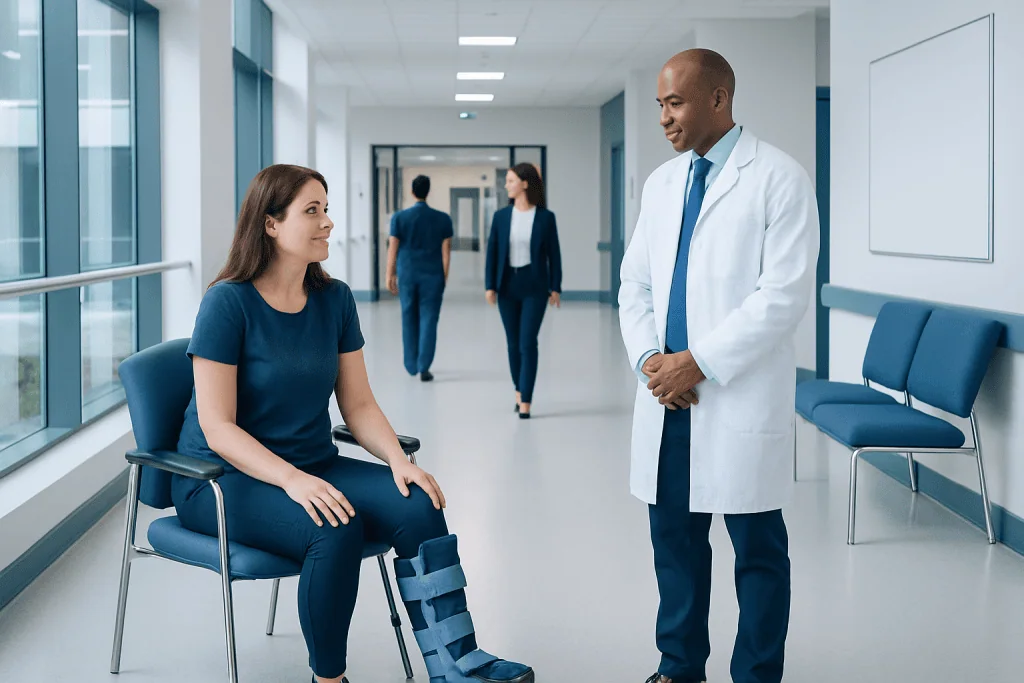
Foot braces range from soft supports and shoe inserts to ankle-foot orthoses designed for muscle weakness or foot drop. A brace should address a defined problem, such as instability, pain from overuse, altered alignment, or difficulty lifting the foot during walking.
Key Takeaways
- Foot braces range from soft supports and shoe inserts to ankle-foot orthoses designed for muscle weakness or foot drop.
- A brace should address a defined problem, such as instability, pain from overuse, altered alignment, or difficulty lifting the foot during walking.
- Proper fit is essential: pressure, numbness, rubbing, skin breakdown, or worsening pain require prompt adjustment and medical advice.
- Evidence supports bracing for selected conditions, but it is usually one part of a wider plan that may include rehabilitation, footwear changes, medication, or surgery.
- New weakness, a sudden foot deformity, inability to bear weight, or a wound in a person with diabetes needs timely medical assessment.
A foot brace is an external support worn in or around a shoe to help stabilize the foot and ankle, reduce strain, improve alignment, or make walking safer. The right design depends on the condition being treated, the person’s activity level, footwear, skin health, and whether weakness, pain, instability, or deformity is present.
Foot Brace Overview: What It Does and When It Helps
A foot brace is a broad term for a device that supports the foot, ankle, or both. It may be a soft strap, a lace-up ankle support, a rigid splint, an in-shoe orthosis, or an ankle-foot orthosis (AFO) that helps control foot position during walking. Its purpose is not simply to hold the foot still. A well-chosen brace can redistribute pressure, guide movement, reduce excessive motion, protect healing tissues, or compensate for muscle weakness.
Braces are used for many different concerns, including ankle instability, tendon problems, arthritis, certain foot deformities, recovery after injury, and foot drop caused by nerve or neurological conditions. A foot brace for balance may help some people feel steadier by improving ankle control, but it does not replace strength training, a walking aid when needed, or assessment of the cause of falls.
Brace evidence is strongest when the device is prescribed for a specific diagnosis and fitted to an individual’s needs. Some people benefit from an off-the-shelf support, while others need a custom-made device following assessment by an orthopedist, physical medicine and rehabilitation specialist, neurologist, podiatrist, physiotherapist, or orthotist.
How a Foot Brace Works
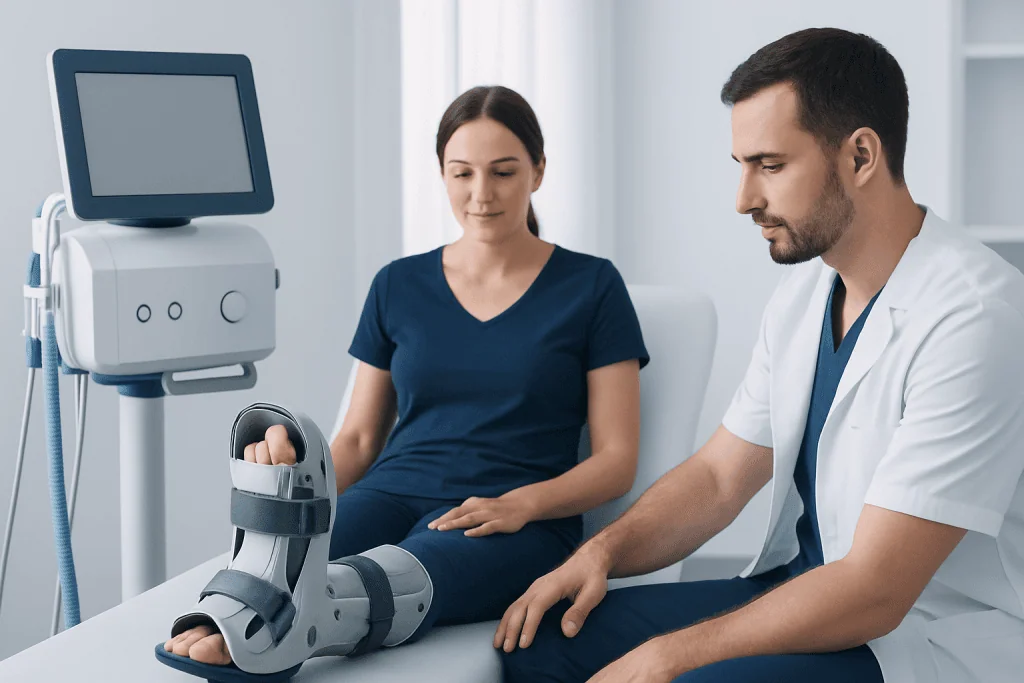
During walking, the foot and ankle must absorb force, remain stable as body weight moves forward, and then help push off. Pain, ligament injury, altered foot shape, reduced sensation, or weakness can disrupt this sequence. A foot brace changes the mechanical forces acting on the foot and ankle. Depending on its design, it may limit a painful movement, support an arch, keep the heel in a more stable position, or help prevent the toes from catching the ground.
An AFO is commonly used for foot drop, a pattern in which the front of the foot cannot be lifted normally. It holds the ankle and foot in a safer position during the swing phase of gait, helping reduce toe dragging and tripping. Some designs are rigid for maximum control, while others allow more ankle movement and may be better suited to people who retain useful muscle strength.
A foot brace pad, cushioning insole, or pressure-relieving insert can be added when localized pressure is contributing to discomfort. However, padding is not automatically safe for every person. People with diabetes, peripheral neuropathy, poor circulation, or reduced sensation need professional advice because an unnoticed pressure point can lead to skin injury.
Who May Be a Candidate for a Foot Brace?
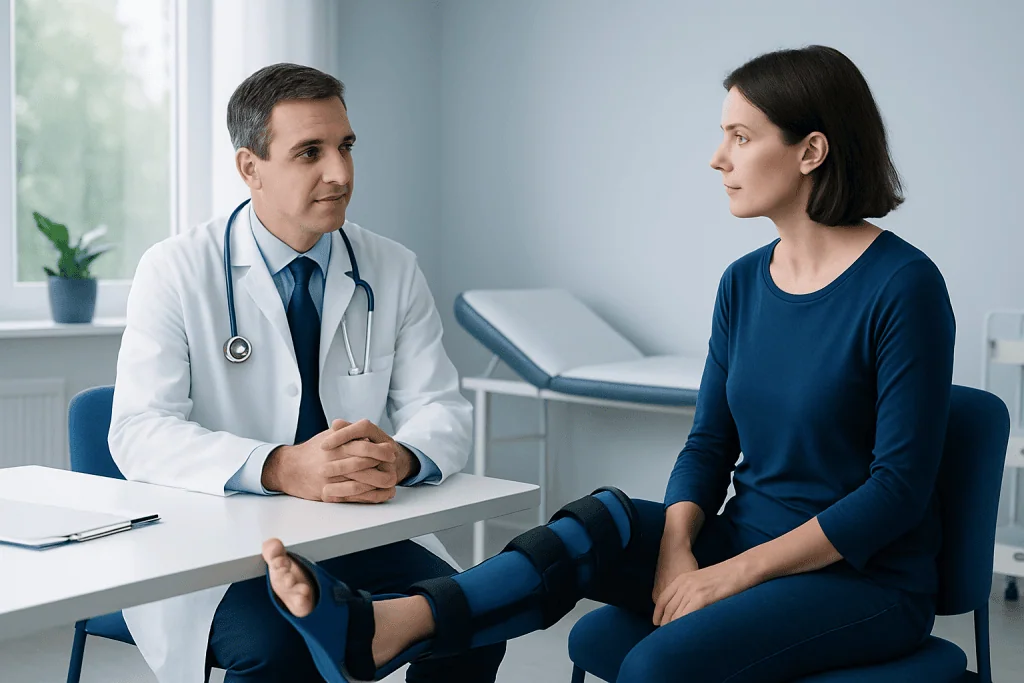
A clinician may recommend a foot brace when symptoms or examination findings suggest that extra support can improve function or protect vulnerable tissues. Candidates may include people with recurrent ankle sprains, tendon irritation, arthritis, mild-to-moderate instability, certain flatfoot or high-arched foot patterns, or weakness after a nerve injury, stroke, multiple sclerosis, or other neurological condition.
A foot brace for peripheral neuropathy requires particular care. Neuropathy can reduce protective sensation, meaning a person may not feel excessive rubbing, heat, or pressure from the brace. The device must fit accurately, be checked often, and usually be worn with suitable socks and footwear. If neuropathy is related to diabetes, regular foot checks and professional diabetic foot care are especially important.
A foot brace for accessory navicular may be considered when the extra bone on the inner side of the foot becomes painful or irritates the posterior tibial tendon. A supportive shoe, targeted orthosis, activity modification, and rehabilitation may be recommended before more invasive approaches. The best choice depends on the location of tenderness, foot alignment, imaging findings, and response to conservative treatment.
Bracing may not be appropriate as a stand-alone solution for severe deformity, marked swelling, an open wound, active infection, major circulation problems, or sudden unexplained weakness. These situations require medical evaluation before a device is selected.
How to Choose the Right Foot Brace?
The right foot brace begins with identifying the problem it is meant to solve. A soft ankle sleeve may be enough for mild support during activity, whereas a lace-up or semi-rigid brace can better limit side-to-side ankle movement after sprains. An in-shoe orthosis may help redistribute load or support the arch. An AFO is usually considered when weakness affects foot clearance or ankle control during walking.
Comfort alone is not a reliable guide. A brace should fit the shape of the foot and ankle, work with the person’s usual shoes, and allow safe walking. A clinician may assess gait, joint range of motion, strength, balance, skin condition, sensation, circulation, and the wear pattern of shoes. For an AFO, an orthotist can help select the correct height, stiffness, closure system, and footwear compatibility.
- Choose a device for a diagnosed or clearly assessed problem rather than a general promise of support.
- Bring the shoes usually worn for walking to the fitting appointment.
- Check whether the brace can be worn with a seamless, moisture-wicking sock.
- Ask how to inspect the skin, how long to wear the brace initially, and when it should be adjusted.
- Do not continue using a brace that causes blisters, numbness, discoloration, or increased pain.
Custom devices may be helpful when foot shape is unusual, deformity is significant, sensation is reduced, or an off-the-shelf brace does not control symptoms safely. The clinician should also review whether rehabilitation or treatment of the underlying condition is needed.
What Is the Best Drop Foot Brace for Walking?
There is no single best drop foot brace for walking because foot drop has different causes and levels of severity. The best AFO is one that provides enough toe clearance and ankle stability while preserving as much natural movement as is safe and comfortable. Selection should be based on walking assessment, leg strength, spasticity or stiffness, balance, footwear, skin sensation, and the person’s daily activities.
More flexible carbon-fiber or dynamic designs may suit selected people who have some remaining ankle control and want assistance with forward movement. More rigid plastic AFOs may offer greater stability for substantial weakness or knee and ankle instability. Hinged designs may be considered when controlled ankle motion is beneficial. A clinician should confirm that the brace improves walking without creating knee pain, excessive pressure, or an unsafe gait pattern.
Foot drop can result from compression or injury of the peroneal nerve, lumbar spine problems, stroke, or other neurological disorders. Because the cause affects treatment, new foot drop should be medically assessed rather than managed only with a brace. Rehabilitation may include gait training, strengthening where appropriate, balance work, and review of whether further neurological or orthopedic care is needed.
How to Properly Wear a Foot Brace?
Instructions vary by device, so the fitting clinician’s advice should take priority. In general, the skin should be clean and dry, and a smooth sock should be worn beneath braces designed to contact the skin. The heel should sit fully back in the brace before straps are secured. Straps should feel snug enough to prevent slipping but not tight enough to cause tingling, coldness, skin indentation, or color changes in the toes.
For many AFOs, the brace is placed in the shoe first, then the foot is guided into both brace and shoe together. A shoe with a removable insole, a wide opening, adjustable fastening, and enough depth may be needed. The person should walk in a safe area at first and check that the heel does not lift, the brace does not shift, and the toes do not catch.
New users are often advised to build wear time gradually, with regular skin checks after removing the brace. Mild redness that fades quickly can occur initially, but persistent redness, broken skin, swelling, pain, burning, or numbness should be reported. People with reduced sensation should inspect their feet daily, or ask a caregiver for help if they cannot see the soles and heels clearly.
When Should You Wear a Foot Brace?
A foot brace should be worn at the times recommended for the condition it is treating. Some braces are used only during sport, exercise, or longer walks. Others, particularly AFOs for foot drop, may be worn whenever the person is walking or standing because they improve foot clearance and stability. Wearing schedules should be individualized rather than copied from another person’s plan.
Braces are generally removed for bathing, skin inspection, and sleep unless a clinician has specifically advised otherwise. A night splint is different from a walking brace and is prescribed for selected problems. Wearing a daytime walking brace in bed can create unnecessary pressure and does not provide the same benefit.
Regular follow-up is valuable because needs can change over time. Weight change, reduced swelling after an injury, changes in strength, a new shoe style, or deterioration of the brace material can all affect fit. A brace should be cleaned according to its manufacturer’s instructions and reviewed if straps, padding, or the shell become worn or misshapen.
Benefits, Limitations, Risks and When to Seek Medical Care
Potential benefits of a foot brace include improved comfort, greater stability, reduced risk of ankle rolling, better toe clearance in foot drop, and more confidence during daily movement. It may allow a person to participate more comfortably in rehabilitation and everyday activities. However, a brace does not correct every underlying problem, and long-term use without reassessment may allow weakness, stiffness, or an abnormal walking pattern to persist in some situations.
Common problems are skin irritation, rubbing, sweating, pressure areas, difficulty fitting into shoes, and discomfort from an overly tight or poorly aligned device. Less commonly, a poorly fitted brace can worsen pain, contribute to sores, or alter walking mechanics. These risks are more important for people with diabetes, vascular disease, neuropathy, fragile skin, or impaired sensation.
Medical care should be sought promptly for new or rapidly worsening foot weakness, sudden inability to walk safely, severe pain after injury, a visibly deformed foot or ankle, marked swelling, a cold or discolored foot, an open sore, fever with redness, or signs of infection. A person with diabetes or peripheral neuropathy should contact a healthcare professional early for any blister, cut, or persistent red area.
Acibadem International’s multidisciplinary specialists and JCI-accredited hospitals can assess foot and ankle, neurological, and rehabilitation needs for international patients, helping determine whether bracing, therapy, or other treatment is appropriate.
Frequently asked questions
Can a foot brace help with balance?
A foot brace can improve ankle stability and foot positioning, which may help some people feel safer while standing or walking. It is most helpful when poor balance is partly related to ankle weakness, foot drop, pain, or instability. Balance problems can also have neurological, vision, medication, or inner-ear causes, so assessment is important if falls or dizziness are occurring.
Can a foot brace be worn with regular shoes?
Many foot braces can be worn with regular supportive shoes, but the shoe may need a wide opening, adjustable fastening, extra depth, or a removable insole. An AFO often requires a larger or deeper shoe than usual. Bringing usual walking shoes to a fitting appointment helps ensure that the brace and footwear work safely together.
Should a foot brace hurt?
A new brace can feel unfamiliar, but it should not cause significant pain, numbness, burning, blisters, or persistent redness. These symptoms may indicate that the brace is too tight, misplaced, worn out, or unsuitable for the foot shape. The brace should be removed and the fitting clinician contacted for advice.
Can a foot brace treat peripheral neuropathy?
A foot brace does not treat the nerve damage that causes peripheral neuropathy. It may support walking or improve stability when weakness is present, but careful fitting and daily skin inspection are essential because reduced sensation can hide pressure injuries. Treatment should also address the underlying cause of neuropathy and foot-protection needs.
How long does it take to get used to an AFO?
Adjustment time varies with the brace design, the underlying condition, and prior walking ability. Many people build up wearing time gradually over days or weeks while monitoring the skin and working with a rehabilitation professional. Persistent discomfort or difficulty walking should be reviewed rather than simply tolerated.
Do foot braces weaken the muscles?
A correctly prescribed brace is intended to improve safety and function, not to make muscles weak. However, a brace does not replace rehabilitation, and some people benefit from exercises to maintain flexibility, strength, and balance. The care team can advise whether the brace should be paired with physiotherapy and how often it should be reassessed.
References
- American Academy of Orthopaedic Surgeons
- American Orthotic and Prosthetic Association
- American Diabetes Association
- National Institute of Neurological Disorders and Stroke
- National Institute for Health and Care Excellence
This article is for general information only and is not a substitute for professional medical advice. Please consult a qualified doctor about your individual situation.
Explore treatments in Turkey — costs, top hospitals & a free quote
JCI-accredited · board-certified surgeons · reply within 24h
Add us as a Preferred Source to see more of our trusted health content across Google Search, AI Overviews and Discover.