Red Eye Treatment: How It Works, Results and What to Expect

Redness is a sign, not a diagnosis; the safest treatment depends on what is irritating or inflaming the eye. Dry eye, allergies and minor irritation often improve within days, while infections and inflammatory conditions may need targeted treatment.
Key Takeaways
- Redness is a sign, not a diagnosis; the safest treatment depends on what is irritating or inflaming the eye.
- Dry eye, allergies and minor irritation often improve within days, while infections and inflammatory conditions may need targeted treatment.
- Redness-relief drops can temporarily whiten the eye but may cause rebound redness when used too often.
- Eye pain, vision changes, marked light sensitivity, injury, chemical exposure or contact lens-related redness need urgent evaluation.
- Antibiotic drops are not appropriate for every red eye and should be used only when prescribed.
Red eye treatment is guided by the underlying cause, which may range from dryness or allergies to infection, injury or inflammation. Many mild cases improve with simple supportive care, but a painful red eye, reduced vision or light sensitivity requires prompt medical assessment.
Red Eye Treatment: How It Works
Red eye treatment works by identifying and addressing the cause of redness rather than simply masking it. The visible redness comes from widened blood vessels on the surface of the eye or eyelid. Common triggers include dry eye, allergies, exposure to smoke or dust, lack of sleep, a minor foreign body, infection, eyelid inflammation and contact lens irritation.
For mild dryness or environmental irritation, treatment may include preservative-free lubricating eye drops, a cool compress, reduced screen strain and avoiding the trigger. Allergy-related redness may respond to allergen avoidance and clinician-recommended antihistamine or mast-cell stabilising drops. Bacterial infections, corneal conditions and internal eye inflammation require a different approach and may need prescription medication or specialist care.
A red eye should not be self-diagnosed solely by its appearance. A clinician considers whether one or both eyes are affected, the type of discharge, itchiness, pain, vision symptoms, recent illness, contact lens use and possible injury. This helps ensure that treatment protects the eye and does not delay care for a more serious problem.
Causes, Symptoms and Who May Need Treatment
Symptoms that accompany redness provide useful clues. Itching and watery eyes commonly occur with allergies. A gritty, burning sensation may suggest dry eye or irritation. Viral conjunctivitis often causes watering, discomfort and may begin in one eye before spreading to the other, while bacterial conjunctivitis can cause thicker discharge and eyelids that stick together after sleep. These patterns can overlap, so an examination may still be needed.
Some people are more likely to develop red eyes, including contact lens wearers, people with seasonal allergies, those exposed to dry air or irritants, and people who spend long periods using screens. Blepharitis, rosacea, autoimmune disease and some medications can also contribute to repeated redness. Contact lenses should generally not be worn in a painful, red or discharge-producing eye until a clinician confirms that it is safe.
Redness combined with deep aching pain, blurred vision, halos around lights, nausea, severe headache or marked sensitivity to light may indicate a problem beyond simple surface irritation. These symptoms need urgent assessment because conditions affecting the cornea, pressure inside the eye or deeper eye structures can threaten vision if treatment is delayed.
How Many Days Will It Take to Cure a Red Eye?

How long a red eye takes to heal depends on its cause. Minor irritation from smoke, fatigue, dry air or a small amount of dust may settle within hours to a few days once the trigger is removed and the eye is kept lubricated. Allergy-related redness may improve during the same day with appropriate treatment, but it can recur throughout the allergy season if exposure continues.
Viral conjunctivitis often improves gradually over one to two weeks, although it can remain contagious while symptoms are active. Bacterial conjunctivitis may begin to improve within a few days of suitable prescribed treatment, but the exact course varies. Dry eye and eyelid inflammation can be recurring conditions, so long-term symptom control may be more realistic than a one-time cure.
For people asking, “red eye how long does it last?” or “how long does it take for red eye to get better?”, there is no single safe answer without knowing the cause. If redness is not improving after a few days of gentle self-care, keeps returning, or occurs with pain or visual symptoms, an eye doctor should assess it.
Red Eye Treatments: What to Expect Step by Step
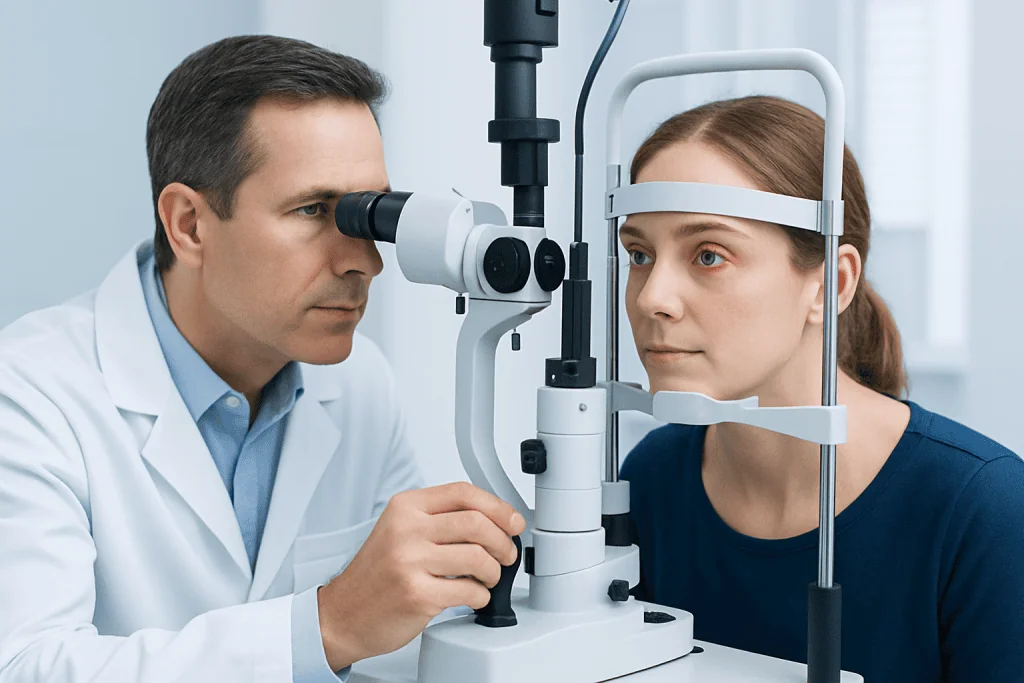
An eye assessment usually starts with questions about symptoms, recent respiratory illness, allergies, trauma, chemicals, contact lenses and current eye drops. The clinician checks visual acuity and examines the eyelids, conjunctiva and cornea. Depending on the findings, they may use fluorescein dye to look for scratches or ulcers, measure eye pressure, or take a sample of discharge in selected cases.
Treatment is then matched to the diagnosis. Lubricating drops and practical adjustments are often used for dryness or nonspecific irritation. Allergy treatment may include specific anti-allergy drops. An antibiotic may be prescribed when bacterial infection is suspected, while antiviral, anti-inflammatory or pressure-lowering treatment may be needed for particular conditions. Steroid eye drops can be very effective in selected inflammatory disorders but should only be used under ophthalmic supervision.
During recovery, patients should wash their hands before touching the eye, avoid sharing towels and cosmetics, and avoid rubbing the eyes. A clean cool compress can ease itching or discomfort. Contact lenses, eye makeup and any potentially contaminated lens cases should be avoided or replaced according to the clinician’s advice. For persistent or complex symptoms, ophthalmology assessment and treatment can clarify the cause and provide appropriate follow-up.
Is Red Therapy Good for Your Eyes?
The phrase “red therapy” can mean different things. Some people use it to refer to redness-relief drops, while others mean red or near-infrared light devices marketed for eye health. Neither should be considered a universal treatment for a red eye. The best approach is to identify whether the redness is caused by dryness, allergy, infection, injury or another eye condition.
Redness-relief drops containing vasoconstrictors temporarily narrow surface blood vessels, making the eye look whiter. They do not treat the underlying cause, and regular use can lead to rebound redness. Red or near-infrared light devices have limited and condition-specific evidence; they are not a standard home treatment for unexplained eye redness and should not replace an eye examination.
Products used around the eyes should be chosen carefully, particularly for people with glaucoma, significant dry eye, contact lens use or a history of eye surgery. A pharmacist, optometrist or ophthalmologist can advise on whether a particular product is suitable. Unexplained persistent redness should be assessed rather than treated repeatedly with cosmetic whitening drops.
What Happens If You Use Too Much Redness Relief Eye Drops?
Using vasoconstrictor redness-relief drops too frequently can cause rebound redness. As the effect wears off, surface blood vessels may widen again, sometimes making the eye appear even redder and encouraging further use. This cycle can make it difficult to tell whether the original problem is improving.
Overuse may also cause stinging, dryness, irritation or blurred vision. Some products may be unsuitable for people with narrow-angle glaucoma, cardiovascular conditions or those taking certain medicines, so the label and clinician advice matter. Drops should be used only as directed, and they should not be shared with others.
If an eye looks persistently red despite frequent whitening drops, stopping the product and seeking professional advice is sensible. Preservative-free artificial tears may be a more appropriate short-term option for dryness, but they will not treat infection, corneal injury or deeper inflammation. A clinician can recommend a safer plan based on the actual cause.
What Are the Side Effects of a Red Eye?
Red eye itself is a symptom rather than a condition with one predictable set of side effects. Depending on the cause, it may be accompanied by watering, discharge, itching, burning, grittiness, swollen eyelids, discomfort or temporary sensitivity to light. These symptoms are often mild in allergy or uncomplicated irritation, but their pattern and severity matter.
The more important concern is whether the cause of redness could affect the cornea or vision. Pain, worsening light sensitivity, reduced vision, a feeling that something is stuck in the eye, or inability to keep the eye open can occur with conditions that need prompt examination. Untreated contact lens-related infection is particularly important to assess quickly because it can involve the cornea.
Benefits of prompt, cause-specific care include more comfortable eyes, reduced risk of passing on contagious infection and protection of sight when a serious condition is present. Treatment risks are usually related to using the wrong product, medication side effects or delaying assessment. Following professional advice and attending review appointments when recommended helps balance these risks.
When to Seek Medical Care
Medical care should be sought urgently for red eye with reduced or changed vision, moderate or severe pain, substantial light sensitivity, a severe headache with nausea, unequal pupils, an eye injury, chemical exposure or a suspected foreign body that cannot be rinsed out. Emergency assessment is also important when redness develops in a contact lens wearer, especially if there is pain, discharge or blurred vision.
A same-day or prompt appointment is appropriate when symptoms are worsening, there is thick discharge, redness persists beyond a few days, episodes recur frequently, or home measures do not help. Children, people with reduced immunity and people who have recently had eye surgery should have a low threshold for seeking medical advice.
Acibadem International’s multidisciplinary specialists and JCI-accredited hospitals support international patients who need evaluation and treatment for eye concerns. A qualified eye specialist can determine whether symptoms are due to an uncomplicated surface problem or require more targeted care.
Frequently asked questions
What is the fastest red eye treatment at home?
For mild irritation or dryness, avoiding the irritant, using preservative-free lubricating drops and applying a clean cool compress may provide relief. Contact lenses should be removed if the eye is red or uncomfortable. Home care is not appropriate for pain, reduced vision, light sensitivity, injury or chemical exposure.
Can I use antibiotic eye drops for any red eye?
No. Antibiotics only help bacterial infections and do not treat allergies, dry eye, most viral conjunctivitis or many inflammatory conditions. Unnecessary antibiotic use may cause irritation and can delay the correct diagnosis. They should be used only when prescribed by a clinician.
Is a red eye contagious?
A red eye caused by viral or bacterial conjunctivitis can be contagious, while allergy, dry eye and irritation are not. Careful handwashing, avoiding shared towels and not sharing eye cosmetics can reduce spread. A clinician can help determine the likely cause.
Should contact lenses be worn with a red eye?
Contact lenses should usually be removed when the eye is red, painful, watery or producing discharge. Wearing lenses can worsen irritation and may increase the risk of corneal infection in some situations. They should only be restarted when symptoms have resolved and a clinician says it is safe.
Can lack of sleep cause red eyes?
Yes. Fatigue can contribute to dryness and make surface blood vessels more visible, especially alongside screen use, dry air or alcohol. Rest, hydration and lubricating drops may help mild symptoms. Persistent redness still deserves assessment for other causes.
When is a red eye an emergency?
A red eye is an emergency when it occurs with vision loss or change, significant pain, severe light sensitivity, chemical exposure, trauma, nausea with headache, or contact lens-related pain. These symptoms may signal a condition that needs urgent treatment to protect vision. Emergency services or urgent eye care should be contacted promptly.
References
- American Academy of Ophthalmology
- National Eye Institute
- Centers for Disease Control and Prevention
- NHS
This article is for general information only and is not a substitute for professional medical advice. Please consult a qualified doctor about your individual situation.
Explore treatments in Turkey — costs, top hospitals & a free quote
JCI-accredited · board-certified surgeons · reply within 24h
Add us as a Preferred Source to see more of our trusted health content across Google Search, AI Overviews and Discover.