Child Eczema Treatment: How It Works, Results and What to Expect

Eczema is common in children and often follows a pattern of flares and calmer periods. Daily use of fragrance-free moisturiser is a central part of effective eczema care.
Key Takeaways
- Eczema is common in children and often follows a pattern of flares and calmer periods.
- Daily use of fragrance-free moisturiser is a central part of effective eczema care.
- Treatment is tailored to the child’s age, affected areas, symptom severity and response to skin care.
- Appropriately prescribed anti-inflammatory creams can safely control flares when used as directed.
- Medical review is important for possible infection, sleep disruption, severe symptoms or uncertain diagnosis.
Child eczema treatment usually starts with restoring the skin barrier through regular moisturising, gentle bathing and avoiding individual triggers. During flares, a clinician may recommend anti-inflammatory creams or other treatments to reduce itching, redness and discomfort while helping the skin heal.
Child Eczema Treatment: How It Works
Child eczema treatment aims to calm skin inflammation, repair the weakened protective skin barrier and reduce the itch-scratch cycle. Eczema, also called atopic dermatitis, can make the skin dry, red, rough, cracked or weepy. Itching may be especially troublesome at night and can affect sleep, play, school and family routines.
There is no single treatment that suits every child. Care usually combines consistent everyday skin care with a written plan for managing flares. For many children, symptoms improve substantially when moisturising and prescribed anti-inflammatory treatment are used correctly and early enough.
Eczema commonly waxes and wanes. A flare does not necessarily mean that a family has done anything wrong or that a treatment has failed. The goal is to help the child remain comfortable, protect the skin from damage and lower the frequency or severity of future flares.
Who May Need Treatment and Clinical Assessment
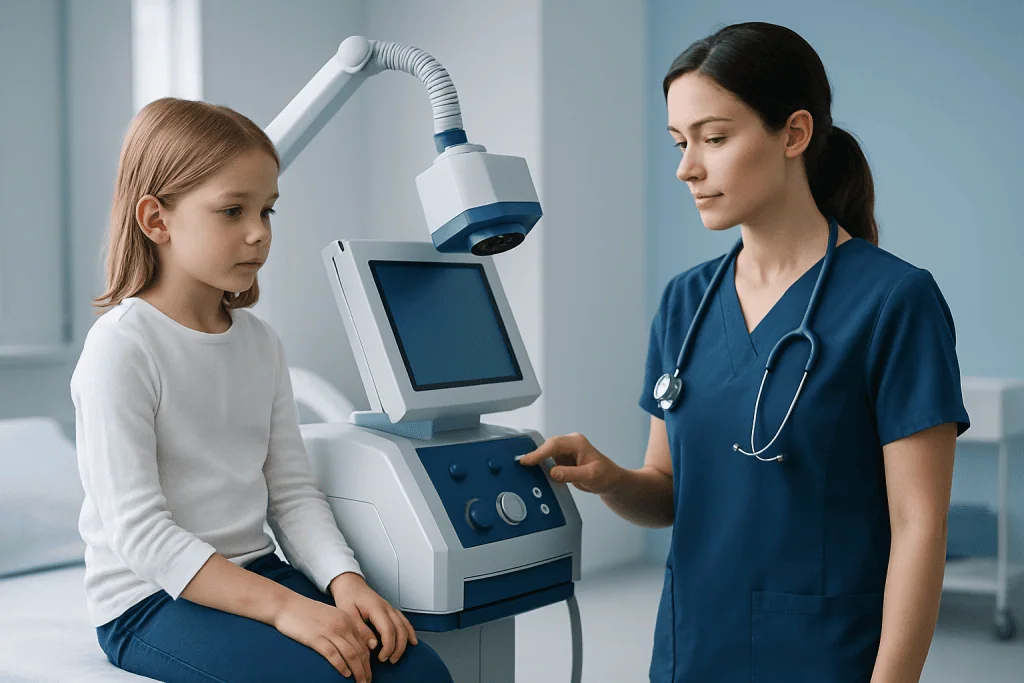
Any child with persistent itchy, dry or inflamed skin may benefit from assessment by a paediatrician, family doctor or dermatologist. Diagnosis is usually based on the child’s symptoms, the appearance and distribution of the rash, personal and family history, and a review of products or exposures that may irritate the skin.
Treatment is particularly important when eczema interferes with sleep, causes distress, covers a large body area, repeatedly cracks or bleeds, or does not improve with regular moisturising. Babies and young children may develop eczema on the cheeks, scalp, outer arms and legs, while older children often have symptoms in elbow creases, behind the knees, on the wrists, hands or neck.
Allergy testing is not routinely needed for every child with eczema. A clinician may consider it when there is a clear, repeatable reaction to a food or another allergen, poor growth, immediate allergy symptoms, or eczema that remains difficult to control despite appropriate care. Broad food avoidance without medical guidance can unnecessarily restrict nutrition.
A Step-by-Step Child Eczema Treatment Plan

The first step is usually daily barrier care. Short baths or showers with lukewarm water can help hydrate the skin; hot water, long bathing and fragranced products may worsen dryness. A bland, fragrance-free emollient or moisturiser should be applied generously after bathing and reapplied throughout the day as needed.
The second step is managing active inflammation. Clinicians commonly prescribe a topical corticosteroid of suitable strength for the child’s age, body site and severity of the flare. Used as instructed, these medicines reduce redness and itching and allow the skin to repair. Some children may instead need, or also use, non-steroid anti-inflammatory creams, particularly for sensitive areas such as the face or skin folds.
The third step is follow-up and adjustment. Families may be given clear directions about where to apply each product, how long to use it, when to step down treatment and how to restart it at early signs of a flare. For persistent or severe eczema, a dermatologist may discuss wet-wrap therapy, light treatment in selected older children, or specialist systemic medicines.
- Use moisturiser regularly, including when skin looks clear.
- Apply prescribed anti-inflammatory treatment only to affected active eczema unless the clinician advises proactive use on recurrent areas.
- Keep nails short and consider soft cotton clothing to reduce skin injury from scratching.
- Review the plan if symptoms are not settling, rather than continuing ineffective self-treatment.
What Results and Recovery Timeline Can Families Expect?
When a flare is treated promptly and the treatment plan is followed consistently, itching may begin to improve within several days. Redness, roughness and thickened skin often take longer to settle, particularly if eczema has been present for weeks. The exact recovery timeline varies with the severity of inflammation, the location of eczema, infection, climate and the child’s individual skin sensitivity.
Even after visible redness improves, the skin barrier may remain vulnerable. Continuing moisturiser is therefore important to maintain comfort and reduce relapse. Some children have occasional mild flares, while others need a longer-term prevention plan with scheduled follow-up.
Many children improve as they get older, although the course is unpredictable and eczema may persist into adolescence or adulthood. Treatment focuses on controlling symptoms and supporting everyday life rather than promising a permanent cure. A clinician can help families set realistic goals, such as less itch, better sleep, fewer infections and fewer disruptive flares.
Benefits, Risks and Safe Use of Eczema Medicines
The main benefits of appropriate eczema treatment are reduced itch and inflammation, improved sleep, less scratching and lower risk of skin breakdown. Controlling eczema can also support a child’s confidence and participation in daily activities. Preventing repeated severe flares may reduce the development of thickened, discoloured or scarred-looking skin from chronic scratching.
Topical corticosteroids are widely used and can be very effective, but they should be selected and supervised by a clinician. Potential side effects, such as skin thinning, are more likely when strong products are used for too long, applied to thin skin, used under occlusion without guidance, or used incorrectly. Following the prescribed amount, location and duration helps keep risks low.
Non-steroid topical medicines can cause temporary burning or stinging, especially on very inflamed skin. Oral medicines, injections and phototherapy are reserved for selected children with moderate to severe disease and require specialist monitoring. Antibiotics are not routine eczema treatment, but may be needed when a clinician identifies a bacterial skin infection.
Daily Prevention and Self-Care at Home
Daily routines can make a meaningful difference. Families may find it helpful to use fragrance-free laundry detergent, avoid fabric softeners and choose loose, breathable clothing. Wool, rough seams, perfumed skin products, overheating and sweat can irritate some children, although triggers vary and should be identified individually rather than assumed.
Moisturiser should be treated as a regular part of the child’s routine, not only as a response to visible rash. Creams and ointments are often more effective than thin lotions for very dry skin. Parents and caregivers can ask the clinical team to demonstrate how much product to use and how to combine moisturiser with prescribed medicines.
Keeping a brief symptom diary may help identify patterns related to weather, infections, activities, products or stress. However, eczema is not caused by poor hygiene, and excessive washing or repeated use of harsh antiseptics can make it worse. A balanced approach that protects the skin barrier is usually most helpful.
When to Seek Medical Care
Families should seek prompt medical advice if the skin becomes painful, rapidly more red, warm, swollen, crusted, oozing or covered in pus-filled spots. These signs can suggest infection. Fever, a child who appears unwell, or clusters of painful blisters should also be assessed urgently, especially in a child with eczema.
A routine appointment is appropriate if the diagnosis is uncertain, eczema is affecting sleep or school, symptoms are widespread, treatment is not helping after the recommended period, or parents are worried about medicine use. A clinician can check for other skin conditions, review technique and create a practical treatment plan.
Acibadem International’s multidisciplinary specialists and JCI-accredited hospitals can assess and manage eczema in children for international patients, coordinating dermatology and paediatric care when needed.
Frequently asked questions
What is the best child eczema treatment?
The best child eczema treatment is individualised but usually includes daily fragrance-free moisturiser, gentle skin care and prescribed anti-inflammatory medicine during flares. A clinician can select the right treatment strength based on the child’s age, the affected body area and symptom severity.
How quickly does eczema treatment work in children?
Itching may improve within a few days when a flare is treated appropriately. More established redness, dryness and thickening can take longer to improve, and ongoing moisturising remains important after the flare settles.
Are steroid creams safe for children with eczema?
When prescribed at the appropriate strength and used for the advised duration, topical corticosteroids are considered effective and generally safe for children. Parents should use them exactly as directed and discuss concerns or lack of improvement with the prescribing clinician.
Should children with eczema avoid certain foods?
Food avoidance is not necessary for most children with eczema. A doctor may investigate food allergy if there are immediate reactions after eating, poor growth or eczema that remains difficult to control despite appropriate treatment.
Can childhood eczema go away?
Many children experience improvement over time, although the timing differs from one child to another. Eczema may continue or recur later, but consistent care can help keep symptoms well controlled.
When could eczema be infected?
Possible signs include increasing pain, spreading redness, warmth, swelling, yellow crusting, oozing, pus-filled spots or fever. These symptoms need prompt medical assessment because an infection may require specific treatment.
References
- American Academy of Dermatology
- American Academy of Pediatrics
- National Eczema Association
- National Institute for Health and Care Excellence
- World Health Organization
This article is for general information only and is not a substitute for professional medical advice. Please consult a qualified doctor about your individual situation.
Eczema in Turkey — costs, top hospitals & a free quote
JCI-accredited · board-certified surgeons · reply within 24h
Add us as a Preferred Source to see more of our trusted health content across Google Search, AI Overviews and Discover.

More from the Health Library



Related Specialists

Embriyolog Özge Biçeroğlu
Vitro Fertilization and Reproductive Medicine Center
Dr. İbrahim Keskin
Emergency Service
Assoc. Prof. Dr. Nejdet Karşıyakalı
Urology
Dr. Fatma Kutlusoy Güçlü
Gynecology & Obstetrics