Physical Therapy for Peripheral Neuropathy: How It Works, Results and What to Expect

Physical therapy focuses on safer movement, muscle strength, balance, walking and practical strategies for daily activities. The plan is tailored to the cause, severity and pattern of neuropathy, as well as a person’s overall health and goals.
Key Takeaways
- Physical therapy focuses on safer movement, muscle strength, balance, walking and practical strategies for daily activities.
- The plan is tailored to the cause, severity and pattern of neuropathy, as well as a person’s overall health and goals.
- Improvements are often gradual and may include steadier walking, better endurance, fewer falls and improved confidence.
- Numbness can reduce awareness of injuries, so foot care and appropriately fitted footwear are important parts of self-management.
- New weakness, rapidly spreading numbness, severe pain or sudden loss of balance should be assessed promptly by a clinician.
Physical therapy for peripheral neuropathy is an individualized rehabilitation approach that helps people maintain strength, balance, mobility and confidence when nerve symptoms affect daily life. It does not reverse every type of nerve damage, but it can reduce functional limitations and lower the risk of falls when combined with treatment of the underlying cause.
Overview: How Physical Therapy Helps Peripheral Neuropathy
Physical therapy for peripheral neuropathy helps people move more safely and comfortably when damaged peripheral nerves cause numbness, tingling, burning pain, weakness or balance problems. A physical therapist assesses how symptoms affect walking, strength, coordination and everyday tasks, then creates a program suited to the individual’s abilities and medical needs.
Peripheral neuropathy has many possible causes, including diabetes, vitamin deficiencies, alcohol-related nerve injury, certain medicines, autoimmune disorders, kidney disease and nerve compression. Rehabilitation does not replace medical treatment for the underlying cause. Instead, it aims to preserve function, reduce avoidable complications and support independence alongside care from a doctor.
Programs may include targeted strengthening, balance practice, walking training, flexibility work, education about pacing and fall prevention, and guidance on footwear or assistive devices. For people with symptoms related to diabetes, management of the wider condition remains especially important alongside rehabilitation.
How It Works and Who May Benefit
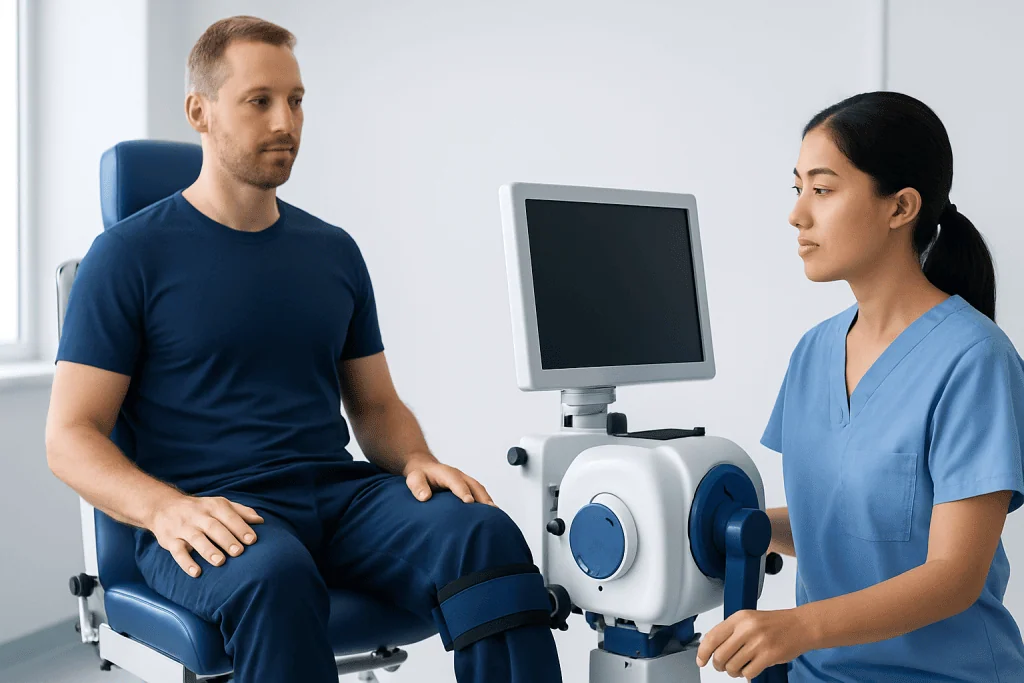
Peripheral nerves carry signals between the brain, spinal cord, muscles and skin. When these nerves do not work normally, muscles may become weaker, sensation may be reduced, and the body may receive less reliable information about foot position and movement. Physical therapy uses repeated, supervised practice to strengthen the systems that support mobility, including muscles, joints, vision and balance responses.
People may be good candidates for therapy if neuropathy affects walking, stair climbing, foot clearance, hand function, endurance, confidence outdoors or safety at home. Therapy can also be helpful after a fall, during recovery from an illness, or when deconditioning has developed because pain or fear of falling has limited activity.
A referral may come from a neurologist, primary care clinician, endocrinologist, pain specialist or rehabilitation physician. Before starting, the care team should consider causes that need specific treatment, such as uncontrolled diabetes, nutritional deficiency, medication side effects or compression of a nerve. Symptoms such as one-sided weakness or rapidly progressing problems may require urgent medical evaluation rather than routine rehabilitation alone.
What Happens During a Physical Therapy Program?
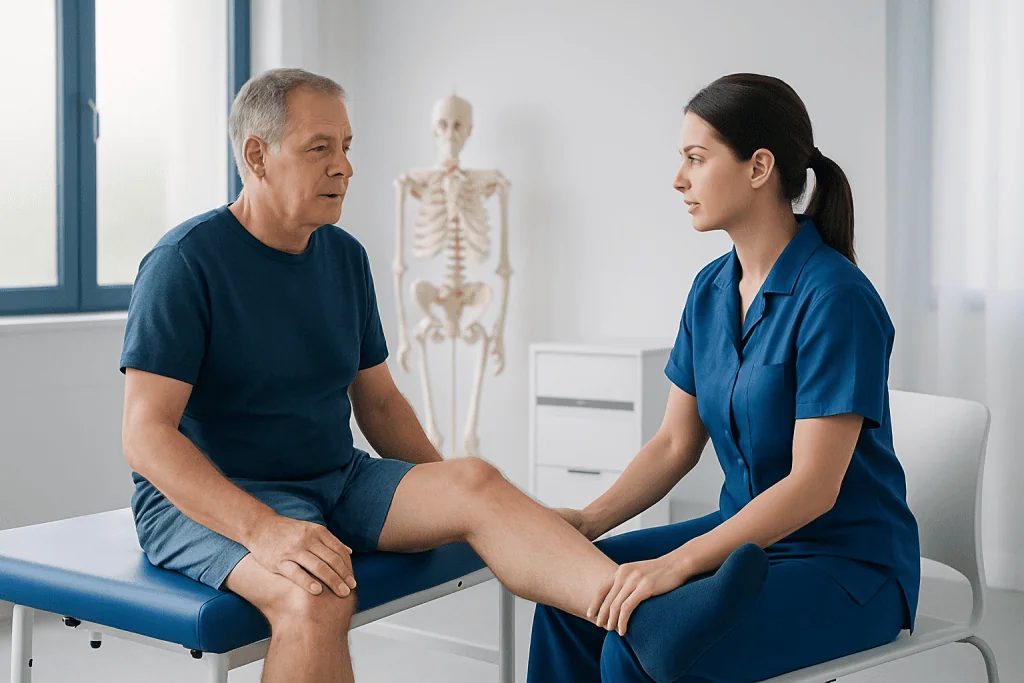
The first appointment usually begins with a conversation about symptoms, diagnoses, medications, falls, pain, footwear, activity level and personal goals. The therapist may assess walking speed, posture, leg and foot strength, joint movement, sensation, balance, transfers, stair use and the safety of activities such as getting in and out of bed or a chair.
Based on this assessment, treatment commonly progresses in practical steps. Early sessions may focus on education, safe movement and gentle mobility. As appropriate, the program can add strengthening for the hips, thighs, ankles and core; balance tasks performed near stable support; walking drills; endurance activities; and task-specific practice for daily routines. The pace is adjusted if pain, fatigue, dizziness or skin irritation occurs.
Some people benefit from a cane, walker, ankle-foot orthosis or shoe modification to improve stability or foot clearance. A therapist can help determine whether an aid is useful and teach safe use. Structured physical therapy and rehabilitation may also include a home program, which is usually simple, specific and reviewed regularly to ensure it remains safe and realistic.
Passive treatments alone are generally not the main goal. Lasting benefit is more likely when supervised sessions are combined with regular, appropriate activity at home and medical care for the neuropathy’s cause.
Does Neuropathy Get Better with Physical Therapy?
Neuropathy may get better with physical therapy in the sense that a person’s mobility, strength, balance, endurance and ability to manage daily activities can improve. Whether the nerves themselves recover depends largely on the cause, the extent of nerve damage and whether the underlying condition can be treated or controlled.
For example, some neuropathies improve when a reversible cause is addressed, while others are long-term conditions that require ongoing symptom management. Physical therapy cannot reliably restore damaged nerves in every situation, but it can help the body compensate for sensory loss or weakness and may reduce the consequences of inactivity, including loss of fitness and falls.
Progress is often gradual rather than immediate. Useful measures of improvement include safer walking, greater confidence on uneven surfaces, stronger legs, improved ability to rise from a chair, less reliance on support and better tolerance of daily activity. A clinician can help set realistic goals based on the person’s diagnosis.
What Are the 5 Stages of Peripheral Neuropathy?
There is no universally accepted medical system that divides peripheral neuropathy into five stages. Symptoms and progression vary widely depending on the nerves involved and the underlying cause, so clinicians usually describe neuropathy by its cause, distribution, severity and impact on function rather than assigning a numbered stage.
People may notice a gradual pattern in which altered sensation begins in the toes or fingertips, then becomes more persistent or spreads. Some develop burning pain or sensitivity to touch; others mainly experience numbness, weakness, balance difficulty or reduced awareness of injuries. Not everyone progresses through the same pattern, and some people remain stable for long periods.
Regular review is important because a change in symptoms may signal a need to reassess treatment. The clinical team may use physical examination, blood tests, nerve conduction studies, electromyography or other investigations when appropriate to clarify the cause and severity.
What Are the Signs That Peripheral Neuropathy Is Healing?
Possible signs of improvement include less frequent or less intense tingling or burning, better sleep, increased walking tolerance, improved steadiness and stronger movement in affected muscles. A person may also find it easier to perform tasks such as climbing stairs, standing from a chair, carrying groceries or walking outdoors with less support.
Changes in sensation can be uneven during recovery. Some people experience temporary fluctuations in tingling or discomfort, which do not always indicate worsening. Because nerve recovery can be slow, improvements in function may be noticed before numbness fully changes.
Healing should not be judged by symptoms alone. Ongoing medical follow-up is important, particularly when neuropathy is associated with diabetes, cancer treatment, kidney disease, autoimmune conditions or medication exposure. New ulcers, redness, swelling, weakness or loss of function should be reported rather than managed only with home exercises.
What Are the Do's and Don'ts for Peripheral Neuropathy?
Do follow the treatment plan for the underlying cause, attend recommended reviews, and stay physically active within safe limits. Check the feet daily for cuts, blisters, redness, swelling or pressure areas, especially when sensation is reduced. Wear well-fitting shoes and clean, dry socks, and ask a clinician for advice before using heat, ice or over-the-counter foot products on numb skin.
Do use handrails, adequate lighting and uncluttered walkways to reduce fall risk. Complete prescribed exercises with attention to technique, and tell the therapist if symptoms worsen during activity. Maintaining regular sleep, balanced nutrition and healthy blood glucose levels when relevant can also support overall nerve health.
Do not walk barefoot where injuries may go unnoticed, place hot water bottles or heating pads directly on areas with reduced sensation, or ignore a wound that is not healing. Avoid sudden major increases in exercise intensity, smoking and excessive alcohol use, all of which can worsen health risks or interfere with recovery.
- Use a stable support surface for balance exercises unless supervised otherwise.
- Inspect shoes for rough seams or small objects before putting them on.
- Discuss new supplements or medicines with a qualified clinician, as some may interact with existing treatment.
Recovery Timeline, Benefits, Risks and When to Seek Medical Care
There is no single recovery timeline. Some people notice better confidence or movement within several weeks of consistent therapy, while nerve-related symptoms may change slowly over months. The therapist reviews progress and adjusts the plan according to function, fatigue, pain levels and changes in the medical condition.
Potential benefits include better balance, stronger muscles, improved walking efficiency, increased activity tolerance and lower fall risk. Risks are usually low when activities are individualized, but overexertion can increase soreness, fatigue or pain. Reduced sensation can also make skin injury easier to miss, which is why footwear, skin checks and careful monitoring are essential.
Medical care should be sought promptly for sudden or rapidly worsening weakness, new difficulty walking, loss of bladder or bowel control, severe new pain, fever with a foot wound, spreading redness, or a new non-healing ulcer. A doctor should also assess persistent numbness, recurring falls or symptoms that begin after a new medicine or treatment.
Acibadem International’s multidisciplinary specialists and JCI-accredited hospitals can assess peripheral nerve symptoms and coordinate rehabilitation for international patients when appropriate.
Frequently asked questions
How often should someone attend physical therapy for peripheral neuropathy?
The frequency depends on symptom severity, fall risk, overall health and the goals of treatment. A therapist may recommend a short course of supervised visits with a home program, or longer-term support when mobility is significantly affected. The schedule should be reviewed as function changes.
Can exercise make peripheral neuropathy worse?
Appropriately selected exercise is usually beneficial, but activity that is too intense or poorly matched to a person’s symptoms can increase pain, fatigue or injury risk. Exercises should be progressed gradually and stopped if they cause sharp pain, dizziness, skin injury or a major increase in symptoms. A physical therapist can help choose safe options.
Is walking good for peripheral neuropathy?
Walking can support fitness, circulation, leg strength and confidence when it is safe and comfortable. However, people with significant numbness, weakness, foot wounds or poor balance may need modified walking plans, supportive footwear or an assistive device. A clinician or therapist can advise on the safest starting level.
Can physical therapy reduce neuropathy pain?
Physical therapy may reduce pain-related disability by improving movement, strength, pacing and confidence, although pain relief varies between individuals. It is often used alongside medical treatments for neuropathic pain and management of the underlying cause. Persistent or severe pain should be discussed with a doctor.
What type of physical therapy is used for neuropathy in the feet?
Treatment may include ankle and leg strengthening, balance training, gait practice, flexibility exercises and education about foot care and fall prevention. The therapist may also assess footwear and recommend an assistive device or orthotic support when needed. Treatment is adapted if there are skin problems, ulcers or severe sensory loss.
Should a person with peripheral neuropathy see a neurologist?
A neurologist can be helpful when the cause is unclear, symptoms are progressing, weakness is present or specialized nerve testing is needed. Primary care clinicians, endocrinologists and other specialists may also coordinate care depending on the suspected cause. Rehabilitation is most effective when it is part of a clear medical care plan.
References
- National Institute of Neurological Disorders and Stroke
- American Physical Therapy Association
- American Diabetes Association
- Mayo Clinic
- National Institute of Diabetes and Digestive and Kidney Diseases
This article is for general information only and is not a substitute for professional medical advice. Please consult a qualified doctor about your individual situation.
Peripheral Neuropathy in Turkey — costs, top hospitals & a free quote
JCI-accredited · board-certified surgeons · reply within 24h
Add us as a Preferred Source to see more of our trusted health content across Google Search, AI Overviews and Discover.

Physical Medicine & Rehabilitation
Restoring movement and function after injury, surgery or neurological conditions.
153 specialists in this unitMore from the Health Library



Related Specialists

Assoc. Prof. Dr. Tonguç Utku Yılmaz
Kidney Transplant Center
Psk. İrem Sürmez
Psychology
Prof. Dr. Kutsal Turhan
Thoracic Surgery
Assoc. Prof. Dr. Aylin Altan Kuş
Radiology