N95 Mask for Mold Removal: Procedure, Recovery and Results
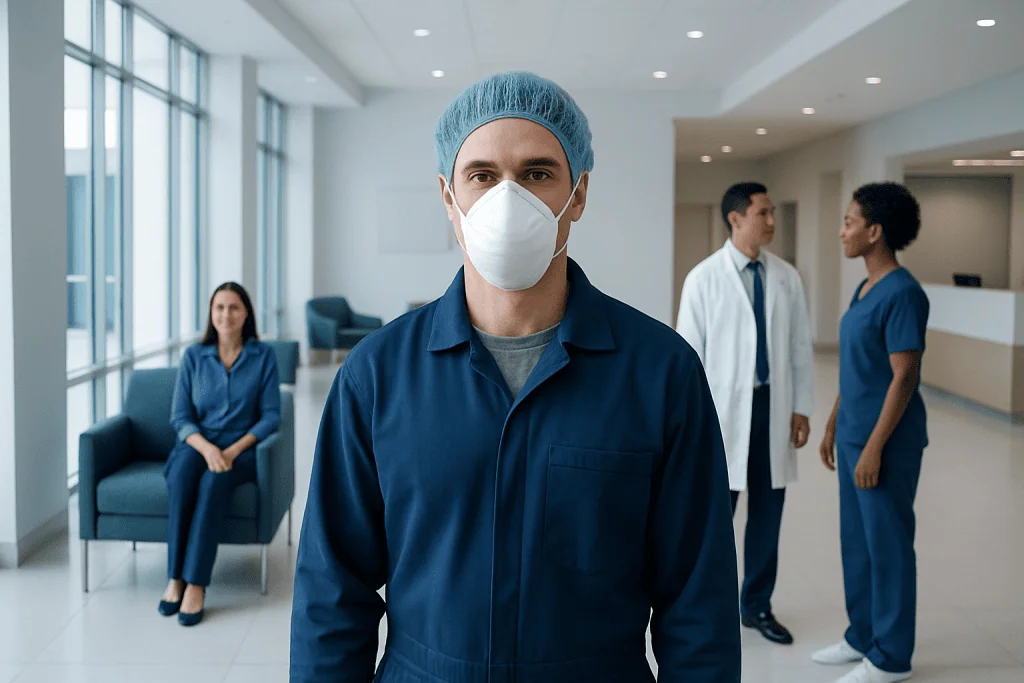
A properly fitted, NIOSH-approved N95 respirator can reduce exposure to airborne mold spores during cleanup. An N95 is not suitable for everyone; people with significant lung or heart disease may need medical advice before using one.
Key Takeaways
- A properly fitted, NIOSH-approved N95 respirator can reduce exposure to airborne mold spores during cleanup.
- An N95 is not suitable for everyone; people with significant lung or heart disease may need medical advice before using one.
- Most healthy people do not need treatment to “kill” mold spores in their lungs; avoiding further exposure and managing symptoms are usually the priority.
- Masks do not remove mold or correct the underlying moisture problem, which must be addressed to prevent regrowth.
- Large areas of mold, water-damaged materials or symptoms such as breathing difficulty may require professional and medical support.
An N95 mask for mold removal can help filter airborne mold spores and small particles during limited cleanup tasks when it is a genuine, well-fitting respirator. It should be used alongside moisture control, ventilation and appropriate cleaning methods, not as a substitute for professional assessment of extensive mold damage.
Overview: How an N95 Mask for Mold Removal Helps
An N95 mask for mold removal is a tight-fitting respirator designed to filter at least 95% of certain airborne particles when it is correctly worn. During small household mold-cleaning tasks, it may reduce the amount of spores, dust and fragments inhaled. It does not make mold exposure risk-free, and it cannot protect against every hazard that may be present in a water-damaged environment.
For mold cleanup, the benefit depends heavily on fit. Air that leaks around the edges of the mask bypasses the filter. A genuine NIOSH-approved N95, used according to its instructions, offers more reliable particle filtration than a loose surgical mask or cloth face covering. Facial hair where the mask seals can prevent an effective fit.
An N95 addresses airborne particles, not the cause of mold growth. The most important long-term step is identifying and correcting excess moisture from leaks, flooding, condensation or poor ventilation. Porous materials that remain damp or extensively mold-damaged may need specialist evaluation or removal.
Who May Use an N95 for Mold Cleanup

N95 mask mold protection is generally most appropriate for adults doing brief, limited cleaning of a small visible area in a well-ventilated setting. The person should be able to breathe comfortably while wearing the respirator and should carefully follow the manufacturer’s instructions. Gloves and eye protection may also be useful when cleaning to limit skin and eye contact with irritating materials.
Some people should avoid cleaning mold themselves when possible. This includes people with severe asthma, chronic lung disease, significant heart disease, immune suppression, a history of serious mold allergy, or symptoms that worsen around mold. Young children and older adults with frailty may also be better protected by staying away from the cleanup area.
A respirator can make breathing feel more effortful. Anyone who develops chest tightness, dizziness, marked shortness of breath or distress while wearing an N95 should leave the area, remove the mask in fresh air and seek medical advice if symptoms do not settle. A clinician can help determine whether respiratory protection is suitable for an individual’s health needs.
N95 Mask for Mold Removal: Step-by-Step Use
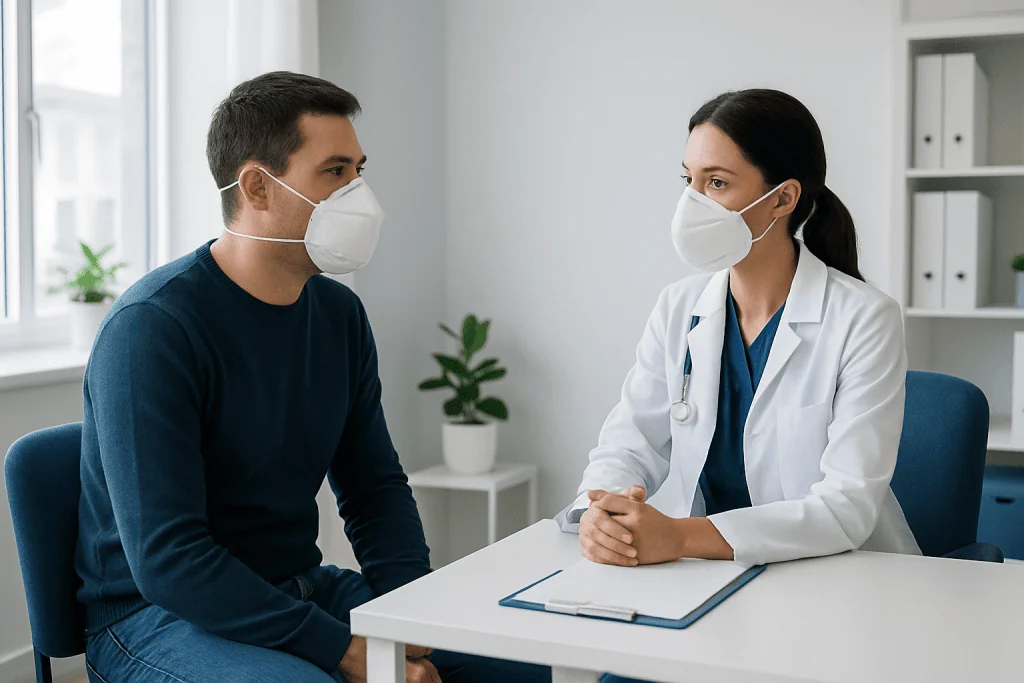
Before cleanup begins, stop the moisture source if it is safe to do so. Open windows or use ventilation that directs air outside where feasible, and keep people who are not helping away from the area. Do not dry-brush moldy surfaces or use methods that create unnecessary dust, because this can send particles into the air.
Choose a genuine N95 respirator that is intact, clean and dry. Place it over the nose and mouth, secure the straps as directed, mold the nose clip to the face, and perform the user seal check described on the packaging. The mask should sit snugly without obvious air leaks around the nose, cheeks or chin. A mask that is hard to seal should not be relied upon for mold work.
For a small, non-extensive area, clean hard surfaces using an appropriate household cleaning approach and dry the area fully afterward. Avoid mixing cleaning products, particularly bleach with ammonia or other chemicals, because dangerous fumes can result. Heavily contaminated absorbent materials, such as some carpets, ceiling tiles, insulation and drywall, may require professional assessment rather than routine home cleaning.
When finished, leave the work area before removing the respirator. Handle it by the straps, avoid touching the front, wash hands and change or wash contaminated clothing. The N95 should be discarded if it becomes wet, visibly soiled, damaged, difficult to breathe through or contaminated with cleaning chemicals.
How Many Times Can You Wear an N95 Mask?
Many disposable N95 respirators are intended for single use, particularly when used for dusty or contaminated tasks such as mold removal. There is no universal number of safe reuses because performance and hygiene depend on the mask’s condition, the work environment and the manufacturer’s instructions.
For a short, low-exposure task, some manufacturers may permit limited reuse if the respirator remains clean, dry, undamaged and able to form a reliable seal. However, it should not be shared, washed or sprayed with disinfectant. Moisture, crushing, stretched straps and surface contamination can reduce its usefulness.
For mold work, replacing the N95 after the task is often the simplest cautious approach. It should be replaced immediately if breathing through it becomes difficult, it has an odor, it has been exposed to liquid or chemical sprays, or the fit changes. Reusable elastomeric respirators are a separate type of protective equipment and require correct filters, cleaning and maintenance.
Benefits, Limits and Possible Risks
The main benefit of an N95 mask and mold spores is reduced inhalation of airborne particulate matter when the respirator seals correctly. This may be especially helpful while removing small amounts of surface mold or handling dusty materials. It can also reduce exposure to other particles stirred up during cleaning.
Its limitations are important. N95 respirators do not protect the eyes or skin, do not remove mold already present in the building, and do not provide reliable protection from chemical vapors or gases. They are not a substitute for correcting water damage. In extensive contamination, professional remediation may be safer and more effective.
Potential difficulties include facial pressure, heat, discomfort and a sensation of increased breathing resistance. People may also develop symptoms from mold or damp indoor air despite using protection, especially if they have asthma or allergic rhinitis. Persistent respiratory symptoms deserve medical assessment rather than repeated self-treatment or continued exposure.
What Kills Mold Spores in Your Lungs?
For most healthy people, mold spores inhaled in ordinary environmental exposures are trapped by the airways and cleared naturally by the body’s protective mechanisms. There is no home remedy, supplement or routine medication that “kills mold spores in the lungs,” and attempting to self-treat with unproven products may delay appropriate care.
Mold-related symptoms are often caused by irritation or allergic responses rather than an invasive lung infection. Management usually focuses on reducing exposure, treating conditions such as asthma or allergies when diagnosed, and addressing the damp environment. A clinician may recommend medicines based on the person’s symptoms and medical history, not solely on a presumed mold exposure.
True fungal lung infections are uncommon and occur more often in people with substantially weakened immune systems or certain underlying lung conditions. These infections require medical diagnosis and targeted prescription treatment. Anyone with persistent fever, worsening cough, unexplained weight loss, coughing up blood or increasing breathlessness should seek prompt clinical evaluation.
How Long Do Mold Spores Stay Airborne?
Mold spores may remain airborne from minutes to hours, depending on their size, air movement, humidity, ventilation and how much dust or material has been disturbed. In still air, many particles gradually settle, but opening doors, using fans or walking through an affected room can lift settled particles again.
This is why mold cleanup should focus on limiting disturbance, using controlled ventilation and cleaning affected surfaces carefully. Fans should not be used in a way that blows spores from a contaminated area into clean rooms. Air filtration may reduce particles in some circumstances, but it does not solve an active moisture problem or replace proper remediation.
People who notice symptoms mainly in one damp indoor environment may benefit from spending time away from that space while the source is investigated. Keeping indoor humidity controlled, repairing leaks promptly and drying water-damaged materials quickly are practical measures that reduce the conditions mold needs to grow.
Can an N95 Mask Protect Against Black Mold? When to Seek Medical Care
An N95 can help filter airborne particles from molds that may appear black, but color alone does not identify a mold species or determine its health risk. “Black mold” is a common nonmedical term, and mold color should not be used to judge whether cleanup is safe. The same principles apply: use a well-fitting respirator for limited work, prevent further moisture, and arrange professional help for extensive contamination or major water damage.
Medical care is advisable for wheezing, worsening asthma, persistent nasal or eye symptoms, cough that does not improve after leaving the environment, recurrent sinus symptoms, or a new rash after exposure. Urgent care is appropriate for severe breathing difficulty, chest pain, fainting, blue-colored lips or face, or coughing up blood. People with weakened immune systems should contact a clinician early if they suspect significant mold exposure.
Acibadem International’s multidisciplinary specialists and JCI-accredited hospitals can assess respiratory and allergy-related symptoms for international patients when evaluation is needed. The key protective steps remain reducing exposure, addressing the dampness source and seeking qualified advice for symptoms or extensive indoor contamination.
Frequently asked questions
Is an N95 mask enough for mold removal?
An N95 may help reduce inhalation of airborne mold particles during small cleanup tasks if it seals properly to the face. It is only one part of protection: the moisture source must be corrected, and larger or heavily water-damaged areas may need professional remediation. Eye protection, gloves and careful cleanup methods may also be appropriate.
Does an N95 protect against mold spores?
A properly fitted, NIOSH-approved N95 respirator filters many airborne particles, including mold spores and fragments. Its protection is reduced by leaks around the face, wet or damaged material, and incorrect use. It does not protect against all gases or chemical vapors from cleaning products.
Can mold exposure cause lung problems?
Mold exposure can irritate the nose, throat and lungs and may trigger allergy symptoms or asthma symptoms in susceptible people. Serious fungal lung infections are uncommon but can occur in people with major immune suppression or certain lung conditions. New, persistent or worsening breathing symptoms should be assessed by a healthcare professional.
Should a person wear an N95 while sleeping in a moldy room?
No. Wearing an N95 while sleeping is not a solution for a mold or dampness problem and may be uncomfortable or unsafe. The better approach is to avoid the affected space when possible and have the moisture source and contamination assessed and corrected.
Can a person reuse an N95 after cleaning mold?
Disposable N95 respirators are commonly intended for single use, especially after dirty or contaminated work. If a manufacturer allows limited reuse, the mask must remain dry, clean, undamaged and able to seal correctly. It should never be shared, washed or reused if it is visibly soiled or difficult to breathe through.
What should be done after breathing in mold spores?
Most healthy people need no special treatment after a brief exposure and can focus on fresh air and avoiding further contact with the damp environment. Symptoms such as nasal irritation, cough or wheezing may need medical advice, particularly in people with asthma or allergies. Severe or persistent breathing symptoms require prompt evaluation.
References
- Centers for Disease Control and Prevention
- National Institute for Occupational Safety and Health
- United States Environmental Protection Agency
- American Academy of Allergy, Asthma & Immunology
- World Health Organization
This article is for general information only and is not a substitute for professional medical advice. Please consult a qualified doctor about your individual situation.
Explore treatments in Turkey — costs, top hospitals & a free quote
JCI-accredited · board-certified surgeons · reply within 24h
Add us as a Preferred Source to see more of our trusted health content across Google Search, AI Overviews and Discover.