Remove a Stent: An Evidence-Based Patient Guide

A ureteral stent is usually removed by a urologist after the urinary tract has healed or a stone-related procedure is complete. Most ureteral stent removals are short outpatient procedures, commonly done while the person is awake with local numbing measures.
Key Takeaways
- A ureteral stent is usually removed by a urologist after the urinary tract has healed or a stone-related procedure is complete.
- Most ureteral stent removals are short outpatient procedures, commonly done while the person is awake with local numbing measures.
- A stent with an extraction string may sometimes be removed at home, but only when the treating clinician has specifically provided instructions.
- Heart stents generally cannot and should not be removed after placement; concerns about symptoms require cardiology assessment.
- Mild urinary burning, urgency, blood-tinged urine, or flank discomfort can occur briefly after ureteral stent removal.
- Fever, worsening pain, inability to urinate, heavy bleeding, or feeling unwell after removal needs prompt medical review.
To remove a stent safely, the removal method depends on where the stent is located and why it was placed. Ureteral stents are commonly temporary and can often be removed in a clinic, whereas coronary (heart) stents are designed to remain permanently in place and are not routinely removed.
Overview: What Does It Mean to Remove a Stent?
The phrase “remove a stent” can refer to different medical devices, so the first step is identifying the type of stent. A ureteral stent is a soft tube placed between the kidney and bladder to keep urine flowing when swelling, a stone, or a procedure might temporarily block the ureter. These stents are often intended to be removed after days or weeks.
By contrast, a coronary stent is a small mesh tube placed in a heart artery during angioplasty. It becomes incorporated into the artery wall and is intended to stay in place permanently. A person cannot remove a stent in the heart, and a clinician would only consider highly specialized intervention for unusual complications rather than routine removal.
This guide mainly explains ureteral stent removal, including removal in a clinic and removal of a stent with string when a urologist has advised it. The exact timing and technique should always follow the plan of the clinician who placed the stent.
How Ureteral Stent Removal Works and Who May Need It
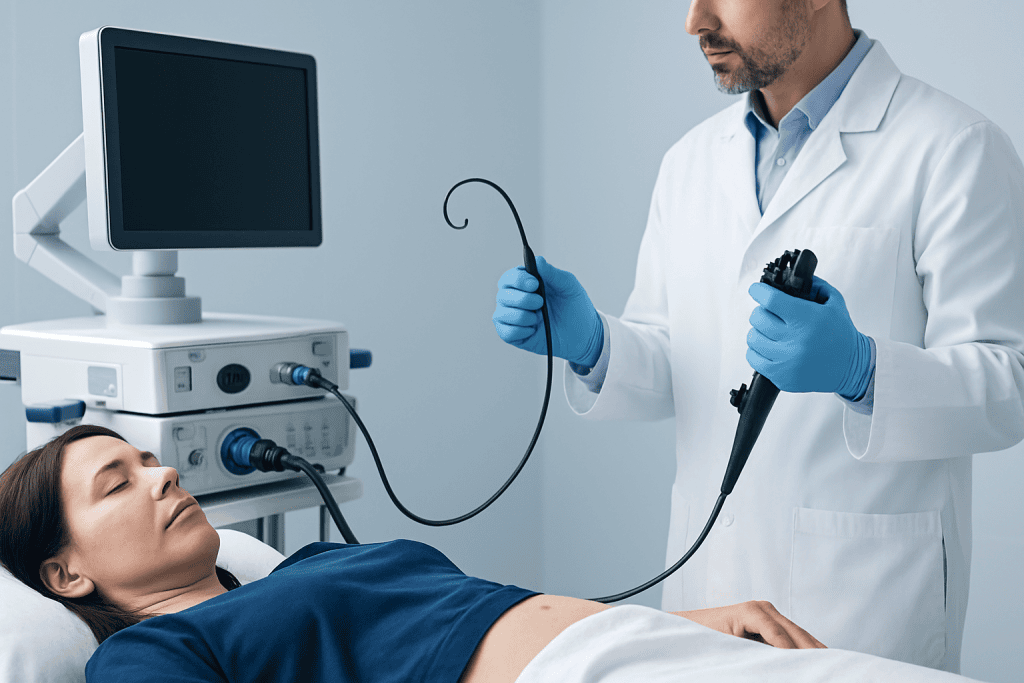
Ureteral stents are commonly used after treatment for kidney stones, after surgery involving the ureter or kidney, or when inflammation or narrowing temporarily affects urine drainage. Their role is to protect kidney drainage while the underlying problem resolves. Leaving a temporary stent in longer than recommended can increase the chance of discomfort, infection, mineral deposits, and difficult removal.
Before removal, the urologist considers why the stent was placed, whether symptoms have settled, and whether there is evidence that urine can drain properly. Some people need imaging, urine testing, or a follow-up assessment before removal, particularly after complex stone treatment, infection, urinary reconstruction, or injury.
Many people receiving care for stones may have previously undergone kidney stone treatment. The stent-removal plan is individualized: some stents are removed within a few days, while others remain longer when ongoing healing or drainage support is needed. Patients should not shorten or extend the planned period without speaking with their clinical team.
Some removable stents have a thin extraction string that exits through the urethra. This can avoid a cystoscopy in selected patients, but it is not appropriate for everyone. The string must not be pulled accidentally, and patients should ask how to manage bathing, exercise, clothing, and sexual activity while it is in place.
Step by Step: What Happens During Stent Removal?

The most common clinic method is cystoscopic removal. The person usually provides a urine sample if requested and may receive local anesthetic gel in the urethra. A flexible cystoscope, a narrow camera with a light, is gently passed through the urethra into the bladder. The clinician locates the lower end of the stent, grasps it with a small instrument, and withdraws the scope and stent together.
The procedure itself often takes only a few minutes. Most adults are awake for ureteral stent removal and can return home the same day. Sedation or anesthesia may be considered for children, people with severe anxiety, those who cannot tolerate the procedure awake, or when removal is expected to be more complicated.
When a stent has a string, the treating team may arrange removal in the clinic or may give clear instructions for the patient to remove it at home on a specified date. A person should only remove stent with string at home when this has been explicitly advised. They should not pull on a string if the timing is uncertain, resistance is felt, the string seems displaced, or new concerning symptoms are present.
Occasionally, a stent is encrusted, migrated, broken, or difficult to grasp. In these cases, removal may require imaging, a more involved endoscopic procedure, or anesthesia. This is one reason follow-up and timely removal are important.
Are You Awake for Ureteral Stent Removal?
Yes, most people are awake for routine ureteral stent removal. A flexible cystoscopy is generally performed as an outpatient procedure using lubricating and numbing gel in the urethra. The team explains what will happen, supports comfortable positioning, and can pause if the person needs a break.
Awake removal is not the right choice for every patient. Sedation or general anesthesia may be appropriate when there are previous difficult procedures, significant pain sensitivity, complex anatomy, a retained or encrusted stent, or a need to perform additional treatment at the same time. The urologist can explain the expected approach before the appointment.
Patients can help by telling the team about prior painful catheterization or cystoscopy, allergies, current medications, pregnancy, urinary symptoms, and worries about the procedure. If sedation is planned, fasting and transport arrangements may be required; the clinic will provide individualized instructions.
How Painful Is Getting a Stent Removed?
Experiences vary, but many people describe ureteral stent removal as brief pressure, burning, urgency to urinate, or an uncomfortable pulling sensation rather than severe pain. The procedure is usually short, and discomfort commonly eases soon after it is completed. Local anesthetic gel may reduce urethral discomfort during cystoscopic removal.
For a short time afterward, mild burning during urination, urinary frequency, pink or light blood-tinged urine, bladder spasms, or aching in the lower abdomen or flank may occur. These symptoms often improve over the next day or two. Following the clinician’s advice on fluid intake and using recommended pain relief can help.
People should not assume that severe pain is normal. Persistent or escalating flank pain, significant nausea or vomiting, difficulty passing urine, fever, chills, or heavy bleeding may indicate a complication or an underlying problem that needs assessment. The treating team should be contacted for tailored advice.
Benefits, Risks, and Recovery After Removal
The main benefit of removing a temporary ureteral stent at the right time is that it restores comfort while avoiding problems associated with prolonged stent use. Symptoms caused by the stent itself, such as urinary urgency, bladder pressure, and flank discomfort during urination, often improve after removal. It also means the device no longer needs monitoring.
Routine removal is generally safe, but no procedure is entirely without risk. Possible short-term effects include urethral irritation, temporary bleeding, urinary discomfort, urinary tract infection, and spasms. Rarely, a stent may be difficult to remove, or the ureter may become temporarily swollen or obstructed after removal, especially when there is still a stone fragment or narrowing.
Most people resume light activities the same day or the following day, depending on how they feel and whether sedation was used. Drinking fluids as advised may help keep urine flowing. If a person has received sedation or anesthesia, they should follow instructions about driving, working, alcohol, and having an adult accompany them home.
Acibadem International’s multidisciplinary specialists and JCI-accredited hospitals diagnose and treat urinary stone and ureter-related conditions for international patients, with follow-up plans tailored to the procedure and the individual’s recovery needs.
Is There Anything I Shouldn't Do After Stent Removal?
After uncomplicated ureteral stent removal, most people can return gradually to normal daily routines. For the first day, it is sensible to avoid strenuous exercise, heavy lifting, and activities that noticeably worsen pain or bleeding. If sedation was used, driving, operating machinery, signing important documents, and drinking alcohol should be avoided for the period specified by the clinical team.
Patients should not ignore symptoms by taking medicines beyond the recommended directions or using leftover antibiotics. Antibiotics are not automatically needed after every stent removal; they are prescribed when the clinician believes they are appropriate. Any questions about blood-thinning medicines, anti-inflammatory pain relievers, or other regular treatment should be directed to the prescribing clinician.
A person should also avoid assuming that ongoing urinary symptoms are always harmless. Light pink urine and mild discomfort may be expected briefly, but worsening symptoms should be reported. Follow-up is particularly important for people with recurrent stones, kidney disease, a single kidney, a urinary infection, or a recent complicated procedure.
What Is the Most Effective Way to Remove a Stent?
The most effective way to remove a stent is the method selected by the clinician who placed it, based on the type of stent and the reason it was needed. For a standard ureteral stent without a string, flexible cystoscopic removal by a trained urologist is the usual approach. It allows the clinician to confirm that the stent has been fully removed and to address unexpected findings.
For an appropriately selected person with an extraction string, planned removal by gentle traction may be effective and convenient. However, a patient should never attempt to remove a stent at home unless the urology team has clearly instructed them to do so, including when to remove it and whom to contact if a problem occurs.
There is no safe home technique for removing a coronary stent. If someone is searching for “remove stent ICD-10,” this usually relates to medical coding for a documented procedure or device management. Coding should be handled by healthcare professionals and should not be used to determine whether or how a stent can be removed.
When to Seek Medical Care
Patients should contact their urology team promptly if they develop fever, chills, worsening or severe flank pain, persistent vomiting, inability to urinate, large blood clots in the urine, heavy bleeding, or symptoms of a urinary tract infection after ureteral stent removal. These symptoms do not always mean a serious problem, but timely assessment is important.
Urgent medical care is also appropriate if a stent string is pulled accidentally, the stent seems to come out earlier than planned, or there is strong resistance when instructed to remove a string stent. Patients should not try repeatedly to pull a stent or push it back into place.
For chest pain, shortness of breath, fainting, or other symptoms that may relate to heart disease, emergency assessment is needed. A heart stent is not a temporary device that can be removed at home; ongoing symptoms after coronary stenting require evaluation by a cardiology team.
Frequently asked questions
Can I remove a ureteral stent at home?
A ureteral stent may be removed at home only if it has an extraction string and the treating urologist has specifically instructed the patient to do so. The patient should follow the exact timing and technique provided and contact the team if there is resistance, severe pain, bleeding, fever, or uncertainty. Stents without a string should be removed by a clinician.
Can a heart stent be removed?
Coronary stents are designed to remain permanently in the artery and are not routinely removed. They become embedded in the vessel lining over time. Symptoms after heart stenting should be assessed by a cardiologist rather than managed by attempting to remove the stent.
How long do symptoms last after ureteral stent removal?
Mild burning, urinary urgency, light blood in the urine, and temporary aching often improve within one to two days. Recovery can vary depending on the original condition and any recent stone or urinary tract procedure. Symptoms that are severe, worsening, or accompanied by fever should be assessed promptly.
Should I drink a lot of water after stent removal?
Many people are advised to maintain normal hydration after removal, unless they have been given fluid restrictions for another health condition. This may help keep urine diluted and support comfortable urination. The patient should follow the specific fluid advice from their clinician, especially if they have heart or kidney disease.
What happens if a ureteral stent is left in too long?
A temporary stent left beyond the recommended date may develop mineral deposits, become more difficult to remove, and increase the risk of infection or blockage. It may also continue to cause urinary discomfort. Patients should keep their scheduled removal appointment and contact the urology team if they are unable to attend.
Is blood in the urine normal after stent removal?
A small amount of pink or blood-tinged urine can occur briefly after ureteral stent removal because the urinary tract may be irritated. It should generally lessen with time. Heavy bleeding, clots, persistent bleeding, severe pain, or fever requires medical advice.
References
- American Urological Association
- European Association of Urology
- National Institute of Diabetes and Digestive and Kidney Diseases
- National Health Service
- Mayo Clinic
This article is for general information only and is not a substitute for professional medical advice. Please consult a qualified doctor about your individual situation.
Heart care in Turkey — expert evaluation and treatment
JCI-accredited · board-certified surgeons · reply within 24h
Add us as a Preferred Source to see more of our trusted health content across Google Search, AI Overviews and Discover.

More from the Health Library



Related Specialists

Pdg. Melek Başaran
Podiatry & Foot Health
Prof. Dr. Çınar Başekim
Radiology
Dt. Kübra Aycan Tavuz
Oral & Dental Health
Assoc. Prof. Dr. Yetkin Zeki Yılmaz
Otorhinolaryngology