Adrenal Tumour Treatment: How It Works, Results and What to Expect

Adrenal tumours are assessed for hormone production and features that may suggest cancer before a treatment plan is chosen. Not every adrenal tumour needs surgery; small, non-functioning benign-looking growths may be monitored.
Key Takeaways
- Adrenal tumours are assessed for hormone production and features that may suggest cancer before a treatment plan is chosen.
- Not every adrenal tumour needs surgery; small, non-functioning benign-looking growths may be monitored.
- Adrenalectomy can often be performed using minimally invasive techniques, although open surgery may be safer for larger or suspected cancerous tumours.
- Careful preparation is essential for hormone-producing tumours, particularly those that release adrenaline-like hormones or cortisol.
- Recovery and long-term follow-up depend on the operation performed, final pathology results and whether the remaining adrenal gland functions normally.
Adrenal tumour treatment is tailored to whether a growth produces excess hormones, appears likely to be cancerous, causes symptoms, or changes over time. Many people are managed with monitoring, while surgery to remove one adrenal gland is often recommended for selected functional or suspicious tumours.
Adrenal tumour treatment: the practical overview
Adrenal tumour treatment may include active monitoring, medicines to control hormone effects, surgery, or cancer-directed treatment. The right approach depends on the tumour’s size, imaging appearance, hormone tests, symptoms, overall health and whether there is concern that it may be malignant.
The adrenal glands sit above the kidneys and make hormones that help regulate blood pressure, metabolism, stress responses and salt balance. A growth may be found incidentally during a scan performed for another reason, or after symptoms prompt hormone testing. Most adrenal tumours are benign, but every newly identified adrenal mass needs a structured assessment.
The central aim is to treat a tumour when its hormone production, growth pattern or appearance could affect health, while avoiding unnecessary procedures for lesions that are unlikely to cause harm. Decisions are usually made with input from endocrinology, endocrine surgery, radiology, pathology and, when needed, oncology.
How treatment decisions are made
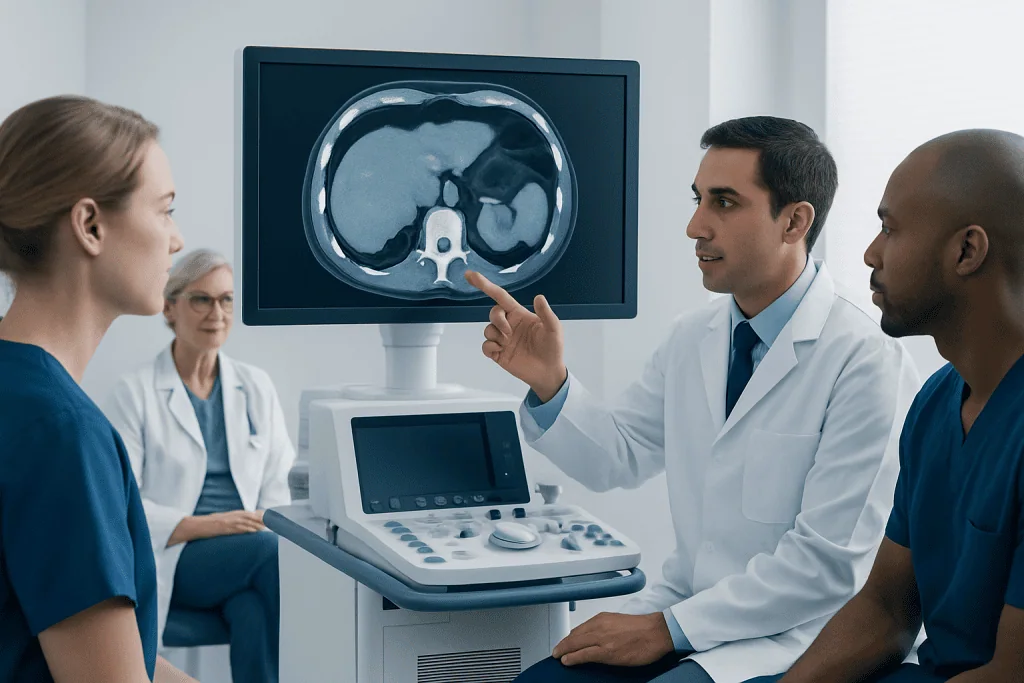
Doctors first determine whether the tumour is functional, meaning it produces hormones in excess. Hormone testing may look for cortisol excess, adrenaline-related hormones called catecholamines, and aldosterone excess in people with high blood pressure or low potassium. A functional tumour may need treatment even when it is small because hormone excess can affect blood pressure, heart health, blood sugar, bone strength and wellbeing.
Imaging with CT or MRI helps assess the tumour’s size, density, shape and internal features. These details can help distinguish a typical benign adenoma from a lesion requiring closer investigation. A scan may also show whether a tumour has changed compared with previous imaging or whether there are signs of spread elsewhere in the body.
Doctors consider the person’s symptoms, medical history, age, surgical fitness and preferences alongside the test results. A biopsy is not routinely used for an adrenal mass. It is considered only in selected circumstances, such as when another cancer is known and the result would change management; a pheochromocytoma must be excluded first because biopsy could trigger dangerous hormone release.
- Monitoring may suit small, non-functioning lesions with reassuring imaging features.
- Surgery is commonly considered for hormone-producing, enlarging or suspicious tumours.
- Additional cancer treatment may be considered if adrenal cancer is diagnosed or strongly suspected.
Who may be a candidate for surgery

Adrenalectomy, the operation to remove an adrenal gland, is often recommended for a confirmed hormone-producing adrenal tumour. Examples include pheochromocytoma, which produces catecholamines; cortisol-producing tumours associated with Cushing syndrome; and aldosterone-producing tumours that cause primary aldosteronism. Surgery may also be advised for a mass with features concerning for adrenal cancer.
Not every person with a hormone abnormality automatically proceeds to surgery. For example, a specialist may use further testing to confirm that aldosterone is coming from one adrenal gland before recommending removal. People with substantial medical conditions may need optimisation before an operation, and occasionally medication or surveillance is the safer choice.
For a tumour that does not produce excess hormones and looks benign on imaging, the care team may recommend observation rather than immediate intervention. This can involve planned clinical review and, in selected cases, repeat imaging or hormone tests. The schedule is individualised, as recommendations vary according to imaging findings and the patient’s clinical situation.
How adrenal tumour surgery works: step by step
Before surgery, patients have blood tests, imaging review and an anaesthetic assessment. If a tumour produces catecholamines, doctors use specific medicines before the procedure to stabilise blood pressure and reduce the risks caused by sudden hormone release. Cortisol-producing tumours may also require particular planning because the body’s normal cortisol production can be suppressed.
The procedure is performed under general anaesthesia. For many benign or small-to-moderate tumours, surgeons use a minimally invasive approach through several small cuts in the abdomen or side. A camera and fine instruments are used to separate the adrenal gland and tumour from nearby tissues and blood vessels. This approach can reduce postoperative discomfort and shorten hospital stay for appropriate candidates.
Open surgery involves one larger incision and may be recommended when a tumour is large, appears invasive, or has a significant possibility of adrenal cancer. It allows the surgeon to remove the tumour intact and, where necessary, nearby involved tissue. The choice of approach is based on safety and cancer-control principles rather than incision size alone.
The removed tissue is examined by a pathologist. The final pathology report helps confirm the tumour type and guides follow-up. Patients considering surgery can discuss the surgical approach, expected recovery and alternatives with a specialist providing adrenalectomy treatment.
Benefits, risks and expected results
The potential benefit of surgery is removal of the tumour and, for functional tumours, reduction or resolution of excess hormone production. Blood pressure, potassium levels, blood sugar control and hormone-related symptoms may improve after successful treatment, although some people still need medicines for pre-existing conditions. When cancer is suspected, complete removal of the tumour offers the best opportunity for local control when feasible.
All operations have risks. These include bleeding, infection, blood clots, pain, injury to nearby organs or blood vessels, and complications related to anaesthesia. Hormone-producing tumours can cause blood-pressure changes during or after surgery, which is why specialist preparation and monitoring are important. Open surgery generally involves a longer recovery and may carry different risks from minimally invasive surgery.
Most people can live normally with one healthy adrenal gland because it can usually produce the hormones the body needs. Temporary steroid replacement may be needed after removal of a cortisol-producing tumour, and some people require longer-term hormone replacement if both glands are affected or the remaining gland cannot produce enough hormones. Follow-up testing is used to identify and manage this safely.
Recovery timeline and follow-up care
After minimally invasive adrenal surgery, many patients begin walking and drinking fluids soon after the operation and may leave hospital within a few days, depending on their condition and the type of tumour treated. Recovery after open surgery usually takes longer. The exact hospital stay and return-to-activity timeline vary with the surgical approach, hormone status, medical history and any complications.
At home, patients are usually advised to gradually increase activity, protect the incision while it heals and avoid heavy lifting until their surgeon confirms it is safe. Tiredness, mild wound discomfort and changes in appetite can occur early in recovery. Worsening pain, fever, persistent vomiting, wound redness or drainage, breathlessness, fainting, or severe blood-pressure symptoms should be discussed urgently with the clinical team.
Follow-up commonly includes wound review, discussion of pathology results and repeat hormone tests where relevant. Those treated for a functional tumour may need adjustments to blood-pressure, diabetes or steroid medicines. If adrenal cancer is confirmed, care may include surveillance imaging and discussion of further treatment with an oncology team.
At Acibadem International, multidisciplinary specialists in JCI-accredited hospitals assess and treat adrenal tumours for international patients, coordinating endocrine evaluation, surgery and follow-up where appropriate.
When to seek medical care
A person should arrange medical assessment if an adrenal mass has been found on imaging, even if there are no symptoms. Evaluation is particularly important for new or difficult-to-control high blood pressure, unexplained low potassium, episodes of palpitations with sweating and severe headaches, unexplained weight changes, easy bruising, muscle weakness or new diabetes.
Urgent medical care is appropriate for severe chest pain, fainting, severe shortness of breath, sudden neurological symptoms, or a very severe headache accompanied by markedly raised blood pressure. These symptoms have many possible causes and do not necessarily indicate an adrenal tumour, but they should not be ignored.
People already being monitored for an adrenal lesion should keep scheduled follow-up appointments and report new symptoms or major changes in blood pressure. A qualified clinician can explain what the imaging and hormone results mean for the individual and whether monitoring, medication or surgery is the most suitable next step.
Frequently asked questions
Do all adrenal tumours need treatment?
No. Many adrenal tumours are benign, do not produce excess hormones and have imaging features that do not suggest cancer. In these cases, a specialist may recommend monitoring rather than surgery, based on the individual findings.
What is the main treatment for an adrenal tumour?
Surgery to remove the affected adrenal gland is the main treatment for many hormone-producing tumours and tumours that are suspicious for cancer. However, treatment may instead involve observation or medicines, depending on the tumour type and the person’s health.
How long does it take to recover from adrenalectomy?
Recovery varies according to whether surgery is minimally invasive or open, as well as the tumour type and a person’s general health. Many people recover more quickly after minimally invasive surgery, while open surgery usually requires a longer period before full activity is resumed.
Can a person live with one adrenal gland?
Yes. One healthy adrenal gland can usually make enough hormones for normal daily life. Some people need temporary hormone replacement after surgery, especially after removal of a cortisol-producing tumour, and their specialist will monitor this carefully.
Is an adrenal tumour always cancer?
No. Most adrenal tumours are not cancerous. Imaging, hormone tests and, when surgery is performed, pathology examination help doctors determine the tumour type and decide on appropriate follow-up.
Why are medicines needed before some adrenal tumour operations?
Some tumours release hormones that can cause major changes in blood pressure during surgery. Medicines given in advance can help stabilise blood pressure and reduce operative risk, particularly for pheochromocytoma.
References
- Endocrine Society
- European Society of Endocrinology
- American Association of Endocrine Surgeons
- National Cancer Institute
- Mayo Clinic
This article is for general information only and is not a substitute for professional medical advice. Please consult a qualified doctor about your individual situation.
Medical weight-loss options in Turkey — costs & eligibility
JCI-accredited · board-certified surgeons · reply within 24h
Add us as a Preferred Source to see more of our trusted health content across Google Search, AI Overviews and Discover.
Check your numbers in seconds
BMI, calories, due date, blood pressure and 30+ more clinical calculators — free, instant, doctor-reviewed ranges.