

Earring Keloid Treatment: How It Works, Results and What to Expect
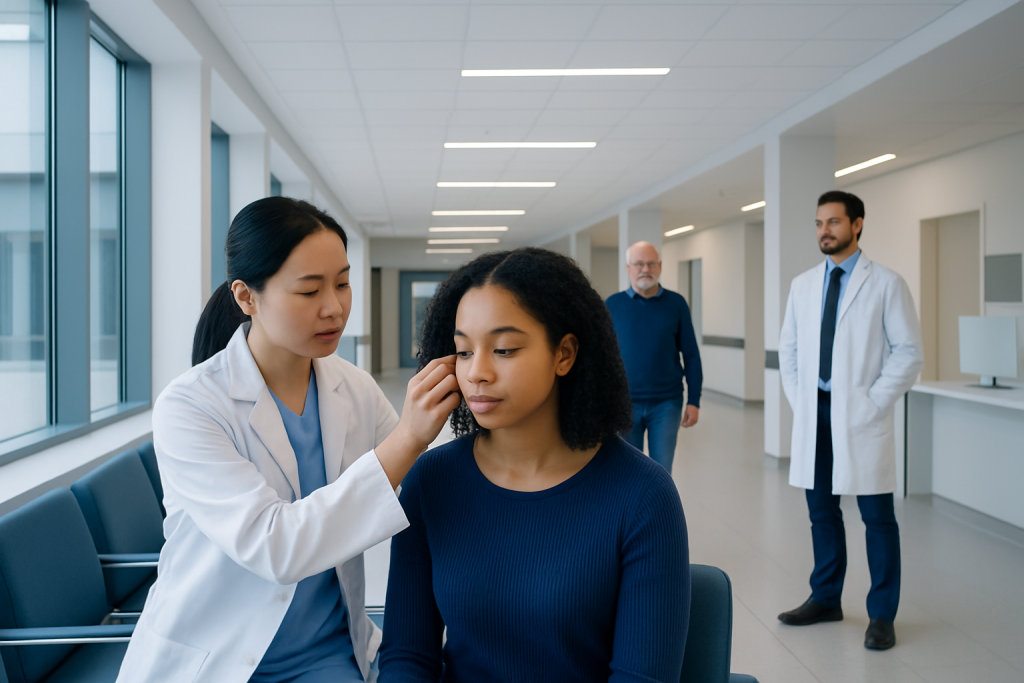
Keloids are raised scars that grow beyond the original piercing or injury site and do not usually disappear without treatment. Ear keloids may be treated with corticosteroid injections, pressure therapy, silicone products, cryotherapy, surgery, laser treatment or a planned combination.
Key Takeaways
- Keloids are raised scars that grow beyond the original piercing or injury site and do not usually disappear without treatment.
- Ear keloids may be treated with corticosteroid injections, pressure therapy, silicone products, cryotherapy, surgery, laser treatment or a planned combination.
- Surgical removal alone has a high chance of recurrence, so clinicians often recommend treatment before or after surgery to reduce this risk.
- Recovery varies with the treatment used; scar changes are gradual and follow-up is an important part of care.
- A new, painful, rapidly changing or draining ear lump should be assessed by a qualified clinician.
Earring keloid treatment aims to reduce or remove the firm, raised scar tissue that may develop after ear piercing or injury. Because keloids can return, the most effective care commonly combines treatments and includes follow-up over time.
Earring Keloid Treatment: How It Works
Earring keloid treatment reduces excessive scar tissue that develops around an ear piercing, commonly on the earlobe or upper ear cartilage. A keloid is a smooth, firm, raised scar that extends beyond the boundaries of the original wound. Treatment may make the keloid flatter, softer, less itchy or painful, and less noticeable; in some cases, it can be removed.
The best approach depends on the keloid’s size, location, symptoms, previous treatments, skin characteristics and likelihood of recurrence. Small lesions may respond to injections and pressure or silicone therapy, while larger or recurring keloids may need a combination plan that includes surgical removal followed by scar-directed treatment. Keloid treatment is usually individualized because no single option prevents recurrence in every person.
It is important to distinguish a keloid from infection, allergic contact dermatitis from jewellery, an epidermoid cyst or a hypertrophic scar. Hypertrophic scars remain within the original wound border and may improve over time, whereas keloids tend to persist and can continue growing beyond it.
Will earring keloids go away?

Earring keloids usually do not go away completely on their own. Some may become less active over time, with reduced redness, itching or tenderness, but the raised scar tissue often remains without treatment. A clinician can advise whether observation is reasonable or whether treatment may help with symptoms, appearance or further growth.
Keloids are not cancerous and do not spread to other parts of the body. However, they can enlarge gradually, feel uncomfortable when touched, catch on clothing or jewellery, and affect confidence. Early assessment is often helpful when a bump is increasing in size after a piercing.
Even after successful treatment, a keloid can recur. This is why clinicians may recommend more than one treatment method and scheduled follow-up rather than relying on surgical excision alone.
Candidacy and Assessment Before Treatment

People may be candidates for earring keloid treatment if they have a persistent raised scar at a piercing site, discomfort such as itching or pain, repeated irritation, or concerns about the lesion’s appearance. Assessment is also appropriate when a lump develops after ear piercing but its cause is uncertain.
During an appointment, a dermatologist, plastic surgeon or other appropriately trained clinician will ask about the piercing, the timing of the lump, family history of keloids, previous scars and earlier treatments. They will examine the ear and surrounding skin. Most keloids can be diagnosed clinically, although a biopsy may occasionally be advised when the appearance is unusual or another diagnosis needs to be excluded.
People who have developed keloids before, have a family history of keloids, or have darkerly pigmented skin may have a higher tendency to form keloids. This does not mean treatment cannot work, but it helps the care team plan prevention and follow-up carefully. Related scar concerns can also be reviewed during hypertrophic scar assessment.
Step by Step: What Happens During Earring Keloid Treatment?
The procedure begins with a discussion of goals, expected benefits, possible side effects and the chance of recurrence. Clinical photographs and measurements may be used to monitor change over time. If the keloid is small, treatment may start with corticosteroid injections placed directly into the scar, sometimes combined with another medication or method selected by the clinician.
For surgical treatment, the area is usually numbed with local anaesthetic. The surgeon removes the visible keloid while aiming to preserve the ear’s natural shape. The wound is then closed with fine sutures when appropriate. Because removal alone often leads to regrowth, a post-procedure plan may include injections, pressure earrings, silicone gel or sheets, cryotherapy, laser treatment, or in selected situations, carefully planned radiotherapy.
Pressure earrings are custom devices that apply steady pressure to the earlobe while it heals. They may be recommended after excision of earlobe keloids and need to be worn according to the clinician’s instructions. Silicone products may help improve scar hydration and texture, but should only be used once the skin has healed sufficiently and as directed.
Complex, recurrent or large keloids may benefit from coordinated dermatology and plastic surgery input. Acibadem International’s multidisciplinary specialists and JCI-accredited hospitals assess and treat keloids for international patients, with care plans tailored to the person and the scar.
Recovery Timeline, Benefits and Possible Risks
Recovery depends on the treatment. After an injection, mild soreness, redness or swelling may settle within a few days. After surgery, the wound generally needs routine care and protection while it closes, and sutures may be removed according to the surgical plan. Pressure therapy or silicone treatment, when recommended, often continues for months because scar remodeling is gradual.
Changes in size and firmness are usually assessed over several weeks to months, not overnight. Steroid injections are commonly repeated at intervals when needed. After surgery, follow-up appointments allow the team to identify early thickening and adjust treatment promptly. The full course can therefore extend over several months, especially when recurrence prevention is included.
Potential benefits include a flatter scar, reduced itch or pain, improved comfort and a more balanced ear contour. Possible risks vary by method and can include temporary tenderness, pigment changes, skin thinning after steroid injections, delayed healing, infection, changes in ear shape, and recurrence. Rarely, treatments may not produce the degree of improvement a person hopes for.
Following wound-care instructions, avoiding unnecessary friction and attending scheduled reviews can support healing. It is usually sensible to avoid re-piercing the affected area unless a clinician has discussed the individual risk and timing.
What shrinks keloids naturally?
No natural remedy has been shown to reliably shrink or remove a keloid. Oils, herbal preparations, vinegar, toothpaste, abrasive scrubs and home cutting methods can irritate or injure the skin. Additional inflammation or trauma may worsen scar growth, particularly in people who are prone to keloids.
Gentle measures can still support comfort and skin protection. These include avoiding rubbing and tight jewellery, using fragrance-free products around sensitive skin, protecting a healing wound as instructed, and not picking at the area. Silicone gel or sheets are medical scar products rather than natural remedies, and should be used only with professional advice on the appropriate timing.
For a changing ear lump, the safest next step is an evaluation by a dermatologist or surgeon. Evidence-based options can be selected based on the diagnosis, rather than trying treatments that may delay care or cause irritation.
How to tell if your keloid is healing?
A keloid that is responding to treatment may gradually feel softer, become flatter, look less red or darker, and cause less itching, pain or tenderness. These changes tend to occur slowly. The scar may not disappear, and improvement should be judged over several weeks or months rather than from day to day.
After surgery, normal healing may include mild swelling, temporary bruising and sensitivity near the incision. The care team will explain how to look after the wound and what is expected for that procedure. Keeping follow-up appointments is particularly important because a small area of new firmness may be easier to treat early.
Increasing redness, warmth, swelling, discharge, fever, worsening pain, wound separation, or rapid growth of the scar should be discussed with a clinician. These signs do not always indicate a serious problem, but they should not be managed with home remedies alone.
How long does keloid treatment take?
Keloid treatment duration varies widely. A small keloid treated with injections may need several appointments over months, while a larger lesion treated surgically may require wound healing followed by prolonged pressure, silicone therapy or repeat injections. Scar tissue continues to remodel for many months after a procedure.
The treatment timeline is influenced by the keloid’s size, whether it has been treated before, its location on the ear, the method used and the person’s tendency to form keloids. Clinicians usually assess progress at regular intervals and may alter the plan if the scar remains active or starts thickening again.
A realistic goal is steady improvement and lowering the chance of regrowth, rather than a guaranteed permanent cure after one treatment. A qualified clinician can give a more individualized timeframe after examining the scar.
Frequently asked questions
Can an earring keloid be removed completely?
An earring keloid can often be reduced substantially or surgically removed, but complete and permanent removal cannot be guaranteed. Keloids have a tendency to recur, particularly if surgery is used without additional scar-prevention treatment. A combined plan may reduce this risk.
Are steroid injections for ear keloids painful?
Injections can cause brief discomfort because medication is placed into firm scar tissue. Clinicians may use techniques to improve comfort, such as local anaesthetic or topical numbing options when appropriate. Tenderness afterward is usually temporary.
Can I wear earrings during keloid treatment?
This depends on the location of the keloid and the treatment plan. Jewellery may irritate the scar or place pressure on a healing area, so a clinician may advise avoiding earrings temporarily. Pressure earrings are different from ordinary jewellery and should only be used when prescribed or fitted for treatment.
Can I get my ear pierced again after a keloid?
Re-piercing can trigger another keloid, especially in someone who has already developed one after an ear piercing. It is best to discuss this risk with a dermatologist or surgeon before considering another piercing. They may advise avoiding further piercing, particularly in the same area.
Is an ear keloid the same as an infected piercing bump?
No. An infected piercing may cause redness, warmth, increasing pain and discharge, whereas a keloid is a firm overgrowth of scar tissue that develops over time. Both can occur near a piercing, so an examination is useful when the cause is unclear.
When should I seek medical care for an ear keloid?
Medical assessment is appropriate if a bump is growing, painful, itchy, repeatedly irritated or causing concern after an ear piercing. Prompt care is especially important for warmth, spreading redness, pus, fever, bleeding, rapid change or a wound that is not healing. A clinician can confirm the diagnosis and discuss suitable treatment options.
References
- American Academy of Dermatology Association
- American Society of Plastic Surgeons
- National Health Service
- Mayo Clinic
- DermNet
This article is for general information only and is not a substitute for professional medical advice. Please consult a qualified doctor about your individual situation.
Explore treatments in Turkey — costs, top hospitals & a free quote
JCI-accredited · board-certified surgeons · reply within 24h
Add us as a Preferred Source to see more of our trusted health content across Google Search, AI Overviews and Discover.

More from the Health Library



Related Specialists

Dr. Harun Ayangil
Pediatric Surgery
Assoc. Prof. Dr. Emrullah Hayta
Physical Medicine & Rehabilitation
Prof. Dr. Tülin Tuğlular
Hematology
Dr. Ioseb Gabunia
Inpatient Clinic Physicians Clinical Service