Umbilical Hernioplasty Procedure: Procedure, Recovery and Results

Umbilical hernioplasty repairs an umbilical hernia and may use sutures alone or sutures plus mesh. Most people go home the same day and can walk gently soon after surgery.
Key Takeaways
- Umbilical hernioplasty repairs an umbilical hernia and may use sutures alone or sutures plus mesh.
- Most people go home the same day and can walk gently soon after surgery.
- Soreness and fatigue are common in the first several days; strenuous lifting is usually restricted for several weeks.
- Recovery plans vary according to the hernia size, surgical approach, general health and type of work.
- Sudden severe pain, a hard tender bulge, vomiting or an irreducible hernia requires urgent medical assessment.
An umbilical hernioplasty procedure is surgery to repair a weakness or opening in the abdominal wall at or near the belly button. The surgeon returns the hernia contents to the abdomen and closes the defect with stitches, sometimes reinforcing the repair with mesh to reduce the chance of recurrence.
Overview: what is an umbilical hernioplasty procedure?
An umbilical hernioplasty procedure is an operation that repairs an umbilical hernia, a bulge caused by tissue pushing through a weak area in the abdominal wall near the belly button. The protruding tissue may contain fatty tissue or, less commonly, part of the intestine. Repair aims to restore the strength of the abdominal wall, relieve symptoms when present and reduce the risk of the hernia becoming trapped.
During the operation, the surgeon gently returns the hernia contents to their usual position and closes the opening in the abdominal wall. Small defects may be repaired with strong stitches. For larger defects or situations with a higher chance of recurrence, a surgical mesh may be placed to reinforce the area. The choice is individualized after discussion between the patient and surgeon.
Umbilical hernias do not always cause immediate danger, but they do not typically close on their own in adults. A planned repair is often considered when the hernia is painful, enlarging, difficult to reduce, or affecting daily activities. Umbilical hernia information can help patients understand the condition before discussing treatment options.
Who may benefit and how the repair is planned
A surgeon may recommend repair for adults with symptoms such as discomfort, pressure or a visibly enlarging lump. Surgery may also be advised when the hernia is becoming less easily reducible, meaning it no longer slips back inside when lying down or with gentle pressure. Some small, painless hernias can be monitored, but this decision should be made with a clinician who can assess the individual risk.
Before surgery, the healthcare team reviews symptoms, medical history, previous abdominal operations, medications, smoking status and conditions that affect wound healing, such as diabetes. Examination is often enough to diagnose an umbilical hernia. Ultrasound or CT imaging may be used if the diagnosis is uncertain, the hernia is large, or more detailed surgical planning is needed.
Weight management where appropriate, smoking cessation and good control of long-term health conditions can support safer surgery and healing. Patients should tell their team about blood-thinning medicines, supplements, allergies and any past problems with anesthesia. The surgeon will explain whether an open, laparoscopic or robotic approach is suitable and whether mesh reinforcement is likely to be recommended.
How the operation works: step by step
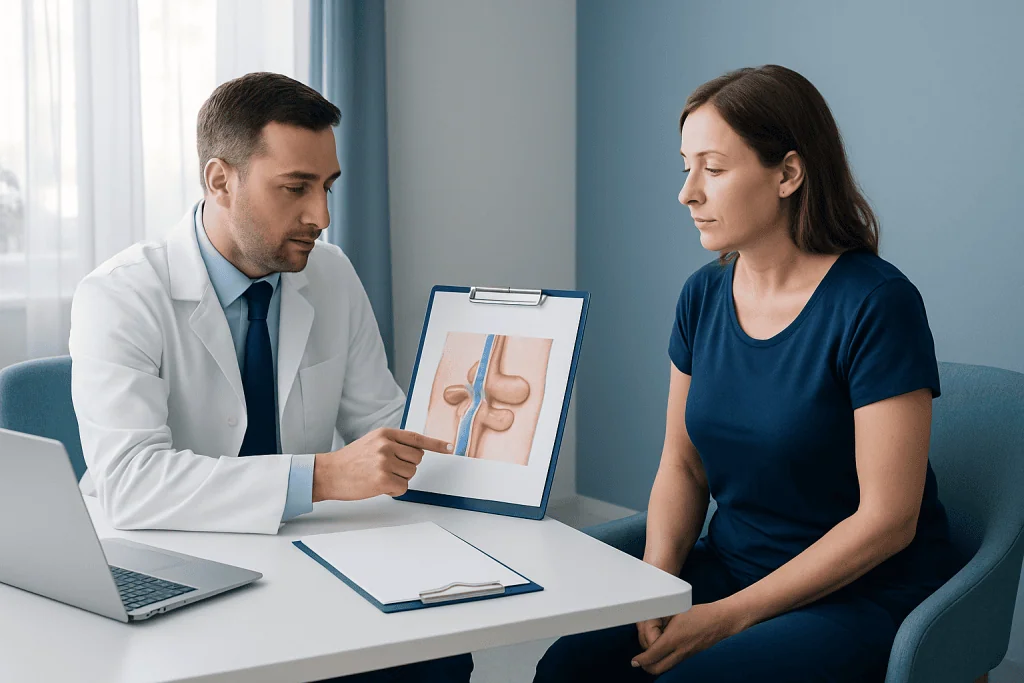
Umbilical hernia repair is commonly performed under general anesthesia, so the patient is asleep and does not feel the operation. In selected cases, local or regional anesthesia with sedation may be considered. Many straightforward repairs are day procedures, although an overnight stay can be appropriate for larger or more complex hernias and for people with significant health needs.
In an open repair, the surgeon makes a small incision near the belly button, identifies the hernia sac and carefully returns its contents to the abdomen. The weak opening is then closed with sutures. If mesh is used, it is positioned in or around layers of the abdominal wall to provide durable support; the precise placement depends on the anatomy and repair technique.
In laparoscopic or robotic repair, the surgeon works through several small incisions using a camera and specialized instruments. This approach may be useful for some larger, recurrent or complex hernias, although it is not necessary for every patient. At the end of either approach, the incisions are closed and covered with dressings. Hernia surgery planning includes choosing the approach that best fits the hernia and the patient’s overall health.
Benefits, limitations and possible risks
The main benefits of an umbilical hernioplasty procedure are correction of the bulge, improvement in hernia-related discomfort and prevention of future complications related to an enlarging or trapped hernia. Most people recover well, but surgery cannot guarantee that a hernia will never return. Recurrence risk depends on factors such as hernia size, tissue quality, wound healing, smoking, obesity, chronic cough and heavy physical strain.
Expected short-term effects include pain or tightness around the incision, bruising, swelling and temporary tiredness. These usually improve steadily. The belly button may initially look swollen or different from its final appearance while the tissues heal.
Less common risks include bleeding, fluid collection, wound infection, damage to nearby structures, persistent pain, anesthesia-related complications, mesh infection or a recurrent hernia. The surgical team discusses relevant risks in the context of the planned technique. Promptly reporting concerning symptoms helps complications, if they occur, to be assessed and treated early.
Recovery timeline and practical aftercare
Recovery is gradual rather than identical for every person. Most patients are encouraged to stand and take short walks on the day of surgery or the following day, as movement supports circulation and bowel function. Pain is often most noticeable during the first few days, especially when changing position, coughing or laughing, and prescribed or recommended pain relief should be used exactly as advised.
Many people return to light daily activities within several days to two weeks. Desk-based work may be possible after about one to two weeks if pain is controlled and the individual is not taking sedating pain medicine. Physically demanding work, strenuous exercise and lifting restrictions commonly last several weeks; the surgeon’s instructions should take priority because the appropriate timing depends on the repair.
Keep the wound clean and dry according to the discharge guidance. Patients should eat fiber-rich foods, drink enough fluids and follow advice about stool softening if needed, because straining with constipation can be uncomfortable after abdominal surgery. A follow-up appointment allows the team to check healing, discuss activity progression and answer questions about the scar or belly-button appearance.
For coordinated surgical assessment and follow-up, Acibadem International’s multidisciplinary specialists and JCI-accredited hospitals diagnose and treat hernia conditions for international patients.
When to seek medical care
Urgent medical assessment is needed before or after surgery if there is sudden severe or worsening abdominal pain, a firm painful hernia bulge that cannot be gently reduced, nausea or vomiting, abdominal swelling, fever, or inability to pass stool or gas. These symptoms can indicate a trapped or obstructed hernia and should not be managed at home.
After an operation, patients should contact their surgical team promptly for increasing redness, warmth, drainage or separation of the wound; fever; pain that is worsening rather than improving; persistent vomiting; new shortness of breath; chest pain; or one-sided leg swelling. These symptoms do not always mean a serious complication, but they need timely professional advice.
It is also reasonable to arrange a routine review for a new bulge, persistent discomfort, concerns about the scar, or questions about returning to sport, work or lifting. Individualized guidance is safer than relying on a fixed timeline from another person’s recovery.
Frequently asked questions
How long should you rest after umbilical hernia surgery?
Complete bed rest is usually not recommended after uncomplicated umbilical hernia surgery. Gentle walking is commonly encouraged within a day, while heavier activity is limited for several weeks. Many people need a few days to two weeks away from routine work, but the right timeframe depends on the type of repair, pain level and physical demands of the job.
What is the hardest day after hernia surgery?
For many people, the first two to three days are the most uncomfortable because anesthesia effects have worn off and the incision is sore with movement. Some people find the first bowel movement challenging, particularly if pain medicine causes constipation. Pain and energy levels should gradually improve rather than worsen; worsening symptoms should be discussed with the surgical team.
What are the do's and don'ts after umbilical hernia surgery?
Patients should take short walks, use pain relief as instructed, care for the wound according to discharge advice, eat and drink regularly, and attend follow-up appointments. They should avoid heavy lifting, strenuous core exercises, driving while affected by pain medicine, smoking and activities that cause significant pulling pain until cleared by their surgeon. They should also avoid straining during bowel movements and seek advice if constipation develops.
Will my belly button look normal again after hernia surgery?
In many cases, the belly button has a natural-looking appearance after healing, although temporary swelling and bruising are common. The final shape can take weeks to months to settle and may differ slightly from before surgery, particularly after a large hernia or complex repair. The surgeon can explain what is realistic for the individual hernia and planned technique.
Is mesh always used in an umbilical hernioplasty procedure?
No. Some small umbilical hernias can be repaired with stitches alone. Mesh may be recommended for larger defects or when additional reinforcement could lower recurrence risk. The decision considers the hernia size, tissue quality, medical history, surgical approach and the person’s preferences.
Can an umbilical hernia come back after surgery?
Yes, recurrence is possible even after a well-performed repair, although many repairs are durable. Factors such as smoking, obesity, poor wound healing, chronic cough, constipation and repeated heavy strain can increase the likelihood. Following postoperative restrictions and addressing modifiable risk factors may support healing and reduce strain on the repair.
References
- American College of Surgeons
- National Institute of Diabetes and Digestive and Kidney Diseases
- European Hernia Society
- National Health Service
This article is for general information only and is not a substitute for professional medical advice. Please consult a qualified doctor about your individual situation.
Persistent digestive symptoms? Get evaluated in Turkey
JCI-accredited · board-certified surgeons · reply within 24h
Add us as a Preferred Source to see more of our trusted health content across Google Search, AI Overviews and Discover.