Bowel Resection: Procedure, Recovery and Results
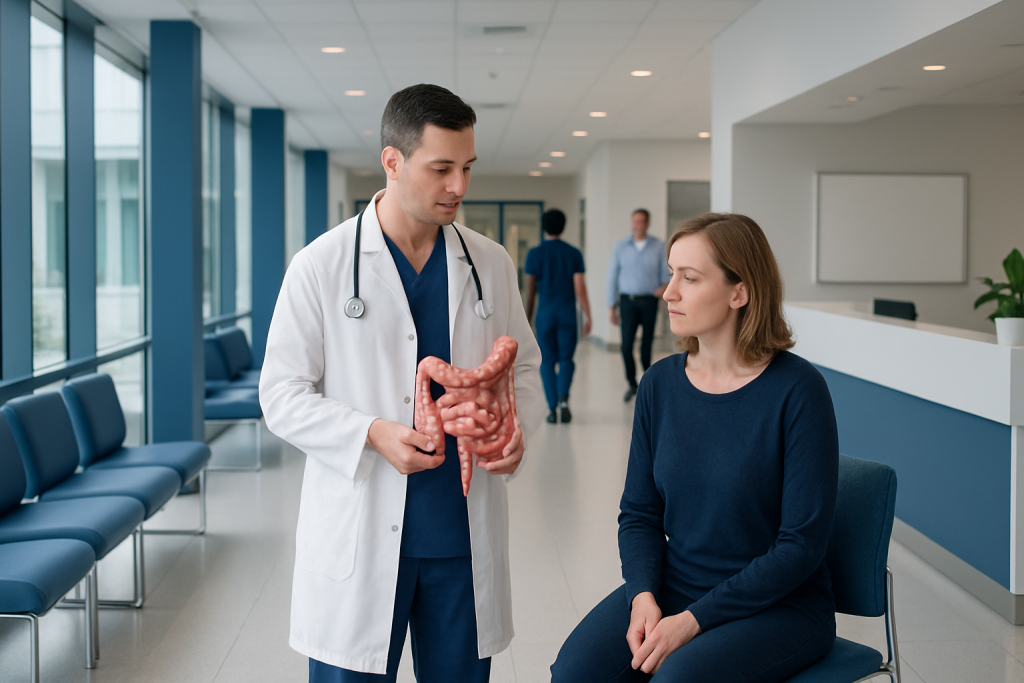
Bowel resection may involve the small intestine, colon, rectum, or more than one bowel segment. Surgery can be performed through open, laparoscopic, or robot-assisted approaches, depending on the condition and anatomy.
Key Takeaways
- Bowel resection may involve the small intestine, colon, rectum, or more than one bowel segment.
- Surgery can be performed through open, laparoscopic, or robot-assisted approaches, depending on the condition and anatomy.
- Pain and bowel changes are common during early recovery, but are usually managed with a tailored recovery plan.
- The first bowel movement often occurs within a few days after surgery, although timing varies.
- Urgent medical assessment is needed for severe worsening pain, fever, repeated vomiting, wound concerns, or inability to pass stool or gas with abdominal swelling.
Bowel resection is surgery to remove a damaged, blocked, inflamed or cancerous part of the small or large intestine. The remaining bowel is usually joined together, although some people need a temporary or permanent stoma to allow waste to leave the body safely.
Overview: What Is Bowel Resection?
Bowel resection is an operation that removes a section of the intestine that is diseased, injured, blocked, or affected by cancer. It may involve the small bowel, the large bowel (colon), or the rectum. After the affected section is removed, the surgeon commonly joins the healthy ends together; this connection is called an anastomosis.
In some situations, reconnecting the bowel immediately would not be safe. The surgeon may instead create a stoma, an opening on the abdomen that brings bowel to the skin surface so stool can collect in a pouch. A stoma can be temporary while the bowel heals or, less commonly, permanent.
The purpose of bowel resection depends on the underlying problem. It may remove a tumor, relieve an obstruction, treat a perforation or severe bleeding, or address complications of inflammatory bowel disease or diverticular disease. The expected result is to remove or control the source of illness while preserving as much healthy bowel function as possible.
Why It Is Recommended and Who May Be a Candidate
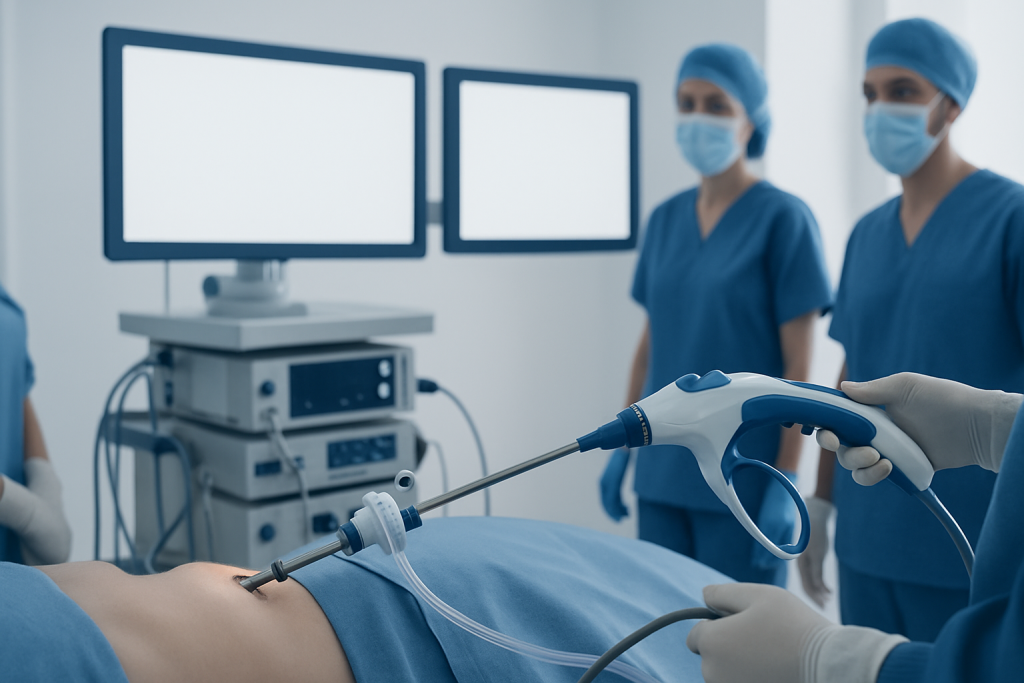
A surgical team may recommend bowel resection when non-surgical treatment cannot adequately manage a bowel condition or when urgent treatment is needed. Common reasons include colorectal cancer, a bowel blockage, intestinal injury, reduced blood supply to the intestine, severe diverticulitis, uncontrolled bleeding, or complications of Crohn’s disease and ulcerative colitis.
Planned surgery is often considered after a detailed assessment of symptoms, scan results, prior treatments, general health, nutrition, and the location of the bowel problem. Emergency surgery may be required for conditions such as perforation, severe obstruction, uncontrolled infection, or loss of blood supply to bowel tissue.
Candidacy is individual. Age alone does not determine whether surgery is suitable, but heart and lung health, kidney function, diabetes, nutritional status, medications, prior abdominal operations, and ability to recover safely all matter. People undergoing surgery for cancer may also meet with oncology specialists to coordinate treatment before or after the operation.
- Small bowel resection removes part of the small intestine.
- Colectomy removes part or all of the colon.
- Low anterior resection removes part of the rectum while preserving the anus when possible.
- Proctocolectomy removes the colon and rectum and may require a permanent ileostomy or internal pouch reconstruction.
How Bowel Resection Works: Step by Step

Before surgery, patients usually have blood tests and imaging, such as CT or MRI scans, to define the bowel problem and plan the operation. Depending on the reason for surgery, they may also need colonoscopy, nutritional support, bowel preparation, or a discussion with a stoma care nurse. The surgical and anesthesia teams review medications, including blood thinners, diabetes medicines, and supplements.
During the operation, the patient receives general anesthesia and is asleep. The surgeon may use an open approach through a larger abdominal incision, or a minimally invasive laparoscopic or robot-assisted approach using several small incisions. The safest method depends on the condition being treated, the extent of disease, prior surgery, and whether the procedure is planned or urgent.
The surgeon identifies the affected bowel segment, divides its blood supply in a controlled way, and removes the necessary portion. Nearby lymph nodes may also be removed when cancer is suspected or confirmed. The remaining bowel ends may be joined together, or the surgeon may form an ileostomy or colostomy if diversion is needed.
After surgery, the removed tissue is examined in a laboratory. For cancer surgery, the pathology report helps describe the diagnosis, margins, lymph nodes, and whether further treatment should be considered. Bowel resection surgery is planned collaboratively by colorectal surgeons, anesthesiologists, radiologists, pathologists, gastroenterologists, and other specialists as needed.
Recovery Timeline and Expected Results
Recovery begins in the hospital, where the care team monitors pain control, breathing, circulation, wound healing, urine output, and the return of bowel function. Patients are encouraged to begin gentle movement as soon as it is safe, because early walking supports circulation, lung function, and recovery. Food and fluids are restarted gradually according to the type of operation and the return of bowel activity.
Hospital stay varies widely. It can be shorter after uncomplicated minimally invasive planned surgery and longer after open surgery, emergency surgery, major bowel removal, or complications. Before discharge, patients should understand their pain plan, diet progression, wound care, activity restrictions, medication changes, follow-up appointments, and stoma care where relevant.
At home, fatigue is common and recovery is usually gradual. Many people can increase light daily activity over several weeks, while complete recovery may take longer after extensive or open surgery. Bowel habits can temporarily change, with more frequent stools, loose stools, constipation, urgency, or gas. The body often adapts over time, but persistent symptoms should be discussed with the surgical team.
Results depend largely on why surgery was needed and how much bowel was removed. Resection may resolve an obstruction, remove cancerous tissue, control infection, or improve symptoms caused by a damaged bowel segment. People who have a large amount of small intestine removed may need specialized nutrition support because nutrient and fluid absorption can be reduced.
How Bad Is the Pain After Bowel Resection?
Pain after bowel resection is expected, especially during the first few days, but it should be actively managed rather than endured. Discomfort can come from the abdominal incisions, deeper healing tissues, gas used during minimally invasive surgery, and movement such as coughing, standing, or walking. The intensity differs according to the surgical approach, the size of the operation, and individual health factors.
Hospitals commonly use a multimodal pain plan, combining different methods to reduce reliance on opioid medicines when appropriate. This may include non-opioid pain medicines, local anesthetic techniques, medicines for nausea, and short-term stronger pain relief if needed. Taking medication exactly as directed and reporting uncontrolled pain helps the team adjust the plan safely.
Pain should gradually improve, not steadily worsen. Sudden severe abdominal pain, pain accompanied by fever or repeated vomiting, or pain with a swollen abdomen, faintness, or wound drainage needs prompt medical advice. Gentle walking, supported coughing with a pillow, rest, and following incision-care instructions can make recovery more comfortable.
How Long to Poop After Colon Resection?
After colon resection, the first passage of gas or stool commonly takes a few days, but there is no exact schedule for every person. The bowel can temporarily slow down after anesthesia and abdominal surgery. Care teams listen for bowel activity, monitor bloating and nausea, and decide when it is appropriate to advance food and drink.
Once bowel movements begin, stool pattern may be different from usual. Some people have loose or more frequent stools, while others have constipation from reduced activity, dehydration, pain medicines, or limited food intake. If a stoma was created, output often begins within several days and is monitored carefully for amount and consistency.
Patients should contact their surgical team if they cannot keep fluids down, have increasing abdominal swelling or cramping, repeatedly vomit, or have no gas or stool together with worsening discomfort. The team can determine whether these symptoms are part of expected recovery or require assessment for ileus, obstruction, infection, or another complication.
Is Bowel Resection a Serious Surgery? Risks and Benefits
Yes. Bowel resection is a major operation because it involves anesthesia, abdominal surgery, and removal and repair of part of the digestive tract. Even so, it is a well-established procedure performed for many serious and potentially treatable bowel conditions. Careful preparation, experienced surgical care, and structured recovery pathways help reduce risk.
Possible complications include bleeding, infection, blood clots, injury to nearby structures, pneumonia, delayed return of bowel function, and scar-related bowel obstruction later on. A connection between bowel ends can leak in some cases, which is a serious complication that may require antibiotics, drainage, or additional surgery. The individual risk depends on the urgency of surgery, bowel condition, operation type, nutrition, smoking status, and other health conditions.
Potential benefits include removing diseased tissue, relieving pain or blockage, treating complications, and obtaining a clear diagnosis. For people with cancer, surgery may be a central part of treatment, sometimes alongside chemotherapy, radiation therapy, or both. The surgical team explains the expected benefit, alternatives, possible need for a stoma, and risks that are most relevant to the individual.
Acibadem International’s multidisciplinary specialists and JCI-accredited hospitals diagnose and treat bowel conditions for international patients, with care plans tailored to the underlying diagnosis and recovery needs.
What Not to Do After Bowel Resection and When to Seek Medical Care
After bowel resection, patients should not resume strenuous exercise, heavy lifting, driving while taking sedating pain medicine, smoking, or alcohol use without first following the surgeon’s guidance. They should not stop prescribed medicines, take new supplements, or use laxatives, anti-diarrheal medicines, or non-prescribed anti-inflammatory pain medicines without checking with the care team, as advice depends on the operation and overall health.
It is also important not to ignore nutrition and hydration. Patients should follow their recommended diet progression, eat smaller meals if advised, and drink enough fluid unless a clinician has set restrictions. If a stoma is present, stoma nurses can provide practical teaching about pouching systems, skin protection, hydration, and signs that output needs review.
Medical care should be sought urgently for severe or worsening abdominal pain, fever, chills, repeated vomiting, chest pain, shortness of breath, fainting, a markedly swollen abdomen, heavy rectal bleeding, or inability to pass stool or gas with increasing discomfort. Patients should also contact their surgical team for increasing redness, warmth, pus-like drainage, separation of the incision, or concerns about a stoma’s color or output.
Routine follow-up is important even when recovery appears smooth. The team reviews wound healing, pathology findings when relevant, bowel function, nutrition, and next steps in treatment. People with chronic digestive conditions may also benefit from coordinated follow-up with gastroenterology and nutrition services.
Frequently asked questions
How long does bowel resection surgery take?
The operation length depends on the bowel segment involved, the reason for surgery, whether it is open or minimally invasive, and whether a stoma or additional procedure is needed. It may take several hours. The surgical team can provide a more individualized estimate after reviewing the planned operation.
Can a person live normally after bowel resection?
Many people return to active daily lives after recovery, particularly when a limited bowel segment is removed. Bowel habits may change for a period of time, and some people need dietary adjustments or medicine. Outcomes depend on the amount and type of bowel removed and the condition being treated.
Will a stoma be permanent after bowel resection?
Not always. A stoma may be temporary when the bowel connection needs time to heal or when surgery is performed in an emergency. Whether it can be reversed depends on the remaining bowel, healing, the original condition, and overall health.
What should a person eat after bowel resection?
Diet is reintroduced gradually and should follow the instructions given by the surgical team. Some people begin with clear fluids and advance to easy-to-digest foods, while others need a different plan based on their operation. Adequate protein, fluids, and gradual dietary changes can support healing.
How long should lifting be avoided after bowel resection?
The restriction period varies by procedure and surgical approach, so the operating team’s advice should be followed. Heavy lifting and strenuous abdominal exercise are commonly limited during early healing to protect the incision and internal repair. Patients can ask at follow-up when it is safe to progress activity.
Can bowel resection be done laparoscopically?
Yes, many planned bowel resections can be performed with laparoscopic or robot-assisted techniques. These approaches use smaller incisions and may support a shorter recovery for some patients. However, open surgery may be safer or necessary in certain conditions, particularly complex or emergency cases.
References
- American College of Surgeons
- National Institute of Diabetes and Digestive and Kidney Diseases
- National Cancer Institute
- American Society of Colon and Rectal Surgeons
- NHS
This article is for general information only and is not a substitute for professional medical advice. Please consult a qualified doctor about your individual situation.
Persistent digestive symptoms? Get evaluated in Turkey
JCI-accredited · board-certified surgeons · reply within 24h
Add us as a Preferred Source to see more of our trusted health content across Google Search, AI Overviews and Discover.

More from the Health Library



Related Specialists

Prof. Dr. Metin Keskin
General Surgery
Assoc. Prof. Dr. Yasemin Koyuncu
Dermatology
Dr. Zafer Bahri Demirel
Otorhinolaryngology
Dr. Ülkü Tuba Parlakkılıç
Radiology