Chemotherapy for Lung Cancer: How It Works, Results and What to Expect
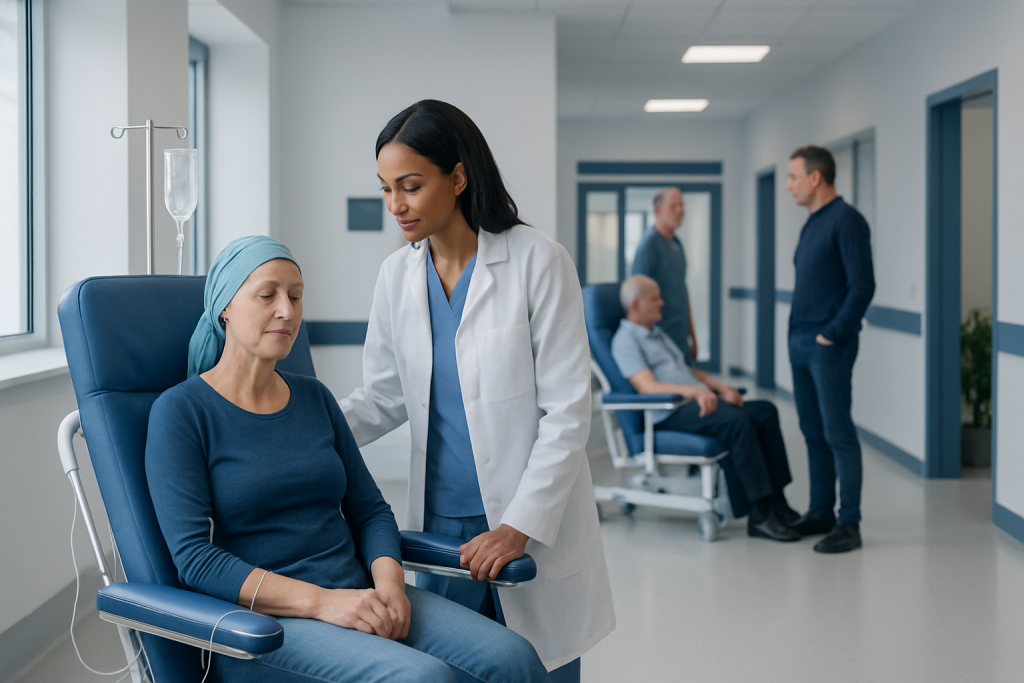
Chemotherapy may be given with curative intent, to reduce recurrence risk, or to control cancer that cannot be removed completely. The best treatment plan depends on the lung cancer type, stage, molecular test results, overall health and personal goals.
Key Takeaways
- Chemotherapy may be given with curative intent, to reduce recurrence risk, or to control cancer that cannot be removed completely.
- The best treatment plan depends on the lung cancer type, stage, molecular test results, overall health and personal goals.
- Treatment is usually delivered in cycles with planned rest periods, allowing the body time to recover.
- Side effects vary widely and can often be prevented, reduced or treated with supportive care.
- Scans, examinations, blood tests and symptom changes help the oncology team assess whether treatment is working.
Chemotherapy for lung cancer uses anti-cancer medicines that circulate through the bloodstream to kill cancer cells or slow their growth. It may be used before or after other treatments, together with radiation or immunotherapy, or to control advanced lung cancer and relieve symptoms.
Overview: how chemotherapy for lung cancer works
Chemotherapy for lung cancer is treatment with medicines that damage or stop the division of rapidly growing cancer cells. Because these medicines travel through the bloodstream, they can treat cancer cells in the lung and cancer that may have spread elsewhere in the body. Chemotherapy is commonly given through a vein, although some medicines are taken by mouth.
It is not one single treatment. Oncologists select a combination of medicines based on whether the cancer is non-small cell lung cancer or small cell lung cancer, its stage, and its biological features. In many situations, chemotherapy is combined with immunotherapy, targeted treatment, surgery or radiation therapy rather than used alone.
The aim can differ from person to person. Chemotherapy may shrink a tumour before surgery or radiation, eliminate microscopic cancer cells after local treatment, treat disease that has spread, or help ease cancer-related symptoms. A treatment plan should be individualized after discussion with a multidisciplinary cancer team.
Who may be a candidate for chemotherapy?
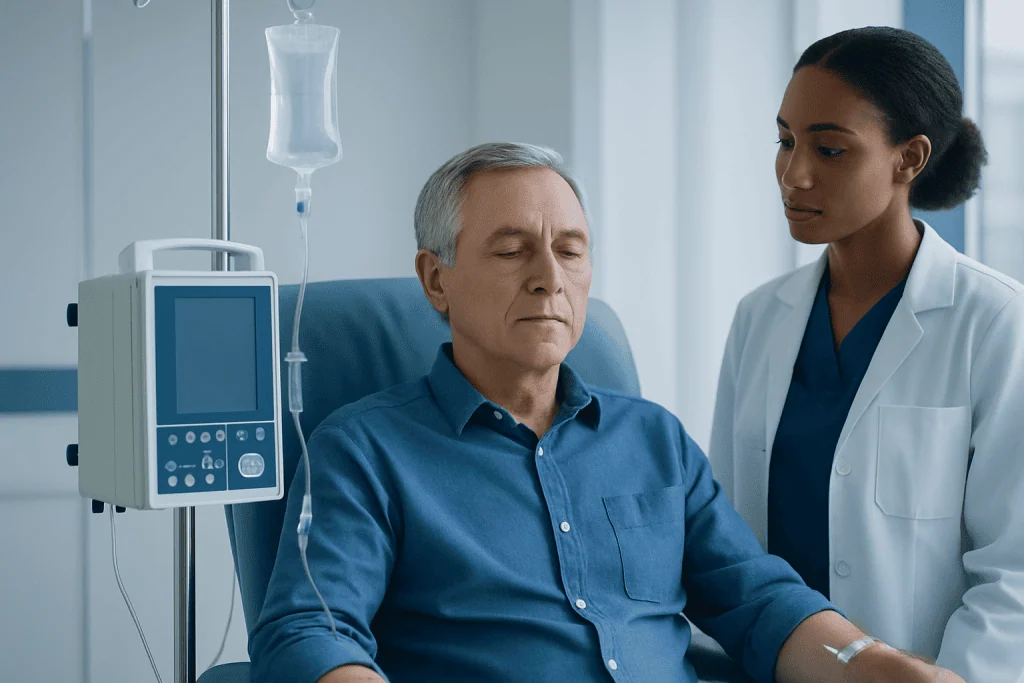
Chemotherapy may be considered at many stages of lung cancer. In earlier-stage non-small cell lung cancer, it may be recommended before or after surgery for selected patients, sometimes alongside immunotherapy. When surgery is not appropriate, chemotherapy may be combined with radiation therapy for locally advanced disease.
For advanced non-small cell lung cancer, molecular and biomarker testing is especially important. Some tumours have genetic changes for which targeted medicines may be more suitable as initial treatment. Immunotherapy, alone or with chemotherapy, may also be recommended depending on tumour testing and the clinical situation.
Small cell lung cancer often responds initially to chemotherapy, commonly in combination with immunotherapy for extensive-stage disease or with radiation in limited-stage disease. The team also considers kidney, liver, heart and lung function, existing nerve problems, other health conditions, prior treatments and the person’s preferences.
Related information about lung cancer and small cell lung cancer can help patients understand how cancer type and stage influence care planning.
The treatment process: step by step
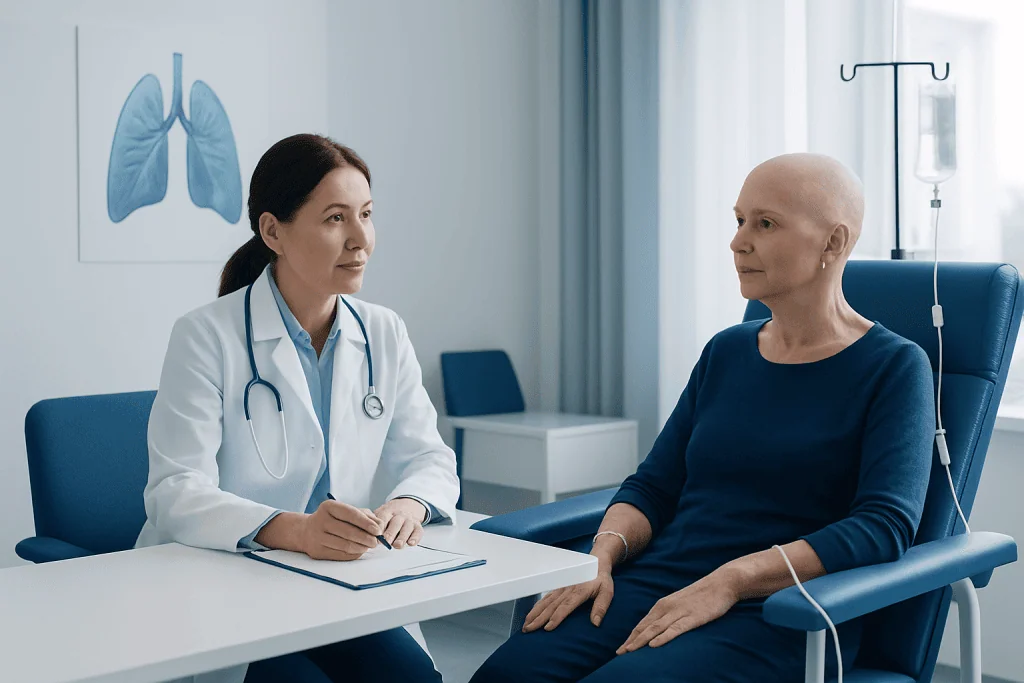
Before treatment starts, the oncology team reviews biopsy findings, imaging, blood tests and any relevant molecular test results. Patients usually have a discussion about the expected benefits, possible side effects, alternative options and practical arrangements. A central venous access device may be advised for some treatment regimens, but it is not needed for everyone.
On treatment day, a nurse checks symptoms, vital signs and recent laboratory results. Some people receive medicines beforehand to reduce nausea, allergic reactions or other treatment effects. Chemotherapy is then administered as an infusion over a time that depends on the medicines being used. Staff monitor the person during the infusion, particularly at the first treatment.
Treatment is arranged in cycles. A cycle includes a treatment day or several treatment days followed by a recovery period. Before each new cycle, blood counts and organ function are checked, and the oncology team asks about side effects. Treatment may be delayed, adjusted or changed if side effects are significant or test results require it.
Patients may receive chemotherapy treatment as part of a broader plan that can also include immunotherapy or radiotherapy, depending on the cancer and treatment goal.
How successful is chemo for lung cancer?
The success of chemotherapy for lung cancer depends on the cancer type, stage, treatment setting and tumour biology. In early-stage disease, chemotherapy can lower the risk that cancer returns after surgery in appropriately selected patients. When used before surgery, it may shrink a tumour and help make local treatment more effective.
In locally advanced or metastatic lung cancer, chemotherapy may reduce tumour size, slow progression, prolong survival and improve symptoms for many people. However, response is variable: some cancers respond strongly, some remain stable, and others do not respond or later begin growing again. Chemotherapy is therefore assessed over time rather than judged after a single treatment.
For many people with advanced non-small cell lung cancer, biomarker-directed therapies or immunotherapy can be important components of care. The oncology team will explain whether chemotherapy is expected to be the main treatment, part of a combination, or a later option. It is reasonable to ask what the specific goal of treatment is in an individual case.
How many rounds of chemo is normal for lung cancer?
There is no single normal number of chemotherapy rounds for lung cancer. Many commonly used initial regimens are planned for several cycles, often with each cycle lasting about two to four weeks. A frequently used approach involves around four cycles, but the actual number can be shorter or longer depending on the treatment purpose and the medicines selected.
For example, chemotherapy given around surgery is usually delivered for a defined number of cycles. Chemotherapy used with radiation follows a different schedule, while treatment for advanced cancer may continue for a planned period and then transition to maintenance treatment, immunotherapy or monitoring. Some regimens are stopped earlier if the cancer progresses or side effects become difficult to manage.
The plan is reviewed at each visit. Completing every planned cycle is not always necessary or appropriate; safety and benefit guide decisions. Changes in dose or schedule are common medical adjustments and do not automatically mean that treatment has failed.
Recovery, side effects and practical self-care
Recovery between cycles varies. Some people feel tired for a few days after an infusion, while others experience fatigue that builds over several cycles. Blood counts may reach their lowest point days after treatment and then recover before the next cycle. The care team uses blood tests and symptoms to decide when it is safe to proceed.
Possible side effects include fatigue, nausea, appetite changes, taste changes, hair thinning or loss, mouth soreness, constipation or diarrhea, lowered blood counts, numbness or tingling in the hands and feet, and changes in kidney or liver function. Not everyone experiences these effects, and the likelihood depends on the medicines used. Modern anti-nausea medicines, nutritional support, symptom treatments and dose adjustments can make treatment more manageable.
Helpful measures include taking prescribed supportive medicines as directed, drinking fluids if permitted, eating small regular meals, maintaining gentle activity when able, resting as needed and avoiding people with contagious infections when white blood cell levels are low. Patients should tell the team promptly about side effects rather than waiting for the next appointment.
Infection prevention is important. A temperature of 38°C or higher, chills, new confusion, severe weakness, uncontrolled vomiting or diarrhea, unusual bleeding, sudden shortness of breath or chest pain requires urgent medical advice. The oncology service should provide clear instructions for contacting the team outside normal hours.
How painful is chemotherapy for lung cancer?
Chemotherapy itself is usually not painful beyond the brief discomfort of placing an intravenous line or accessing a port. During an infusion, people may notice a cool sensation, mild irritation or no sensation at all. Pain, burning, swelling or redness around the infusion site should be reported immediately, as the nurse can check the line and take action.
Some chemotherapy medicines can cause delayed effects such as aching, mouth soreness, nerve pain or numbness and tingling. Cancer itself can also cause pain, particularly if it affects the chest wall, bones or other areas. Pain should not be accepted as unavoidable; the oncology team can assess the cause and offer appropriate treatment.
Anxiety about treatment is also understandable. Asking what will happen on the day, bringing a support person where permitted, using relaxation techniques and discussing fears with the care team may help patients feel more in control.
How do you know chemo is working for lung cancer?
Oncology teams assess treatment response using several types of information. This commonly includes how a person feels, whether symptoms such as cough, pain or breathlessness have improved, physical examination findings, blood tests and follow-up imaging such as CT or PET/CT scans when appropriate. Scans are often performed after a set number of cycles rather than after every infusion.
A reduction in tumour size is one sign of response, but stable disease can also be a meaningful result, particularly in advanced cancer. Conversely, worsening symptoms do not always mean chemotherapy has failed, because treatment side effects, infection or another health issue can contribute. New or changing symptoms should be evaluated promptly.
Blood tumour markers are not reliable for all lung cancers and are not usually used alone to judge treatment success. The treating oncologist interprets results in the context of the whole clinical picture and discusses whether to continue, modify or change the plan.
Frequently asked questions
Can chemotherapy cure lung cancer?
Chemotherapy can contribute to cure in some earlier-stage lung cancers when it is used with surgery and/or radiation therapy. In advanced lung cancer, treatment is more often intended to control cancer, extend life and relieve symptoms. The expected goal should be discussed with the oncology team.
Can chemotherapy be used with immunotherapy for lung cancer?
Yes. Chemotherapy and immunotherapy are often used together for certain types and stages of lung cancer, particularly some advanced non-small cell lung cancers. Whether this combination is suitable depends on biopsy results, biomarker testing, overall health and previous treatment.
Will I lose my hair during lung cancer chemotherapy?
Hair loss depends on the specific chemotherapy medicines used. Some regimens cause substantial hair loss, while others cause thinning or no noticeable change. The oncology team can explain what is expected with the planned regimen and discuss practical support options.
Can I work during chemotherapy for lung cancer?
Some people continue working during treatment, perhaps with reduced hours or adjustments, while others need more time away from work. Energy levels, treatment schedules, side effects and infection exposure all matter. Discussing work demands early with the care team can help with planning.
What should I eat during chemotherapy?
There is no single diet that suits every person receiving chemotherapy. Regular meals with adequate calories, protein and fluids can support strength and recovery, but nausea, taste changes or mouth soreness may require adaptations. A dietitian can provide individualized advice, especially if weight loss or difficulty eating develops.
When should someone seek medical care during chemotherapy?
Urgent medical advice is needed for fever of 38°C or higher, chills, breathing difficulty, chest pain, uncontrolled vomiting or diarrhea, severe dehydration, confusion, unusual bleeding or sudden severe weakness. Patients should use the emergency contact instructions provided by their oncology team rather than waiting for their next scheduled visit.
References
- National Cancer Institute
- American Cancer Society
- European Society for Medical Oncology
- National Comprehensive Cancer Network
- American Society of Clinical Oncology
This article is for general information only and is not a substitute for professional medical advice. Please consult a qualified doctor about your individual situation.
Chemotherapy in Turkey — costs, top hospitals & a free quote
JCI-accredited · board-certified surgeons · reply within 24h
Add us as a Preferred Source to see more of our trusted health content across Google Search, AI Overviews and Discover.

Medical Oncology Department
Medical treatment of cancer with chemotherapy, immunotherapy and targeted therapies under a multidisciplinary tumor board.
60 specialists in this unit