Heart Attack Treatment: How It Works, Results and What to Expect

A suspected heart attack needs emergency assessment immediately; prompt treatment can protect more heart muscle. The most common urgent procedure is coronary angioplasty, often followed by placement of a stent to keep an artery open.
Key Takeaways
- A suspected heart attack needs emergency assessment immediately; prompt treatment can protect more heart muscle.
- The most common urgent procedure is coronary angioplasty, often followed by placement of a stent to keep an artery open.
- Treatment plans are individualized according to the type of heart attack, artery blockage, overall health and time since symptoms began.
- Recovery continues after hospital discharge through medicines, follow-up, rehabilitation and cardiovascular risk-factor management.
- Many people return to active, fulfilling lives after a heart attack, although the degree of heart recovery differs between individuals.
Heart attack treatment is emergency care that aims to reopen a blocked heart artery as quickly as possible, limit heart muscle damage and prevent another event. It commonly includes urgent medicines, coronary angioplasty with stenting when appropriate, ongoing medication and cardiac rehabilitation.
Heart Attack Treatment: How It Works
Heart attack treatment begins as an emergency because a heart attack, also called myocardial infarction, occurs when part of the heart muscle does not receive enough oxygen-rich blood. This is most often caused by a blood clot forming on a narrowed coronary artery. The central goal is to restore blood flow promptly, relieve strain on the heart and reduce the amount of permanent muscle injury.
Emergency teams first assess symptoms, heart rhythm, blood pressure, oxygen level and electrocardiogram (ECG) findings. Blood tests, especially cardiac troponin testing, help confirm whether heart muscle damage has occurred. Treatment may start before all results are available when clinical findings strongly suggest a heart attack.
Depending on the type of heart attack and the person’s circumstances, treatment can include antiplatelet and anticoagulant medicines, medicines for pain or chest discomfort, and urgent catheter-based treatment. The main procedure used to reopen a blocked coronary artery is coronary angiography and angioplasty. Some people need coronary artery bypass surgery rather than, or occasionally after, angioplasty.
When to Seek Medical Care

Emergency medical care is needed immediately for possible heart attack symptoms. These can include pressure, tightness, squeezing, heaviness or pain in the chest that lasts more than a few minutes or comes and goes. Discomfort may spread to an arm, shoulder, back, neck, jaw or upper stomach.
Other symptoms may include shortness of breath, sweating, nausea, light-headedness, unusual fatigue or a sudden feeling of weakness. Symptoms can be less typical in women, older adults and people with diabetes, who may experience breathlessness, indigestion-like discomfort, fatigue or back and jaw discomfort without marked chest pain.
People should call local emergency services rather than drive themselves or wait to see if symptoms pass. Emergency teams can begin assessment and treatment on the way to hospital. A person with suspected heart attack symptoms should not delay because early treatment is closely linked to preserving heart muscle.
Who May Need Heart Attack Treatment and How Decisions Are Made
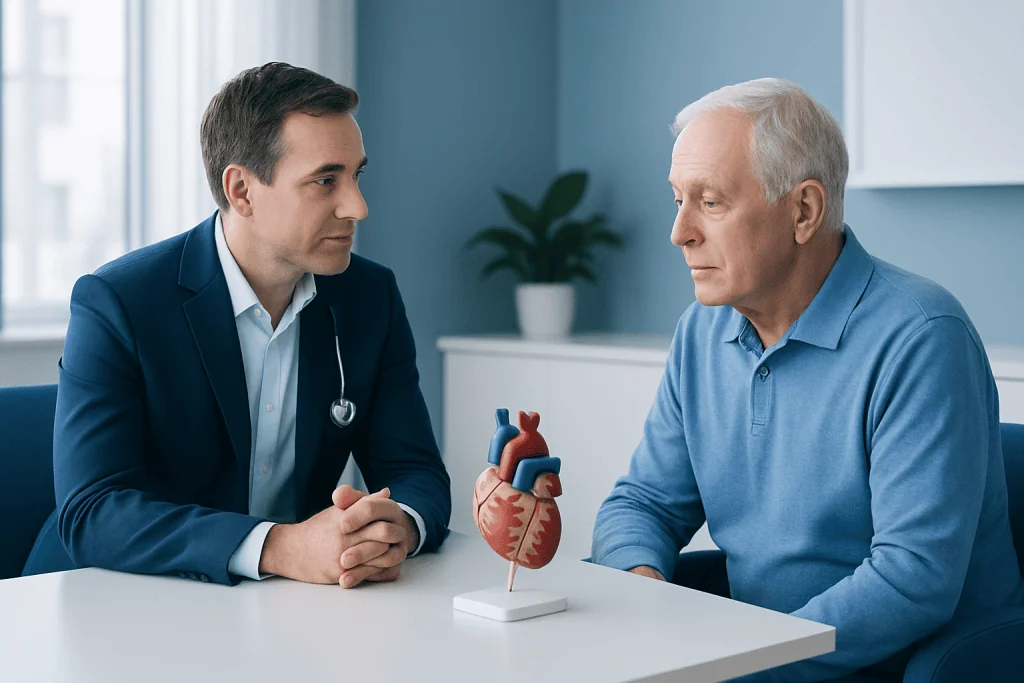
Anyone with a confirmed or strongly suspected heart attack requires urgent medical evaluation. Clinicians determine the most suitable treatment by identifying whether the ECG shows ST-segment elevation myocardial infarction (STEMI), which often reflects a complete coronary artery blockage, or a non-ST-segment elevation myocardial infarction (NSTEMI). Both require prompt care, but the timing and method of restoring blood flow may differ.
For many people with STEMI, immediate angiography and primary angioplasty are preferred when they can be performed quickly by an experienced cardiac team. In selected settings where this is not available within an appropriate timeframe, clot-dissolving medicine may be considered if it is safe. NSTEMI treatment is based on the person’s symptoms, ECG changes, blood-test results and estimated risk of future complications.
Age alone does not determine eligibility for a procedure. The care team considers kidney function, bleeding risk, previous stroke, other medical conditions, medicines, coronary artery anatomy and the person’s wishes. Coronary artery disease may be part of a broader vascular health picture, and related conditions such as coronary artery disease are evaluated to guide long-term prevention.
What Happens During Emergency Treatment
On arrival, a patient is monitored closely and receives an ECG as soon as possible. A healthcare team establishes intravenous access, obtains blood samples and gives medicines tailored to the situation. These may include antiplatelet medication to reduce clot formation, anticoagulant medication in appropriate cases, and medicines to control pain, blood pressure or abnormal heart rhythms.
When angioplasty is indicated, a cardiologist inserts a thin catheter through an artery in the wrist or groin and guides it to the coronary arteries using X-ray imaging. Contrast dye makes the arteries visible on angiography. If a blockage is found, a small balloon may be inflated to widen the artery, and a stent is commonly placed to support the artery and maintain blood flow.
Some blockages are too complex for angioplasty, involve several major arteries or occur alongside other heart problems. In these circumstances, the cardiac team may recommend coronary artery bypass surgery to create a new route for blood to reach the heart muscle. The choice is made according to urgency, anatomy and overall clinical stability.
After the artery is treated, monitoring continues in a coronary or intensive care setting. The team watches for recurrent chest pain, rhythm disturbances, signs of heart failure, bleeding and other complications. An echocardiogram may be used to assess pumping function and identify areas of heart muscle affected by the event.
Benefits, Risks and Results of Heart Attack Treatment
The main benefit of rapid heart attack treatment is restoring blood supply before more heart muscle is permanently injured. Successful treatment can relieve symptoms, reduce the risk of dangerous rhythm problems and improve the likelihood of maintaining good heart function. However, results depend on how quickly blood flow is restored, the size and location of the blocked artery, previous heart health and other medical factors.
Medicines and procedures carry risks, although teams take careful steps to reduce them. Angioplasty can rarely cause bleeding or bruising at the catheter site, artery injury, allergic reaction to contrast dye, kidney problems, a new blockage or, uncommonly, heart attack or stroke. Antiplatelet and anticoagulant medicines can increase bleeding risk, which is why they must be taken exactly as advised and reviewed before any surgery or dental procedure.
After a stent, prescribed antiplatelet medicines are particularly important because stopping them without medical advice can allow a clot to form inside the stent. Follow-up care also addresses high blood pressure, high cholesterol, diabetes, smoking and other factors that increase the risk of another event. People should discuss any side effects or concerns promptly rather than discontinue cardiac medicines on their own.
Recovery Timeline and Ongoing Care
Hospital stay varies according to the type of heart attack, treatment received and whether complications occur. Some people who have an uncomplicated angioplasty may go home within a few days, while recovery can take longer after a larger heart attack, heart failure, rhythm complication or bypass surgery. Before discharge, the care team explains medicines, activity guidance, warning symptoms and follow-up plans.
Cardiac rehabilitation is an important part of heart attack treatment rather than an optional extra. It is a supervised programme that may include safe exercise planning, education about heart health, nutrition support, help with stopping smoking, and emotional support. It helps people rebuild confidence while learning how to return to everyday activity safely.
At home, recovery involves gradually increasing activity according to medical advice, attending appointments and taking medicines consistently. A heart-healthy eating pattern, regular physical activity once cleared, good sleep, stress management and avoiding tobacco can lower future cardiovascular risk. People should ask their clinician when it is safe to drive, return to work, travel, resume sexual activity and participate in exercise.
Acibadem International’s multidisciplinary specialists and JCI-accredited hospitals diagnose and treat heart attacks for international patients, with care that can include acute cardiac intervention, follow-up and rehabilitation planning.
How long does it take for your heart to heal from a heart attack?
Heart healing after a heart attack varies widely. The injured heart muscle forms scar tissue, and early healing occurs over several weeks, while recovery of strength, stamina and confidence may continue for months. A small heart attack treated quickly may have limited long-term effect, whereas a larger event can leave more lasting changes in heart function.
Many people are able to resume gradual daily activities within a few weeks, but the safest timeline depends on symptoms, heart pumping function, treatment type and work or activity demands. Cardiac rehabilitation provides a structured way to build exercise tolerance safely. Follow-up tests, including echocardiography when needed, help the care team assess recovery.
Healing is supported by taking prescribed medicines, participating in rehabilitation, controlling blood pressure and cholesterol, managing diabetes when present, eating well and avoiding smoking. New or worsening chest discomfort, breathlessness, fainting, palpitations or leg swelling should be reported urgently.
What four things happen right before a heart attack?
There are no four symptoms that reliably happen before every heart attack. Some heart attacks occur suddenly with little or no warning, while others are preceded by symptoms that can start hours, days or occasionally longer before the event. It is safer to recognize possible warning signs than to wait for a particular sequence.
Common warning symptoms include chest pressure or discomfort, shortness of breath, pain or discomfort spreading to the arm, back, neck, jaw or stomach, and cold sweating, nausea, dizziness or unusual fatigue. Symptoms may be mild, intermittent or different from what a person expects, particularly in women, older adults and people with diabetes.
Any new, persistent or unexplained symptoms that could be heart-related deserve prompt medical assessment. If symptoms suggest a heart attack now, emergency services should be contacted immediately rather than waiting for a clinic appointment.
Can you live a long life after a heart attack?
Yes. Many people live for many years after a heart attack and return to meaningful work, family life, exercise and other activities. Long-term outlook depends on the amount of heart damage, success of restoring blood flow, heart rhythm and pumping function, other health conditions and how well future risk factors are managed.
Preventive treatment is central to long-term health. This usually includes prescribed medicines, regular medical follow-up, cardiac rehabilitation and changes that support artery health, such as avoiding tobacco, following a balanced diet and staying physically active within safe limits. Managing cholesterol, blood pressure and diabetes can meaningfully reduce the chance of another cardiovascular event.
Emotional recovery also matters. Anxiety, low mood and fear of exertion can occur after a heart attack and should be discussed with the healthcare team. Psychological support, rehabilitation programmes and support from family or trusted people can help recovery feel more manageable.
Can you recover 100% from a heart attack?
Some people recover with little detectable reduction in daily functioning, especially when a small heart attack is treated quickly. However, heart muscle that has been permanently injured usually heals by forming scar tissue rather than regrowing exactly as it was. For this reason, it is not always possible to predict or promise a complete biological recovery.
A person’s recovery is better measured by symptoms, exercise capacity, heart pumping function and ability to return to valued activities. Even when some damage remains, modern treatment, rehabilitation and risk-factor control can support a high quality of life and help prevent future problems.
Follow-up with a cardiologist helps clarify an individual prognosis and adjust treatment over time. The care plan may include evaluation and management of related concerns such as heart failure or abnormal rhythms if they develop after a heart attack.
Frequently asked questions
What is the first treatment for a heart attack?
The first priority is emergency assessment and rapid treatment to restore blood flow to the heart. Depending on the situation, this may include antiplatelet and anticoagulant medicines followed by urgent angioplasty and stenting, or other treatments selected by the cardiac team.
Is a stent always needed after a heart attack?
No. A stent is commonly used when angiography identifies a blockage that can be safely opened with angioplasty, but it is not appropriate in every case. Some people need medicines alone initially, while others may benefit more from bypass surgery because of the pattern of coronary artery disease.
How long do people stay in hospital after a heart attack?
The length of stay depends on the heart attack type, treatment and whether complications occur. People with an uncomplicated course may leave hospital after several days, while those who need surgery or have reduced heart function may need a longer stay.
What should be avoided after a heart attack?
People should avoid smoking, stopping prescribed medication without advice, and returning to strenuous physical activity before medical clearance. It is also important to avoid delaying care for recurrent chest discomfort, breathlessness, fainting or other concerning symptoms.
Can stress cause another heart attack?
Stress can contribute to unhealthy habits, raise blood pressure and make heart symptoms feel more difficult to manage. Although stress is not the only cause of heart attacks, learning practical stress-management strategies is an important part of cardiovascular care.
Can a heart attack happen without chest pain?
Yes. Some people have breathlessness, unexplained fatigue, nausea, sweating, dizziness, back pain, jaw discomfort or indigestion-like symptoms instead of typical chest pressure. Anyone with sudden or unusual symptoms that may be heart-related should seek urgent medical evaluation.
References
- American Heart Association
- European Society of Cardiology
- National Heart, Lung, and Blood Institute
- Mayo Clinic
- World Health Organization
This article is for general information only and is not a substitute for professional medical advice. Please consult a qualified doctor about your individual situation.
Heart care in Turkey — expert evaluation and treatment
JCI-accredited · board-certified surgeons · reply within 24h
Add us as a Preferred Source to see more of our trusted health content across Google Search, AI Overviews and Discover.
Check your numbers in seconds
BMI, calories, due date, blood pressure and 30+ more clinical calculators — free, instant, doctor-reviewed ranges.

More from the Health Library



Related Specialists

Prof. Dr. Mehmet Zafer Berkman
Neurosurgery
Dr. Karım Nabıyev
General Surgery
Assoc. Prof. Dr. Emel Kabakoğlu Ünsür
Pediatrics
Dt. Pelin Dülgeroğlu Karamık
Oral & Dental Health