Balance Therapy: How It Works, Results and What to Expect

Balance therapy trains the brain, inner ear, vision, muscles and joints to work together more effectively for stability. It may help reduce dizziness, improve walking and lower fall risk, depending on the underlying cause of symptoms.
Key Takeaways
- Balance therapy trains the brain, inner ear, vision, muscles and joints to work together more effectively for stability.
- It may help reduce dizziness, improve walking and lower fall risk, depending on the underlying cause of symptoms.
- Programs are individualized and may include gaze-stability, walking, strengthening and balance-challenge exercises.
- Improvement often develops gradually over weeks, although timing varies with the diagnosis, symptom severity and consistency of practice.
- Sudden new imbalance, weakness, speech difficulty, severe headache or vision changes needs urgent medical assessment.
Balance therapy is an individualized rehabilitation program that helps people improve stability, walking and confidence after dizziness, vestibular problems, neurological conditions, injury or age-related changes. It combines assessment, guided exercises and practical safety strategies, with the plan adjusted as symptoms and function change.
What Is Balance Therapy?
Balance therapy is a form of rehabilitation designed to improve steadiness, safe movement and confidence during daily activities. The balance therapy meaning is broader than standing on one leg: it is a structured plan that trains the body systems involved in balance, including the inner ear, vision, brain, muscles and sensory nerves in the feet and legs.
A clinician first identifies the likely reasons for unsteadiness, dizziness or falls. A physiotherapist, vestibular therapist, neurologist, ear, nose and throat specialist, or other clinician may then create a program based on the person’s symptoms, diagnosis, goals and safety needs. For people with an inner-ear cause of dizziness, the program is often called vestibular rehabilitation or vestibular therapy.
Balance therapy today can take place in an outpatient rehabilitation setting, hospital, clinic or, after instruction, at home. It is not one single procedure or a quick fix. Instead, it uses repeated, carefully graded movement practice to help the nervous system adapt and to improve the strength, coordination and strategies needed to remain stable.
How Balance Therapy Works
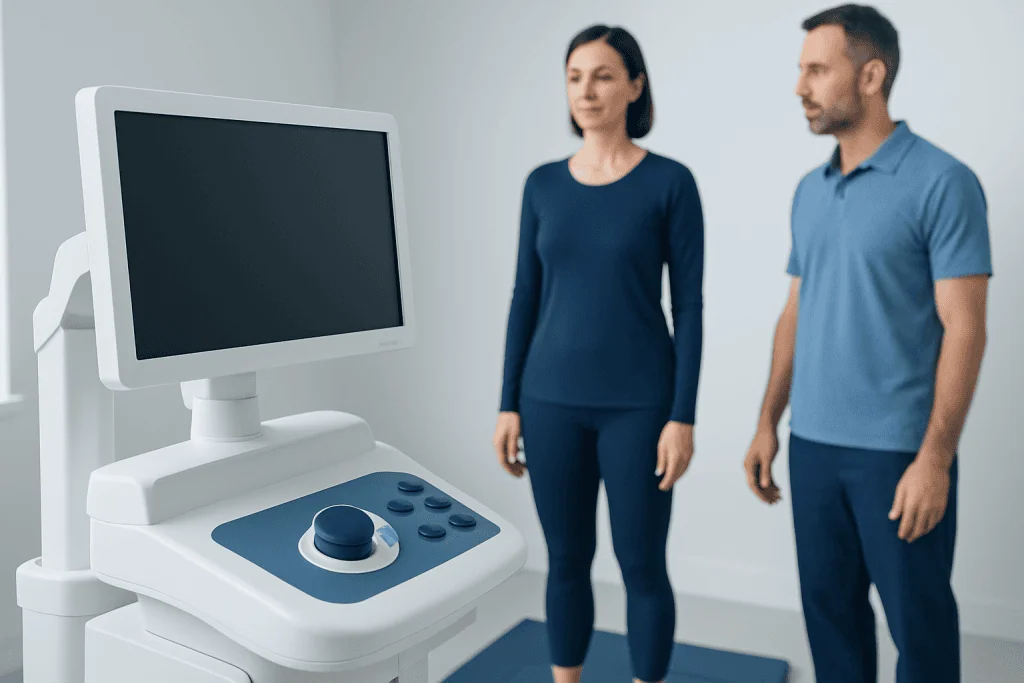
Staying upright depends on accurate information from the inner ears, eyes, muscles and joints, as well as the brain’s ability to interpret that information quickly. A problem in any of these areas can cause a person to feel dizzy, veer while walking, feel unsteady in the dark, or lose confidence on uneven ground. Balance therapy targets the specific system or movement that is causing difficulty.
For vestibular symptoms, exercises may gradually expose a person to selected head, eye and body movements that trigger manageable symptoms. This can encourage compensation, in which the brain learns to rely more effectively on accurate signals and to respond better to movement. For weakness, reduced sensation or neurological conditions, treatment may focus more on strength, gait, posture, reaction time and safe movement strategies.
The therapist adjusts the challenge carefully. Exercises may begin sitting or near a stable support and progress to standing, turning, reaching, walking, navigating obstacles or dual-task activities such as walking while talking. The goal is functional improvement, not simply completing an exercise perfectly in the clinic.
- Gaze-stability training: coordinated eye and head movements to reduce visual blurring or dizziness with movement.
- Habituation exercises: repeated, controlled exposure to movements that provoke symptoms.
- Balance and gait training: practice with stance, weight shifts, turns, surfaces and walking tasks.
- Strength and mobility work: exercises that support safer transfers, walking and posture.
- Fall-prevention education: guidance on footwear, home safety, assistive devices and pacing.
Who May Benefit and What Conditions Can Cause Balance Issues?

Balance therapy may be appropriate for people whose unsteadiness affects walking, work, exercise, self-care or confidence. It is usually considered after a medical assessment, especially when symptoms are new, severe, progressive or unexplained. Candidacy depends on the cause of the problem, medical stability, mobility level and ability to participate safely in a tailored exercise program.
What are three common medical conditions that may cause balance issues? Benign paroxysmal positional vertigo (BPPV), vestibular migraine and peripheral neuropathy are three common examples. BPPV causes brief spinning sensations triggered by changes in head position and may respond to repositioning maneuvers. Vestibular migraine can cause dizziness, motion sensitivity and imbalance, while peripheral neuropathy can reduce sensation in the feet and affect stability. Other possible causes include inner-ear inflammation, medication effects, vision problems, stroke, Parkinsonism, multiple sclerosis, arthritis and muscle weakness.
Balance difficulties may also follow concussion, prolonged illness, surgery or reduced activity. Because the same symptom can have many causes, therapy should not replace diagnosis. Some people need treatment for the underlying condition, medication review, hearing or vision care, or additional neurological assessment alongside rehabilitation.
People with diagnosed vestibular conditions may be referred for vestibular rehabilitation when clinically appropriate. A rehabilitation plan can also complement care for related disorders, such as Parkinson’s disease, when movement, gait or postural control is affected.
What Happens During Balance Therapy?
The first visit commonly includes a detailed discussion of symptoms: when they happen, what triggers them, how long they last, whether there have been falls, and how they affect everyday life. The clinician may ask about hearing changes, headaches, medicines, medical history, vision and use of walking aids. This information helps distinguish patterns that may need further medical investigation.
Physical assessment can include observation of posture and walking, leg strength, joint movement, coordination, eye movements, standing balance, head movements and position changes. Standardized tests may measure walking speed, fall risk, functional reach or symptom severity. Assessment is performed with safety in mind, often near a treatment table, rail or therapist support.
After assessment, the therapist explains the goals and provides a personalized plan. A typical session may include a warm-up, selected balance therapy exercises, walking practice, symptom-management strategies and instruction for home practice. If positional vertigo is identified, a clinician may use a canalith repositioning maneuver rather than relying on general exercise alone.
Progress is reviewed regularly. Exercises become more or less challenging according to symptoms, safety and functional change. A person should tell the therapist about new symptoms, falls, severe symptom flares or difficulties completing the program, so the plan can be modified rather than pushed through unsafely.
How Long Does It Take to See Results From Vestibular Therapy?
How long does it take to see results from vestibular therapy? Some people notice early changes within a few sessions or several weeks, particularly when symptoms have a clear, treatable vestibular cause and exercises are performed consistently. Others need a longer period of rehabilitation. Recovery depends on the diagnosis, duration of symptoms, age, overall health, migraine activity, neurological factors, medications and the person’s daily activity level.
Vestibular exercises can temporarily bring on mild, short-lived dizziness because they are designed to challenge the system in a controlled way. This does not automatically mean the therapy is harmful, but symptoms should remain within the limits agreed with the clinician and should settle appropriately. Severe, prolonged or markedly worsening symptoms should be reported promptly.
How long does balance therapy last? There is no universal schedule. Some people need a brief course for a specific problem, while others benefit from several weeks to months of progressive therapy, especially when balance issues are linked to a chronic neurological, sensory or mobility condition. The therapist may eventually transition the person to an independent maintenance program.
Progress is best judged by meaningful outcomes, such as fewer near-falls, less dizziness during head movement, longer walking tolerance, safer stair use or renewed ability to participate in work and leisure. Improvement may be gradual rather than linear, and periodic reassessment helps keep goals realistic and relevant.
Does Neuro Balance Therapy Really Work? Benefits and Limitations
Does neuro balance therapy really work? Neurological balance rehabilitation can help many people improve function when it is matched to the underlying condition and delivered as part of a broader care plan. The brain can adapt through repeated, task-specific practice, and targeted training may improve gait, postural control, movement confidence and the ability to manage everyday activities.
Results vary. Therapy cannot always remove the disease or injury causing balance impairment, and it may not fully eliminate dizziness or fall risk. However, it can teach compensatory strategies, strengthen remaining abilities and help a person move more safely. For progressive neurological conditions, therapy may focus on maintaining function, adapting the environment and planning for changing needs.
Potential benefits include improved stability, safer walking, greater confidence, better physical conditioning and fewer activity restrictions. Potential challenges include temporary symptom provocation, muscle soreness, fatigue or fear of movement early in treatment. Falls can occur if exercises are attempted without suitable support, so an individualized plan and correct technique are important.
Effective care also addresses contributing factors outside exercise. These may include reviewing medicines with a clinician, managing hearing or vision changes, treating migraine when present, addressing low blood pressure, improving footwear and considering a cane, walker or other mobility aid when recommended.
Balance Therapy at Home, Safety and When to Seek Medical Care
Balance therapy at home is often an important part of rehabilitation, but it should follow professional assessment and instruction. A therapist may recommend short, regular practice sessions with clear guidance on how often to exercise, what symptoms are expected and when to stop. Exercises should be performed in a clutter-free area, near a stable counter or rail when advised, and ideally with another person nearby if fall risk is significant.
Helpful self-care measures can include wearing supportive footwear, keeping rooms well lit, removing loose rugs and cords, using handrails on stairs, rising slowly from sitting or lying positions, staying physically active within safe limits and using prescribed mobility aids. Keeping a brief symptom and activity diary may help identify triggers and show progress over time.
When to seek medical care: prompt medical evaluation is appropriate for persistent dizziness, recurrent falls, new hearing changes, worsening imbalance, symptoms after a head injury, or imbalance that interferes with daily life. Emergency care is needed for sudden imbalance accompanied by facial drooping, weakness or numbness on one side, trouble speaking, severe sudden headache, chest pain, fainting, double vision or a new inability to walk, as these can be signs of a serious condition.
Acibadem International’s multidisciplinary specialists and JCI-accredited hospitals evaluate balance symptoms and provide coordinated rehabilitation for international patients when appropriate. A clinician can help determine whether balance therapy, treatment of an underlying condition or further diagnostic testing is the safest next step.
Frequently asked questions
What is balance therapy used for?
Balance therapy is used to improve steadiness, walking and confidence when dizziness, weakness, sensory changes or neurological conditions affect balance. It may be recommended after an assessment for vestibular disorders, falls, mobility problems or recovery from illness or injury.
Is balance therapy the same as vestibular therapy?
Vestibular therapy is a type of balance therapy focused on problems involving the inner ear and the brain’s processing of motion and spatial information. Balance therapy can also address strength, vision, sensation, gait and neurological factors that influence stability.
Can balance therapy exercises make dizziness worse at first?
Some vestibular exercises can briefly bring on mild dizziness because they challenge the balance system in a controlled way. Symptoms should be monitored and should not be severe, dangerous or persistently worsening; the therapist should be told if they are.
Can balance therapy be done at home?
Home exercises are commonly included after a clinician has assessed the person and taught safe technique. They should be performed in a safe environment with appropriate support, and people at high risk of falling should not practice challenging tasks alone.
Who should not start balance exercises without medical advice?
Anyone with sudden new dizziness, severe headache, chest pain, fainting, new weakness, speech difficulty, double vision or inability to walk should seek urgent medical assessment rather than begin exercises. People with recent falls, significant heart problems, severe neck pain or unexplained symptoms should also ask a clinician for guidance first.
Will balance therapy prevent all falls?
Balance therapy can reduce fall risk by improving strength, coordination, walking and safety awareness, but it cannot prevent every fall. Fall prevention also involves managing medical conditions, reviewing medications, improving home safety and using mobility aids when advised.
References
- American Physical Therapy Association
- American Academy of Otolaryngology–Head and Neck Surgery
- National Institute on Aging
- National Institute of Neurological Disorders and Stroke
- World Health Organization
This article is for general information only and is not a substitute for professional medical advice. Please consult a qualified doctor about your individual situation.
Explore treatments in Turkey — costs, top hospitals & a free quote
JCI-accredited · board-certified surgeons · reply within 24h
Add us as a Preferred Source to see more of our trusted health content across Google Search, AI Overviews and Discover.