Pheochromocytoma Treatment: How It Works, Results and What to Expect

Surgery is the main treatment for most localized pheochromocytomas. Alpha-blocking medication is commonly used before surgery to reduce dangerous blood-pressure swings.
Key Takeaways
- Surgery is the main treatment for most localized pheochromocytomas.
- Alpha-blocking medication is commonly used before surgery to reduce dangerous blood-pressure swings.
- Many tumors can be removed with minimally invasive adrenal surgery, although open surgery is sometimes safer.
- Long-term follow-up is important because recurrence or inherited tumor syndromes can occur.
- Sudden severe headache, chest pain, fainting, or very high blood pressure needs urgent medical assessment.
Pheochromocytoma treatment usually involves medicines that control blood pressure and stress hormones before surgery removes the tumor. Care is planned by an experienced multidisciplinary team because these tumors can release powerful hormones during daily life and surgery.
Overview: How pheochromocytoma treatment works
Pheochromocytoma treatment is designed to control the effects of excess adrenaline-like hormones and, when possible, remove the tumor completely. A pheochromocytoma is a rare tumor that usually develops in the adrenal gland, although similar tumors called paragangliomas can arise elsewhere in the body. These tumors may produce catecholamines, hormones that can cause episodes of high blood pressure, palpitations, sweating, headache, and anxiety-like symptoms.
For a tumor that can be safely removed, surgery is usually the preferred treatment. However, surgery is not simply scheduled immediately after diagnosis. The body first needs preparation with medications, fluid and salt guidance when appropriate, and close monitoring to make anesthesia and tumor removal safer. This preparation is a central part of pheochromocytoma care.
When the tumor has spread, cannot be fully removed, or continues to make hormones after surgery, treatment may include medicines to manage hormone effects, targeted radionuclide therapy, chemotherapy, external-beam radiation, or other specialist-directed options. The approach depends on tumor location, hormone production, imaging findings, genetic factors, and the person’s overall health.
Who may be a candidate for surgery?
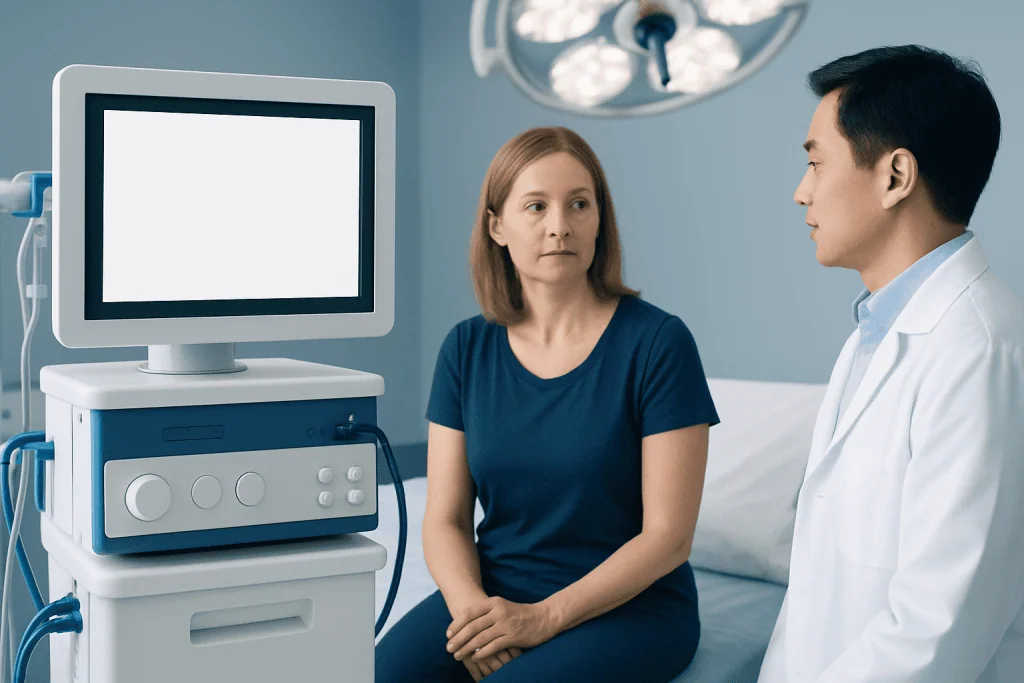
Most people with a localized pheochromocytoma are considered for surgical removal after a thorough evaluation. The goal is generally to remove the entire tumor while protecting the remaining adrenal function and avoiding sudden changes in blood pressure. The decision is individualized and involves endocrinology, endocrine surgery or urology, anesthesiology, radiology, pathology, and sometimes oncology and genetics specialists.
Before recommending an operation, clinicians confirm the diagnosis using blood or urine testing for metanephrines and appropriate imaging. They also assess the tumor’s size and position, whether it appears confined to one adrenal gland, whether there are signs of spread, and whether there may be an inherited condition. Genetic counseling and testing are often discussed because a meaningful proportion of pheochromocytomas are linked to inherited gene changes.
Some patients need additional planning. This includes people with tumors in both adrenal glands, a single functioning adrenal gland, substantial heart or blood-pressure disease, pregnancy, or metastatic disease. In selected bilateral cases, surgeons may consider adrenal-sparing techniques to preserve hormone production, but this must be balanced against the chance of remaining or recurrent tumor tissue.
Preparing for pheochromocytoma surgery

Preoperative preparation lowers the risk of severe blood-pressure instability during the operation. An alpha-blocker is commonly prescribed first to relax blood vessels and reduce the effects of catecholamines. Depending on heart rate and symptoms, a beta-blocker or another medicine may be added only after adequate alpha-blockade has been established, because starting a beta-blocker alone can worsen blood pressure in this condition.
The medication plan is adjusted over days to weeks based on home blood-pressure readings, pulse, dizziness on standing, and other symptoms. The clinical team may advise increased fluid and salt intake if appropriate for the person’s heart and kidney health. This helps restore blood volume, which can be low after prolonged exposure to high catecholamine levels.
Preoperative assessment may include electrocardiography, echocardiography, blood tests, and review of all prescription medicines, over-the-counter products, and supplements. Patients should not stop blood-pressure medicines or make dietary changes without the advice of their treating team. A detailed anesthesia plan is essential because blood pressure can rise while the tumor is handled and fall after it is removed.
What happens during the procedure?
Pheochromocytoma surgery is commonly performed as an adrenalectomy, meaning removal of the affected adrenal gland and tumor. For many suitably positioned tumors, surgeons use laparoscopic or robotic minimally invasive techniques. Several small incisions are used to insert a camera and surgical instruments, which may support less postoperative pain and a shorter hospital stay than open surgery.
Open surgery may be recommended for a very large tumor, suspected cancer, complex anatomy, involvement of nearby structures, or a tumor that cannot be safely removed through minimally invasive access. The operation is performed under general anesthesia. Anesthesia specialists continuously monitor blood pressure, heart rhythm, oxygen levels, and other measurements, often using invasive monitoring for rapid and precise adjustments.
During removal, the team uses fast-acting medications and intravenous fluids as needed to manage blood-pressure changes. Once the tumor has been removed, hormone levels can drop quickly, so close monitoring continues in a recovery unit or intensive-care setting when needed. The removed tissue is examined by a pathologist, although pathology alone cannot always predict whether a pheochromocytoma will behave aggressively.
For more information about operative planning and removal, patients may discuss adrenalectomy with a qualified specialist.
Benefits, risks and recovery timeline
The main potential benefit of surgery is removal of the source of excess hormone production. Many people experience improvement or resolution of episodic headaches, sweating, palpitations, and high blood pressure after successful treatment. Some people, however, continue to need blood-pressure medication because they also have primary hypertension or blood-vessel changes related to longstanding high blood pressure.
Risks depend on the surgical approach, tumor features, and individual health. Important risks include bleeding, infection, injury to nearby organs, blood clots, anesthesia complications, and blood-pressure or heart-rhythm changes during or after surgery. Following tumor removal, low blood pressure and low blood sugar can occur and require monitoring and treatment. Rarely, adrenal hormone replacement may be needed, particularly if both adrenal glands are removed or do not function adequately.
After minimally invasive surgery, many patients begin walking and drinking fluids soon after the procedure and leave hospital within a few days, though recovery varies. Open surgery usually requires a longer stay and a more gradual return to activity. Fatigue, incision discomfort, and changes in blood pressure are common in the early weeks. The surgical team provides individualized advice on wound care, lifting, driving, work, and follow-up testing.
Follow-up includes repeat metanephrine testing after recovery to check whether hormone levels have normalized. Ongoing annual or individualized biochemical surveillance is commonly recommended, particularly for younger patients, those with genetic susceptibility, larger tumors, paragangliomas, or previous metastatic disease.
How urgent is pheochromocytoma surgery?
Pheochromocytoma surgery is important, but it is usually not an emergency procedure performed immediately after diagnosis. In most cases, the safest path is to first stabilize blood pressure and heart rate with carefully selected medication, complete necessary imaging and heart assessment, and coordinate an experienced surgical and anesthesia team.
Urgency may increase when hormone surges are difficult to control, blood pressure remains dangerously high despite treatment, or there are complications such as heart failure, stroke-like symptoms, severe arrhythmia, or concern about bleeding from the tumor. Even then, specialists generally aim to stabilize the patient as much as possible before an operation.
A person should seek emergency care for severe chest pain, trouble breathing, fainting, new weakness or speech difficulty, a sudden severe headache, or a markedly elevated blood pressure reading accompanied by concerning symptoms. These symptoms can have several causes and need prompt assessment.
What is life like after pheochromocytoma surgery?
Life after pheochromocytoma surgery is often marked by relief from hormone-related episodes and improved blood-pressure control. In the first days and weeks, patients may feel tired as their body adjusts to lower catecholamine levels, anesthesia, and healing. Regular meals, adequate fluids as advised, gradual activity, and attendance at follow-up appointments can support recovery.
Blood pressure should be monitored after surgery because it may be lower than before, normal, or remain elevated for reasons unrelated to the tumor. Clinicians review whether prior blood-pressure medicines should be reduced, stopped, or continued. Patients should make these changes only with medical guidance.
Long-term follow-up matters even after apparently complete removal. Repeat biochemical testing can identify persistent or recurrent hormone production early. Genetic evaluation may also affect the surveillance plan and may be relevant for close relatives. Acibadem International’s multidisciplinary specialists at JCI-accredited hospitals evaluate and treat pheochromocytoma for international patients, including planning long-term endocrine follow-up.
What is the 10 rule for pheochromocytoma?
The “10 rule” is an older teaching phrase stating that 10% of pheochromocytomas are extra-adrenal, bilateral, malignant, hereditary, or occur in children. It is now considered an oversimplification and should not be used to predict an individual person’s outlook or treatment needs.
Modern genetic testing and imaging have shown that hereditary causes, tumors outside the adrenal gland, and bilateral disease occur more often than the traditional rule suggests in some patient groups. In addition, whether a pheochromocytoma is malignant cannot be determined reliably from appearance alone; it is defined by spread to sites where this type of tissue is not normally found.
Clinicians instead assess each tumor using age at diagnosis, family history, hormone pattern, imaging, pathology, genetic findings, and evidence of spread. This more personalized evaluation guides treatment and follow-up.
Frequently asked questions
What triggers pheochromocytoma episodes?
Episodes can occur without an obvious trigger because the tumor may release catecholamines unpredictably. They may also be brought on by physical exertion, emotional stress, surgery or anesthesia, certain medicines, pressure on the tumor, smoking, or foods and drinks that affect blood pressure in susceptible individuals. A treating clinician can review personal triggers and medicines that may need to be avoided.
Can pheochromocytoma be treated without surgery?
Medication can control blood pressure and symptoms, but it usually does not remove a localized tumor. Surgery is generally preferred when the tumor can be safely removed. For unresectable or metastatic disease, medicines and cancer-directed treatments may be used to control hormone effects and tumor growth.
How long does pheochromocytoma surgery take?
The duration varies according to tumor size, location, surgical approach, prior operations, and whether one or both adrenal glands are involved. Minimally invasive procedures may take several hours, while more complex open operations can take longer. The anesthesia and surgical teams can provide a more accurate estimate after reviewing imaging and the planned approach.
Will blood pressure return to normal after surgery?
Blood pressure often improves substantially after successful tumor removal, especially when high blood pressure was caused mainly by catecholamine excess. However, some people still need treatment for primary hypertension or other cardiovascular conditions. Blood pressure and medications should be reviewed regularly after surgery.
Can pheochromocytoma come back after removal?
Yes, recurrence can happen, although many people are cured after complete removal of a localized tumor. The likelihood depends on factors such as genetic predisposition, tumor location, age at diagnosis, and whether there was metastatic disease. Long-term biochemical follow-up helps detect recurrence or a new related tumor.
What happens if both adrenal glands are removed?
If both adrenal glands are removed, the body can no longer make sufficient adrenal hormones such as cortisol and aldosterone. Lifelong hormone replacement is then necessary, with education about stress dosing and emergency care. When appropriate, surgeons may consider approaches that preserve some adrenal tissue, but this is not suitable for every patient.
References
- Endocrine Society
- National Cancer Institute
- National Institutes of Health Genetic and Rare Diseases Information Center
- European Society of Endocrinology
- American Cancer Society
This article is for general information only and is not a substitute for professional medical advice. Please consult a qualified doctor about your individual situation.
Pheochromocytoma in Turkey — costs, top hospitals & a free quote
JCI-accredited · board-certified surgeons · reply within 24h
Add us as a Preferred Source to see more of our trusted health content across Google Search, AI Overviews and Discover.
Check your numbers in seconds
BMI, calories, due date, blood pressure and 30+ more clinical calculators — free, instant, doctor-reviewed ranges.

More from the Health Library



Related Specialists
Prof. Dr. Arel Gereli
Orthopedic Surgery & Traumatology
Dr. Yasemin Kural
Dermatology
Dr. Ahmet Doğan
Emergency Service
Prof. Dr. Uğur Öziç
Orthopedic Surgery & Traumatology