Understanding Endometriosis and Pelvic Pain
Endometriosis occurs when tissue similar to the uterine lining grows outside the uterus and reacts to hormonal changes. Pelvic pain that disrupts daily life, especially around periods, should be discussed with a qualified gynecologist.
Key Takeaways
- Endometriosis occurs when tissue similar to the uterine lining grows outside the uterus and reacts to hormonal changes.
- Pelvic pain that disrupts daily life, especially around periods, should be discussed with a qualified gynecologist.
- Diagnosis may involve a detailed history, pelvic examination, ultrasound or MRI, and sometimes laparoscopy.
- Treatment can include pain relief, hormonal therapies, surgery, fertility support, and lifestyle-based symptom management.
- Endometriosis is a long-term condition, but many patients achieve good symptom control with a personalized care plan.
Endometriosis is a common gynecological condition that can cause pelvic pain, painful periods, bowel or bladder discomfort, and fertility concerns. With the right diagnosis and individualized care, many people can reduce symptoms and improve quality of life.
Overview
Endometriosis is a chronic condition in which tissue similar to the lining of the uterus, called endometrium-like tissue, grows outside the uterus. It is most often found on the ovaries, fallopian tubes, pelvic lining, bowel, bladder, or the area behind the uterus. This tissue can respond to monthly hormonal changes, which may lead to inflammation, irritation, scarring, and pelvic pain.
Pelvic pain is one of the most common reasons people seek medical care for possible endometriosis. The pain may occur during menstruation, between periods, during sex, with bowel movements, or while urinating. However, symptoms vary widely. Some people have severe pain with small areas of disease, while others have extensive endometriosis with few symptoms.
Endometriosis can affect physical comfort, emotional wellbeing, work, school, relationships, and fertility. It is not cancer, and it is not contagious. Although there is no single cure that works for everyone, many effective treatments are available. A thoughtful, patient-centered approach can help reduce pain, protect fertility goals when relevant, and improve daily functioning.
Symptoms of Endometriosis and Pelvic Pain
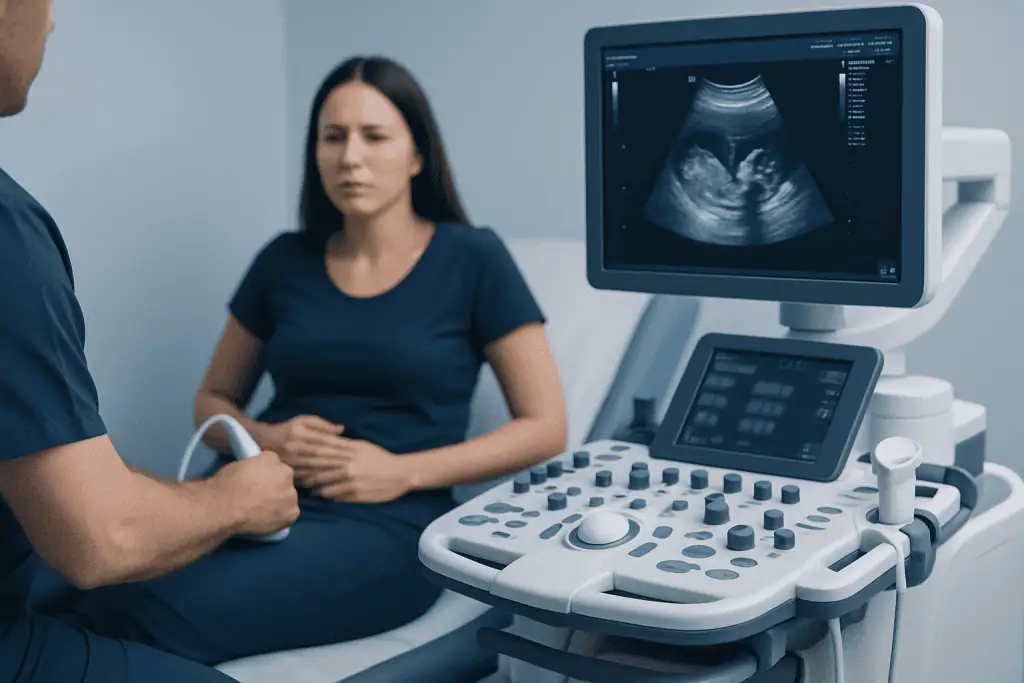
The hallmark symptom of endometriosis is pelvic pain, often linked to the menstrual cycle. Many patients describe cramps that are more intense than typical period discomfort, last longer than expected, or do not improve enough with usual pain relief. Pain may begin before bleeding starts and continue for several days. Over time, some people develop pain outside their periods as well.
Endometriosis symptoms may include:
- Painful periods, also called dysmenorrhea
- Chronic pelvic or lower abdominal pain
- Pain during or after sexual intercourse
- Pain with bowel movements, especially during menstruation
- Pain or discomfort when urinating, sometimes worse during periods
- Heavy menstrual bleeding or spotting between periods
- Bloating, nausea, constipation, diarrhea, or fatigue
- Difficulty becoming pregnant
Symptoms may overlap with other conditions, such as irritable bowel syndrome, pelvic inflammatory disease, ovarian cysts, bladder pain syndrome, fibroids, or musculoskeletal pelvic pain. This overlap is one reason diagnosis can take time. Keeping a symptom diary that records pain timing, bleeding patterns, bowel and bladder symptoms, and how symptoms affect daily life can help a doctor identify patterns and plan appropriate tests.
Causes and Risk Factors
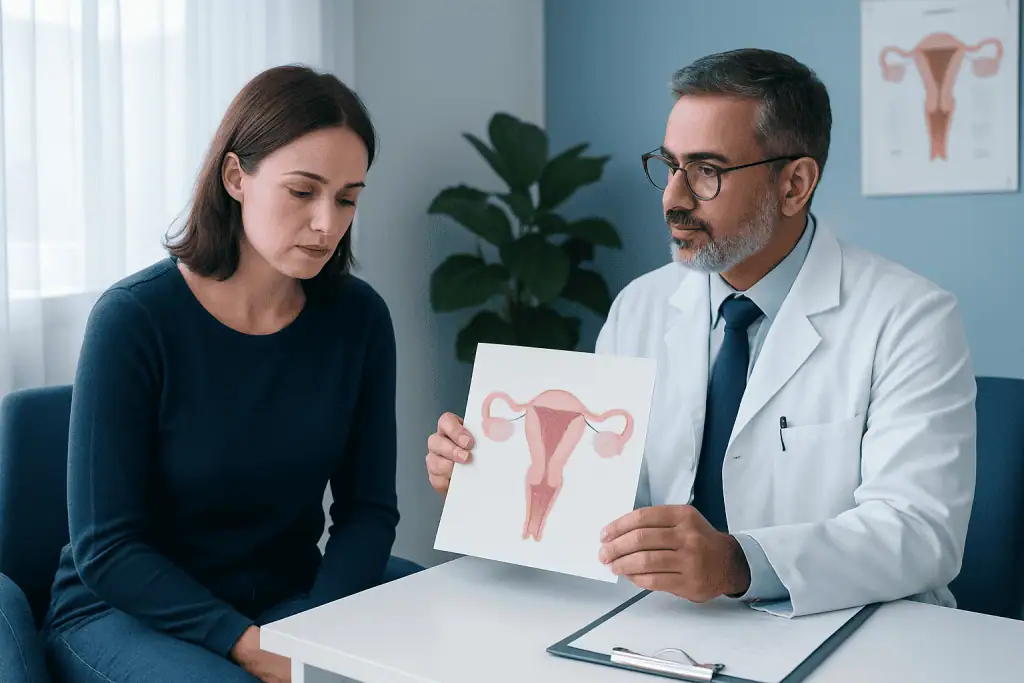
The exact cause of endometriosis is not fully understood. Several mechanisms may contribute, including retrograde menstruation, in which menstrual blood flows backward through the fallopian tubes into the pelvis; changes in immune system response; transformation of certain cells into endometrium-like tissue; and spread of cells through blood or lymphatic pathways. Genetics may also play a role, as endometriosis can occur more often in people with close relatives who have the condition.
Hormones, especially estrogen, influence the activity of endometriosis tissue. This is why symptoms often appear during reproductive years and may change with hormonal life stages, such as pregnancy, use of hormonal contraception, or menopause. However, every patient is different, and symptoms do not always follow a predictable pattern.
Factors that may be associated with a higher likelihood of endometriosis include a family history of endometriosis, starting periods at a young age, shorter menstrual cycles, longer or heavier periods, and certain reproductive tract differences that affect menstrual flow. Having one or more risk factors does not mean a person will develop endometriosis, and having no known risk factors does not rule it out.
How Endometriosis Is Diagnosed
Diagnosis begins with a careful medical history. A gynecologist may ask about the location, timing, and intensity of pain; menstrual patterns; bowel and bladder symptoms; sexual pain; previous surgeries; fertility goals; and family history. A pelvic examination may help identify tenderness, masses, limited movement of pelvic organs, or other findings, although a normal examination does not exclude endometriosis.
Imaging tests can be useful, especially when ovarian endometriomas or deep endometriosis are suspected. Pelvic ultrasound is commonly used as an initial test because it is accessible and can detect certain cysts or structural causes of pain. Magnetic resonance imaging, or MRI, may provide more detail in selected cases, particularly before surgery or when deep disease involving the bowel, bladder, or ligaments is possible.
Laparoscopy, a minimally invasive surgical procedure, has traditionally been considered the most definitive way to diagnose endometriosis because it allows direct visualization and, when needed, biopsy of suspicious tissue. In many cases, doctors may begin treatment based on symptoms and imaging without immediate surgery, especially when symptoms are typical and the patient prefers a non-surgical approach. The best diagnostic pathway depends on symptom severity, age, fertility plans, imaging results, and the patient’s preferences.
Treatment Options
Treatment for endometriosis is individualized. The goals may include relieving pain, reducing inflammation, improving daily function, treating associated conditions, and supporting fertility plans. Because endometriosis can behave differently from person to person, a treatment plan is often adjusted over time based on response and changing life goals.
Medication options may include nonsteroidal anti-inflammatory drugs for pain relief and hormonal treatments that reduce cyclical stimulation of endometriosis tissue. Hormonal options can include combined hormonal contraceptives, progestin-only therapies, hormonal intrauterine systems, or medicines that temporarily suppress ovarian hormone production. These treatments are not suitable for everyone, and choice depends on medical history, side effects, desire for pregnancy, and personal preferences.
Surgery may be considered when pain is severe, symptoms do not respond to medication, imaging suggests endometriomas or deep disease, or fertility evaluation indicates a benefit. Laparoscopic surgery aims to remove or destroy endometriosis lesions, treat scar tissue when appropriate, and preserve healthy organs as much as possible. For patients trying to conceive, fertility assessment and assisted reproductive technologies may be discussed. Care may involve gynecologists, fertility specialists, pain specialists, colorectal or urologic surgeons, physiotherapists, and mental health professionals when needed.
Prevention and Self-Care
There is no proven way to completely prevent endometriosis. However, self-care strategies can support medical treatment and help patients manage pelvic pain more effectively. These approaches do not replace professional care, but they may reduce symptom burden and improve confidence in daily life.
Helpful strategies may include using heat therapy for cramps, pacing activities during painful days, gentle movement as tolerated, adequate sleep, and stress-management techniques such as breathing exercises or mindfulness. Some people benefit from pelvic floor physiotherapy, especially when muscle tension contributes to pain during sex, urination, bowel movements, or exercise. A balanced diet and attention to digestive triggers may also help patients who experience bloating, constipation, or diarrhea, although no single diet has been proven to treat endometriosis for everyone.
Patients should be cautious with unproven supplements or restrictive diets, especially if they are trying to conceive, pregnant, have chronic illnesses, or take regular medications. It is wise to discuss complementary therapies with a doctor to avoid interactions and delays in appropriate treatment. Tracking symptoms, menstrual cycles, pain scores, medication use, and possible triggers can help guide follow-up appointments and treatment decisions.
When to See a Doctor
A person should seek medical advice if pelvic pain interferes with school, work, sleep, exercise, relationships, or sexual activity. Painful periods are common, but pain that is severe, worsening, or not relieved by usual measures deserves evaluation. It is also important to consult a gynecologist for pain with sex, bowel movements, or urination; heavy or irregular bleeding; persistent bloating; or difficulty becoming pregnant.
Urgent medical attention is needed for sudden, severe pelvic pain, fainting, fever, vomiting, heavy bleeding, or pain with a possible pregnancy, because these symptoms may indicate conditions that require prompt care. Patients should not feel they must “tolerate” pelvic pain as a normal part of menstruation. Early assessment can help identify endometriosis or other treatable causes and may reduce the impact of symptoms over time.
For international patients seeking evaluation, Acibadem International offers access to multidisciplinary specialists and JCI-accredited hospitals that diagnose and treat endometriosis and pelvic pain. Patients should choose a care team that listens carefully, explains options clearly, and builds a plan around symptoms, safety, fertility goals, and personal priorities.
Frequently asked questions
Is endometriosis the same as having painful periods?
No. Painful periods can have many causes, and not everyone with period pain has endometriosis. However, severe cramps, pain that worsens over time, or pain that disrupts normal activities should be assessed by a gynecologist.
Can endometriosis affect fertility?
Yes, endometriosis can make it more difficult for some people to become pregnant, especially when it affects the ovaries, fallopian tubes, or pelvic anatomy. Many people with endometriosis can still conceive naturally or with fertility treatment. A fertility-focused evaluation can help guide the best approach.
Can ultrasound rule out endometriosis?
A normal ultrasound cannot completely rule out endometriosis. Ultrasound can detect some findings, such as ovarian endometriomas or certain deep lesions, but smaller surface lesions may not be visible. Doctors interpret imaging together with symptoms, examination findings, and treatment response.
Does endometriosis always require surgery?
No. Many patients start with medication, hormonal therapy, physiotherapy, or other non-surgical strategies. Surgery may be recommended when symptoms are severe, treatment is not helping, imaging shows certain types of disease, or fertility planning makes surgery appropriate.
Will endometriosis go away after menopause?
Symptoms often improve after menopause because estrogen levels decrease. However, some people may continue to have symptoms, especially if scar tissue, pelvic floor dysfunction, or other pain conditions are present. Ongoing or new pelvic pain after menopause should always be evaluated.
What can patients do before a doctor’s appointment?
Patients can prepare by recording menstrual dates, pain location and severity, bowel and bladder symptoms, bleeding patterns, medications used, and how symptoms affect daily life. Bringing previous imaging reports, surgery notes, and fertility history can also be helpful. Clear information helps the doctor make a more personalized plan.
References
- World Health Organization
- American College of Obstetricians and Gynecologists
- European Society of Human Reproduction and Embryology
- National Institute for Health and Care Excellence
- Mayo Clinic
This article is for general information only and is not a substitute for professional medical advice. Please consult a qualified doctor about your individual situation.
Endometriosis in Turkey — costs, top hospitals & a free quote
JCI-accredited · board-certified surgeons · reply within 24h
Add us as a Preferred Source to see more of our trusted health content across Google Search, AI Overviews and Discover.

Gynecology & Obstetrics
Women’s health across pregnancy, gynecologic surgery and high-risk pregnancy care.
187 specialists in this unit