Chemotherapy: How It Works and Managing Side Effects
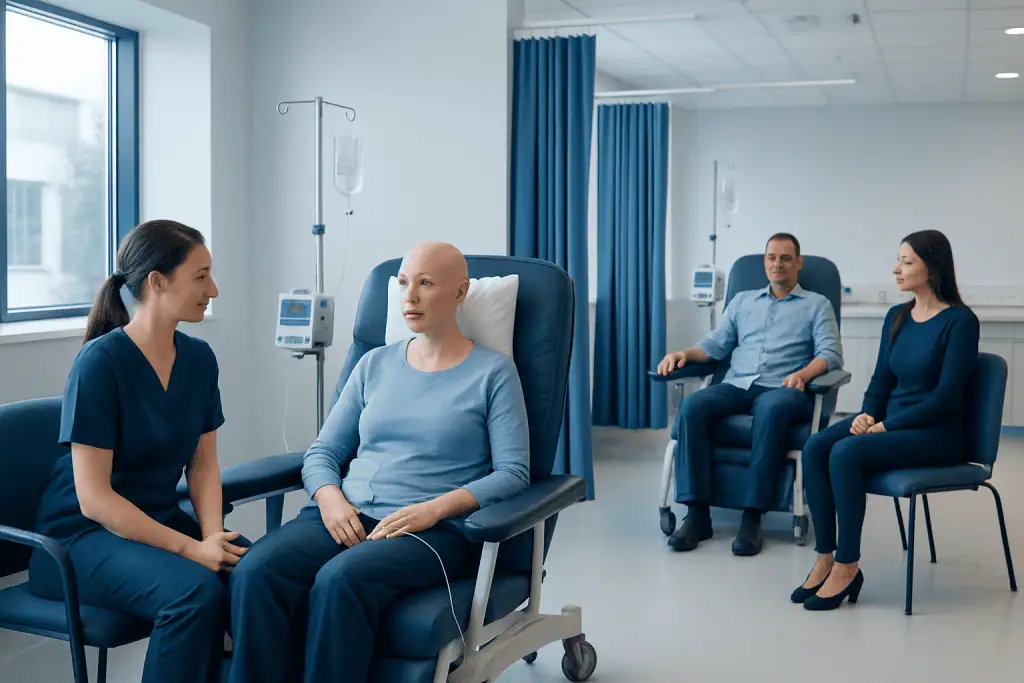
Chemotherapy may be used alone or with surgery, radiation therapy, immunotherapy, targeted therapy, or hormone therapy. Treatment is planned in cycles to give the body time to recover between doses.
Key Takeaways
- Chemotherapy may be used alone or with surgery, radiation therapy, immunotherapy, targeted therapy, or hormone therapy.
- Treatment is planned in cycles to give the body time to recover between doses.
- Side effects vary depending on the drugs used, dose, treatment schedule, and the patient’s overall health.
- Many chemotherapy side effects can be prevented, reduced, or treated with supportive medicines and self-care strategies.
- Patients should contact their oncology team promptly for fever, uncontrolled vomiting, breathing problems, severe diarrhea, bleeding, or sudden worsening symptoms.
Chemotherapy is a cancer treatment that uses medicines to destroy cancer cells or slow their growth. Understanding how it works, what side effects may occur, and when to seek medical advice can help patients feel more prepared and supported.
Overview
Chemotherapy is a type of systemic cancer treatment, meaning it travels through the bloodstream to reach cancer cells in many parts of the body. It uses anti-cancer medicines to kill cells that are dividing quickly or to stop them from growing and multiplying. Because many cancers grow faster than most normal tissues, chemotherapy can be an important part of treatment for a wide range of cancer types.
Chemotherapy may be given with the goal of curing cancer, reducing the chance of cancer returning, shrinking a tumor before surgery or radiation therapy, controlling cancer that has spread, or relieving symptoms caused by tumor growth. The aim depends on the cancer type, stage, biology, previous treatments, and the person’s general health.
Although the word chemotherapy can sound worrying, modern oncology care includes careful planning, monitoring, and supportive treatments to reduce side effects. Many people receive chemotherapy as an outpatient treatment and continue parts of their usual routine with adjustments. The oncology team helps each patient understand the expected benefits, possible risks, and practical steps for safer treatment.
How Chemotherapy Works
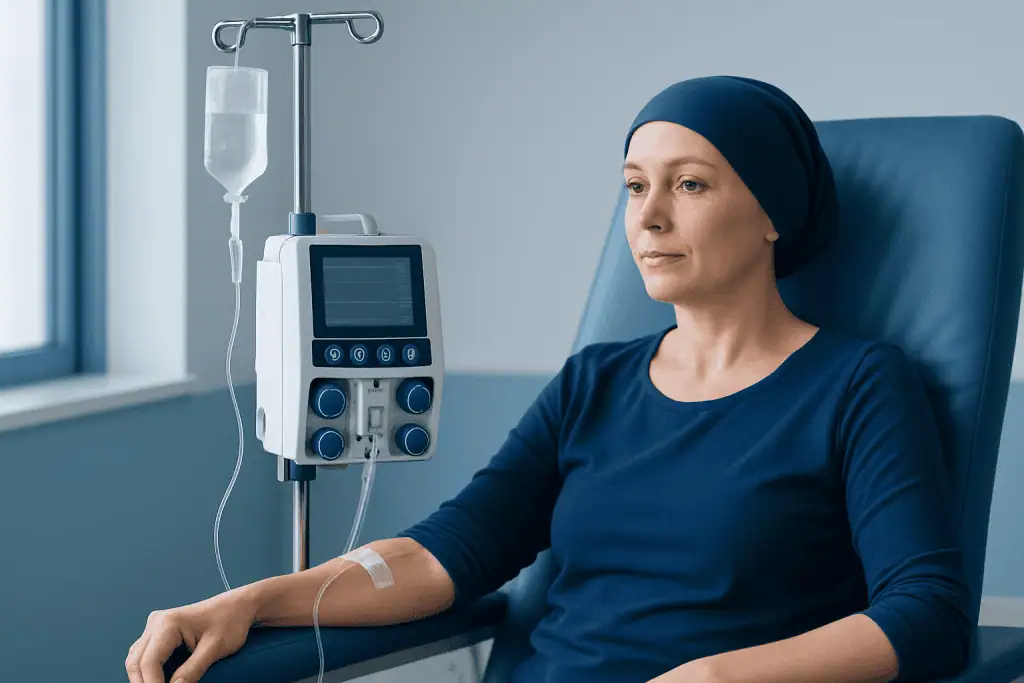
Cancer cells often grow and divide in an uncontrolled way. Chemotherapy medicines interfere with different steps in the cell cycle, damage cancer cell DNA, or prevent cells from making the components they need to divide. Some chemotherapy drugs work best when cells are actively dividing, while others can affect cells at more than one stage.
Because chemotherapy circulates throughout the body, it can treat cancer cells that may not be visible on scans or that have spread beyond the original tumor. This is one reason it is often used after surgery, called adjuvant chemotherapy, to lower the risk of recurrence. It may also be used before surgery, called neoadjuvant chemotherapy, to shrink a tumor and make local treatment easier.
Chemotherapy can also affect normal fast-growing cells, such as cells in the bone marrow, hair follicles, mouth, digestive tract, and reproductive organs. This explains many common side effects, including fatigue, low blood counts, hair loss, mouth sores, nausea, or bowel changes. Importantly, most normal tissues can recover after treatment, and the care team monitors patients closely to support that recovery.
Types and Ways Chemotherapy Is Given
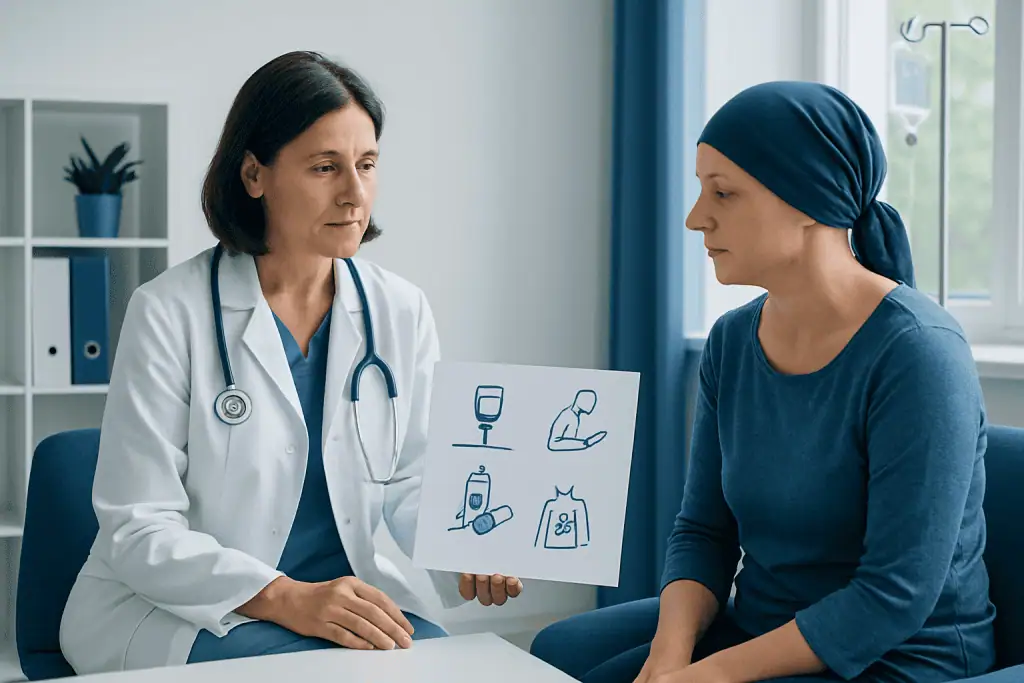
Chemotherapy is not one single medicine. There are many chemotherapy drugs and combinations, and each works in a different way. The oncology team chooses a treatment plan based on the cancer diagnosis, pathology results, genetic or molecular features of the tumor when relevant, previous treatments, organ function, and the patient’s preferences and daily needs.
Chemotherapy may be given in several forms. Intravenous chemotherapy is delivered into a vein in a treatment unit, sometimes through a temporary cannula and sometimes through a port or central line. Some chemotherapy medicines are taken by mouth as tablets or capsules. Others may be given by injection, into a body cavity, or into the fluid around the brain and spinal cord in selected conditions.
Treatment is usually organized into cycles. A cycle includes a treatment day or series of treatment days followed by a rest period, allowing healthy cells time to recover. Before each cycle, patients often have blood tests and a clinical review to check whether it is safe to proceed, whether side effects need treatment, or whether the schedule should be adjusted.
What to Expect Before and During Treatment
Before chemotherapy begins, the oncology team reviews the diagnosis, treatment goals, expected schedule, and possible side effects. Patients may have blood tests, heart or kidney function checks, imaging studies, dental review in selected cases, or fertility counseling if treatment could affect future fertility. It is important to tell the doctor about all medicines, supplements, allergies, chronic illnesses, and previous reactions to treatment.
On treatment days, patients may receive medicines before chemotherapy to reduce nausea, allergic reactions, or other expected side effects. The infusion time can vary from minutes to several hours depending on the drugs used. Nurses monitor the patient during treatment and explain what symptoms should be reported immediately, such as burning at the IV site, chest tightness, rash, dizziness, or shortness of breath.
Useful preparation can make treatment days more comfortable. Patients may bring water, snacks if permitted, a book, headphones, warm clothing, and a list of questions. It is also wise to arrange transport for the first session until the patient knows how the treatment affects them. If chemotherapy is taken at home, the patient should follow handling and storage instructions carefully and never change the schedule without medical advice.
Common Side Effects and How They Are Managed
Chemotherapy side effects differ widely from person to person. Some patients have mild symptoms, while others need more active support. Side effects depend on the specific drugs, dose, treatment interval, other therapies, age, nutrition, and overall health. Patients should not assume they will experience every listed side effect, and they should tell the care team early when symptoms appear.
Common chemotherapy side effects may include:
- Fatigue and reduced energy
- Nausea, vomiting, appetite changes, or taste changes
- Hair thinning or hair loss
- Mouth sores or dry mouth
- Diarrhea or constipation
- Low white blood cells, anemia, or low platelets
- Numbness, tingling, or nerve discomfort in the hands and feet
- Skin and nail changes
- Changes in menstrual cycles, fertility, or sexual health
Many side effects can be prevented or reduced. Anti-nausea medicines, mouth care routines, nutrition support, infection precautions, hydration, and treatment breaks or dose adjustments may be used when appropriate. For low blood counts, doctors may recommend monitoring, medicines that support white blood cell recovery in selected patients, transfusions when needed, or a temporary delay in treatment.
Patients should keep a symptom diary and report side effects honestly, even if they seem minor. Early reporting helps the oncology team adjust supportive care before symptoms become more difficult to manage. No patient should start over-the-counter medicines, herbal products, or supplements during chemotherapy without checking with the cancer care team, because some products can interfere with treatment or increase bleeding, liver, or kidney risks.
Practical Self-Care During Chemotherapy
Self-care cannot replace medical treatment, but it can help patients feel steadier during chemotherapy. Rest is important, yet gentle activity such as short walks may help reduce fatigue for many patients when approved by the doctor. Energy can be saved by planning important tasks for the time of day when the patient usually feels best and accepting help with meals, transport, cleaning, or childcare.
Nutrition needs vary. Some patients tolerate small, frequent meals better than large meals, especially if appetite is low. Soft, cool foods may be easier when the mouth is sore, and bland foods may help during nausea. Drinking enough fluids is important unless the doctor has advised fluid restriction. If weight loss, swallowing problems, persistent vomiting, or severe appetite loss occurs, a dietitian or oncology team can provide individualized guidance.
Infection prevention is especially important when white blood cell counts are low. Patients should wash hands regularly, avoid close contact with people who are unwell, follow food safety advice, and check with the care team before vaccinations. They should also ask whether there are any restrictions related to gardening, dental procedures, travel, swimming pools, or crowded places during certain parts of the treatment cycle.
Emotional well-being also deserves attention. It is common to feel uncertain, tired, or more sensitive during treatment. Support may come from family, friends, counseling, patient support groups, spiritual care, or relaxation practices. Patients should tell their doctor if sadness, anxiety, sleep problems, or fear becomes persistent or interferes with daily life, because psychological support is a normal part of cancer care.
When to Contact the Oncology Team
The oncology team should provide clear instructions about which symptoms require urgent contact and which can wait until the next appointment. A fever during chemotherapy can be a sign of infection when white blood cells are low and should always be taken seriously according to the instructions provided by the treating team. Patients should keep emergency contact numbers available at home and while traveling.
Patients should seek prompt medical advice for fever or chills, shortness of breath, chest pain, confusion, uncontrolled vomiting, inability to drink fluids, severe diarrhea, blood in urine or stool, unusual bruising or bleeding, severe mouth sores, signs of dehydration, sudden weakness, severe allergic symptoms, or pain, redness, or swelling around an IV line or port. Any symptom that feels sudden, severe, or unusual should be discussed with a healthcare professional.
Regular follow-up visits are used to assess response to treatment, manage side effects, and plan the next steps. Imaging tests, blood tests, physical examinations, and symptom reviews may be included. Treatment plans can change over time based on how the cancer responds and how well the patient tolerates therapy.
For international patients, Acibadem International provides access to multidisciplinary oncology specialists and JCI-accredited hospitals for diagnosis, chemotherapy planning, treatment delivery, and follow-up coordination. Patients should always discuss individual risks, benefits, and alternatives with a qualified oncology team before making treatment decisions.
Frequently asked questions
Is chemotherapy always used for cancer treatment?
No. Some cancers are treated with surgery, radiation therapy, hormone therapy, targeted therapy, immunotherapy, active surveillance, or a combination of methods. Chemotherapy is recommended when evidence suggests it may help control the cancer, reduce recurrence risk, shrink tumors, or relieve symptoms.
Will everyone lose their hair during chemotherapy?
Not all chemotherapy medicines cause hair loss. Some cause thinning, some cause complete hair loss, and others have little effect on hair. If hair loss is expected, the care team can explain timing, scalp care, and options such as wigs, head coverings, or scalp cooling when suitable.
Can chemotherapy be painful?
The infusion itself is usually not painful, although needle placement or IV access may cause brief discomfort. Patients should immediately report burning, swelling, pain, or redness at the infusion site. Some side effects, such as mouth sores or nerve discomfort, can cause pain and should be treated early.
How long do chemotherapy side effects last?
Some side effects, such as nausea or fatigue, may improve within days after each cycle, while others can last longer. Hair usually grows back after treatment, although texture or color may change. Certain effects, such as nerve symptoms or fertility changes, may be longer lasting, so patients should discuss risks before treatment begins.
Can a patient work during chemotherapy?
Some people continue working during treatment, while others need reduced hours or time off. This depends on the treatment schedule, side effects, job demands, infection risk, and personal energy levels. The oncology team can help patients plan realistic activity and work adjustments.
Is it safe to take vitamins or herbal supplements during chemotherapy?
Patients should ask their oncology team before taking vitamins, herbal products, or dietary supplements. Some products can interact with chemotherapy, affect blood clotting, or place extra strain on the liver or kidneys. A balanced diet is usually preferred unless a deficiency or special need is identified.
What happens if chemotherapy needs to be delayed?
Delays can happen if blood counts are low, side effects are significant, or an infection or other medical issue needs treatment. A short delay does not automatically mean treatment has failed. The oncology team weighs safety and cancer control carefully when adjusting the schedule.
References
- World Health Organization
- National Cancer Institute
- American Cancer Society
- European Society for Medical Oncology
- American Society of Clinical Oncology
This article is for general information only and is not a substitute for professional medical advice. Please consult a qualified doctor about your individual situation.
Chemotherapy in Turkey — costs, top hospitals & a free quote
JCI-accredited · board-certified surgeons · reply within 24h
Add us as a Preferred Source to see more of our trusted health content across Google Search, AI Overviews and Discover.

Medical Oncology Department
Medical treatment of cancer with chemotherapy, immunotherapy and targeted therapies under a multidisciplinary tumor board.
60 specialists in this unit