Mesothelioma Surgery: Procedure, Recovery and Results

Mesothelioma surgery is most often considered for selected patients with pleural mesothelioma and good overall fitness for major treatment. Operations may aim to remove visible tumor, control fluid around the lungs, or improve comfort rather than cure the disease.
Key Takeaways
- Mesothelioma surgery is most often considered for selected patients with pleural mesothelioma and good overall fitness for major treatment.
- Operations may aim to remove visible tumor, control fluid around the lungs, or improve comfort rather than cure the disease.
- Surgery is commonly combined with systemic therapy and, in some cases, radiation therapy as part of multidisciplinary care.
- Recovery varies substantially by procedure, with major chest operations requiring weeks to months of rehabilitation.
- A thoracic oncology team can explain likely benefits, risks, alternatives, and the realistic goals of surgery for an individual patient.
Mesothelioma surgery can remove cancerous tissue, reduce tumor burden, or relieve symptoms such as fluid buildup and breathlessness. Whether it is appropriate depends on the mesothelioma type, stage, overall health, lung function, and whether complete or near-complete tumor removal is realistically possible.
Overview: What Is Mesothelioma Surgery?
Mesothelioma surgery is an operation used to remove cancerous tissue, reduce the amount of tumor in the body, or control symptoms caused by mesothelioma. It is most frequently discussed for pleural mesothelioma, which develops in the lining around the lungs, although surgery may also be considered for selected cases affecting the lining of the abdomen or, rarely, other sites.
It is not suitable for every person with mesothelioma. The disease can grow along delicate tissue surfaces and may be difficult to remove completely. For this reason, surgery is usually planned as one component of care alongside systemic treatment, such as chemotherapy or immunotherapy, and sometimes radiation therapy. The treatment goal may be long-term disease control, removal of as much visible disease as safely possible, or symptom relief.
Decisions are best made by a multidisciplinary team that includes thoracic surgeons, medical oncologists, radiation oncologists, respiratory specialists, radiologists, pathologists, anesthesiologists, pain specialists, and rehabilitation professionals. The team weighs the likely benefit of surgery against its physical demands and potential risks.
How It Works and Who May Be a Candidate
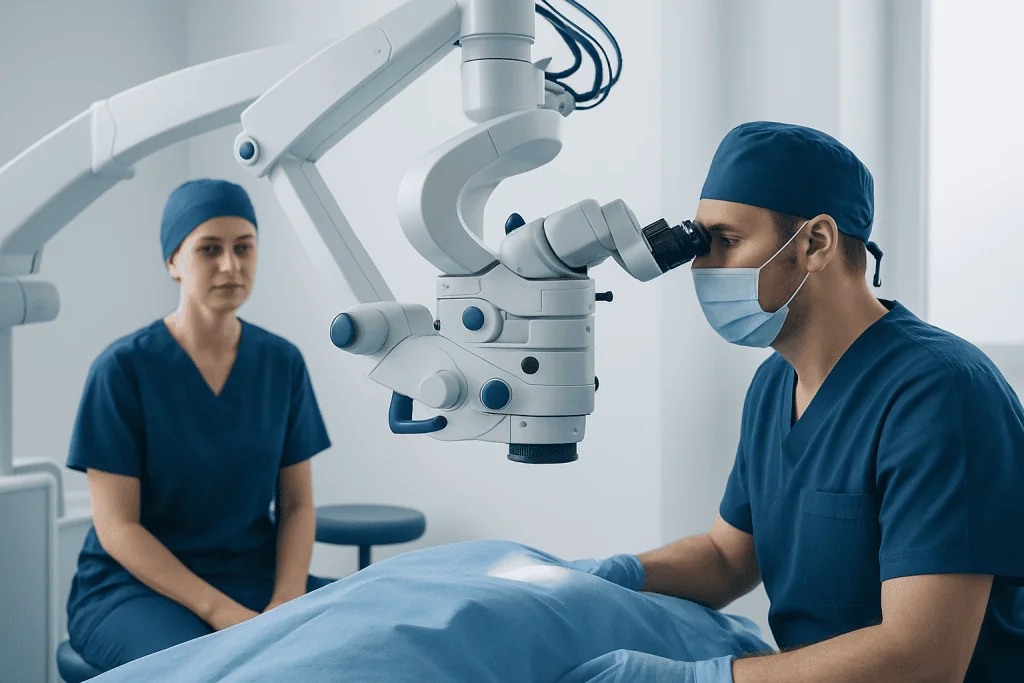
Mesothelioma can spread as a sheet-like tumor over the pleura, the thin lining surrounding the lungs and chest wall. During surgery, the surgeon removes affected lining and, when appropriate, nearby tumor deposits. The exact approach depends on how far the cancer has grown, its cell type, whether it can be safely removed, and the patient’s treatment goals.
Potential candidates generally have disease that appears confined to one side of the chest or another operable area, adequate heart and lung reserve, and sufficient strength to recover from major surgery. Imaging scans, tissue biopsy results, breathing tests, heart assessment, and overall performance status all contribute to the decision. Age alone does not determine eligibility; overall health and functional ability are more important.
People with extensive cancer spread, poor lung or heart function, severe frailty, or serious uncontrolled medical conditions may be less likely to benefit from a major operation. In these situations, systemic therapy and symptom-focused procedures may offer a safer and more useful approach. A second opinion from a specialist mesothelioma team can help clarify options.
Types of Procedures and What Happens Step by Step
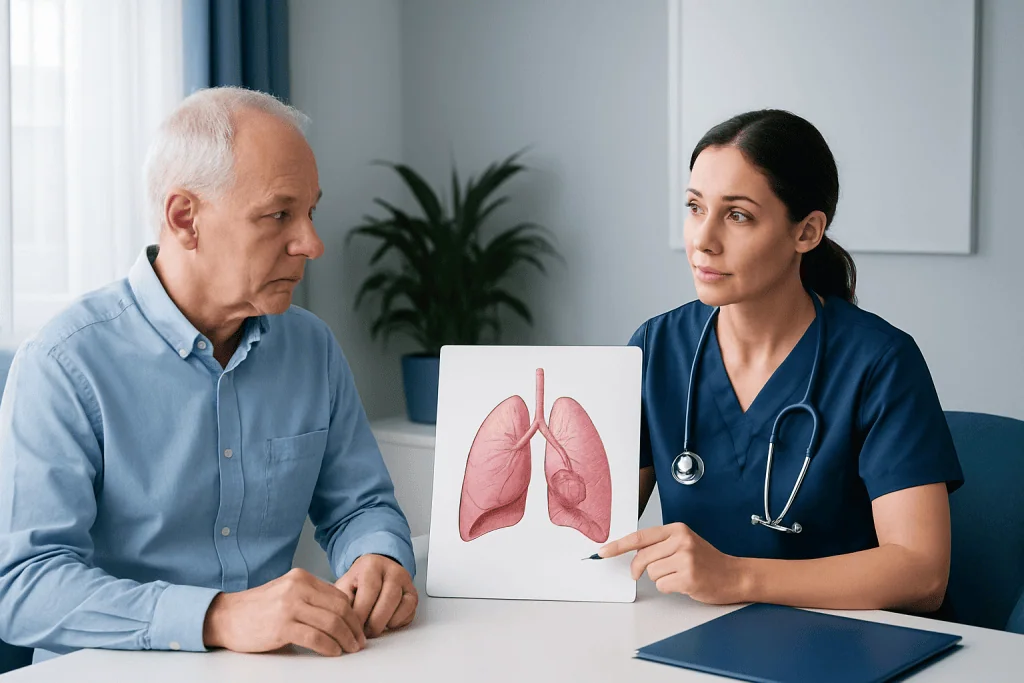
For pleural mesothelioma, one major operation is pleurectomy/decortication. The surgeon removes the diseased pleural lining and visible tumor from the lung surface, chest wall, diaphragm, and sometimes the lining around the heart while preserving the lung when possible. This is a complex operation and may be performed through a large chest incision or, in carefully selected situations, with less invasive techniques for specific symptom-relief procedures.
A more extensive procedure, extrapleural pneumonectomy, removes the affected lung together with the pleura and portions of the diaphragm and lining around the heart that are involved by tumor. Because it has significant physical demands and risks, it is considered only for highly selected patients at experienced centers. The choice between procedures is individualized rather than based on a single standard operation.
Before surgery, the patient meets the surgical and anesthesia teams, completes preoperative tests, and receives instructions about fasting, medications, and breathing exercises. During the operation, general anesthesia is used. After tumor removal, the surgeon may reconstruct tissues as needed and place chest drains to remove air and fluid. The removed tissue is examined by pathology to confirm the diagnosis and assess the extent of disease.
Some procedures are primarily palliative. For example, draining fluid around the lung or creating pleural adhesion to reduce recurrent fluid buildup may ease breathlessness. These interventions do not remove all cancer, but they can improve comfort and daily function for suitable patients.
Benefits, Limits and Possible Risks
The potential benefit of mesothelioma surgery is greatest when it is part of a carefully selected, multimodal treatment plan. Removing visible disease may help control tumor growth in some patients, and procedures to manage pleural fluid can reduce breathlessness and chest pressure. Surgery may also provide additional tissue that helps specialists confirm the mesothelioma subtype and guide treatment planning.
However, surgery cannot always remove every microscopic cancer cell. Mesothelioma can recur after treatment, even when an operation has removed all visible tumor. It is important for patients and families to discuss whether the goal is maximal tumor reduction, longer disease control, symptom management, or a combination of these aims.
Risks vary with the procedure and a person’s health. They can include bleeding, infection, pneumonia, prolonged air leak, blood clots, irregular heart rhythm, fluid accumulation, pain, breathing difficulty, and complications related to anesthesia. Major lung-removing surgery also reduces respiratory reserve. The care team works to lower these risks through detailed assessment, preventive medications when appropriate, breathing therapy, early movement, and close follow-up.
- Ask what the intended goal of surgery is in the individual case.
- Discuss expected changes in breathing, activity, and independence after recovery.
- Ask which nonsurgical treatments may be used before or after the operation.
- Review warning signs that require urgent contact after discharge.
Recovery Timeline and Support After Surgery
Recovery begins in hospital, where pain control, chest-drain management, breathing exercises, nutrition, and early mobility are closely supported. The length of stay differs by operation, complications, and individual recovery. Less extensive symptom-relief procedures may involve a shorter admission, while major pleural surgery often requires a longer period of monitored recovery.
In the first days, patients may feel tired, sore, and short of breath with activity. Physiotherapists help with coughing techniques, deep-breathing exercises, walking, and gradual restoration of strength. Good pain management is important because it enables effective breathing and movement. Some patients need temporary oxygen or additional respiratory support during recovery.
At home, energy usually returns gradually over several weeks, and recovery from extensive surgery may continue for months. Follow-up appointments review wound healing, breathing, symptoms, pathology findings, and the next steps in treatment. Contact the clinical team promptly for worsening breathlessness, fever, chest pain, new leg swelling, wound redness or drainage, coughing blood, or symptoms that feel sudden or severe.
Emotional support is also part of recovery. Patients may benefit from oncology nursing support, pulmonary rehabilitation, nutrition guidance, counseling, palliative care services, and discussions with family or caregivers about practical needs. Palliative care can be provided at any stage and focuses on symptom relief and quality of life alongside cancer-directed treatment.
How Painful Is Mesothelioma?
Mesothelioma can cause pain, but the experience differs widely between individuals. In pleural mesothelioma, chest or shoulder pain may develop when tumor irritates the chest wall, nerves, or nearby structures. Some people instead notice breathlessness, cough, fatigue, or a feeling of chest tightness before they develop significant pain.
Pain should not be accepted as unavoidable. A specialist team can assess its likely cause and create an individualized plan that may include pain medicines, treatment for fluid buildup, nerve-pain approaches, radiation in selected situations, physical therapy, and supportive care. Reporting new or changing pain early helps the team respond promptly.
Is Mesothelioma One of the Worst Cancers?
Mesothelioma is a serious cancer because it is often diagnosed after it has spread across the lining of the chest or abdomen, and it can be challenging to remove completely. Its behavior, treatment response, and outlook vary according to the site of disease, cell type, stage, general health, and access to specialized care. Comparing cancers as “worst” can be misleading and may not help an individual understand their own situation.
Although mesothelioma requires expert evaluation, treatment options have expanded and may include surgery, systemic therapy, radiation therapy, symptom-directed procedures, and clinical trials where appropriate. A clear discussion with the oncology team can provide more meaningful information about treatment goals and expected outcomes for the individual.
Can You Remove Mesothelioma Cancer? Can Pleural Mesothelioma Go Into Remission?
In selected patients, surgeons can remove all visible mesothelioma that can be safely reached. This is more likely to be considered when disease appears localized and the patient is well enough for a major operation. Even after a technically successful procedure, microscopic cells may remain, which is why additional treatment and regular monitoring are commonly recommended.
Pleural mesothelioma can sometimes respond strongly to treatment, with scans showing no detectable active disease or a major reduction in tumor. Clinicians may describe this as remission, response, or no evidence of disease, depending on the situation. Remission does not necessarily mean the cancer is permanently cured, so ongoing follow-up is essential.
For patients considering complex surgery, evaluation at a center with thoracic oncology expertise is valuable. Acibadem International’s multidisciplinary specialists and JCI-accredited hospitals assess and treat mesothelioma for international patients, with care plans based on individual clinical findings.
When to Seek Medical Care
Medical assessment is important for persistent or worsening breathlessness, chest pain, unexplained cough, recurring fluid around the lungs, unusual tiredness, unexplained weight loss, or abdominal swelling and discomfort. These symptoms are common in many conditions and do not by themselves mean mesothelioma, but they deserve professional evaluation when they persist or interfere with daily life.
People with known asbestos exposure should tell their doctor, particularly if they develop respiratory symptoms. Evaluation may include a medical history, physical examination, chest imaging, breathing tests, removal and testing of fluid if present, and biopsy when needed to establish a diagnosis.
Urgent medical attention is needed for sudden severe breathlessness, severe chest pain, coughing up a significant amount of blood, fainting, or symptoms of a possible blood clot such as sudden one-sided leg swelling. For anyone already receiving treatment, new or rapidly worsening symptoms should be reported to the oncology or surgical team without delay.
Frequently asked questions
What is the main purpose of mesothelioma surgery?
Mesothelioma surgery may aim to remove as much visible cancer as safely possible, reduce tumor burden, or relieve symptoms such as recurrent fluid around the lungs. The goal depends on the disease extent, type of mesothelioma, overall health, and the wider treatment plan. It is often combined with systemic treatment and sometimes radiation therapy.
Who is eligible for mesothelioma surgery?
Eligibility is determined through a detailed specialist assessment. Doctors consider the location and stage of disease, biopsy findings, heart and lung function, physical fitness, and whether the cancer appears removable. Not every person with mesothelioma will benefit from a major operation.
How long does recovery take after mesothelioma surgery?
Recovery time depends on the procedure and the person’s baseline health. Hospital recovery may last days to weeks, while regaining stamina after major chest surgery often takes several weeks to months. Breathing exercises, walking, nutrition, and follow-up care are important parts of rehabilitation.
Is mesothelioma surgery always performed with chemotherapy?
Not always, but surgery is commonly considered within a multimodal treatment plan that may include chemotherapy, immunotherapy, and/or radiation therapy. The sequence and combination of treatments are individualized. A multidisciplinary team can explain why a particular approach is recommended.
Can mesothelioma return after surgery?
Yes. Mesothelioma can recur because microscopic cancer cells may remain even after visible tumor has been removed. Regular imaging and clinical follow-up help the care team identify changes and discuss further treatment options when needed.
What questions should a patient ask before mesothelioma surgery?
Patients may ask about the purpose of surgery, the exact operation recommended, likely benefits, potential complications, alternatives, expected recovery, and the role of other treatments. It is also useful to ask how symptoms and quality of life may change after surgery. Bringing a family member or caregiver to the consultation can help with note-taking and decision-making.
References
- National Cancer Institute
- American Cancer Society
- National Comprehensive Cancer Network
- European Society for Medical Oncology
- National Health Service
This article is for general information only and is not a substitute for professional medical advice. Please consult a qualified doctor about your individual situation.
Oncology care in Turkey — second opinion and treatment plan
JCI-accredited · board-certified surgeons · reply within 24h
Add us as a Preferred Source to see more of our trusted health content across Google Search, AI Overviews and Discover.