Stage 1 Lung Cancer Surgery Recovery: A Week-by-Week Timeline
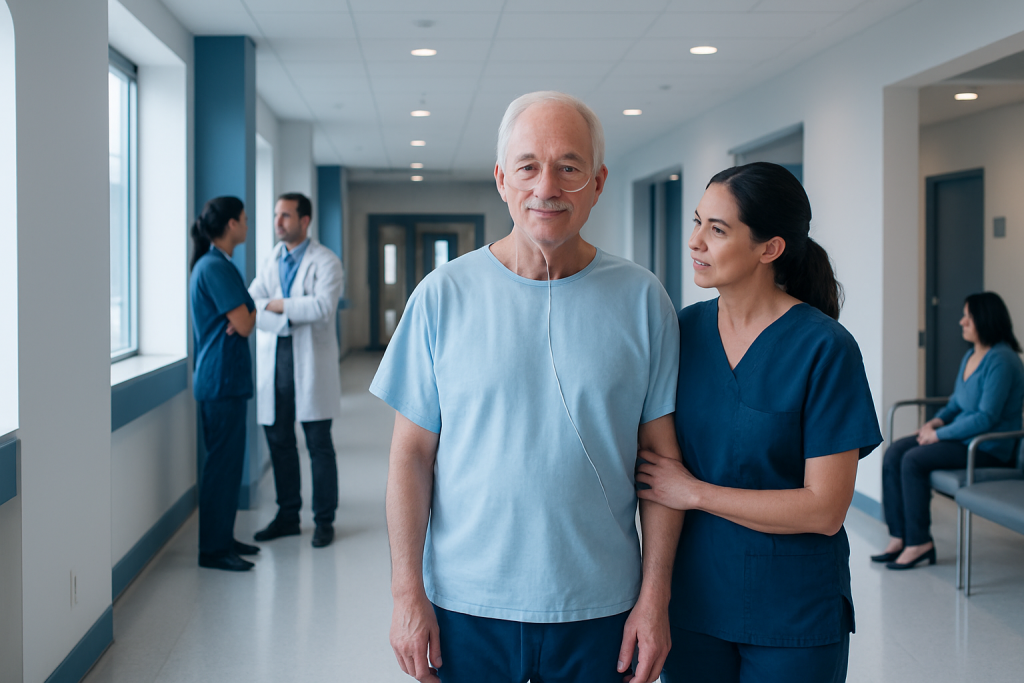
Many people resume light daily activities within a few weeks, but full recovery after lung cancer surgery often takes several months. Minimally invasive surgery, such as VATS or robotic surgery, may involve a shorter hospital stay and earlier physical recovery than open thoracotomy.
Key Takeaways
- Many people resume light daily activities within a few weeks, but full recovery after lung cancer surgery often takes several months.
- Minimally invasive surgery, such as VATS or robotic surgery, may involve a shorter hospital stay and earlier physical recovery than open thoracotomy.
- Walking, breathing exercises, pain control and avoiding smoking are important parts of recovery.
- Numbness, tingling and nerve-related chest discomfort are common early after surgery and usually improve gradually.
- New or worsening shortness of breath, fever, chest pain, coughing blood or wound problems require prompt medical advice.
Stage 1 lung cancer surgery recovery time commonly ranges from 4 to 8 weeks for a return to many usual activities, although energy, breathing comfort and chest-wall healing can continue improving for several months. Recovery depends on the operation performed, surgical approach, baseline lung function and whether complications occur.
Overview: What to Expect After Stage 1 Lung Cancer Surgery
For many people, stage 1 lung cancer surgery recovery time is about 4 to 8 weeks before they can manage many routine activities comfortably. However, recovery is individual: fatigue, reduced exercise tolerance and chest discomfort may improve gradually over 2 to 6 months or longer. A surgical team can give the most relevant estimate after considering the type of operation, lung health, age and other medical conditions.
Stage 1 lung cancer is generally confined to the lung without known spread to nearby lymph nodes or distant organs. When a person is medically fit for surgery, removing the tumor is often a central part of treatment. The goal is to remove the cancer completely while preserving as much healthy lung tissue as is safely possible.
Surgery may remove one lung lobe (lobectomy), a smaller part of a lobe (segmentectomy or wedge resection), or, less commonly, an entire lung (pneumonectomy). The procedure may be performed through a larger chest incision, called thoracotomy, or with minimally invasive video-assisted thoracoscopic surgery (VATS) or robotic techniques. The approach can influence pain, hospital stay and the pace of early recovery.
How Lung Cancer Surgery Works and Who May Be a Candidate
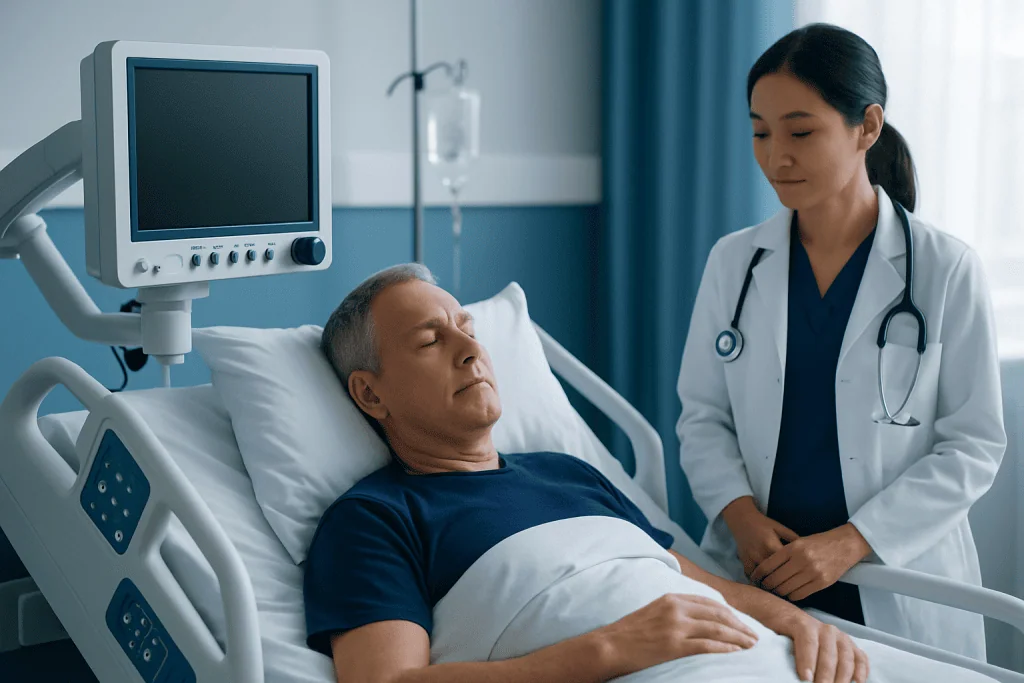
Before surgery, the care team confirms the cancer stage and assesses whether a patient can safely tolerate an operation. Assessment may include chest imaging, a biopsy, heart evaluation, blood tests and pulmonary function tests. These tests help estimate how well the remaining lung tissue is likely to work after surgery.
People with early-stage non-small cell lung cancer are often considered for surgery when the tumor can be removed and their heart and lung function are adequate. Some people may need treatment other than surgery, or a combined approach, if surgery would carry excessive risk. Decisions are best made with input from thoracic surgeons, pulmonologists, medical oncologists, radiation oncologists, radiologists and pathologists.
For appropriately selected patients, surgery can provide an opportunity to remove early cancer completely. During the procedure, the surgeon also commonly removes and examines lymph nodes from the chest. This helps confirm the stage and guides decisions about follow-up or any additional treatment.
Smoking cessation is important before and after surgery. Stopping smoking can improve airway function, wound healing and long-term health. Patients should ask their care team about support options, including counseling and medicines where appropriate.
The Procedure: Step by Step and Expected Hospital Stay

Lung cancer surgery is performed under general anesthesia, so the patient is asleep and does not feel the operation. The surgical team monitors breathing, circulation and other vital functions throughout. A breathing tube is used during anesthesia, and one lung may be temporarily deflated to allow the surgeon to work safely on the other side of the chest.
In a lobectomy, the surgeon separates and removes the lobe containing the tumor, while protecting the remaining lung tissue. Nearby lymph nodes may be sampled or removed for laboratory examination. With VATS or robotic surgery, the surgeon uses a camera and specialized instruments through several small incisions; thoracotomy requires a larger incision between the ribs.
At the end of surgery, one or more chest tubes are usually placed to drain air and fluid and help the lung re-expand. These are removed when the team is satisfied that the lung is expanded and there is no concerning air leak or drainage. The hospital stay varies, but it is often shorter after minimally invasive surgery than after an open operation.
Patients can learn more about surgical planning and care through lung cancer treatment options. The final pathology report, including lymph node results, is usually discussed after surgery and may refine the original stage.
How Long Does It Take to Recover From Stage 1 Lung Cancer Surgery?
Recovery is best understood as a gradual process rather than a single date. In the first days after surgery, the focus is on controlling pain, getting out of bed safely, coughing effectively and doing breathing exercises. These steps lower the risk of complications such as retained mucus, pneumonia and blood clots.
During weeks 1 and 2, many patients are home or preparing to return home. Tiredness is common, and short walks several times a day are usually encouraged if the surgeon approves. People should follow restrictions on lifting, driving, bathing, wound care and returning to work, since these differ according to the operation and pain medicines being used.
By weeks 3 to 6, walking distance and independence with household activities often improve. Some people are ready for desk-based work within this period, while physically demanding work may require more time. Surgical discomfort, numbness near the incision, reduced appetite and interrupted sleep can still occur.
Between 6 weeks and several months, many people notice continuing gains in stamina and breathing. The remaining lung tissue does not regrow, but the body adapts, and regular activity can improve conditioning. Follow-up appointments and surveillance scans remain important after treatment for early-stage lung cancer.
- Typical early recovery: hospital care, chest tube removal, walking and breathing exercises.
- Weeks 1–2: rest balanced with short, frequent walks; manage pain and protect the incision.
- Weeks 3–6: gradual return to normal self-care and selected work or social activities.
- Months 2–6: ongoing improvement in endurance, comfort and confidence with activity.
How Long Does Lung Lobectomy Surgery Take?
Lung lobectomy surgery often takes several hours, but the exact length varies widely. The duration depends on which lobe is being removed, whether the operation is minimally invasive or open, the location of the tumor, scar tissue or inflammation, anatomy and whether additional procedures are needed.
Time spent in the operating area also includes anesthesia preparation, positioning, recovery from anesthesia and transfer to a monitored recovery unit. For this reason, family members may be at the hospital for longer than the surgical time itself. The surgeon or perioperative team can provide updates according to local hospital practices.
A longer operation does not necessarily mean there has been a complication. Surgeons may take additional time to identify structures carefully, control bleeding, check the lung for air leaks and remove lymph nodes thoroughly. The priority is a safe procedure and appropriate cancer surgery rather than speed.
Before the operation, patients should ask what approach is planned, whether conversion from minimally invasive surgery to thoracotomy might be necessary, and what recovery differences may be expected. These discussions can help patients and caregivers prepare realistically.
How Long Does Nerve Pain Last After Lung Surgery?
Nerve-related pain after lung surgery may feel burning, shooting, tingling, electric, tight or unusually sensitive to touch around the incision, ribs, chest wall or upper abdomen. It can happen because small nerves between the ribs are irritated or injured during surgery and chest tube placement. Numbness around an incision is also common.
For many people, nerve discomfort improves noticeably over the first weeks to months. Some degree of altered sensation may persist longer, and a smaller number of patients develop chronic post-thoracotomy pain or persistent pain after minimally invasive surgery. Open surgery may be associated with greater chest-wall pain, although pain can occur after any approach.
Good pain control supports breathing, coughing, sleep and mobility. The care team may use a combination of approaches, such as non-opioid pain medicine, short-term stronger pain relief when needed, local or regional anesthesia techniques, and medicines specifically considered for nerve pain. Patients should not change or stop prescribed medication without clinical advice.
Persistent, worsening or function-limiting pain should be discussed at follow-up. A surgeon, pain specialist or rehabilitation clinician can assess the cause and tailor treatment. Sudden severe chest pain, particularly with new breathlessness, should be evaluated urgently.
What Is Life Like After a Lobectomy?
Life after a lobectomy is often active and fulfilling, especially when the remaining lung tissue and heart are healthy. At first, patients may notice they become short of breath more easily with stairs, brisk walking or carrying items. This usually improves as the body heals and physical conditioning returns.
Regular walking and clinician-guided pulmonary rehabilitation can help restore strength, balance and breathing efficiency. Pulmonary rehabilitation may include supervised exercise, breathing strategies, education and emotional support. Patients should increase activity gradually and stop to rest if they become very breathless, dizzy or unwell.
Emotional recovery matters as well. It is understandable to feel worried, low in mood or uncertain after a cancer diagnosis and operation. Support from family, cancer support services, a counselor or a patient group can be helpful. Follow-up visits are an opportunity to discuss physical symptoms and emotional concerns.
Long-term care usually includes scheduled imaging to look for recurrence or a new lung cancer, as recommended by the oncology team. Avoiding tobacco smoke, keeping vaccinations current when advised, eating a balanced diet and remaining physically active all support general lung and cardiovascular health.
Benefits, Risks and When to Seek Medical Care
For eligible patients with stage 1 lung cancer, surgery can remove the visible tumor and provide detailed information about the cancer through pathology testing. The amount of lung removed is tailored to the tumor and the patient’s lung reserve whenever possible. The team balances cancer control with preserving breathing capacity and quality of life.
All major operations carry risks. Possible complications include bleeding, infection, pneumonia, air leak from the lung, irregular heart rhythm, blood clots, reactions to anesthesia, persistent pain and reduced breathing capacity. The individual risk depends on factors such as smoking history, chronic lung disease, heart disease, frailty and the complexity of surgery.
When to seek medical care: Patients should contact their surgical team promptly for fever, increasing redness or drainage from an incision, pain that is not controlled by the care plan, worsening cough, persistent vomiting, or increasing shortness of breath. Emergency assessment is needed for severe breathing difficulty, fainting, sudden severe chest pain, coughing up a significant amount of blood, confusion, or signs of a possible blood clot such as sudden shortness of breath or one-sided leg swelling.
Acibadem International’s multidisciplinary specialists and JCI-accredited hospitals diagnose and treat lung cancer for international patients. A personalized recovery plan should always be developed with the treating surgical and oncology teams.
Frequently asked questions
How long does it take to recover from stage 1 lung cancer surgery?
Many patients need about 4 to 8 weeks to return to a large part of their usual routine after stage 1 lung cancer surgery. Recovery of stamina, breathing comfort and chest-wall symptoms may continue for several months. The timeline depends on the operation, surgical approach, lung function and any complications.
How long does nerve pain last after lung surgery?
Nerve-related pain and numbness commonly improve over weeks to months after lung surgery. Some patients have lingering altered sensation or chronic pain, particularly after open chest surgery. Persistent or worsening pain should be reviewed by the surgical team or a pain specialist.
What is life like after a lobectomy?
Many people return to independent, active lives after a lobectomy. Breathlessness with exertion can be more noticeable at first, but gradual exercise and pulmonary rehabilitation can improve endurance. Ongoing cancer surveillance and avoiding tobacco smoke remain important.
How long does lung lobectomy surgery take?
A lobectomy usually takes several hours, although the exact duration depends on the surgical technique, tumor location and individual anatomy. Time in the operating department is longer because it also includes anesthesia and recovery immediately after the procedure. The surgeon can provide an estimated range before surgery.
Is minimally invasive lung surgery easier to recover from?
VATS and robotic lung surgery often use smaller incisions and may be associated with less early pain, a shorter hospital stay and faster early mobility than open thoracotomy. However, recovery still requires careful pain control, breathing exercises and gradual activity. Not every tumor or patient is suitable for a minimally invasive approach.
When can a person drive or return to work after a lobectomy?
Driving should wait until the person can move comfortably, react safely in an emergency and is no longer taking sedating pain medicine. Return to work varies by job demands, energy level and recovery progress; desk work may be possible sooner than manual work. The surgical team should provide individualized clearance.
References
- National Cancer Institute
- American Cancer Society
- American Lung Association
- European Society for Medical Oncology
- Society of Thoracic Surgeons
This article is for general information only and is not a substitute for professional medical advice. Please consult a qualified doctor about your individual situation.
Lung Cancer in Turkey — costs, top hospitals & a free quote
JCI-accredited · board-certified surgeons · reply within 24h
Add us as a Preferred Source to see more of our trusted health content across Google Search, AI Overviews and Discover.

Medical Oncology Department
Medical treatment of cancer with chemotherapy, immunotherapy and targeted therapies under a multidisciplinary tumor board.
60 specialists in this unit