Dyspareunia Treatment: How It Works, Results and What to Expect

Dyspareunia means recurrent or persistent genital or pelvic pain associated with sexual activity. Effective treatment starts with identifying whether pain is at the vaginal opening, deeper in the pelvis, or both.
Key Takeaways
- Dyspareunia means recurrent or persistent genital or pelvic pain associated with sexual activity.
- Effective treatment starts with identifying whether pain is at the vaginal opening, deeper in the pelvis, or both.
- Options may include treating infection or skin conditions, vaginal moisturizers or lubricants, hormonal treatment, pelvic floor therapy and counseling.
- Improvement may be gradual, especially when pelvic floor muscle tension or chronic pelvic pain is involved.
- Severe, new, persistent or bleeding-associated pain should be assessed by a qualified clinician.
Dyspareunia treatment is tailored to the cause of pain during or after sexual intercourse. Many people improve with a combination of careful assessment, treatment for an underlying condition, pelvic floor rehabilitation, comfort measures and, when helpful, psychosexual support.
Dyspareunia treatment: how it works
Dyspareunia treatment works by identifying and addressing the reason intercourse is painful rather than relying on one universal treatment. Pain may occur at the vaginal opening with penetration, deeper in the pelvis during thrusting, or after sex. It can affect people of different ages and may be related to physical changes, inflammation, pelvic floor muscle tension, an underlying gynecological condition, emotional distress, or more than one factor at the same time.
A clinician will usually begin by listening carefully to the person’s symptoms, medical history, menstrual pattern, medications, childbirth history and sexual concerns. The goal is to create a plan that relieves pain, supports comfort and helps the person return to sexual activity at a pace that feels safe. Painful sex is common enough to discuss in healthcare, and it should not be dismissed as something a person simply has to endure.
Depending on the findings, care may involve a gynecologist, pelvic floor physiotherapist, dermatologist, urologist, pain specialist, mental health professional or sex therapist. A combined approach is often particularly useful when pain has been present for a long time or has led to anticipatory anxiety and tightening of the pelvic floor.
How long can dyspareunia last?
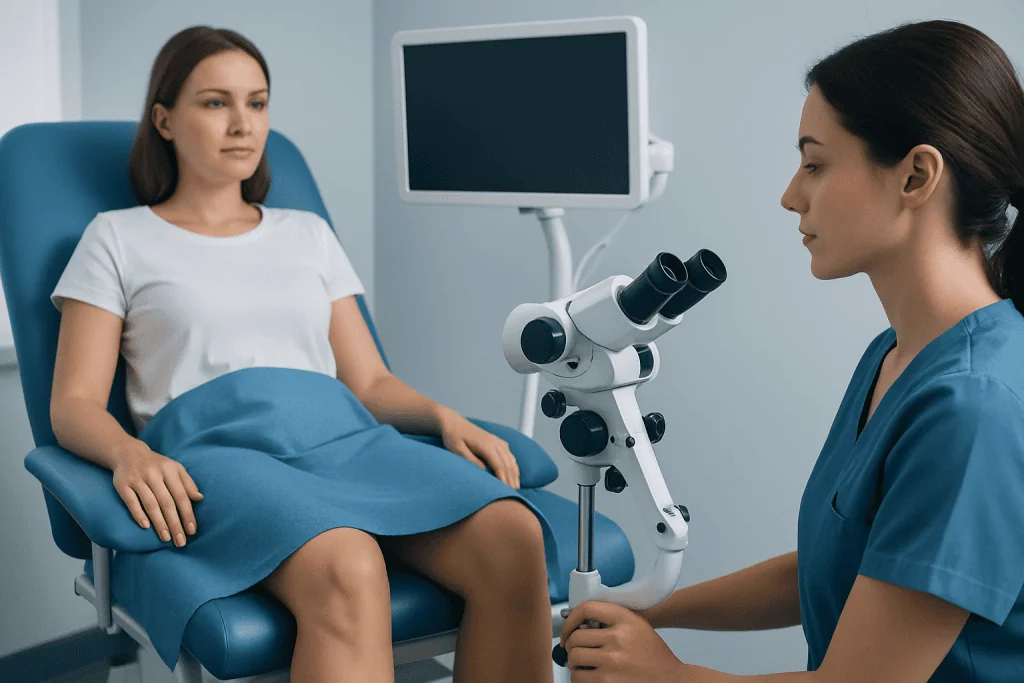
How long dyspareunia lasts depends on its cause and how quickly that cause can be addressed. Temporary pain from dryness, minor irritation or a treatable infection may settle within days to weeks once appropriate care begins. Pain associated with menopause-related tissue changes, pelvic floor overactivity, endometriosis, scar tissue or chronic pelvic pain may take longer and can require a structured, multi-step treatment plan.
Some people notice improvement soon after making practical changes, such as allowing more time for arousal, using a compatible lubricant or treating a specific infection. For others, progress is more gradual. Pelvic floor rehabilitation and treatment for long-standing pain patterns commonly take several weeks or months, with follow-up visits used to adjust the plan.
Persistent pain does not mean improvement is impossible. However, early assessment can help prevent a cycle in which pain causes fear, involuntary muscle tightening and further discomfort. A person should seek medical advice if pain is recurrent, worsening, or affecting wellbeing or intimate relationships.
Causes, candidacy and assessment for treatment

Anyone experiencing repeated pain with sexual activity is a candidate for assessment. Common causes include vaginal dryness, irritation from products, infections, vaginal or vulvar skin conditions, pelvic floor muscle tension, injury or scarring after childbirth or surgery, and hormonal changes during menopause, breastfeeding or some medical treatments. Deep pelvic pain can be associated with conditions such as endometriosis, ovarian cysts, uterine fibroids, pelvic inflammatory disease or bladder and bowel conditions.
The assessment is individualized. A clinician may recommend a pelvic examination, but this should be explained beforehand and performed only with consent. The examination may be modified, paused or deferred if it is too uncomfortable. Tests may include swabs for infection, urine testing, pregnancy testing when appropriate, blood tests or pelvic ultrasound. Further imaging or referral may be considered when symptoms suggest an underlying pelvic condition.
A useful evaluation also considers the location, timing and quality of pain. For example, burning at the entrance may suggest a different set of causes from a deep, aching pelvic pain. Emotional health, past experiences, relationship concerns and fear of pain may influence symptoms, but they do not make the pain unreal; both physical and psychological factors deserve respectful care.
- Entry pain may be linked to dryness, inflammation, skin conditions or pelvic floor tightening.
- Deep pain may be related to pelvic organs, muscle tension or certain positions.
- Pain after sex may reflect tissue irritation, muscle spasm or ongoing pelvic inflammation.
What does deep dyspareunia feel like?
Deep dyspareunia is pain felt inside the pelvis or lower abdomen during deeper penetration. People may describe it as a deep ache, sharp pain, pressure, cramping, a pulling sensation or pain that feels as though something is being bumped. It may occur only in certain positions, at particular times in the menstrual cycle, or when penetration is deeper or more vigorous.
Deep pain can sometimes be followed by pelvic aching, cramping or discomfort that lasts after intercourse. It may occur alongside painful periods, bowel symptoms, urinary symptoms or abnormal bleeding, which can give clinicians additional clues about potential causes. These symptoms do not confirm one diagnosis on their own, but they are important to mention during an appointment.
Until the cause is clearer, reducing depth of penetration, choosing positions that allow the person with pain to control movement, communicating with a partner and stopping when pain begins can help prevent further irritation. Persistent deep pain should be evaluated, particularly when it is new, severe or associated with other pelvic symptoms.
Treatment options and the step-by-step care process
There is no single procedure for dyspareunia. Treatment is usually a staged process: assessment, management of the underlying cause, symptom relief, rehabilitation when needed, and review of progress. If an infection, inflammatory skin condition or another identifiable problem is found, the first step is treatment directed at that condition. A clinician may also review medicines and contraceptive methods if they could be contributing to dryness or discomfort.
For dryness or fragile vaginal tissues, regular vaginal moisturizers, appropriately selected lubricants and, for some eligible people, local hormonal treatment may be considered. Pelvic floor physiotherapy can help a person learn to relax overly tense muscles, improve awareness of pain responses and gradually regain comfortable movement and penetration. Therapy may include education, breathing techniques, gentle manual approaches, relaxation exercises and a paced home program. Where appropriate, treatment may also overlap with care for uterine fibroids or other identified pelvic conditions.
Psychosexual counseling or cognitive behavioral approaches can be helpful when pain has affected confidence, intimacy, fear or communication. This support is not based on the assumption that pain is “all in the mind”; it is used because the nervous system, pelvic muscles, emotions and sexual experiences can interact. For complex or persistent symptoms, multidisciplinary care may combine gynecology, pelvic rehabilitation and pain management.
Surgery is not a routine treatment for dyspareunia itself. It may be discussed only when a specific structural or gynecological cause is found and non-surgical options are unlikely to be sufficient. Decisions should be based on symptoms, examination findings, imaging and the person’s reproductive plans and preferences.
Benefits, recovery timeline and possible risks
The main potential benefit of treatment is reduced pain and greater comfort, control and confidence during sexual activity. Other benefits may include improved sleep, mood, pelvic function and relationship communication. Results vary because dyspareunia has different causes, and a plan may need adjustment over time. The most helpful treatment is one that addresses the person’s individual symptoms and goals.
Recovery does not always follow a fixed timeline. Comfort measures for temporary dryness or irritation may help relatively quickly, while physiotherapy and treatment for chronic pelvic pain often require gradual progress over weeks to months. Sexual activity does not need to be resumed on a timetable. People can focus first on comfort, non-penetrative intimacy and exercises or treatments recommended by their clinician.
Risks depend on the treatment used. Some topical products can cause irritation or allergy, and hormonal treatments are not suitable for everyone. Pelvic examinations and physiotherapy can cause temporary discomfort, particularly at the beginning, but should never continue through significant pain. Medication or surgery for an underlying condition has its own possible side effects and risks, which should be reviewed carefully with the treating team.
At Acibadem International, multidisciplinary specialists in JCI-accredited hospitals can assess and treat causes of painful intercourse for international patients, with care coordinated according to individual needs.
Can you get rid of dyspareunia?
Many people can achieve substantial improvement or become free of pain, especially when a clear underlying cause is identified and treated. For example, pain caused by a treatable infection, irritation, dryness or certain skin conditions may resolve after appropriate management. When the cause is more complex, the aim may be to reduce pain, restore comfortable sexual function and prevent symptoms from controlling daily life.
Complete resolution may take time when pain is linked to pelvic floor muscle guarding, endometriosis, scars or long-term pain sensitization. A combination of medical treatment, pelvic floor rehabilitation and psychological or relationship support can be more effective than any one measure alone. Follow-up matters because symptoms, treatment goals and reproductive needs can change.
A person should avoid forcing penetration through pain. Repeated painful experiences can reinforce muscle tightening and fear, making symptoms more difficult to manage. A healthcare professional can help establish a gradual, realistic plan that respects comfort and consent.
What are the red flags for dyspareunia? When to seek medical care
Medical assessment is recommended for recurrent or persistent pain during intercourse, especially if it interferes with quality of life, relationships or the ability to have desired sexual activity. A person should seek prompt care for severe or suddenly worsening pelvic pain, fever, fainting, vomiting, suspected pregnancy-related pain, or pain following an injury or sexual assault. Emergency care may be needed if these symptoms are intense or accompanied by feeling unwell.
Other red flags include bleeding after sex, bleeding between periods or after menopause, unusual vaginal discharge or odor, sores or blisters, a new pelvic mass or swelling, unexplained weight loss, and new bowel or bladder changes. Pain with sex together with severe menstrual pain or infertility concerns also warrants a gynecological review.
It is appropriate to seek care even without red flags when pain continues. Keeping a brief record of where pain occurs, what it feels like, its relation to the menstrual cycle, any associated symptoms and what makes it better or worse can make the consultation more productive. Care should be compassionate, consent-based and tailored to the individual.
Frequently asked questions
What is the first-line treatment for dyspareunia?
First-line treatment depends on the cause. It may include treating infection or inflammation, avoiding irritants, using vaginal moisturizers or lubricants, and addressing hormonal dryness when appropriate. Pelvic floor physiotherapy is often helpful when muscle tension contributes to pain.
Can pelvic floor therapy help dyspareunia?
Yes. Pelvic floor therapy can help people who have involuntary muscle tightening, tenderness, poor muscle coordination or fear of pain with penetration. A trained physiotherapist uses a gradual, consent-based approach that may include relaxation, education and individualized exercises.
Should a person continue having sex if it hurts?
A person should not feel obliged to continue painful sexual activity. Stopping or changing the activity when pain begins can help avoid further tissue irritation and muscle guarding. A clinician can help identify comfortable alternatives while treatment is underway.
Can menopause cause painful sex?
Yes. Lower estrogen levels around and after menopause can make vaginal tissues thinner, drier and less flexible, contributing to pain with penetration. Lubricants, moisturizers and, for eligible individuals, local hormonal treatment may help after medical advice.
Is dyspareunia always caused by a gynecological condition?
No. Gynecological conditions are one possible cause, but pain may also be related to pelvic floor muscles, urinary or bowel conditions, skin disorders, medication effects, dryness or emotional factors. More than one contributor can be present at the same time.
What doctor should someone see for dyspareunia?
A gynecologist or primary care clinician is often a good starting point. Depending on the findings, referral may be made to a pelvic floor physiotherapist, dermatologist, urologist, gastroenterologist, pain specialist or psychosexual therapist. Collaborative care can be valuable for persistent symptoms.
References
- American College of Obstetricians and Gynecologists
- Mayo Clinic
- National Health Service
- International Society for the Study of Women’s Sexual Health
- World Health Organization
This article is for general information only and is not a substitute for professional medical advice. Please consult a qualified doctor about your individual situation.
Explore treatments in Turkey — costs, top hospitals & a free quote
JCI-accredited · board-certified surgeons · reply within 24h
Add us as a Preferred Source to see more of our trusted health content across Google Search, AI Overviews and Discover.

More from the Health Library



Related Specialists

Assoc. Prof. Dr. Ayşe Ebru Bahadır
Ophthalmology
Prof. Dr. Behice Kurtaran
Infectious Diseases & Clinical Microbiology
Dr. Turgay Kahraman
Radiology
Prof. Dr. Mehmet Serdar Binnet
Orthopedic Surgery & Traumatology