Vibration Plates for Muscle Recovery: A Week-by-Week Timeline
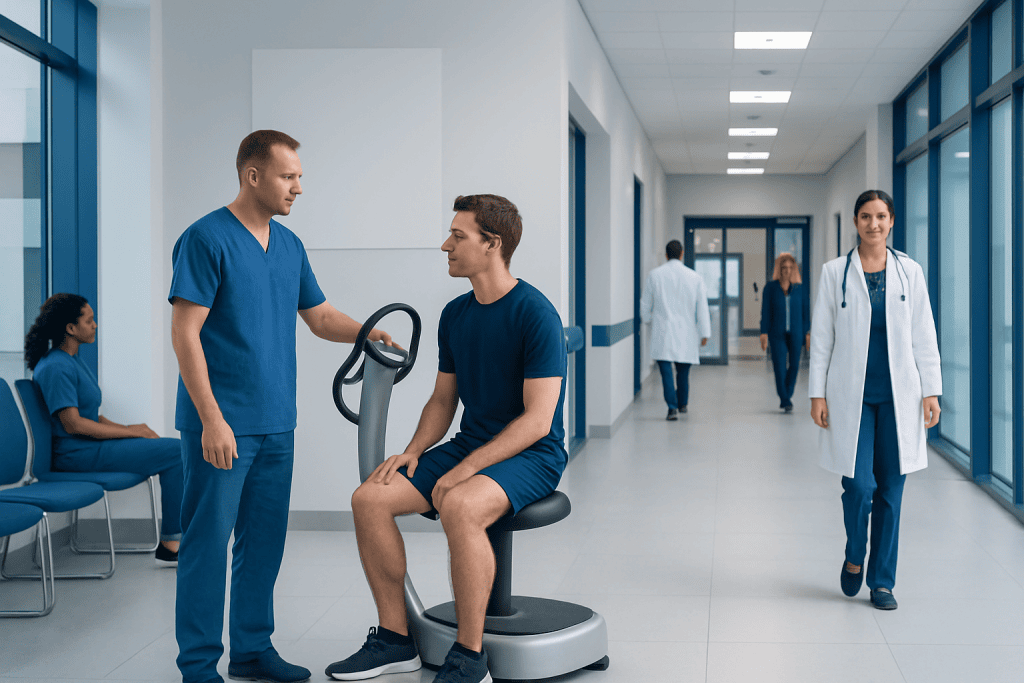
Whole-body vibration creates small, rapid movements that make muscles contract reflexively while a person stands or exercises on a platform. A vibration plate may help some people feel less stiff or more prepared for gentle movement, but evidence for faster muscle healing is limited.
Key Takeaways
- Whole-body vibration creates small, rapid movements that make muscles contract reflexively while a person stands or exercises on a platform.
- A vibration plate may help some people feel less stiff or more prepared for gentle movement, but evidence for faster muscle healing is limited.
- Short, low-intensity sessions are generally the most sensible starting point, particularly after strenuous exercise or a break from training.
- Visible changes in strength, tone or body composition require regular exercise and nutrition over weeks to months; a vibration plate alone is unlikely to produce these changes.
- People with recent injury, surgery, pregnancy, implanted medical devices or significant heart, bone or neurologic conditions should seek individual medical advice before use.
- Sudden weakness, severe swelling, marked pain, numbness, fever or dark urine after exercise need medical assessment rather than home-device treatment.
Vibration plates for muscle recovery may be a useful addition to a gradual recovery routine when used at comfortable settings alongside sleep, nutrition, mobility work and appropriately paced exercise. They are not a treatment that repairs injured muscle, and results vary according to training load, health status and how the device is used.
Overview: what vibration plates can and cannot do for recovery
Vibration plates for muscle recovery are platforms that produce rapid, controlled vibrations while a person stands, sits, stretches or performs simple exercises on them. These vibrations create small muscle responses and may increase local circulation and body awareness during a short session. Some people find that this helps them feel less stiff before gentle movement or after exercise.
However, a vibration plate does not directly repair torn muscle fibers, cure a strain or replace recovery basics. Adequate sleep, enough energy and protein intake, hydration, gradual training progression and rest from aggravating activity remain the foundations of muscle recovery. The research on whole-body vibration for post-exercise soreness and performance recovery is mixed, with benefits generally modest and dependent on the setting, intensity and individual.
A device may be most useful as one optional part of a broader rehabilitation or conditioning plan. Persistent pain, a suspected muscle tear, loss of function or symptoms after trauma should be evaluated by a qualified clinician rather than managed solely with a vibration plate.
How whole-body vibration works
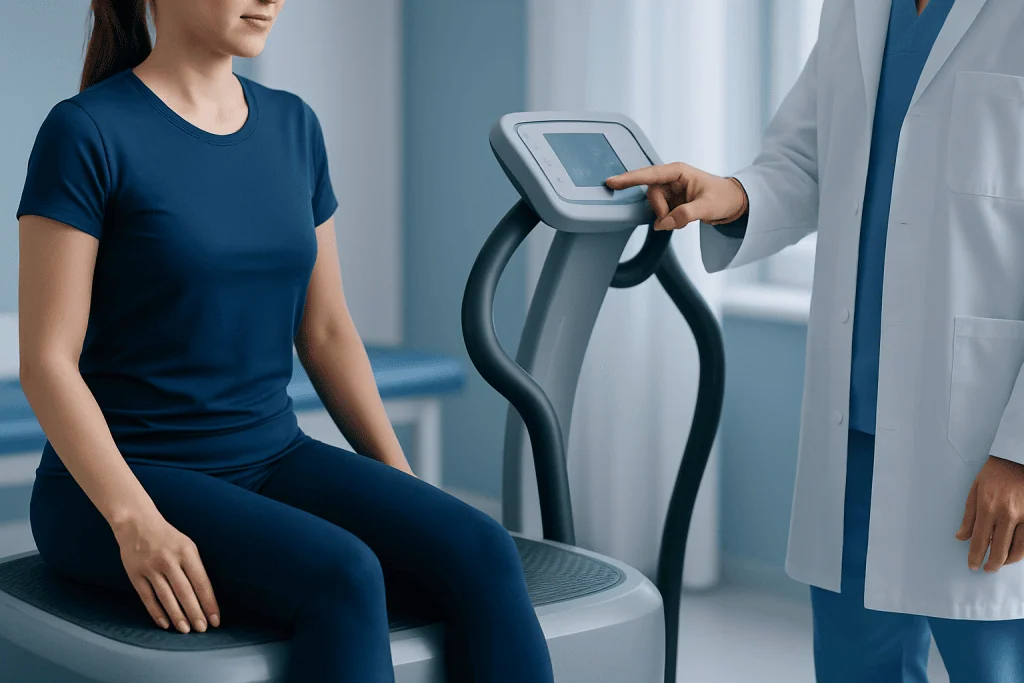
Whole-body vibration platforms move up and down, side to side, or in an alternating pattern. The movement is transmitted through the feet, hands or another body part in contact with the platform. To remain stable, the nervous system and muscles make repeated small adjustments. This can activate muscles even during positions such as a slight knee bend or supported squat.
During and shortly after use, vibration may increase blood flow in the exposed area and temporarily alter how muscles and joints perceive movement. These effects may make a person feel warmer, more mobile or less stiff. They do not mean that damaged tissue has healed, and they should not be used to push through sharp pain.
Studies have explored vibration for flexibility, muscle activation, balance, delayed-onset muscle soreness and rehabilitation. Findings are not uniform. A supervised exercise program usually has stronger evidence for restoring strength and function than vibration alone, especially following injury. For concerns involving painful joints or movement limitations, a clinician may recommend an individualized physical therapy program rather than relying on a home device.
Who may be a candidate and who should use caution

Healthy adults who are already active may consider a vibration plate for brief, comfortable sessions as part of a warm-up, cool-down or low-load strength routine. It may also appeal to people who find conventional exercise difficult to begin, although it should be viewed as a bridge to safe movement rather than a complete fitness plan.
People recovering from a diagnosed injury should first ask the treating doctor, physiotherapist or sports medicine professional whether vibration is appropriate. The right timing depends on the tissue involved, the stage of healing, pain level, surgical instructions and goals for return to activity. For example, a recent muscle strain generally needs protected, progressive loading rather than aggressive or painful stimulation.
Medical guidance is especially important for people who are pregnant; have a recent fracture, surgery, blood clot, severe osteoporosis, active cancer, significant cardiovascular disease, a pacemaker or other implanted device; or have a neurologic condition that affects balance or sensation. People taking medicines that affect blood pressure or balance may also be more prone to dizziness. Manufacturers may list additional precautions, so device instructions should be reviewed carefully.
A practical step-by-step approach to using a vibration plate
Before beginning, the person should choose a stable surface, wear supportive footwear if recommended by the device instructions and keep a nearby support within reach. They should start at the lowest comfortable vibration setting. A slight bend in the knees is often used while standing because it can reduce vibration traveling directly through the head and upper body.
A simple first session may involve standing with both feet on the platform, holding a stable support if needed, and using a short exposure followed by rest. The person should monitor for pain, dizziness, headache, tingling, nausea or worsening symptoms. If any of these occur, the session should stop. More challenging movements, such as squats, calf raises or upper-body positions, are best added only when balance, form and comfort are reliable.
For muscle recovery, the goal is not to create a punishing workout immediately after hard training. Gentle mobility, easy walking, light cycling, stretching where appropriate and a return to normal activity as tolerated can be equally or more useful. A physiotherapist can help match exercise intensity to a person’s injury history, sport and recovery needs.
- Begin with low intensity and short sessions rather than long exposures.
- Use good posture and a stable handhold if balance is uncertain.
- Keep sessions comfortable; sharp pain is a signal to stop.
- Increase only one factor at a time, such as duration, frequency or exercise difficulty.
Vibration plate recovery timeline: what to expect week by week
Week 1: The priority is familiarization and safety. A person may notice temporary warmth, muscle activation or a feeling of looseness after a brief session. Mild fatigue can occur, particularly if vibration is combined with squats or other exercises. There should be no expectation of meaningful muscle repair, fat loss or visible toning within the first week.
Weeks 2 to 3: With tolerable, regular use, some people may become more comfortable with balance, position and simple bodyweight movements. Any improvement in flexibility or perceived soreness is usually subtle and should be assessed alongside overall activity, sleep and training load. If symptoms are worsening from one session to the next, the routine is likely too intense or not suitable at that stage.
Weeks 4 to 6: Improvements in exercise tolerance, balance or lower-limb strength may be more noticeable when vibration is paired with progressive resistance training, walking or rehabilitation exercises. This is not proof that the platform is solely responsible; regular movement is the main driver of adaptation. A person should reassess goals and adjust the plan with a qualified professional if pain, weakness or functional limits remain.
Beyond 6 weeks: Long-term changes in strength, physical function and body composition depend on consistent training, sufficient recovery and nutrition. Continuing with vibration is reasonable only if it is enjoyable, safe and supports—not replaces—an effective exercise plan. The device should not be used to override warning signs from an injured area.
How long before I see results from a vibration plate?
Some people notice an immediate but temporary feeling of warmth, muscle engagement or reduced stiffness after a session. Changes that matter for function, such as improved balance or the ability to perform exercises more comfortably, usually require several weeks of consistent, appropriate activity. Results vary substantially depending on the starting fitness level, training program, sleep, nutrition and medical history.
Visible muscle definition or body-composition change is not likely from standing on a vibration plate alone. Those outcomes generally require progressive strength training, aerobic activity as appropriate and eating patterns that support the individual’s goals. If recovery seems unusually slow or exercise causes recurring pain, medical or rehabilitation assessment is more useful than increasing vibration intensity.
Can I use my vibration plate 7 days a week?
Daily use is not necessary for most people, and it may not be appropriate when the device is used as part of a challenging exercise session. Muscles and connective tissues need time to adapt after demanding activity. A lower-intensity, brief session may be tolerated on some days, but the right frequency depends on the device, the exercise performed on it and the person’s health and recovery status.
A sensible approach is to begin with nonconsecutive or limited sessions and evaluate how the body feels later that day and the following day. Persistent soreness, declining performance, disturbed sleep, dizziness or pain are reasons to reduce use and seek advice if symptoms continue. People in formal rehabilitation should follow their clinician’s plan rather than a generic daily schedule.
How do I tone my stomach on a vibration plate?
A vibration plate cannot selectively remove fat from the stomach area. “Toning” usually refers to developing abdominal muscle strength while reducing body fat overall, and neither occurs in one body area alone. The most effective approach combines regular whole-body activity, progressive strength exercises, balanced nutrition and adequate recovery.
A vibration plate can be used during carefully performed exercises that engage the trunk, such as a supported squat or, for suitable individuals, a modified plank with the hands on the platform. Proper form matters more than vibration intensity. Anyone with back pain, pelvic floor symptoms, a hernia or recent abdominal surgery should ask a clinician or physiotherapist before trying abdominal exercises on a vibrating surface.
Does vibration heal muscles?
No. Vibration does not heal damaged muscles in the way that the body’s natural repair processes do. It may temporarily support comfort, circulation or readiness for gentle movement in some people, but it does not replace time, appropriate loading and medical care when an injury is significant.
Muscle tissue recovers through a process that includes controlling the initial injury, restoring movement, progressively rebuilding strength and returning to activity at the right pace. Using a vibration plate too early or too intensely may aggravate symptoms. A clinician can help determine whether pain reflects normal post-exercise soreness or a condition needing specific treatment.
Benefits, risks and when to seek medical care
Potential benefits of whole-body vibration include a convenient low-impact way to introduce movement, temporary improvements in perceived flexibility or muscle activation, and an added challenge to selected strengthening and balance exercises. These possible benefits are generally greatest when vibration is used safely alongside established recovery strategies, not as a substitute for them.
Potential risks include loss of balance, dizziness, headache, tingling, discomfort in the feet or joints, and aggravation of an existing injury. High settings, prolonged sessions and poor form may increase discomfort. Stopping the device and resting is appropriate if symptoms develop; continuing through pain is not recommended.
Medical care is important for severe or increasing muscle pain, major swelling or bruising, inability to bear weight or use a limb normally, a visible deformity, numbness, fever, chest pain, shortness of breath, or dark-colored urine after strenuous exercise. These symptoms may indicate more than ordinary post-exercise soreness. Acibadem International’s multidisciplinary specialists and JCI-accredited hospitals can assess muscle and movement concerns for international patients when specialist care is needed.
Frequently asked questions
Are vibration plates good for sore muscles?
A vibration plate may help some people feel temporarily less stiff or more ready for light movement after exercise. Evidence that it reliably reduces muscle soreness or speeds recovery is limited and mixed. It should be used at a comfortable level and alongside rest, hydration, nutrition and gradual activity.
Should a vibration plate be used before or after a workout?
It may be used briefly before exercise as part of a gentle warm-up, or after activity as part of a low-intensity cool-down if it feels comfortable. It should not replace a proper warm-up, gradual exercise progression or recovery time. People with injuries should follow advice from their clinician or physiotherapist.
Can vibration plates cause muscle soreness?
Yes. Vibration can activate muscles, especially when combined with squats, lunges or other exercises, so unfamiliar or intense sessions may cause soreness. Starting at a low setting and increasing gradually can reduce this risk. Pain that is sharp, severe, persistent or associated with swelling should be assessed by a healthcare professional.
Who should not use a vibration plate without medical advice?
People who are pregnant, have had recent surgery or a fracture, have an implanted medical device, blood clot risk, severe osteoporosis, significant heart disease or neurologic balance problems should seek medical guidance first. Those with active pain, unexplained symptoms or an acute injury should also be assessed before use. Device-specific safety instructions remain important.
Can a vibration plate replace physical therapy?
No. Physical therapy involves assessment, diagnosis-informed exercise selection, progression and monitoring of function. A vibration plate may sometimes be included as an optional tool within a rehabilitation plan, but it cannot replace individualized care. This is particularly important after surgery, trauma or a significant muscle or joint injury.
What is the best setting for muscle recovery on a vibration plate?
There is no single best setting because devices differ and individual tolerance varies. For recovery, a low and comfortable setting with a short duration is generally more appropriate than maximal intensity. The person should stop if vibration causes pain, dizziness, numbness or worsening symptoms.
References
- American College of Sports Medicine
- National Institute of Arthritis and Musculoskeletal and Skin Diseases
- Mayo Clinic
- Cleveland Clinic
- World Health Organization
This article is for general information only and is not a substitute for professional medical advice. Please consult a qualified doctor about your individual situation.
Explore treatments in Turkey — costs, top hospitals & a free quote
JCI-accredited · board-certified surgeons · reply within 24h
Add us as a Preferred Source to see more of our trusted health content across Google Search, AI Overviews and Discover.
Check your numbers in seconds
BMI, calories, due date, blood pressure and 30+ more clinical calculators — free, instant, doctor-reviewed ranges.

More from the Health Library


Related Specialists

Dr. Ömer Faruk Karakoç
Emergency Service
Prof. Dr. Emine Handan Zeren
Pathology
Assoc. Prof. Dr. Şule Göncü Ayhan
Gynecology & Obstetrics
Dr. Özgün Barış Çolak
Physical Medicine & Rehabilitation