Chemotherapy Fatigue: How It Works, Results and What to Expect
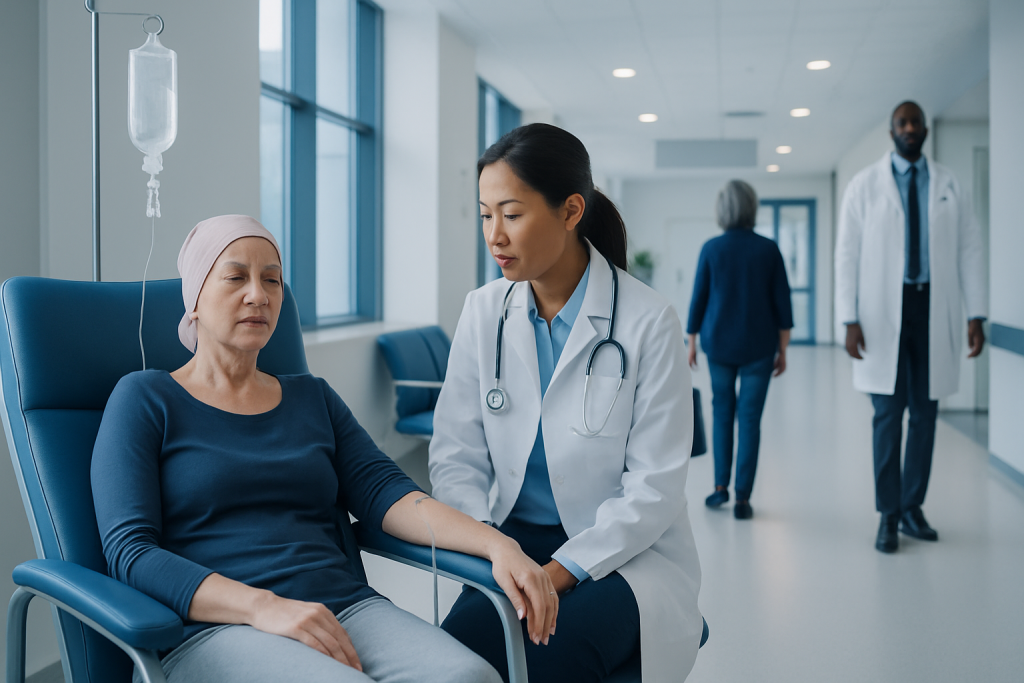
Chemotherapy fatigue is more than ordinary tiredness and can affect thinking, mood, sleep, and daily activities. It can be caused by chemotherapy itself, cancer, anemia, pain, poor sleep, infection, emotional stress, nutrition changes, or other medicines.
Key Takeaways
- Chemotherapy fatigue is more than ordinary tiredness and can affect thinking, mood, sleep, and daily activities.
- It can be caused by chemotherapy itself, cancer, anemia, pain, poor sleep, infection, emotional stress, nutrition changes, or other medicines.
- Fatigue often builds over treatment cycles and may continue for weeks or months after chemotherapy, although recovery varies.
- Light activity, planned rest, nutrition support, sleep routines, and treatment of reversible causes can help.
- New, sudden, severe, or worsening fatigue should be discussed promptly with the oncology team, particularly if it occurs with fever, breathlessness, chest pain, confusion, or dizziness.
Chemotherapy fatigue is a common form of cancer-related fatigue that can feel overwhelming and is not always relieved by sleep or rest. It may begin during treatment, vary from one cycle to another, and improve gradually after chemotherapy ends, especially when contributing medical problems are identified and managed.
Chemotherapy fatigue: an overview
Chemotherapy fatigue is a persistent sense of physical, mental, or emotional exhaustion related to cancer or its treatment. Unlike ordinary tiredness after a busy day, it may feel out of proportion to activity and may not fully improve after sleeping or resting. It can make work, household tasks, social contact, concentration, and exercise more difficult.
Fatigue does not mean that treatment is failing or that a person is not coping well. It is a real and common treatment-related symptom, and its intensity differs greatly between individuals. Some people have mild tiredness for a few days after each treatment, while others have fatigue that affects much of the treatment period.
The cancer care team should know about fatigue at every visit. They can look for treatable contributors, such as low blood counts, dehydration, pain, sleep difficulties, medication side effects, low mood, or changes in thyroid function. Supportive care is an important part of cancer treatment and recovery.
What does chemo fatigue feel like?
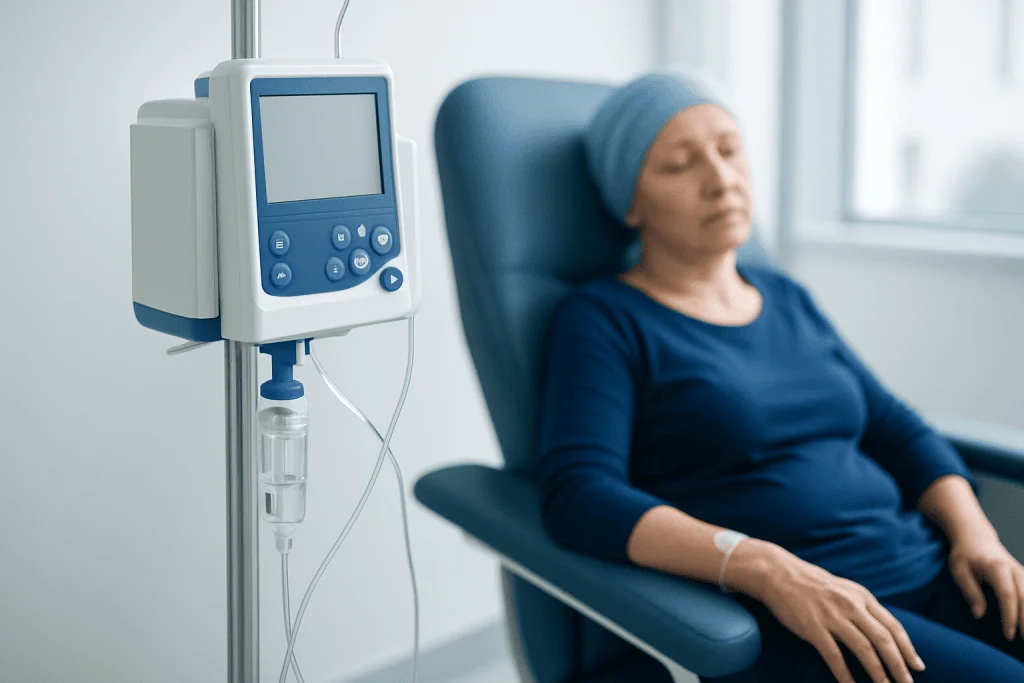
Chemo fatigue can feel like a heavy, whole-body lack of energy rather than simple sleepiness. A person may wake up tired, feel that small tasks require major effort, or need longer recovery after activities that were previously easy. Legs and arms can feel weak or heavy, even when there is no clear muscle problem.
It can also affect the mind. Some people notice slower thinking, reduced attention, trouble finding words, forgetfulness, or difficulty making decisions. Emotional changes may include irritability, low motivation, frustration, or feeling overwhelmed by everyday demands. These experiences are common, but they deserve individual assessment because several causes can occur at once.
Fatigue may fluctuate throughout the day. Some people have a more predictable pattern after an infusion, while others have better and worse days without a clear pattern. Keeping a simple record of energy level, sleep, activity, food and fluid intake, and symptoms can help the oncology team identify patterns and plan support.
How chemotherapy fatigue works: causes, candidacy and assessment
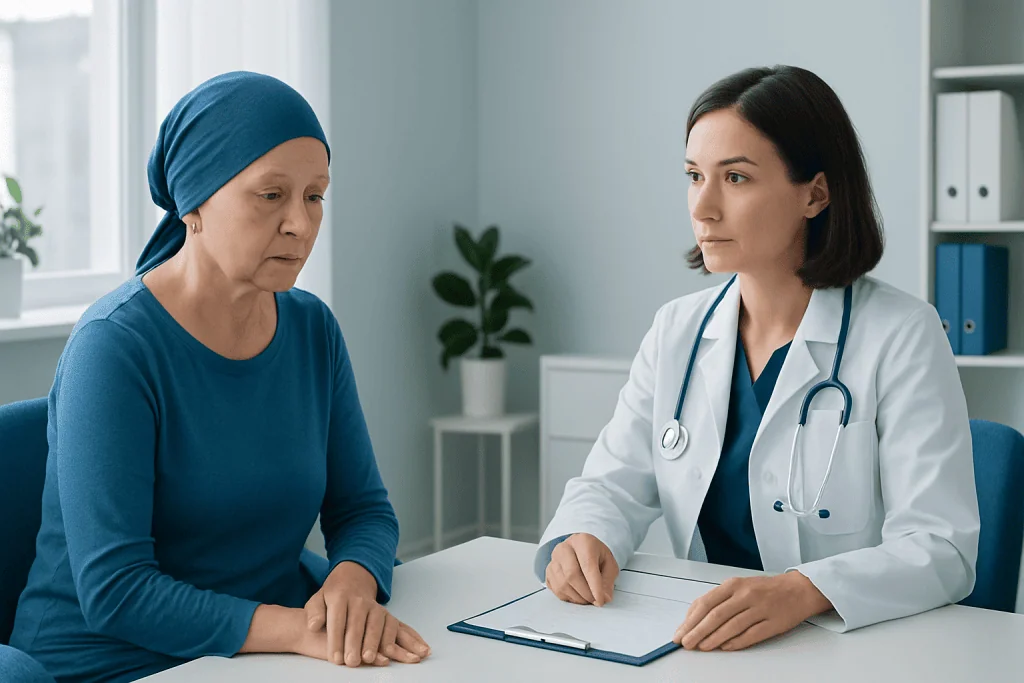
Chemotherapy targets rapidly dividing cells, which is useful for treating cancer but can also affect healthy tissues. The body uses energy to process treatment, repair tissues, maintain blood cells, and respond to inflammation. Depending on the chemotherapy regimen, reduced red blood cells may lead to anemia, which can worsen tiredness, reduced exercise tolerance, paleness, dizziness, or shortness of breath.
Fatigue can also be influenced by the cancer itself, surgery, radiotherapy, immunotherapy, hormonal treatment, pain, nausea, appetite changes, weight loss, infection, anxiety, depression, or sleep disruption. Medicines used for pain, nausea, allergies, or other symptoms may contribute as well. This is why fatigue should not be assumed to be an unavoidable effect of chemotherapy without review.
There is no single procedure or test that confirms chemotherapy fatigue. A clinician usually asks about when the fatigue began, its effect on daily life, sleep, mood, pain, activity, and other symptoms. Blood tests may be used to check blood counts and other possible medical causes. People receiving chemotherapy treatment should report meaningful changes in energy, rather than waiting until fatigue becomes severe.
- Fatigue assessment is appropriate before treatment begins and throughout each treatment cycle.
- People with anemia, poor nutrition, persistent pain, sleep disorders, depression, or other long-term conditions may need additional support.
- An individualized plan is more useful than comparing energy levels with another patient’s experience.
When does chemo fatigue kick in?
Chemo fatigue can begin soon after the first treatment, but timing depends on the medicines used, the treatment schedule, the type and stage of cancer, and a person’s overall health. Some people notice it on the day of infusion or within the first few days. Others find that fatigue gradually increases as treatment cycles continue.
For many people, energy is lowest in the days after chemotherapy and improves somewhat before the next cycle. However, blood counts can fall later in a cycle, and fatigue related to anemia or infection may follow a different pattern. The oncology team can explain the expected timing for a specific regimen and when blood tests are likely to be checked.
Fatigue may also start before chemotherapy because cancer, surgery, stress, pain, or poor sleep can already affect energy. Reporting the baseline level of fatigue helps the team determine whether symptoms are changing and whether further evaluation is needed.
Managing chemotherapy fatigue: what to expect step by step
Management usually begins with a structured review rather than a single treatment. The oncology team may ask about symptoms, examine the person, review medicines, and arrange tests such as a complete blood count when indicated. If a contributing problem is found, treatment may focus on that problem—for example, controlling pain or nausea, treating an infection, addressing anemia, or improving sleep.
Next, the care plan commonly combines practical energy-conservation strategies with safe activity. A physiotherapist or rehabilitation clinician may recommend gentle walking, stretching, resistance exercises, or a personalized activity plan. Although rest is important, long periods of inactivity can reduce fitness and may worsen fatigue for some people. Activity should be paced and adapted to current symptoms and medical advice.
Nutrition support can be useful when appetite is low or weight is changing. Small, regular meals; adequate fluids; and protein-containing foods may help maintain strength, but dietary needs should be individualized, especially for people with diabetes, kidney disease, swallowing problems, or treatment-related digestive symptoms. A dietitian can provide appropriate advice.
In addition to cancer treatment, some people benefit from supportive oncology, rehabilitation, psychological support, or sleep-focused care. Acibadem International’s multidisciplinary specialists and JCI-accredited hospitals support international patients through cancer diagnosis, treatment, symptom management, and rehabilitation planning.
How can I get rid of chemo fatigue?
It may not be possible to eliminate chemotherapy fatigue immediately, but it can often be reduced by addressing its causes and protecting available energy. The first step is to tell the oncology team exactly how fatigue is affecting daily life. They can decide whether blood tests, medication adjustments, symptom treatment, or referral to another specialist would be helpful.
Useful self-care measures include planning important activities for the time of day when energy is usually best, breaking tasks into smaller steps, accepting help with practical responsibilities, and scheduling short rest periods before exhaustion develops. Keeping a regular wake-up time, limiting long daytime naps when possible, and creating a calm sleep routine may also support better sleep.
When approved by the treatment team, regular gentle movement is one of the most consistently recommended approaches for cancer-related fatigue. Even brief walks or chair-based exercises can be a starting point. People should avoid pushing through severe symptoms and should ask for advice before beginning or changing exercise, particularly after surgery or when they have bone involvement, neuropathy, heart or lung conditions, or very low blood counts.
Alcohol, unproven supplements, and high-dose vitamins are not reliable treatments for fatigue and may interact with cancer therapies. A doctor, pharmacist, or oncology dietitian should review any supplement or herbal product before it is used during chemotherapy.
How long does it take to recover from chemo fatigue?
Recovery from chemo fatigue is individual. Some people begin to regain energy within several weeks of finishing treatment, while others need months for stamina, sleep, mood, blood counts, and activity levels to settle. Recovery can be slower when treatment has included surgery, radiotherapy, multiple therapies, prolonged hospitalization, or complications such as anemia or infection.
Energy commonly returns gradually rather than all at once. A person may first notice more frequent good hours or days, followed by improved ability to walk, work, socialize, or exercise. It is normal for progress to be uneven, particularly during the first months after treatment. Recording small gains can make gradual recovery easier to recognize.
Persistent fatigue should not be dismissed. If it continues well beyond the expected recovery period, worsens, or prevents a return to important activities, the oncology team can reassess for ongoing treatment effects and other health conditions. Rehabilitation, mental health support, sleep assessment, pain management, and nutrition care may all have a role.
When to seek medical care
People should contact their cancer care team promptly if fatigue is new, rapidly worsening, or significantly limits drinking, eating, walking, or self-care. They should also report fatigue accompanied by fever, chills, cough, burning on urination, vomiting, diarrhea, worsening pain, unusual bleeding or bruising, or symptoms of dehydration. During chemotherapy, infection and low blood counts can require timely assessment.
Urgent medical evaluation is needed for chest pain, severe shortness of breath, fainting, severe dizziness, a new confusion, inability to stay awake, or one-sided weakness. These symptoms may not be caused by fatigue alone and should not be managed only with rest at home.
For non-urgent but persistent symptoms, preparing questions before an oncology appointment can help. Sharing a symptom diary, medication list, sleep pattern, and changes in appetite or mood gives the clinical team useful information for developing a safe, personalized plan.
Frequently asked questions
Is chemotherapy fatigue normal?
Chemotherapy fatigue is common, but it should still be discussed with the oncology team. Fatigue can have more than one cause, including anemia, infection, pain, poor sleep, medication effects, and emotional stress. Identifying treatable contributors may improve symptoms and safety.
Should a person rest all day when they have chemo fatigue?
Rest is important, especially after treatment or on difficult days, but complete inactivity may reduce strength and stamina over time. Short, planned rest periods combined with gentle movement, when medically appropriate, are often more helpful. The oncology team can advise on a safe activity level.
Can anemia cause chemo fatigue?
Yes. Some chemotherapy medicines can lower red blood cell levels, leading to anemia and symptoms such as tiredness, weakness, dizziness, paleness, or breathlessness with activity. Blood tests can help the care team assess whether anemia is contributing.
Does chemo fatigue mean the cancer is getting worse?
Not necessarily. Fatigue is a frequent effect of chemotherapy and can also be related to many manageable issues, such as sleep disturbance, reduced food intake, pain, or low blood counts. New or worsening fatigue should be reported so the care team can assess the cause.
Can exercise help with chemotherapy fatigue?
For many people, appropriately paced physical activity can reduce cancer-related fatigue and help maintain function. The type and amount of exercise should be tailored to the person’s treatment, symptoms, blood counts, balance, and other medical conditions. A clinician or physiotherapist can help create a safe plan.
What should be avoided during chemotherapy fatigue?
People should avoid overcommitting on low-energy days, skipping fluids or meals, and starting supplements or strenuous exercise without discussing them with the oncology team. It is also important not to ignore fever, breathlessness, chest pain, confusion, or sudden severe weakness. These symptoms need prompt medical advice.
References
- National Cancer Institute
- American Society of Clinical Oncology
- National Comprehensive Cancer Network
- Cancer Research UK
- Macmillan Cancer Support
This article is for general information only and is not a substitute for professional medical advice. Please consult a qualified doctor about your individual situation.
Chemotherapy in Turkey — costs, top hospitals & a free quote
JCI-accredited · board-certified surgeons · reply within 24h
Add us as a Preferred Source to see more of our trusted health content across Google Search, AI Overviews and Discover.

Medical Oncology Department
Medical treatment of cancer with chemotherapy, immunotherapy and targeted therapies under a multidisciplinary tumor board.
60 specialists in this unit