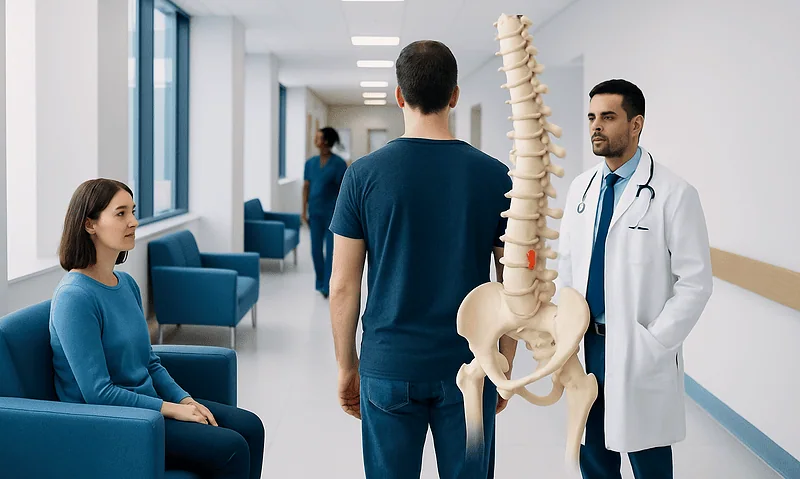
Hepatic Cancer Screening: How It Works, Results and What to Expect

Hepatic cancer screening is usually recommended for people with cirrhosis and certain people with chronic hepatitis B. Ultrasound is the main screening test; alpha-fetoprotein (AFP) blood testing may be used as an additional tool.
Key Takeaways
- Hepatic cancer screening is usually recommended for people with cirrhosis and certain people with chronic hepatitis B.
- Ultrasound is the main screening test; alpha-fetoprotein (AFP) blood testing may be used as an additional tool.
- An abnormal screening result does not automatically mean cancer and commonly leads to repeat imaging or more detailed scans.
- Screening is generally quick, noninvasive, and does not require recovery time.
- Regular follow-up is important because early liver cancer may cause no symptoms.
Hepatic cancer screening is planned surveillance for people with a higher risk of primary liver cancer, most often using an abdominal ultrasound every six months, sometimes alongside a blood test. It does not diagnose cancer by itself, but it can identify changes that need closer assessment while treatment options may be broader.
Hepatic Cancer Screening: How It Works
Hepatic cancer screening is a regular testing plan used to look for primary liver cancer before symptoms develop in people known to have a higher risk. The most common primary liver cancer is hepatocellular carcinoma (HCC). Screening is not intended for everyone; it is designed for people whose underlying liver condition makes early detection especially important.
In most surveillance programs, the main test is an abdominal ultrasound performed about every six months. A clinician may also request an alpha-fetoprotein (AFP) blood test. Ultrasound can detect changes or lesions in the liver, while AFP may provide an additional clue, although neither test alone can confirm or exclude cancer.
If a screening test shows an area that needs further evaluation, the next step is usually contrast-enhanced MRI or CT imaging. These tests provide more detail about blood flow and tissue patterns within the liver. A biopsy is sometimes needed, but many liver cancers can be diagnosed from characteristic findings on high-quality imaging in the appropriate clinical setting.
Who May Benefit From Screening
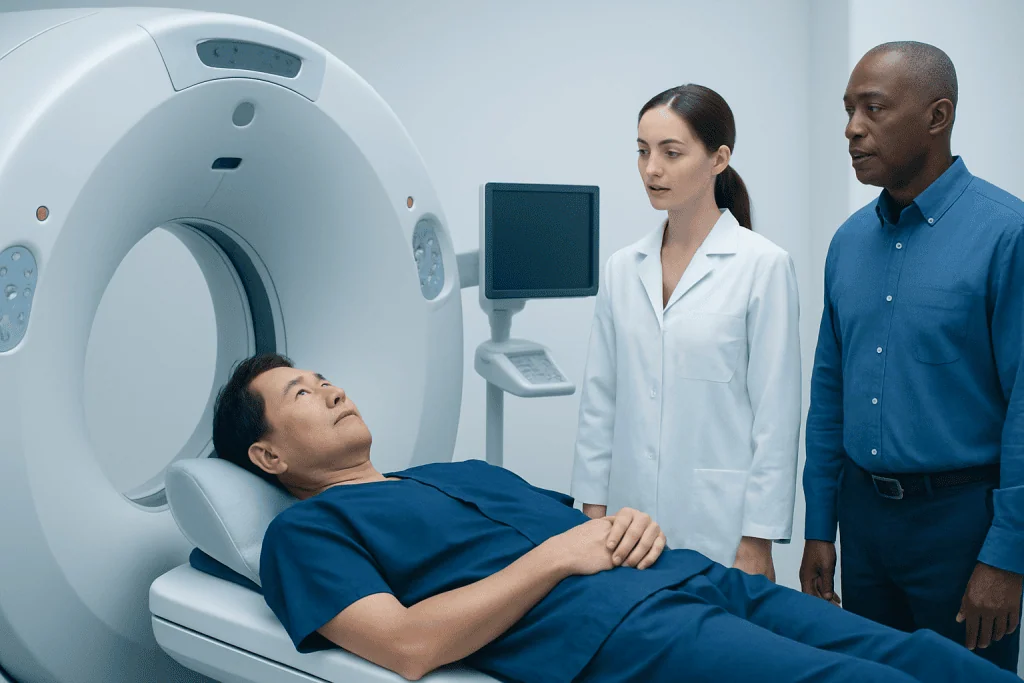
The decision to begin hepatic cancer screening is individualized. It is commonly recommended for adults with cirrhosis, regardless of whether cirrhosis developed from chronic viral hepatitis, alcohol-related liver disease, metabolic dysfunction-associated steatotic liver disease, autoimmune disease, or another cause. The benefit of surveillance depends on the person’s overall health and whether treatment would be appropriate if a cancer were found.
Some people with chronic hepatitis B may need surveillance even if they do not have cirrhosis. The appropriate starting age and schedule can vary according to factors such as age, sex, family history, region of origin, viral activity, and liver fibrosis. A hepatologist or gastroenterologist can help determine the right plan.
People with chronic hepatitis C who have advanced fibrosis or cirrhosis may remain candidates for surveillance even after successful antiviral treatment, because liver cancer risk can persist when significant scarring is present. Screening recommendations are not the same as routine liver health checks and should be reviewed periodically with a qualified clinician.
What Happens During a Screening Visit

Hepatic cancer screening usually begins with a review of liver disease history, medications, previous imaging, and blood test results. The clinician may ask about new symptoms, alcohol use, viral hepatitis treatment, weight changes, and family history. This information helps place the screening findings in context.
For an abdominal ultrasound, the person lies on an examination table while a sonographer moves a small handheld device over the upper abdomen with gel. Sound waves create images of the liver and nearby structures. The procedure is painless and commonly takes less than an hour. Many imaging centers ask patients not to eat for several hours beforehand because fasting can improve image quality.
When blood work is included, a small blood sample may be collected for AFP and liver-related tests. After the appointment, normal results generally mean continuing the planned surveillance interval. If images are unclear or a finding is seen, the care team may arrange repeat ultrasound, MRI, CT, or specialist review rather than drawing conclusions from one test alone.
- Before the visit: follow the imaging center’s fasting instructions and bring prior scan reports if requested.
- During testing: ultrasound does not use radiation or injections.
- After testing: normal daily activities can usually resume immediately.
Results, Benefits, and Limitations
A normal ultrasound and AFP result can be reassuring, but they do not guarantee that cancer will never develop. Small liver tumors may be difficult to see, particularly when the liver is severely scarred or when ultrasound image quality is limited by body habitus or other factors. This is why screening is repeated at regular intervals rather than performed once.
An elevated AFP level is not proof of liver cancer. AFP can increase for several reasons, including active hepatitis, liver inflammation, and other medical conditions. Conversely, many liver cancers do not raise AFP. Clinicians interpret AFP trends together with ultrasound findings, liver function, and a person’s individual risk profile.
The main potential benefit of screening is identifying a tumor at an earlier stage, when options such as surgery, local tumor-directed treatment, or transplant evaluation may be possible for suitable patients. The limitations include false-positive results, anxiety while further tests are arranged, incidental findings, and the need for repeated appointments. These considerations should be discussed openly with the care team.
Would Liver Cancer Show Up in Routine Blood Work?
Liver cancer may affect routine blood tests, but routine blood work cannot reliably diagnose or rule it out. Liver function tests can be normal in some people with liver cancer, especially early in the disease. Abnormal results may also be caused by many non-cancerous liver conditions, such as viral hepatitis, fatty liver disease, medication effects, alcohol-related injury, or bile duct problems.
AFP is sometimes included in hepatic cancer screening, but it is not a definitive cancer test. A rising or unusually high AFP level may prompt imaging, yet some people with liver cancer have normal AFP values. For this reason, ultrasound-based surveillance and, when needed, CT or MRI are important parts of assessment.
Anyone with persistent abnormal liver tests should discuss them with a doctor. The next steps may include repeating the tests, reviewing medicines and lifestyle factors, checking for viral hepatitis, and arranging imaging based on the overall clinical picture.
Can You Fully Recover From Liver Cancer?
Some people with liver cancer can be treated with curative intent, particularly when the tumor is detected early and liver function is sufficiently preserved. Depending on the cancer’s size, location, number of tumors, and the condition of the underlying liver, potentially curative approaches may include surgical removal, liver transplantation, or local ablation that destroys tumor tissue.
However, outcomes vary widely. Liver cancer often develops in a liver affected by cirrhosis or chronic inflammation, and both the cancer and the underlying liver disease need careful management. Even after successful treatment, ongoing follow-up is needed because cancer can recur or a new liver tumor can develop.
When cure is not possible, treatments may still slow tumor growth, control symptoms, or improve quality of life. Options can include liver-directed procedures, radiation-based approaches, and systemic medicines. A multidisciplinary team can help match treatment to the person’s cancer stage, liver reserve, general health, and priorities.
What Is the Biggest Indicator of Liver Cancer?
There is no single symptom, blood result, or risk factor that confirms liver cancer. The strongest overall predictor is having a high-risk liver condition, especially cirrhosis. Chronic hepatitis B can also increase risk, including in some people who have not developed cirrhosis.
For people under surveillance, a new lesion seen on liver ultrasound or a suspicious pattern on contrast-enhanced CT or MRI is often more informative than symptoms or a single blood test. Doctors consider the size and appearance of the lesion, changes over time, AFP results, and the person’s liver history together.
Symptoms such as ongoing upper abdominal discomfort, unexplained weight loss, loss of appetite, worsening jaundice, abdominal swelling, or unusual fatigue should be assessed, but they are not specific to liver cancer. Early liver cancer frequently produces no clear symptoms, which is why regular surveillance is valuable for eligible people.
What Not to Do Before a Liver Function Test?
Before a liver function test, people should not stop prescribed medicines unless their clinician specifically advises it. Many medications, vitamins, herbal products, and supplements can affect liver test results or the liver itself, so it is important to provide a complete and accurate list rather than discontinuing treatment independently.
It is sensible to avoid alcohol before testing, especially if a clinician has advised this or if alcohol may be contributing to abnormal results. Strenuous exercise shortly before blood testing can sometimes affect certain laboratory values, so asking whether to avoid intense activity may be helpful. Fasting is not always required for liver function tests, but it may be needed when other tests are being done at the same time.
People should follow the specific instructions from their laboratory or clinician, as preparation can vary. If they are having an ultrasound on the same day, fasting instructions for the scan may be more important than those for the blood draw.
Frequently asked questions
How often should hepatic cancer screening be done?
For many people at high risk, liver ultrasound surveillance is recommended every six months, with or without AFP blood testing. The exact schedule should be set by a clinician who knows the person’s liver diagnosis, health status, and previous test results.
Is liver ultrasound painful?
No. An abdominal ultrasound is noninvasive and usually painless. The probe may apply mild pressure to the abdomen, and the gel can feel cool, but there are no needles or radiation involved in the scan itself.
Does an abnormal AFP result mean liver cancer?
No. AFP can rise due to liver inflammation, active hepatitis, and other non-cancerous causes. An abnormal result usually means that repeat tests or detailed imaging may be needed to understand the cause.
Can people without cirrhosis get liver cancer?
Yes, although cirrhosis is a major risk factor. Chronic hepatitis B can increase liver cancer risk even without cirrhosis, and other factors may also contribute. A doctor can assess whether surveillance is appropriate based on individual risk.
What happens if a liver ultrasound finds a spot?
A spot or lesion on ultrasound does not automatically mean cancer. Depending on its size and features, the clinician may recommend repeat ultrasound after a defined interval or request contrast-enhanced MRI or CT to examine it more closely.
Should someone continue screening after hepatitis C is cured?
People with cirrhosis or advanced liver scarring may still need ongoing surveillance after hepatitis C treatment is successful. Clearing the virus lowers risk, but significant pre-existing liver damage can leave a continuing risk of liver cancer.
References
- American Association for the Study of Liver Diseases
- European Association for the Study of the Liver
- National Cancer Institute
- World Health Organization
This article is for general information only and is not a substitute for professional medical advice. Please consult a qualified doctor about your individual situation.
Oncology care in Turkey — second opinion and treatment plan
JCI-accredited · board-certified surgeons · reply within 24h
Add us as a Preferred Source to see more of our trusted health content across Google Search, AI Overviews and Discover.