

Can You Have Visitors During Chemotherapy: How It Works, Results and What to Expect
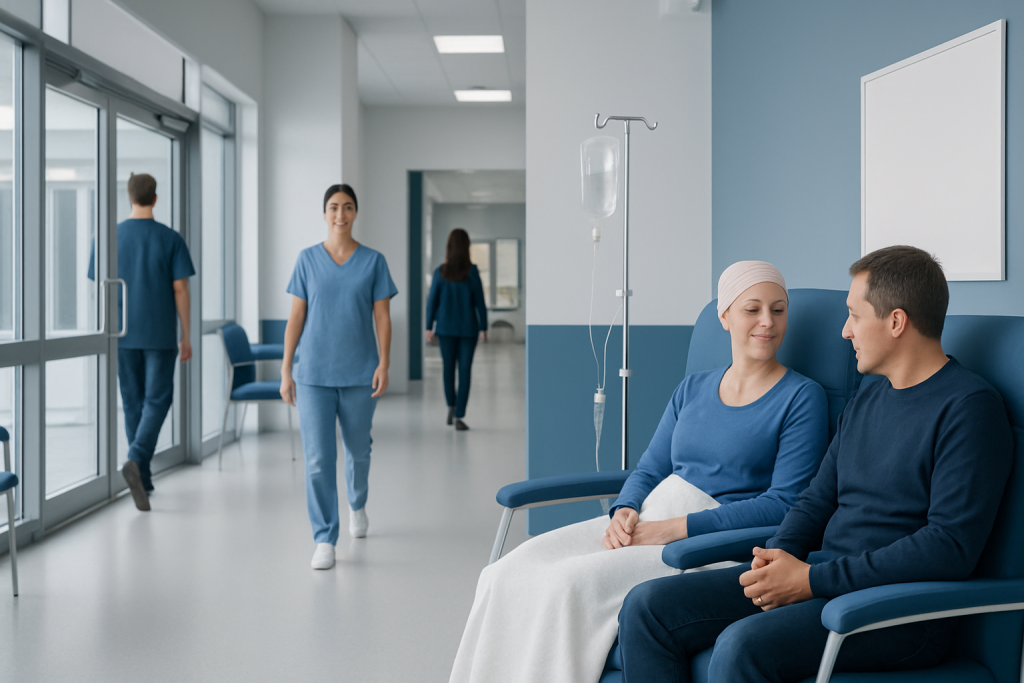
Visitors are often allowed during chemotherapy when they are healthy and follow clinic rules. Chemotherapy may lower white blood cell counts, which can make infections more serious.
Key Takeaways
- Visitors are often allowed during chemotherapy when they are healthy and follow clinic rules.
- Chemotherapy may lower white blood cell counts, which can make infections more serious.
- A person’s highest infection risk may occur when blood counts are low, often called the nadir, but timing varies by regimen.
- Hand hygiene, avoiding sick contacts and asking visitors to postpone if unwell are practical safeguards.
- Fever or signs of infection during chemotherapy require prompt contact with the oncology team.
People receiving chemotherapy can often have visitors, but the safest plan depends on their blood counts, treatment schedule, symptoms and the visitor’s health. Avoiding contact with anyone who is ill and following the oncology team’s instructions can help lower the risk of infection.
Can You Have Visitors During Chemotherapy?
Yes, many people can have visitors during chemotherapy, including at home and sometimes in an infusion unit, provided visitors are healthy and the treating team has not advised extra precautions. Visitors should not come if they have a fever, cough, sore throat, vomiting, diarrhea, a new rash, or recent exposure to a contagious illness. Hospital and infusion-center visitor policies can also vary, particularly during seasonal respiratory-virus outbreaks.
Chemotherapy can reduce infection-fighting white blood cells. This does not mean every visitor is unsafe, but it makes prevention especially important. The oncology team can explain whether blood counts are low, when infection risk may be greatest, and whether limits on visitors, masking, or other measures are appropriate for the individual treatment plan.
Comforting contact can be valuable during cancer care. A small number of trusted, healthy visitors is often easier to manage than crowded gatherings. People receiving cancer treatment may also wish to ask visitors to wash their hands on arrival, avoid close contact if they feel even mildly unwell, and respect the patient’s need for rest.
How Chemotherapy Works and Why Infection Precautions Matter
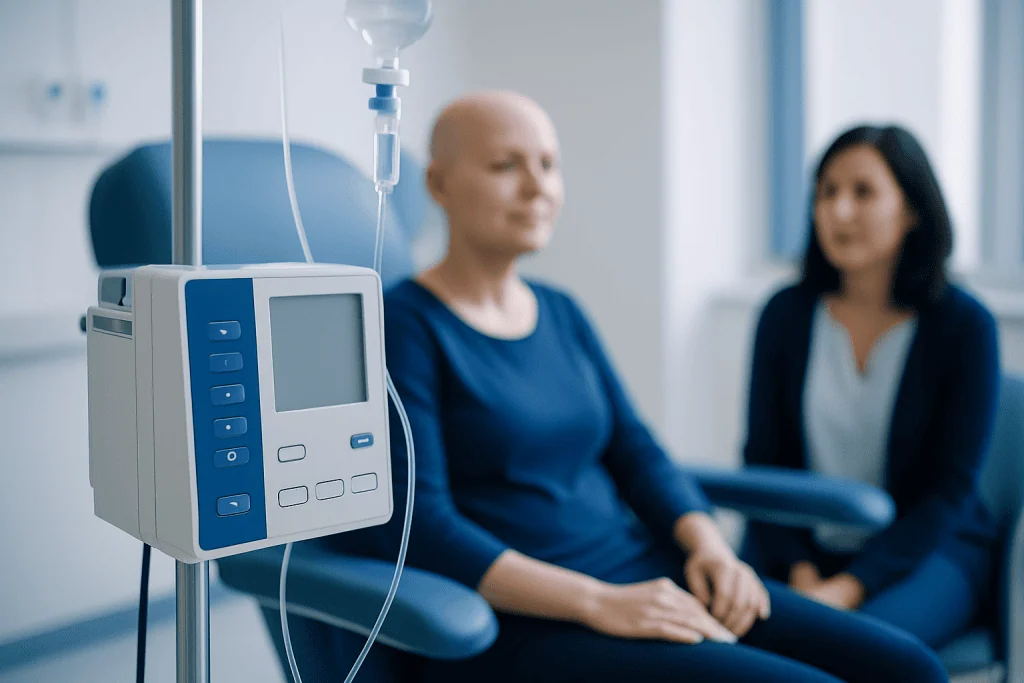
Chemotherapy is a group of medicines that destroys cancer cells or slows their growth. It may be used before surgery, after surgery, alongside radiation therapy, or as the main treatment for some cancers. Treatment plans differ according to the cancer type, its stage, the person’s overall health and the goals of care. Learn more about chemotherapy treatment and how it may be planned as part of cancer care.
Some chemotherapy medicines also affect healthy cells that divide quickly, including cells in the bone marrow. The bone marrow makes white blood cells, red blood cells and platelets. When white blood cell levels fall, especially neutrophils, the body may have more difficulty fighting bacteria, viruses and fungi.
Blood counts may decline several days after a treatment cycle and then recover before the next cycle, although the timing is not the same for every medicine or person. Blood tests may be performed before treatment to help the team decide whether chemotherapy can proceed safely. Infection precautions should always be individualized rather than based only on a calendar.
Who May Need Extra Visitor Precautions During Chemotherapy?
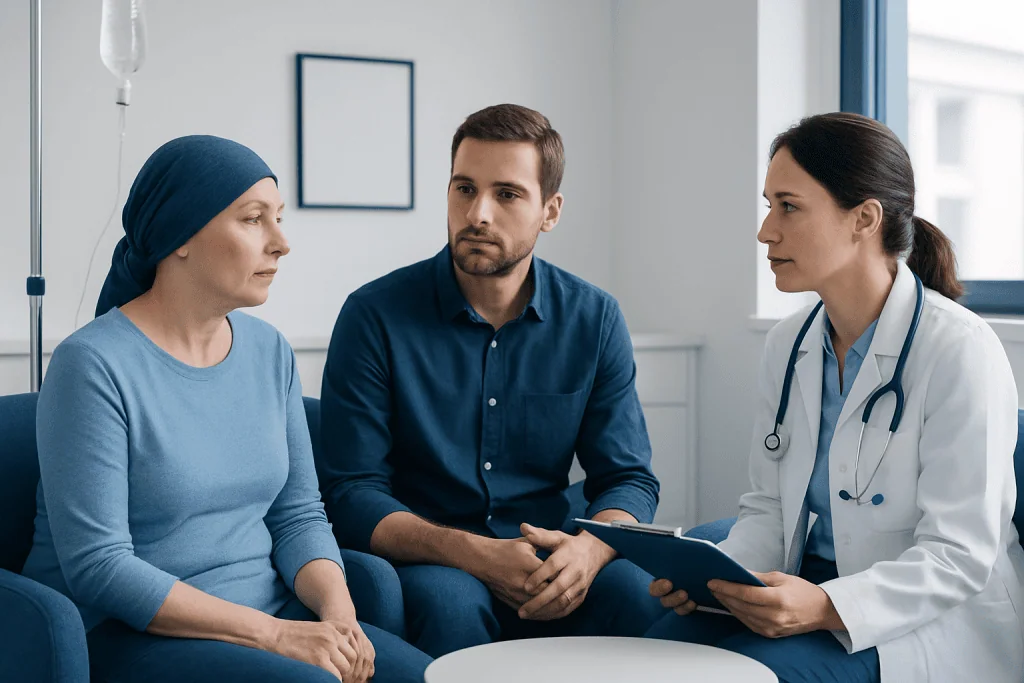
Most people can still maintain contact with family and friends during treatment, but some need more careful protection from infection. This may include people with very low neutrophil counts, a history of serious infections, intensive chemotherapy regimens, certain blood cancers, recent stem-cell transplantation, or medicines that suppress immunity. Children, older adults and people with other health conditions may also require tailored advice.
The oncology team may recommend avoiding crowded indoor settings, limiting the number of close contacts, wearing a well-fitting mask in selected situations, or postponing nonessential visits during periods of low blood counts. These steps are not a sign that a person must isolate completely; they are temporary ways to reduce avoidable exposure.
Visitors should be particularly cautious around infants or young children who attend school or daycare, as they may carry common infections without appearing very ill. This does not automatically prevent visits. Instead, families can discuss practical measures, such as checking for symptoms, handwashing, shorter visits, outdoor visits when feasible, and following the care team’s guidance.
What to Expect on Chemotherapy Days and Between Cycles
On infusion days, visitors may be permitted depending on the treatment center’s rules, available space, privacy needs and infection-control policies. Some centers allow one support person, while others may restrict visitors during busy periods or when respiratory infections are circulating. Calling ahead can prevent disappointment and help patients plan practical support.
A chemotherapy appointment commonly includes check-in, assessment of symptoms, blood tests when needed, medicines to prevent side effects, and treatment through a vein or a central line. Treatment length varies widely. A visitor may be helpful for transportation, note-taking, emotional support or arranging meals and rest afterward, but the patient may prefer quiet during the infusion.
Recovery after each cycle is also individual. Tiredness, appetite changes, nausea, bowel changes and other side effects may develop in the days after treatment. Some people feel well enough for normal social contact, while others need more rest. The care team can advise on the expected timeline for a particular regimen and provide support for side-effect management.
Effective cancer care may involve medical oncology, surgery, radiation oncology, nutrition, rehabilitation and psychological support. Acibadem International’s multidisciplinary specialists and JCI-accredited hospitals support international patients receiving cancer diagnosis and treatment.
How to Stay Healthy During Chemo?
Staying healthy during chemotherapy focuses on preventing infection, supporting recovery and reporting symptoms early. Regular handwashing, avoiding contact with people who are sick, cleaning cuts promptly and following food-safety advice can reduce common risks. The oncology team may also advise on vaccines, dental care, travel and pet-related precautions based on the individual’s immune status.
Eating enough protein and calories, drinking fluids as advised, and choosing foods that are safe to prepare and store can help maintain strength. If appetite, taste changes, mouth sores, nausea or diarrhea make eating difficult, a dietitian or oncology clinician can suggest adjustments. Patients should not take vitamins, herbal products or supplements to “boost immunity” without medical approval, as some can interact with treatment.
Gentle activity, such as short walks or stretching, may help fatigue, sleep and mood when the treating team says it is safe. Rest is equally important. Keeping a written record of temperatures, symptoms, medicines and questions can make it easier to communicate changes promptly to the oncology team.
Can I Go Out in Public During Chemo?
Many people can go out in public during chemotherapy, but the decision should account for current blood counts, treatment side effects, local infection levels and personal energy. Quiet outdoor activities or less crowded times of day may be more comfortable than busy indoor venues. A person who feels unwell, has a low blood count, or has been instructed to take extra precautions should follow their oncology team’s advice.
In crowded or poorly ventilated indoor settings, infection risk may be higher. Hand hygiene, avoiding people who appear ill, choosing good ventilation, and using a mask when recommended can offer added protection. It is sensible to avoid close contact with anyone who has cold or flu symptoms, COVID-19 symptoms, vomiting or diarrhea.
Planning ahead can make outings easier. Patients may bring water, snacks if permitted, prescribed medicines and a way to rest or leave early. They should avoid activities that could cause injury if they have low platelets, dizziness or severe fatigue, and should ask the treatment team about swimming, travel and other specific activities.
How Long Should You Stay Away From People After Chemo?
There is no single number of days that everyone needs to stay away from people after chemotherapy. Infection risk depends on the medicines used, the dose, the treatment schedule and how quickly blood counts recover. For many regimens, white blood cells may be lowest about one to two weeks after treatment, but this pattern is not universal.
Rather than complete separation from others, clinicians usually recommend avoiding people who are ill and reducing exposure to crowded settings when blood counts are expected to be low. The oncology team may monitor a complete blood count and explain if neutrophils are low. They can give the most accurate advice about when visitors and public activities are appropriate.
A patient should also consider how they feel. Fatigue or other side effects may make rest more beneficial than social plans, even when infection risk is not high. Short, low-key visits with healthy people are often a practical way to remain connected while protecting recovery time.
How to Make Chemo More Effective?
People cannot safely make chemotherapy more effective by changing doses, adding supplements, fasting, or using alternative remedies without medical guidance. The most reliable approach is to follow the agreed treatment plan, attend appointments, have blood tests when requested, and tell the oncology team about side effects early. This enables clinicians to manage problems and keep treatment as safe and consistent as possible.
Taking supportive medicines exactly as prescribed, maintaining nutrition and hydration, and discussing all prescription medicines, over-the-counter products and supplements with the care team are important. Some substances may affect how chemotherapy works or increase side effects. Smoking cessation and limiting alcohol when advised can also support general health during treatment.
Chemotherapy results are assessed in different ways, including symptoms, physical examinations, blood tests and imaging. Not every treatment causes an immediate change that a patient can feel. The oncologist will explain the purpose of treatment and when response assessments are planned, including whether cancer treatment may also involve surgery, radiation or other systemic therapies.
When to Seek Medical Care
People receiving chemotherapy should contact their oncology team urgently if they develop a fever or feel suddenly unwell. The team will provide a specific temperature threshold and emergency contact instructions. Fever during chemotherapy can sometimes be the first sign of a serious infection, especially when white blood cells are low, so it should not be managed only with home remedies unless the team has advised otherwise.
Prompt medical advice is also important for chills, shortness of breath, chest pain, confusion, a new persistent cough, painful urination, severe sore throat, uncontrolled vomiting or diarrhea, severe abdominal pain, unusual bleeding, or redness, swelling or discharge around a catheter or wound. In an emergency, patients should seek urgent local medical help and inform clinicians that they are receiving chemotherapy.
Before each treatment cycle, patients should report new symptoms, infections, medication changes and recent hospital visits. Early communication allows the oncology team to assess whether extra testing, treatment adjustments or infection-prevention measures are needed.
Frequently asked questions
Can you have visitors during chemotherapy at home?
Usually, yes. Visitors should be healthy, wash their hands, and postpone the visit if they have fever, cough, sore throat, vomiting, diarrhea or another possible infection. The oncology team may recommend additional precautions when blood counts are low.
Can someone sit with a patient during a chemotherapy infusion?
This depends on the infusion center’s visitor policy. Many centers allow a support person, but space, privacy and infection-control requirements may limit this. Patients can contact the center before the appointment to confirm the current rules.
Should visitors wear a mask around someone receiving chemotherapy?
A mask may be helpful in crowded indoor settings, during periods of circulating respiratory infections, or when recommended by the oncology team. The need varies according to the patient’s blood counts and treatment. Visitors should never visit if they are sick, whether or not they wear a mask.
Can children visit someone having chemotherapy?
Children can often visit if they are well and the oncology team agrees. Because children may be exposed to common infections at school or daycare, families should check carefully for symptoms and practice good hand hygiene. Short visits or outdoor visits may be useful options when extra caution is needed.
When is infection risk highest after chemotherapy?
For some chemotherapy regimens, infection risk rises when white blood cells reach their lowest level, often about one to two weeks after treatment. However, the timing and severity vary considerably. Blood test results and advice from the oncology team are more reliable than using a general timeframe.
What should a person do if they develop a fever during chemotherapy?
They should contact their oncology team immediately and follow the emergency instructions provided with their treatment plan. Fever can signal infection and may need urgent assessment, particularly when white blood cell counts are low. Patients should avoid taking medicines to lower the fever before speaking with the team unless they have been specifically told to do so.
References
- American Cancer Society
- National Cancer Institute
- Centers for Disease Control and Prevention
- American Society of Clinical Oncology
- World Health Organization
This article is for general information only and is not a substitute for professional medical advice. Please consult a qualified doctor about your individual situation.
Chemotherapy in Turkey — costs, top hospitals & a free quote
JCI-accredited · board-certified surgeons · reply within 24h
Add us as a Preferred Source to see more of our trusted health content across Google Search, AI Overviews and Discover.

Medical Oncology Department
Medical treatment of cancer with chemotherapy, immunotherapy and targeted therapies under a multidisciplinary tumor board.
60 specialists in this unitMore from the Health Library


Related Specialists

Assoc. Prof. Dr. Burak Çıtamak
Urology
Dr. Munara Bolatkhan
Inpatient Clinic Physicians
Dr. Kadir Yavaşoğlu
Orthopedic Surgery & Traumatology
Dr. Ahmet Temizyürek
Anesthesiology