Lump in Lung Biopsy: Procedure, Recovery and Results
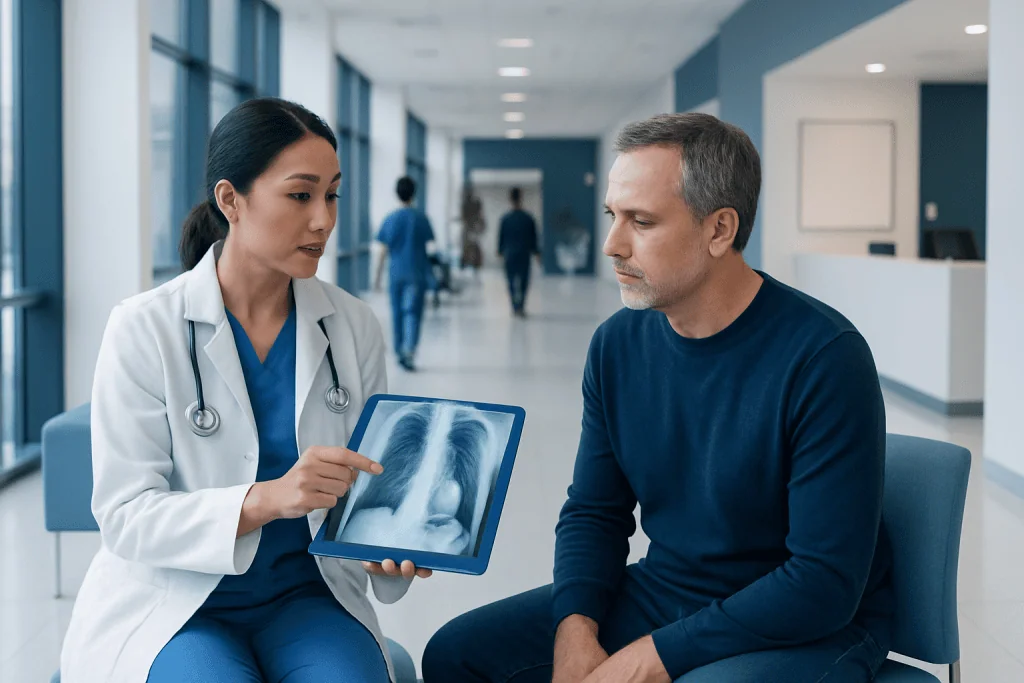
A lung biopsy provides tissue or cells that imaging tests alone cannot always identify. The biopsy method depends on the lump’s size, location and a person’s overall health.
Key Takeaways
- A lung biopsy provides tissue or cells that imaging tests alone cannot always identify.
- The biopsy method depends on the lump’s size, location and a person’s overall health.
- Most needle and bronchoscopy biopsies are outpatient procedures, while surgical biopsy may require a hospital stay.
- A small collapsed lung and bleeding are important but usually manageable complications of lung biopsy.
- Recovery time ranges from a day or two after a needle biopsy to several weeks after surgical biopsy.
- Results may take several days because laboratory testing can include specialized analysis.
A lump in lung biopsy is a diagnostic procedure used to examine a suspicious spot, nodule or mass in the lung. The sample can help doctors determine whether the finding is related to infection, inflammation, a noncancerous condition or cancer, and plan the next appropriate step.
Lump in Lung Biopsy: What It Is and Why It May Be Needed
A lump in lung biopsy is a procedure that removes a small sample of cells or tissue from an area seen on a chest X-ray, CT scan or other imaging test. The sample is examined in a laboratory, usually by a pathologist, to help establish what the lung finding represents. It may show a harmless scar, an infection, inflammation, a benign growth or cancer.
Not every lung lump needs a biopsy. Many small lung nodules can be safely monitored with repeat imaging because their appearance and growth pattern suggest a low likelihood of cancer. A biopsy is more likely to be considered when a nodule is new, enlarging, has concerning imaging features, causes symptoms, or when a definite diagnosis would change treatment decisions.
The goal is not simply to label a finding as cancer or not cancer. Tissue testing can identify the specific type of disease and, when cancer is found, may provide information that helps the care team select suitable treatment. Doctors review imaging, medical history and individual preferences before recommending a procedure.
How a Lung Nodule Biopsy Works and Who May Need One
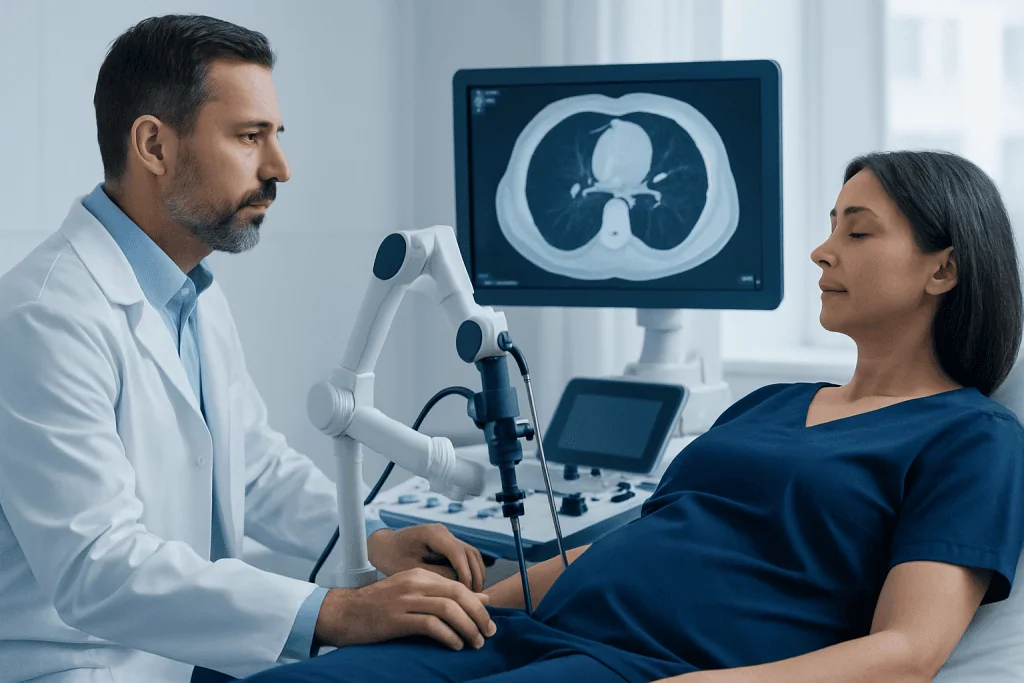
There are several ways to collect a sample from a lung lump. The most suitable approach is guided by the location of the area, whether nearby lymph nodes also need testing, and whether a person can safely undergo sedation or anesthesia. A radiologist, pulmonologist, thoracic surgeon and pathologist may all contribute to the planning and interpretation of the biopsy.
A CT-guided needle biopsy is commonly used for a nodule close to the outer part of the lung. A doctor guides a thin needle through the chest wall using CT images. Bronchoscopy is often preferred for a lump near the breathing tubes; a flexible camera is passed through the mouth or nose into the airways, and small instruments collect tissue. Some centers use advanced navigation techniques to reach small or peripheral nodules more precisely.
Surgical biopsy may be recommended if less invasive sampling is unlikely to provide enough tissue or if removal of the nodule is also being considered. This is commonly done with video-assisted thoracoscopic surgery or robotic-assisted surgery through small chest incisions. Open surgery is less common but may occasionally be needed.
Before a biopsy, the team reviews blood-thinning medicines, bleeding disorders, allergies, breathing conditions and prior imaging. People may need blood tests, lung function testing or an updated scan. It is important to tell the team about all prescription medicines, supplements and any chance of pregnancy.
Step by Step: What Happens During a Lung Biopsy
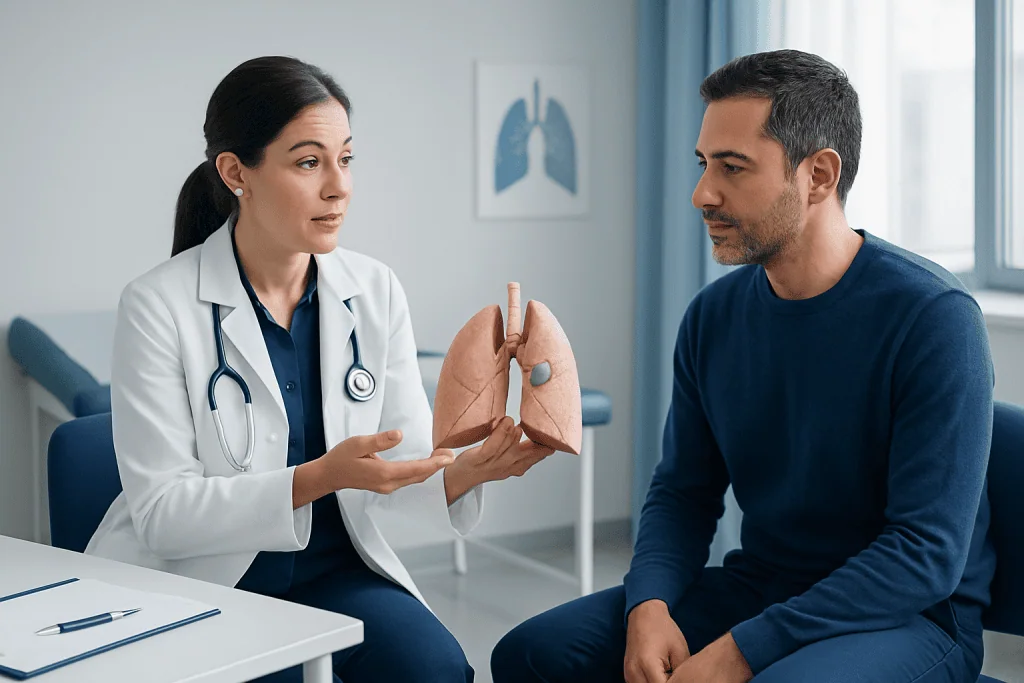
Preparation begins with consent, a review of the planned technique and monitoring of blood pressure, pulse and oxygen levels. The care team explains fasting instructions and whether regular medicines should be adjusted. Medication changes, especially involving anticoagulants or antiplatelet medicines, should only be made under guidance from the prescribing clinician and biopsy team.
For a CT-guided needle biopsy, the person usually lies on a CT table in the position that gives the safest route to the lump. The skin is cleaned and numbed with local anesthetic. With CT guidance, the doctor advances a needle to the target and obtains one or more samples. A person may be asked to hold their breath briefly. The sampling itself is often relatively quick, although preparation and observation take longer.
During bronchoscopy, local numbing medicine and sedation are commonly used. The pulmonologist guides the bronchoscope through the airways, using imaging or navigation support where needed. Small forceps, brushes or needles can collect cells and tissue. If lymph nodes are being evaluated, ultrasound-guided needle sampling through the airway may also be performed.
For surgical biopsy, general anesthesia is used. The surgeon takes a wedge-shaped sample or removes the nodule when appropriate. A chest drain may be placed temporarily to remove air and fluid while the lung re-expands. The surgical team discusses the expected admission and recovery plan in advance.
How Long Does It Take to Heal After a Lung Biopsy?
Healing time depends mainly on the biopsy method. After a needle biopsy, many people go home the same day after a period of monitoring and can return to light routines within one or two days. Mild soreness at the needle site, tiredness and a small amount of blood-streaked sputum can occur, but symptoms should steadily improve rather than worsen.
After bronchoscopy, throat irritation, hoarseness, cough or fatigue may last for a day or two. Sedation can affect alertness for the rest of the day, so a responsible adult is usually needed to take the person home. Driving, alcohol and important decisions should generally be avoided until the sedative effects have completely worn off and the care team says it is safe.
Recovery after minimally invasive surgical biopsy is longer. A hospital stay of one or more days may be needed, followed by gradual recovery at home over several weeks. Incision discomfort, reduced stamina and fatigue are common early on. Deep-breathing exercises, gentle walking and following the surgical team’s instructions support recovery.
Individual recovery can be slower in people with chronic lung disease, heart disease, infection or reduced physical reserve. The treating team should be contacted if pain, breathlessness, fever or other symptoms are not improving as expected.
How Risky Is a Lung Nodule Biopsy?
A lung nodule biopsy is generally performed with careful planning and monitoring, but no biopsy is entirely risk-free. The risks vary with the method used, the position and size of the lung lump, and a person’s lung function and medical conditions. The team balances these risks against the value of obtaining a diagnosis.
The most important possible complication after a needle biopsy is pneumothorax, meaning air escapes around the lung and causes it to partly collapse. Many small pneumothoraces resolve with observation and oxygen, while some require a temporary chest tube. Bleeding in the lung or coughing up blood can also occur and is usually minor, though significant bleeding is less common.
Bronchoscopy can cause sore throat, cough, bleeding, infection, low oxygen levels or a reaction to sedation. Surgical biopsy has additional risks related to general anesthesia, pain, infection, air leaks and blood clots. The doctor discusses relevant individual risks before the procedure and explains what monitoring is planned afterward.
The main benefit is diagnostic clarity. A reliable tissue result can prevent unnecessary treatment, identify infections or inflammatory conditions that need care, or allow cancer treatment to be planned with greater precision. If a sample is insufficient or does not match the imaging findings, another biopsy method or surgery may sometimes be advised.
What Should You Avoid After a Lung Biopsy?
After a needle biopsy or bronchoscopy, people are usually advised to rest for the remainder of the day and avoid strenuous exercise, heavy lifting and activities that significantly increase breathing effort for the period recommended by their clinician. Instructions differ between procedures, so the discharge advice provided by the biopsy team should take priority.
After sedation, it is important to avoid driving, operating machinery, drinking alcohol, signing legal documents or making major decisions until fully alert. A person should arrange transport home and, when advised, have someone stay nearby overnight. They should also follow specific instructions about eating and drinking, especially after bronchoscopy if throat numbness is still present.
People should not restart blood-thinning medicines, anti-inflammatory pain medicines or supplements that affect bleeding unless the care team gives clear instructions. Smoking and vaping can irritate the lungs and may slow recovery, so avoiding them is especially important. For surgical biopsy, wound care, showering, lifting limits and return-to-work timing should be discussed with the surgical team.
A balanced diet, adequate fluids if permitted, gentle walking and prescribed breathing exercises can support recovery. New medicines should be taken only as directed, and any questions about pain control or activity restrictions should be raised with the treating clinician.
Is a Lung Biopsy a Big Surgery?
A lung biopsy is not always a major operation. Needle biopsy and bronchoscopy are minimally invasive procedures that are often completed without an overnight hospital stay. They involve either a small skin puncture or access through the natural airway, rather than a chest incision.
Surgical lung biopsy is a more significant procedure because it requires general anesthesia and incisions in the chest. However, many surgical biopsies are performed using minimally invasive video-assisted or robotic techniques rather than a larger open incision. The expected recovery, pain management and need for a chest drain depend on the exact operation.
In some situations, a surgeon may recommend removing a suspicious nodule rather than taking only a small sample. This may be appropriate when the nodule is strongly suspicious, technically difficult to biopsy with a needle, or when removal could also provide treatment. The decision should be individualized after discussion of imaging, health status and possible alternatives.
People considering surgical sampling may benefit from a multidisciplinary review involving pulmonary medicine, thoracic surgery, radiology, pathology and oncology. This approach helps ensure that the chosen procedure is appropriate for the clinical question and that enough tissue is obtained for accurate testing.
Results, Follow-Up and When to Seek Medical Care
Preliminary biopsy results may be available within a few days, but final results can take longer when special stains, cultures or molecular testing are needed. The clinician explains whether the sample is diagnostic, what it shows and whether the finding matches the scan. A benign result may still require follow-up imaging when imaging features remain uncertain.
If cancer is identified, further staging tests and specialist consultations may be recommended before treatment begins. Treatment planning may include surgery, radiation therapy, systemic treatments or a combination, depending on the diagnosis and stage. A multidisciplinary team can help coordinate evaluation and care. Acibadem International’s multidisciplinary specialists and JCI-accredited hospitals diagnose and treat lung conditions for international patients.
Urgent medical assessment is needed after a lung biopsy for new or worsening shortness of breath, chest pain, fainting, rapidly increasing coughing of blood, blue or gray lips, severe bleeding from a wound, high fever, or confusion. These symptoms may indicate a complication that requires prompt treatment. For less urgent concerns, such as persistent discomfort, fever, worsening cough or questions about medication, the biopsy team or regular doctor should be contacted promptly.
Follow-up is an important part of the process. People should keep their results appointment, bring questions and ask for a clear explanation of the diagnosis, whether more testing is needed and what next steps are recommended.
Frequently asked questions
How long does it take to get lung biopsy results?
Some results are available within a few days, but the final report may take longer. Additional testing, including testing for infection or molecular features of cancer, can extend the timeline. The healthcare team will explain when and how results will be discussed.
Does a lung biopsy hurt?
A needle biopsy is usually performed with local anesthetic, so people may feel pressure or brief discomfort rather than sharp pain. Bronchoscopy is commonly done with numbing medicine and sedation. Surgical biopsy causes more postoperative soreness, but pain-control plans are provided.
Can a lung biopsy cause a collapsed lung?
Yes, a pneumothorax, or partial collapsed lung, is a recognized risk, especially after a needle biopsy through the chest wall. Many cases are small and resolve with observation, while some need treatment with a temporary chest tube. Monitoring after the procedure helps detect this complication.
Can a biopsy tell whether a lung lump is cancer?
In many cases, yes. A pathologist can examine the tissue for cancer cells and often identify the cancer type. Further laboratory tests may be needed to provide information that helps guide treatment decisions.
Can I fly after a lung biopsy?
Flying soon after a lung biopsy may not be advisable because a small pneumothorax can worsen at cabin pressure. The safe timing depends on the procedure, recovery and follow-up imaging. A person should ask their treating team for individualized travel clearance before booking a flight.
What happens if a lung biopsy is inconclusive?
An inconclusive result means the sample did not provide a definite answer or does not adequately explain the imaging finding. The clinician may recommend repeat imaging, another biopsy technique, bronchoscopy or surgical sampling. The next step depends on the level of concern and the person’s overall health.
References
- American Cancer Society
- American Thoracic Society
- National Cancer Institute
- Radiological Society of North America
- Society of Interventional Radiology
This article is for general information only and is not a substitute for professional medical advice. Please consult a qualified doctor about your individual situation.
Oncology care in Turkey — second opinion and treatment plan
JCI-accredited · board-certified surgeons · reply within 24h
Add us as a Preferred Source to see more of our trusted health content across Google Search, AI Overviews and Discover.
Check your numbers in seconds
BMI, calories, due date, blood pressure and 30+ more clinical calculators — free, instant, doctor-reviewed ranges.