

Pre-Travel Health Checklist for International Patients

A pre-travel health checklist helps international patients prepare safely for treatment abroad by covering medical records, medications, vaccinations, insurance, mobility needs, and travel timing. At Acibadem in Turkey, this preparation is supported through pre-arrival coordination so patients can organize the documents, health information, and practical arrangements needed before their trip.
Travelling abroad for medical care is easier when your health documents, medicines, travel plans and support needs are organised before you leave. This guide helps you prepare calmly and practically, with the kind of details international patient teams will ask for before your visit.
At a glance
- Best time to start: Ideally 3-6 weeks before travel, or as early as possible for complex care
- Key documents: Passport, visa if needed, medical records, test results, prescriptions and referral notes
- Health essentials: Medication supply, allergy list, vaccination review and fit-to-fly advice when relevant
- Support to arrange: Interpreter needs, airport transfer, accommodation, companion plans and mobility assistance
- Aftercare planning: Recovery time, follow-up appointments, discharge notes and communication with your home doctor
Start with a clear medical travel folder
Your first task is to create one reliable folder for everything connected to your care. This can be a printed folder, a secure digital folder on your phone, or both. The goal is simple: when your international patient coordinator, doctor, airline or border officer asks for something, you can find it quickly.
Include your passport copy, recent medical reports, imaging results, laboratory tests, hospital discharge summaries, medication list, allergy list and any referral letters. If your records are in a language other than English or Turkish, ask whether translated summaries are needed before you travel. Clear records help the receiving medical team understand your history and may reduce repeat testing where clinically appropriate.
If you are preparing to visit Acibadem International, your patient services contact may ask you to share records securely before arrival so the relevant specialist team can review them. This is not only about scheduling; it helps the hospital plan the right department, appointment length, diagnostics and interpreter support for you.
Check your passport, visa and entry requirements early
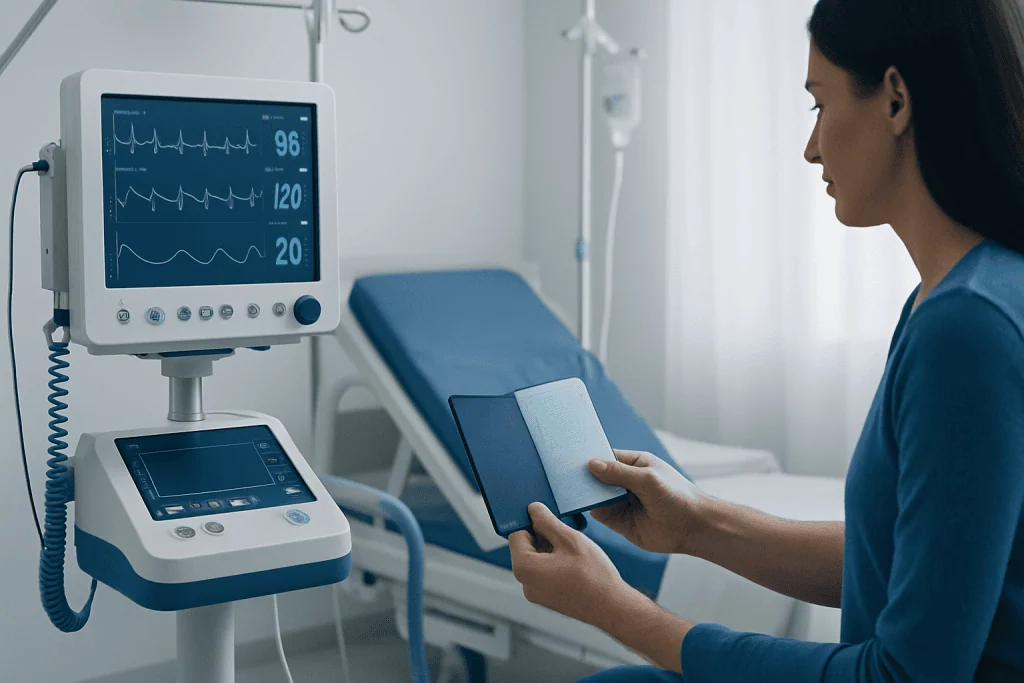
Before you focus on flights, confirm that your passport is valid for the full period required by your destination country. Many countries expect several months of validity beyond your travel dates. If your passport is close to expiry, renew it before booking non-refundable travel whenever possible.
Visa rules depend on your nationality, length of stay and purpose of travel. Some patients can enter Turkey without a visa for a limited period, while others may need an e-visa or a visa from a consulate. Always check official government sources or your local Turkish diplomatic mission, because rules can change.
Keep printed and digital copies of your travel documents. If you are travelling with a companion, they should also have copies of your passport, hospital contact details, accommodation address and emergency contacts. This is especially helpful if you feel tired after your flight or need assistance during arrival.
Review medicines, prescriptions and allergies

Bring enough of your regular medicines for the full trip, plus a small extra supply in case your return is delayed. Keep medicines in their original packaging where possible, with your name, dosage and prescribing doctor visible. Place essential medicines in your hand luggage, not checked baggage, so they remain with you during the journey.
Ask your doctor at home for a written medication list that includes generic drug names, not only brand names. Brand names may differ from country to country, but generic names are easier for healthcare professionals to recognise. If you use insulin, blood thinners, heart medicines, inhalers, seizure medicines or other time-sensitive treatment, ask for specific travel instructions.
Your allergy list should be clear and practical. Include medication allergies, food allergies, latex sensitivity, contrast dye reactions and previous anaesthesia reactions if applicable. If you have severe allergies, consider carrying an allergy card in English and wearing medical identification during travel.
- Do not stop prescribed medicines unless your doctor tells you to.
- Ask whether any medicines need a customs letter or special documentation.
- Check airline rules for liquids, injections, cooling packs and medical devices.
Plan your flight around your health and energy
When you are travelling for healthcare, the cheapest or fastest route is not always the most comfortable one. Think about your walking distance in airports, layover time, sleep schedule, pain level and need for assistance. A longer connection may be easier than rushing between gates, especially if you use a wheelchair, oxygen, mobility aid or medical device.
If you have a heart or lung condition, recent surgery, pregnancy, limited mobility, anaemia, a history of blood clots or any concern about flying, ask your doctor whether you need fit-to-fly advice. Airlines may require medical clearance for some passengers, particularly if oxygen, a stretcher, recent hospitalisation or special assistance is needed.
During the flight, follow your doctor’s advice about hydration, movement and medications. For many travellers, simple steps such as walking when safe, moving ankles while seated, wearing comfortable clothing and keeping medicines nearby can make the journey easier. If you are unsure what is appropriate for your condition, ask before you travel rather than guessing at the airport.
Arrange support before you arrive in Turkey
Small logistics can feel large when you are tired, in pain or in a new country. Before departure, confirm who will meet you at the airport, how you will reach your hotel or hospital, where you will stay and whom you can call if your flight is delayed. Save these details offline in case your mobile data does not work immediately on arrival.
Acibadem International can help coordinate practical services for international patients, such as appointment scheduling, interpreter support, hospital guidance and travel or accommodation assistance when requested. If you need a wheelchair, accessible room, special diet, companion bed information or support for children travelling with you, mention this early so the team has time to prepare.
If you are travelling alone, choose one trusted person at home to receive updates and keep your itinerary. Share your flight details, hospital contact information, accommodation address and planned appointment dates. You do not need to manage every detail by yourself; a clear support circle makes your journey safer and calmer.
Prepare for recovery and your return home
Your pre-travel checklist should include the return journey, not only arrival. Ask how long you may need to stay near the hospital after consultations, tests or treatment, and whether your plan may change based on medical findings. Avoid scheduling important work, long journeys or tight connections immediately after hospital care unless your medical team says it is appropriate.
Before leaving Turkey, make sure you understand your discharge information, prescriptions, wound care or activity instructions if relevant, warning signs to watch for and follow-up schedule. Ask for medical documents in a format you can share with your doctor at home. If you need reports in English, request them before discharge so there is time to prepare them.
International care works best when follow-up is planned early. Acibadem International’s patient care team can help you understand how to contact the hospital after you return home, how to send follow-up documents if requested and when online communication may be suitable. For urgent symptoms after returning, seek local emergency care first and then inform your treating team.
Step by step
- Contact the international patient team. Share your main medical concern, preferred travel dates and available medical records. The team can guide you on which documents are needed before appointment planning and whether interpreter or mobility support should be arranged.
- Confirm passport, visa and travel dates. Check passport validity and official visa requirements for your nationality. Build in extra time around appointments, because medical plans can change after examination or test results.
- Request a medical summary from your home doctor. Ask for a concise summary of diagnoses, current medications, allergies, previous surgeries and recent test results. This helps the receiving doctors understand your background quickly and safely.
- Prepare your medicines for travel. Pack regular medicines in hand luggage, preferably in original packaging, with prescriptions or a doctor's letter. Bring extra supply in case your stay is extended and check rules for controlled medicines, injections or refrigerated items.
- Choose flights with comfort in mind. Consider layover length, airport walking distance, arrival time and whether you will need assistance. If you have a complex health condition, ask your doctor and airline about fit-to-fly requirements before booking.
- Organise arrival and accommodation details. Confirm airport transfer, hotel address, hospital appointment location and emergency contacts before you depart. Keep these details printed and saved offline on your phone.
- Plan your follow-up before returning home. Ask what documents you will receive, how prescriptions will be explained and when follow-up communication may be needed. Share discharge papers with your doctor at home so your care continues smoothly.
Your checklist
- Passport valid for the required period after travel
- Visa or entry permission checked through official sources
- Medical reports, imaging, lab results and discharge summaries gathered
- Medication list, prescriptions and allergy information prepared
- Fit-to-fly advice requested if you have a relevant health condition
- Interpreter, wheelchair, dietary or accessibility needs shared in advance
- Airport transfer, accommodation and hospital contact details confirmed
- Emergency contacts saved on paper and offline on your phone
- Travel insurance or payment documents reviewed according to your situation
- Return travel and follow-up plan discussed before departure
Key takeaways
- Start your medical travel preparation with a complete, easy-to-access health folder.
- Keep essential medicines, prescriptions and allergy information with you during the journey.
- Check passport, visa, airline and fit-to-fly requirements early, especially for complex conditions.
- Arrange interpreter, mobility, accommodation and airport support before arrival when possible.
- Plan your recovery time and follow-up documents before booking your return trip.
Frequently asked questions
When should I start preparing for international medical travel?
Ideally, start 3-6 weeks before your planned trip, especially if you need specialist review, visa arrangements or translated medical records. If your situation is urgent, begin as soon as possible and ask the international patient team which items are most important first.
What medical records should I send before travelling?
Send recent reports related to your condition, imaging results, laboratory tests, discharge summaries, current prescriptions and a short medical history if available. If you have had previous surgeries or hospitalisations, include those details too. Clear records help the hospital plan the right appointments and reduce unnecessary uncertainty.
Should I travel with a companion?
A companion can be very helpful if you expect tests, treatment, sedation, surgery, limited mobility or emotional stress. They can assist with airport navigation, note-taking, medication reminders and communication. If you travel alone, make sure a trusted person at home has your itinerary and hospital contact details.
Can I bring my regular medicines into Turkey?
Many common personal medicines can be brought for individual use, but rules may differ for controlled medicines, injections or larger quantities. Keep medicines in original packaging and carry prescriptions or a doctor's letter. Check official customs guidance or ask your care coordinator if you are unsure.
Do I need vaccinations before travelling for care?
Vaccination needs depend on your home country, health status, destination and routine immunisation history. Ask your doctor or a travel medicine clinic before departure, especially if you are immunocompromised or have chronic illness. Do not delay urgent medical advice while waiting for travel vaccines unless your doctor recommends it.
What if my flight is delayed and I miss my appointment?
Inform your international patient contact as soon as you know there is a delay. Keep the hospital phone number and email available offline so you can communicate from the airport. In many cases, teams can advise you on the next available timing, but this depends on the clinical schedule and your medical needs.
How does Acibadem International support patients who do not speak Turkish?
Acibadem International works with international patients regularly and can help arrange interpreter support for hospital communication. Tell the team your preferred language before arrival so they can plan appropriately. It is still useful to carry written medication and allergy information in English.
What should I do if I feel unwell during travel?
If symptoms are severe, such as chest pain, difficulty breathing, fainting, signs of stroke or heavy bleeding, seek emergency help immediately through airport, airline or local emergency services. For non-urgent concerns, contact your medical team or travel assistance provider for guidance. Do not wait until a scheduled appointment if symptoms feel urgent.
Add us as a Preferred Source to see more of our trusted health content across Google Search, AI Overviews and Discover.
More Patient Guides

How to Choose Recovery-Friendly Accommodation in Turkey After Treatment
Recovery-friendly accommodation in Turkey means a quiet, accessible, well-located stay with support for transport, meals, and follow-up visits in Istanbul or beyond.
9 min read
How to Prepare a Carry-On Bag for Treatment Travel to Turkey
Carry-on bag for treatment travel to Turkey: pack medicines, documents, comfort items, chargers, and one change of clothes for a smoother trip.
9 min read
How to Pack Medical Devices and Supplies for Treatment Travel to Turkey
How to pack medical devices for treatment travel to Turkey: carry essentials in hand luggage, bring documents, chargers, and backup supplies.
9 min read