

Stage 4 Uterine Cancer Life Expectancy Without Treatment: How It Works, Results and What to Expect

Stage 4 uterine cancer has spread beyond the uterus to nearby organs, lymph nodes, the abdomen, or distant sites. There is no reliable single survival time for untreated stage 4 disease because each cancer and person is different.
Key Takeaways
- Stage 4 uterine cancer has spread beyond the uterus to nearby organs, lymph nodes, the abdomen, or distant sites.
- There is no reliable single survival time for untreated stage 4 disease because each cancer and person is different.
- Treatment may be active cancer treatment, symptom-focused palliative care, or a combination tailored to personal goals.
- New or worsening bleeding, pelvic pain, shortness of breath, severe weakness, or bowel or bladder changes should be assessed promptly.
- A gynecologic oncology team can explain the cancer type, treatment choices, expected benefits, and supportive-care options.
Stage 4 uterine cancer life expectancy without treatment cannot be predicted precisely for one person. It depends on the cancer subtype, where it has spread, overall health, and the pace of disease, but untreated cancer generally progresses and may increasingly affect comfort, function, and organ health.
Overview: stage 4 uterine cancer life expectancy without treatment
Stage 4 uterine cancer life expectancy without treatment varies considerably and cannot be calculated accurately from stage alone. In general, cancer that is not treated to control its growth is expected to progress, although the speed can differ greatly according to the tumor type, extent of spread, tumor biology, and a person’s general health. A specialist can provide the most meaningful outlook after reviewing scans, biopsy findings, symptoms, and day-to-day function.
Uterine cancer most often begins in the lining of the uterus and is called endometrial cancer. Less commonly, it begins in the muscle or supporting tissues of the uterus; these tumors are often grouped as uterine sarcomas and may behave differently. Stage 4 does not mean that care is no longer possible. It means the cancer is advanced and requires an individualized discussion about cancer-directed treatment, symptom relief, and the person’s priorities.
Some people choose not to have surgery, chemotherapy, immunotherapy, radiation therapy, or other treatments because of frailty, side effects, personal goals, or other medical conditions. Even when a person decides against cancer-directed treatment, palliative and supportive care can help manage symptoms and support quality of life.
What are the characteristics of uterine cancer stage 4?
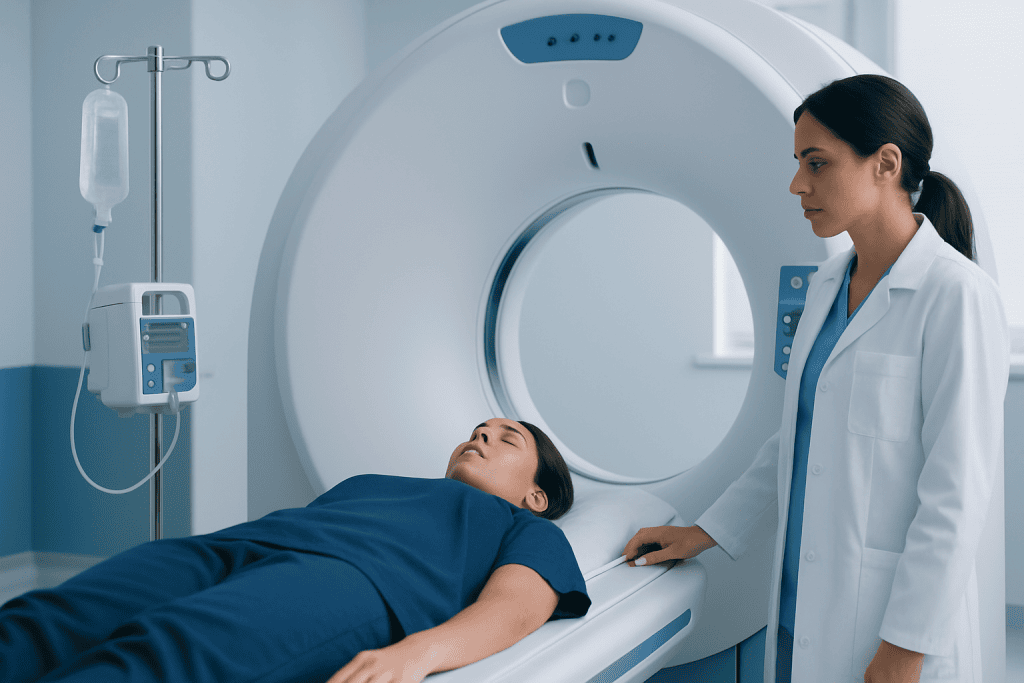
Stage 4 uterine cancer describes cancer that has spread beyond the uterus in a way defined by staging criteria. In stage IVA, the cancer has invaded the lining of the bladder or bowel. In stage IVB, it has spread to areas farther from the uterus, such as lymph nodes outside the pelvis, the lining of the abdomen, or distant organs including the lungs, liver, bones, or other sites.
The stage is only one part of the clinical picture. Doctors also consider the microscopic subtype, grade, molecular features, hormone-receptor status, whether there is a mismatch-repair abnormality, and the amount and location of metastatic disease. These features can influence how the cancer behaves and which treatments may be appropriate.
Stage 4 cancer may be found at the first diagnosis, or it may represent recurrence after earlier treatment. A biopsy and imaging studies are commonly used to confirm the diagnosis and map disease spread. Tests may include CT, MRI, PET-CT, chest imaging, blood tests, and molecular testing of tumor tissue.
Not all advanced uterine cancers follow the same course. This is why broad survival estimates found online cannot replace a discussion with a gynecologic oncologist who knows the individual clinical details.
How long can you live with untreated stage 4 uterine cancer?

There is no fixed answer to how long someone can live with untreated stage 4 uterine cancer. For some people, symptoms and disease burden can worsen over weeks to months; for others, the course may be slower. Faster-growing or more aggressive subtypes, widespread disease, significant weight loss, organ involvement, and declining physical strength may be associated with a shorter outlook, while a slower-growing tumor and better general health may be associated with a longer course.
Population survival figures, when available, usually include people who received different combinations of treatment and therefore do not predict what will happen without treatment. They also cannot account for an individual’s pathology, response to care, coexisting health conditions, or preferences. A doctor should be asked to explain what is known, what remains uncertain, and what changes may be expected over time.
Choosing not to pursue cancer-directed therapy should not mean going without medical support. Palliative care can be introduced at any stage and can address pain, bleeding, nausea, breathlessness, fatigue, sleep problems, emotional distress, and practical needs. Hospice care may become appropriate when the focus is entirely on comfort and when life expectancy is thought to be limited; the care team can explain when this may help.
Family members and caregivers may also need support. Early conversations about symptom plans, emergency contacts, preferred place of care, and advance care planning can help ensure that care remains aligned with the person’s wishes.
What are the symptoms of late-stage uterine cancer?
Symptoms of late-stage uterine cancer vary with the location of the primary tumor and any spread. Abnormal vaginal bleeding remains an important symptom, particularly bleeding after menopause, bleeding between periods, or bleeding that becomes heavier or more frequent. Watery, pink, or blood-stained discharge may also occur.
Pelvic or lower abdominal pain, pressure, bloating, an enlarging abdomen, reduced appetite, unintentional weight loss, and fatigue can develop as disease advances. Cancer involving the bladder or bowel may contribute to urinary frequency, blood in the urine, constipation, pain when passing stool, or changes in bowel habits. These symptoms can also have non-cancer causes, so assessment is important rather than assuming the cause.
If cancer has spread to other organs, symptoms may reflect that location. For example, lung involvement may cause persistent cough or shortness of breath, while bone involvement can cause persistent localized pain. Leg swelling may occur when lymphatic drainage or blood flow is affected. Symptoms should be reported promptly because many can be relieved with medicines, radiation, procedures, rehabilitation, nutrition support, or other supportive measures.
- Unexpected postmenopausal bleeding should always be medically evaluated.
- New severe pain, heavy bleeding, fainting, confusion, or trouble breathing needs urgent medical attention.
- Persistent abdominal swelling, vomiting, inability to pass stool or urine, or rapidly worsening weakness should be discussed with a clinician without delay.
How quickly does endometrial cancer grow?
Endometrial cancer does not grow at one predictable speed. Some tumors remain localized for a period and are detected early because they cause abnormal bleeding. Others have biological features associated with more rapid growth or earlier spread. High-grade cancers and certain aggressive subtypes, such as serous carcinoma, clear cell carcinoma, carcinosarcoma, and some uterine sarcomas, may require especially prompt assessment and treatment planning.
Growth rate cannot be reliably judged from symptoms alone. Imaging can show the size and distribution of visible disease, while pathology identifies the cell type and grade. Molecular testing may also provide information that helps guide treatment. The medical team may compare scans over time when that is clinically appropriate, but waiting for repeated scans is not usually advised when there are concerning symptoms or a confirmed diagnosis requiring a decision.
It is understandable to want a precise timeline, but estimates are often uncertain. Asking the care team about the tumor’s subtype, grade, sites of spread, likely pattern of progression, and symptoms to watch for may provide more useful guidance than a general estimate of growth speed.
Treatment choices: how they work and what to expect
The aim of treatment for stage 4 uterine cancer may be to slow or control the cancer, reduce symptoms, preserve daily function, and, for some people, extend life. The plan is individualized and may involve a gynecologic oncologist, medical oncologist, radiation oncologist, pathologist, radiologist, palliative-care clinician, specialist nurse, and other professionals. Treatment can also be adjusted over time if goals, symptoms, or cancer behavior change.
Surgery may be considered for selected people when tumor deposits can be safely removed or when an operation can relieve a specific problem such as bleeding or blockage. The process generally includes preoperative imaging and fitness assessment, discussion of the expected extent of surgery, anesthesia, the operation itself, hospital recovery, and follow-up. Recovery varies by procedure and health status; pain control, early movement, wound care, and prevention of blood clots are important parts of postoperative care.
Systemic therapies travel through the bloodstream and can treat cancer at more than one location. Options may include chemotherapy, hormone therapy for appropriate hormone-sensitive tumors, targeted medicines, or immunotherapy when tumor testing and clinical circumstances support their use. Radiation therapy uses focused energy to shrink or control tumors in a specific area and can be particularly helpful for bleeding, pain, or localized disease. Potential benefits need to be balanced with possible effects such as fatigue, nausea, bowel or bladder irritation, low blood counts, infection risk, nerve symptoms, or changes in organ function, depending on the treatment.
A patient may be a candidate for one or more treatments based on tumor findings, prior treatments, organ function, performance status, symptoms, and personal preferences. Supportive treatment remains important alongside any cancer therapy. Acibadem International’s multidisciplinary specialists and JCI-accredited hospitals assess diagnosis and treatment options for international patients with uterine cancer.
Supportive care, prevention and self-care
There is no proven self-care method that can stop stage 4 uterine cancer from progressing, and alternative therapies should not replace medical assessment. However, supportive care can make a meaningful difference to comfort and daily life. Pain management, treatment for nausea or constipation, management of vaginal bleeding, blood transfusion when clinically appropriate, nutrition guidance, physiotherapy, and psychological support may all be considered.
People are encouraged to tell their team about every symptom, including those that may feel difficult to discuss, such as bleeding, sexual health concerns, anxiety, sleep changes, or difficulty coping. Keeping a brief record of symptoms, appetite, bowel and bladder patterns, medication effects, and activity level may help clinicians respond earlier to changes.
For individuals without a diagnosis, prevention focuses on knowing warning signs and attending recommended medical appointments. Maintaining a weight that is appropriate for the individual, managing diabetes when present, and discussing the risks and benefits of menopausal hormone therapy or tamoxifen with a clinician may be relevant for some people. Most importantly, abnormal bleeding should not be ignored.
Emotional and practical support matter as much as physical care. Counseling, social work, spiritual care, support groups, and conversations with loved ones can help people make decisions that reflect their values.
When to seek medical care
Medical advice should be sought promptly for vaginal bleeding after menopause, bleeding between periods, a new persistent watery or blood-stained discharge, unexplained pelvic pain, or a persistent feeling of abdominal swelling or pressure. These symptoms do not always mean cancer, but they warrant assessment, particularly after menopause.
People with diagnosed uterine cancer should contact their oncology team for increasing pain, worsening bleeding, fever, repeated vomiting, inability to eat or drink adequately, new swelling of a leg, worsening breathlessness, or major changes in bowel or bladder function. Rapid symptom management may prevent distress and avoidable complications.
Emergency medical care is needed for very heavy bleeding, chest pain, severe shortness of breath, fainting, sudden confusion, severe uncontrolled pain, or symptoms of a possible bowel or urinary obstruction. A person should not wait for a routine appointment when these symptoms occur.
Frequently asked questions
Can stage 4 uterine cancer be cured without treatment?
Untreated stage 4 uterine cancer is not expected to go away on its own. Some cancers may progress more slowly than others, but medical follow-up remains important to monitor symptoms and discuss supportive care. A gynecologic oncology team can explain whether any treatment might offer meaningful benefit in an individual situation.
Is stage 4 uterine cancer always terminal?
Stage 4 uterine cancer is advanced, but outcomes vary and the word terminal may not describe every person’s situation in the same way. Some people live with advanced cancer for a period while receiving treatment that controls disease or symptoms. The treating team is best placed to discuss prognosis honestly and sensitively.
What happens if advanced uterine cancer is not treated?
Without cancer-directed treatment, the disease may grow or spread further and symptoms may become more noticeable. Possible problems include bleeding, pelvic or abdominal pain, fatigue, reduced appetite, bowel or bladder symptoms, breathlessness, and weakness, depending on where the cancer is located. Palliative care can help manage many of these concerns even if cancer treatment is declined.
Can palliative care be provided while receiving cancer treatment?
Yes. Palliative care can be provided alongside chemotherapy, radiation therapy, surgery, immunotherapy, or other cancer-directed treatments. It focuses on symptom relief, communication, emotional support, and quality of life, rather than replacing oncology care.
What tests confirm stage 4 uterine cancer?
Confirmation commonly involves a tissue biopsy reviewed by a pathologist, plus imaging to assess the extent of spread. CT, MRI, PET-CT, chest imaging, and blood tests may be used depending on the clinical situation. Molecular testing of the tumor may also help identify suitable treatment options.
Should a person with stage 4 uterine cancer consider a second opinion?
A second opinion can be helpful, especially when considering complex treatment choices or deciding whether treatment aligns with personal goals. It may confirm the diagnosis, review pathology and imaging, and discuss clinical trials or supportive-care approaches. Seeking another expert view does not commit a person to a particular treatment.
References
- National Cancer Institute
- American Cancer Society
- European Society for Medical Oncology
- American College of Obstetricians and Gynecologists
- World Health Organization
This article is for general information only and is not a substitute for professional medical advice. Please consult a qualified doctor about your individual situation.
Oncology care in Turkey — second opinion and treatment plan
JCI-accredited · board-certified surgeons · reply within 24h
Add us as a Preferred Source to see more of our trusted health content across Google Search, AI Overviews and Discover.

More from the Health Library



Related Specialists

Fzt. Cihan Seyyah
Physical Medicine & Rehabilitation
Prof. Dr. Nadiye Köroğlu
Gynecology & Obstetrics
Dr. Üzeyir Tırmık
Orthopedic Surgery & Traumatology
Prof. Dr. Bahattin Çiçek
Gastroenterology