Treatment for Endometrial Cancer: How It Works, Results and What to Expect

Surgery to remove the uterus, fallopian tubes and ovaries is often the first treatment for endometrial cancer. The pathology report after surgery helps determine whether radiation, chemotherapy, hormone therapy, targeted therapy or immunotherapy is needed.
Key Takeaways
- Surgery to remove the uterus, fallopian tubes and ovaries is often the first treatment for endometrial cancer.
- The pathology report after surgery helps determine whether radiation, chemotherapy, hormone therapy, targeted therapy or immunotherapy is needed.
- Many endometrial cancers are diagnosed early because abnormal vaginal bleeding often leads to prompt assessment.
- Treatment outcomes vary by stage and tumor biology; early-stage disease generally has a favorable outlook.
- Persistent bleeding after menopause, bleeding between periods or unusually heavy periods should be medically assessed.
Treatment for endometrial cancer is individualized according to the cancer stage, tumor grade, molecular features, overall health and future fertility wishes. Surgery is commonly the main treatment, while radiation, medicines or both may be recommended to lower recurrence risk or treat disease that has spread.
Overview: How treatment for endometrial cancer works
Treatment for endometrial cancer aims to remove or control cancer, reduce the chance of recurrence and preserve quality of life. The plan is based on where the cancer is located, how deeply it has grown into the uterine muscle, whether it has reached lymph nodes or distant organs, and the cancer’s grade and molecular characteristics.
For many people, the main treatment is an operation called hysterectomy. Additional treatment may be advised before or after surgery, particularly when the cancer is higher grade, has spread beyond the uterus, or has features associated with a greater risk of returning. These treatments can include radiation therapy, chemotherapy, hormone therapy, targeted medicines and immunotherapy.
Care is ideally planned by a multidisciplinary team that may include a gynecologic oncologist, medical oncologist, radiation oncologist, radiologist, pathologist, specialist nurses and supportive-care professionals. This coordinated approach helps ensure that treatment addresses both the cancer and practical needs such as symptom control, emotional wellbeing and recovery.
Who may need treatment and how the plan is chosen
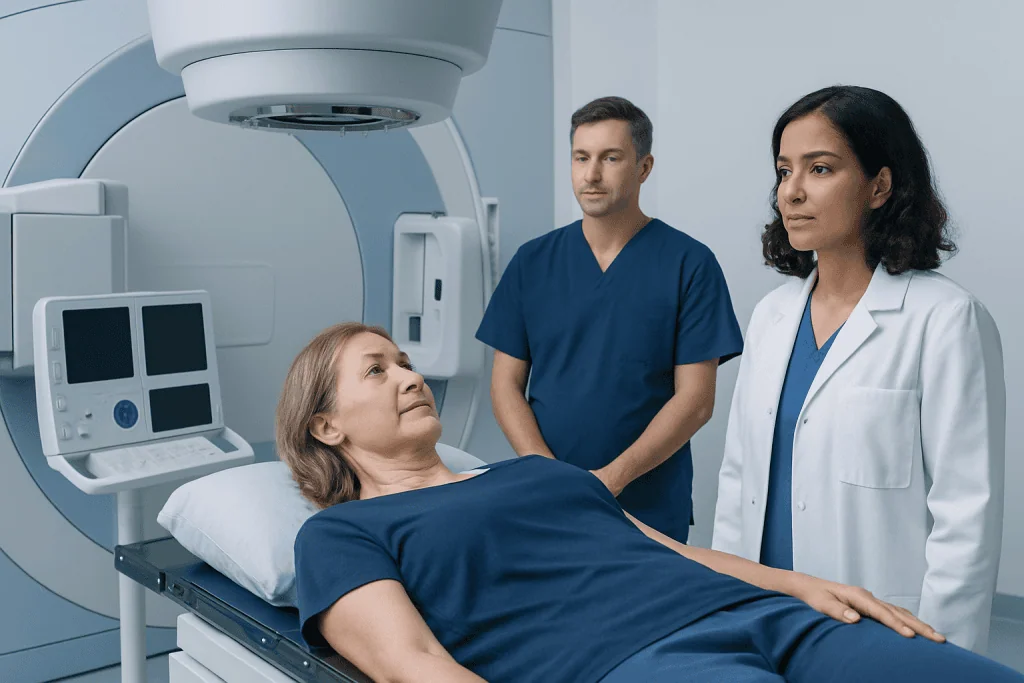
Anyone with a confirmed diagnosis of endometrial cancer needs an individualized treatment discussion. Before deciding on treatment, clinicians review biopsy findings, imaging when needed, medical history, current medicines and general fitness for surgery or systemic therapy. The pathology team may perform molecular testing on the tumor, which can guide prognosis and identify people who may benefit from particular drug treatments.
The cancer is staged to describe how far it has spread. Disease confined to the uterus is often treated primarily with surgery. If there is a higher risk of microscopic cancer cells remaining, radiation and/or drug treatment may be considered. Advanced or recurrent cancer commonly requires systemic treatment, sometimes alongside surgery or radiation for selected situations.
Fertility wishes are also important. In carefully selected people with very early, low-grade disease that appears confined to the uterine lining, fertility-sparing hormonal treatment with close monitoring may be possible. This is not appropriate for every tumor, and definitive hysterectomy is usually recommended after childbearing is complete or if treatment does not control the cancer.
- Stage and extent of cancer
- Tumor type, grade and molecular findings
- Age, other health conditions and personal priorities
- Previous treatments and likelihood of benefit from additional therapy
Treatment steps: surgery, radiation and medicines
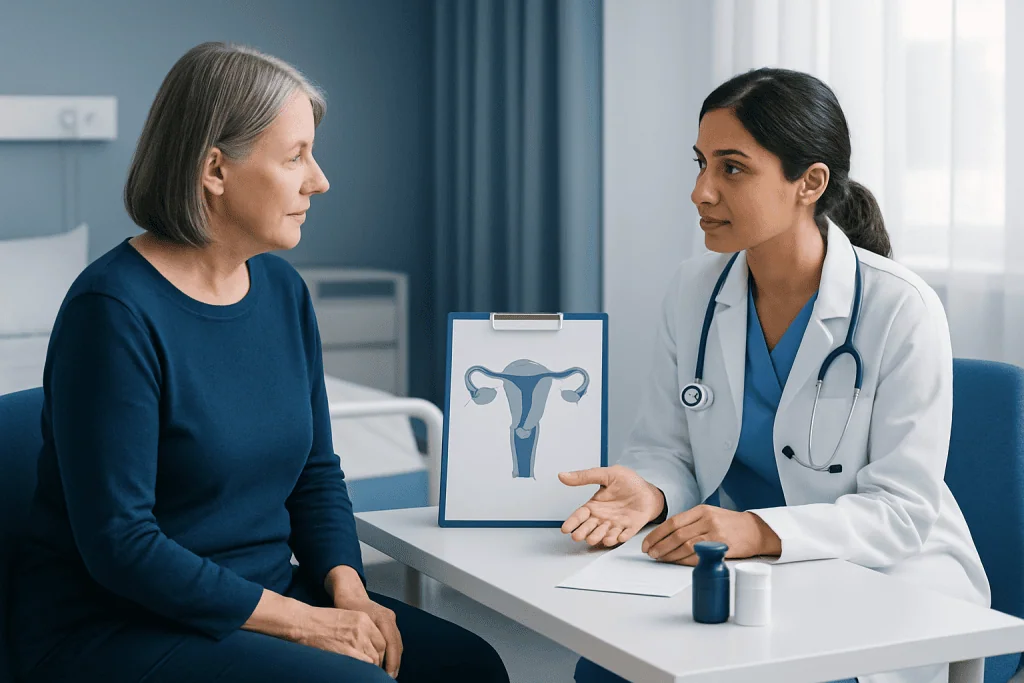
Surgery commonly involves removing the uterus (hysterectomy), both fallopian tubes and both ovaries. It is often performed with minimally invasive techniques, such as laparoscopy or robotic surgery, when appropriate. The surgeon may assess nearby lymph nodes, often using sentinel lymph node mapping, to check whether cancer has spread. The removed tissue is examined in detail to confirm the stage and guide next steps.
Radiation therapy uses high-energy beams to destroy cancer cells. External-beam radiation treats the pelvis from outside the body, while brachytherapy places a radiation source temporarily in the vagina. Radiation may be used after surgery to lower the chance of local recurrence, or to manage cancer that cannot be fully removed or has returned in a specific area.
Systemic treatments travel through the bloodstream and can reach cancer cells throughout the body. Chemotherapy may be used for higher-risk, advanced or recurrent disease. Hormone therapy can be useful for some hormone-sensitive cancers, especially low-grade endometrioid tumors. Immunotherapy and targeted treatments may be options for tumors with certain molecular findings or for cancer that has progressed after earlier treatment.
People considering surgical management can learn more about endometrial cancer treatment options during a consultation. The sequence of treatments varies; some people have surgery first, while others may need drug treatment or radiation before, after or instead of an operation.
Recovery timeline, benefits and possible risks
Recovery after hysterectomy depends on the type of surgery, the extent of lymph node assessment and a person’s overall health. After minimally invasive surgery, many people return gradually to lighter daily activities within a few weeks, while recovery after open abdominal surgery can take longer. The surgical team provides personalized instructions about wound care, activity, driving, lifting, work and sexual activity.
Short-term effects can include pain, fatigue, constipation, nausea, temporary urinary changes and vaginal spotting. Removing the ovaries before natural menopause causes menopause to begin abruptly, which may lead to hot flushes, sleep changes, vaginal dryness or mood changes. A clinician can discuss safe approaches for managing symptoms in the context of an individual’s cancer history.
Radiation can cause tiredness, bowel or bladder irritation, skin changes and vaginal dryness or narrowing. Chemotherapy may cause fatigue, nausea, lowered blood counts, hair loss, nerve symptoms or increased infection risk, depending on the medicines used. Immunotherapy can occasionally cause inflammation in organs such as the thyroid, lungs, bowel, liver or skin, so new symptoms should be reported promptly.
The expected benefits and possible harms should be discussed before treatment starts. Supportive care, including nutrition guidance, physiotherapy, pelvic-floor support, sexual-health care and psychological support, can make treatment and recovery more manageable.
How quickly does endometrial cancer spread?
Endometrial cancer does not spread at the same rate in every person. Some common forms, especially low-grade endometrioid cancers diagnosed early, may grow relatively slowly. Other types, including high-grade cancers and certain non-endometrioid subtypes, can behave more aggressively and may be more likely to spread outside the uterus.
It is not possible to predict the speed of spread from symptoms alone. Biopsy results, imaging, surgical findings and molecular testing provide more reliable information about the cancer’s behavior. Once cancer is suspected or confirmed, timely assessment by a gynecologic cancer specialist helps avoid unnecessary delays and supports appropriate treatment planning.
Abnormal bleeding does not automatically mean cancer, but it should not be ignored. Early evaluation is particularly important after menopause, when any vaginal bleeding warrants medical assessment.
How successful is treatment for endometrial cancer?
Treatment can be highly effective, particularly when endometrial cancer is found before it has spread beyond the uterus. Many people with early-stage disease are treated successfully with surgery alone or surgery followed by carefully selected additional treatment. Outcomes are generally less favorable when cancer has spread to distant organs or returns after initial treatment, but effective options are still available to control disease and symptoms.
Success depends on several factors, including stage, tumor type and grade, lymph node involvement, molecular features, response to treatment and overall health. A pathology report is therefore central to prognosis and treatment choices. Clinicians can explain what the findings mean for the individual rather than relying on general outcome figures.
Regular follow-up after treatment is important. Visits typically include discussion of symptoms and examination when appropriate; imaging or blood tests are used when there is a clinical reason. Reporting new bleeding, persistent pelvic or abdominal pain, unexplained weight loss, worsening cough or new swelling promptly can help clinicians investigate possible recurrence.
What is one of the most common signs of endometrial cancer?
Abnormal vaginal bleeding is one of the most common signs of endometrial cancer. For people after menopause, this may be any bleeding, spotting or pink or brown discharge. Before menopause, it can include bleeding between periods, periods that are unusually heavy or prolonged, or a noticeable change from the usual menstrual pattern.
Other possible symptoms include watery or blood-stained discharge, pelvic pressure or pain, pain during sex, or unexplained weight loss. These symptoms have many possible causes, including non-cancerous conditions, but a healthcare professional should assess persistent or unusual changes.
Risk factors can include increasing age, obesity, long-term exposure to estrogen without enough progesterone, some hormonal conditions, diabetes, certain inherited cancer syndromes and a family history of relevant cancers. Having a risk factor does not mean a person will develop cancer, and people without known risk factors can also be affected.
Is endometrial cancer 100% curable? When to seek medical care
No cancer can be described as 100% curable for every person. However, many cases of endometrial cancer are found early and can be treated with curative intent. The chance of long-term control depends on the cancer’s stage and biology as well as the treatment received, which is why personalized follow-up remains important even after successful treatment.
Medical care should be sought promptly for vaginal bleeding after menopause, bleeding between periods, unusually heavy or prolonged periods, or persistent unusual vaginal discharge. A person already treated for endometrial cancer should contact their care team about new vaginal bleeding, increasing pelvic pain, persistent abdominal symptoms, unexplained weight changes, breathlessness or other concerning new symptoms.
Acibadem International’s multidisciplinary specialists at JCI-accredited hospitals diagnose and treat endometrial cancer for international patients, with treatment decisions guided by pathology, staging and individual health needs.
Frequently asked questions
What is usually the first treatment for endometrial cancer?
Surgery is commonly the first treatment when the cancer appears removable. It usually includes hysterectomy and removal of the fallopian tubes and ovaries, with assessment of lymph nodes when indicated. The final pathology results help determine whether further treatment is needed.
Can endometrial cancer be treated without surgery?
In selected circumstances, yes. Radiation therapy, hormone therapy, chemotherapy, immunotherapy or targeted treatment may be used when surgery is not safe, when cancer has spread, or when it has returned. Fertility-sparing hormone treatment may be considered for a small group of people with carefully selected early, low-risk cancers.
Will I need chemotherapy for endometrial cancer?
Not everyone needs chemotherapy. It is more often considered for high-grade cancers, some aggressive tumor types, cancer involving lymph nodes or distant sites, and recurrent disease. The oncology team considers pathology, stage, molecular test results and expected benefits before recommending it.
How long does recovery take after surgery for endometrial cancer?
Recovery varies with the type of operation and individual health. Minimally invasive surgery often allows a faster return to light activities than open abdominal surgery, but complete recovery can still take several weeks. The surgical team gives individualized guidance on activity, work, wound care and follow-up.
Can endometrial cancer come back after treatment?
Yes, recurrence is possible, although the risk varies widely by stage and tumor features. Follow-up care helps monitor recovery and identify symptoms that may need investigation. If cancer returns, treatment may include radiation, surgery in selected cases, chemotherapy, hormone therapy, immunotherapy or targeted medicines.
Does abnormal bleeding always mean endometrial cancer?
No. Abnormal bleeding is commonly caused by non-cancerous conditions such as hormonal changes, polyps, fibroids or medication effects. Nevertheless, bleeding after menopause and persistent changes in menstrual bleeding should always be evaluated by a qualified clinician.
References
- National Cancer Institute
- American Cancer Society
- European Society for Medical Oncology
- National Comprehensive Cancer Network
- World Health Organization
This article is for general information only and is not a substitute for professional medical advice. Please consult a qualified doctor about your individual situation.
Endometrial Cancer in Turkey — costs, top hospitals & a free quote
JCI-accredited · board-certified surgeons · reply within 24h
Add us as a Preferred Source to see more of our trusted health content across Google Search, AI Overviews and Discover.

Medical Oncology Department
Medical treatment of cancer with chemotherapy, immunotherapy and targeted therapies under a multidisciplinary tumor board.
60 specialists in this unit