

Open vs Closed Rhinoplasty Recovery: Differences Explained

Open vs closed rhinoplasty recovery is usually similar overall, but open surgery may cause longer tip swelling. Learn timelines, travel and aftercare in Turkey.
Open and closed rhinoplasty generally have a similar overall healing course: most people feel ready for light daily activity after about one to two weeks, while final refinement takes many months. The main practical difference is that open rhinoplasty can leave a small incision across the columella and may involve more prolonged tip swelling, especially after complex reshaping; your own surgeon’s instructions should always guide your recovery.
At a glance
- Early recovery: Usually 7–14 days for splint removal and a return to light routines
- Visible swelling: Often improves substantially over the first 4–8 weeks
- Final refinement: Commonly continues for 12 months or longer, particularly at the tip
- Open approach: Uses a small external incision on the columella plus internal incisions
- Closed approach: Uses incisions inside the nostrils only
- Travel planning: Arrange surgeon-approved follow-up before flying home from Turkey
Open vs closed rhinoplasty recovery: the short answer
Open vs closed rhinoplasty recovery is more alike than different for most patients. Both approaches commonly involve congestion, swelling, bruising, tenderness and a period of protecting the nose from pressure or accidental impact. In either case, you may have a splint for roughly the first week, depending on your surgeon’s plan, and you should expect the shape to settle gradually rather than immediately.
The key recovery difference is usually at the nasal tip. In open rhinoplasty, the skin is lifted through a small incision in the columella, the strip of skin between your nostrils, allowing the surgeon a broad view of the nasal framework. That additional soft-tissue handling can mean more persistent tip swelling or numbness for some people. It does not mean that closed rhinoplasty is automatically easier, safer or better; the amount of internal work, whether grafts are used, whether the nose has been operated on before, and your individual healing response can matter more.
When comparing online stories about open vs closed rhinoplasty recovery, remember that recovery photographs and forum posts rarely show the full clinical picture. Your starting nasal anatomy, skin thickness, breathing concerns, surgical plan and aftercare instructions all affect what is normal for you. Contact your surgical team promptly if you develop worsening pain, fever, persistent heavy bleeding, a sudden major change in swelling, or any concern about your breathing.
Open vs closed rhinoplasty recovery timeline
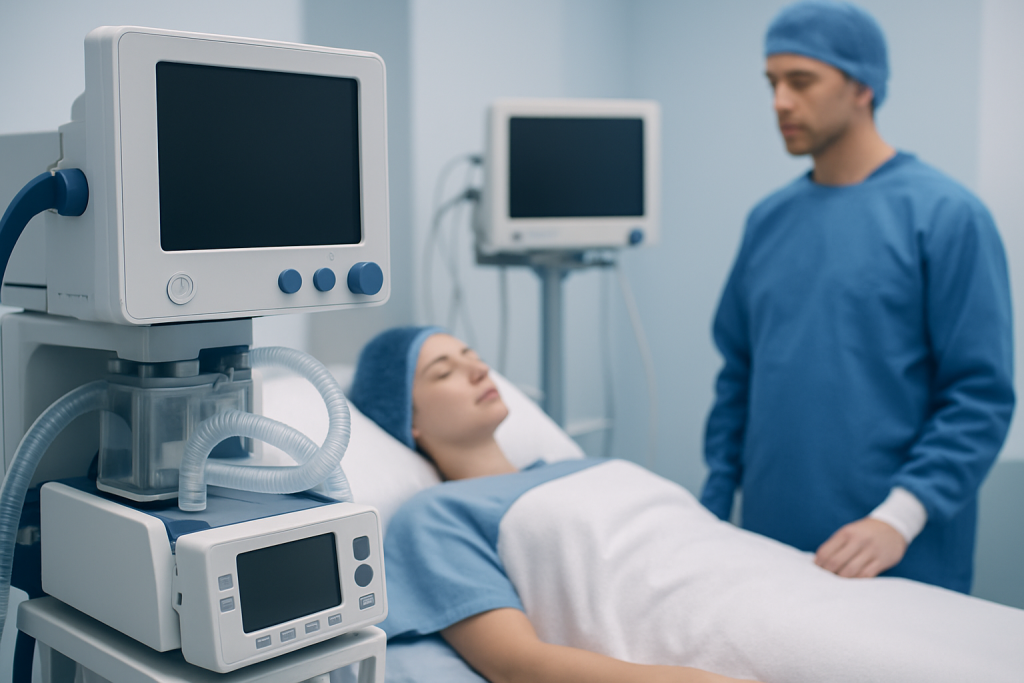
This general week-by-week guide can help you plan time away from work, social commitments and travel. It is not a replacement for your surgeon’s instructions: dressings, splint timing, exercise limits and clearance to fly vary between patients and procedures.
| Time after surgery | What you may notice | Practical focus |
|---|---|---|
| Days 1–3 | Stuffiness, pressure, drainage, swelling and bruising may be most noticeable. You may feel tired after anaesthesia. | Rest with your head elevated, use only approved medicines, and avoid bending, straining or nose blowing. |
| Days 4–7 | Bruising may begin to change colour and swelling remains visible. A splint or external support may still be in place. | Attend your scheduled review. Keep the nose dry and do not disturb tape, sutures or internal supports unless instructed. |
| Week 2 | Many people look and feel more comfortable in public, although swelling remains and the nose may feel stiff or numb. | Light routine activities may be possible if approved. Avoid glasses pressure and strenuous exercise unless cleared. |
| Weeks 3–6 | Much of the obvious bruising has usually resolved; swelling continues to fluctuate, often more in the morning. | Resume activity gradually according to your plan. Protect the nose from sun exposure and accidental contact. |
| Months 2–6 | The bridge often looks more defined, while the tip may still look fuller or feel firm, especially after an open approach. | Continue follow-up, take progress photos only if your team recommends them, and avoid judging the final result too soon. |
| Months 6–12+ | Subtle swelling and scar maturation continue. Thick skin, tip work, revision surgery or grafting can extend refinement. | Discuss any concerns at planned reviews rather than making assumptions from day-to-day changes. |
Open vs closed rhinoplasty recovery time should therefore be considered in two parts: functional recovery for everyday life and aesthetic settling of the nasal tissues. You may return to a normal-looking routine well before the final contour has emerged.
Is it better to have an open or closed rhinoplasty?

Neither approach is universally better. Open vs closed rhinoplasty which is better depends on what needs to be changed, how much precision is required, whether the operation is primary or revision surgery, your nasal structure, skin characteristics and the surgeon’s assessment and experience with each technique.
Open rhinoplasty may be selected when the surgeon needs broad exposure for detailed tip reshaping, structural grafting, significant asymmetry, complex functional work or revision planning. Closed rhinoplasty may be appropriate for selected cases in which changes can be safely achieved through internal incisions. Both can produce natural-looking open vs closed rhinoplasty results when the technique matches the individual surgical goal.
For an informed consultation, ask your surgeon why they recommend one approach for you, what changes are realistic, where scars or incisions will be, whether breathing function is being addressed, and what recovery differences they anticipate in your case. A trustworthy answer should be personalised rather than presenting one method as the right choice for everyone.
How do I know if I had open or closed rhinoplasty?
The most straightforward way to know is to check your operative notes, discharge paperwork or ask your surgeon. If you had an incision across the columella, often a short line that becomes less noticeable as it heals, you most likely had an open rhinoplasty. A closed rhinoplasty uses incisions inside the nostrils, so there is no intentional external columellar incision.
Do not rely only on swelling or how long recovery seems to be taking. A closed procedure can still involve extensive structural work and significant swelling, while an open procedure can heal smoothly with a subtle scar. In some cases, related procedures or skin incisions may also make the appearance of the nose harder to interpret without reviewing your records.
If you are returning home after treatment in Turkey, request a clear copy of your medical documents before departure. International patient teams, including those at Acibadem International, can help you understand the documents you receive and coordinate questions with your treating team; they should not replace direct medical advice from your surgeon.
What happens 20 years after rhinoplasty?
Twenty years after rhinoplasty, your nose will continue to age along with the rest of your face. Skin elasticity, cartilage support, gravity, sun exposure, weight changes, trauma and normal facial ageing can alter nasal appearance over time. A rhinoplasty result is intended to be long-lasting, but it cannot stop the natural ageing process or guarantee that the nose will look exactly the same decades later.
Some people remain satisfied long term without further treatment. Others may notice gradual changes in tip position, asymmetry, breathing, skin texture or the relationship between the nose and other facial features. These changes are not necessarily a sign that surgery has failed; they should be assessed by a qualified surgeon, particularly if nasal obstruction, repeated trauma or a new structural concern is involved.
Revision rhinoplasty is not routinely needed simply because time has passed. If you are considering any later procedure, seek a careful in-person assessment, provide your earlier operative records where possible, and allow time to discuss both appearance and nasal function.
What is the hardest plastic surgery to recover from?
There is no single procedure that is objectively the hardest plastic surgery to recover from. Recovery difficulty varies according to the extent of surgery, whether several procedures are combined, your health, pain management needs, mobility restrictions, emotional adjustment and the support available at home.
Operations involving larger areas of the body or several surgical sites may create more demanding mobility, wound-care and fatigue issues than rhinoplasty. However, rhinoplasty can feel emotionally challenging because facial swelling is highly visible and the final appearance develops slowly. It is reasonable to plan for patience, privacy and practical support during the early weeks.
Rather than ranking procedures, ask your surgeon what recovery will involve for your specific treatment: pain expectations, sleeping position, work absence, showering, exercise, follow-up, warning signs and when it is safe to travel. This creates a more useful plan than comparisons found in open vs closed rhinoplasty Reddit discussions or other social media threads.
Planning recovery and travel after rhinoplasty in Turkey
If you are travelling to Turkey for rhinoplasty, build flexibility into your itinerary. You will normally need time for early postoperative checks and splint or dressing management before your surgeon considers onward travel appropriate. Do not book a return flight based only on another patient’s timeline, and do not leave before you have received written aftercare and emergency contact details.
Choose accommodation that makes rest easy: reliable transport, elevator access if needed, a quiet room, drinking water, simple meals and the ability to keep your head elevated. Travel with your prescribed medications in their original packaging, avoid carrying heavy luggage, and ask your companion or hotel staff for help rather than straining during the first days.
At Acibadem International, international patient services can assist with practical coordination such as interpreters, appointment logistics and travel or accommodation guidance. Your surgical team remains the right source for personalised medical decisions, including when you may fly, exercise, wear glasses or resume work.
- Keep all postoperative appointments before departure.
- Save your clinic’s daytime and out-of-hours contact instructions.
- Arrange a local doctor or follow-up pathway at home if your team recommends it.
- Share your travel dates and destination with your surgeon before finalising plans.
Step by step
- Confirm your surgical approach and recovery plan. Before surgery, ask whether an open or closed approach is planned and why it suits your anatomy and goals. Ask what could change during surgery, how long you may have a splint or internal supports, and when you should expect your first review.
- Prepare a low-effort recovery space. Set up pillows to keep your head elevated, easy-to-eat foods, water, prescribed medicines and chargers within reach. Arrange help with luggage, shopping and tasks that require bending or lifting.
- Follow the first-week instructions exactly. Use medications, saline care, cold compresses and wound-care steps only as your surgeon directs. Do not remove dressings, pick at crusting, blow your nose or restart supplements and medicines without checking first.
- Protect your nose while swelling settles. Avoid contact sports, crowded situations where the nose could be bumped, and glasses pressure until you are cleared. Sun protection is important because healing skin and scars can be more sensitive to colour change.
- Plan your return to work realistically. Many patients can manage quiet, non-physical work after one to two weeks, but bruising, fatigue and congestion may still affect comfort. If your role is physical, public-facing or involves travel, discuss a longer buffer with your surgeon.
- Attend follow-up and monitor symptoms. Keep all planned appointments, including remote follow-up if you have returned home. Seek urgent advice for symptoms your team identifies as concerning, such as increasing rather than improving pain, fever, heavy bleeding, severe one-sided swelling or breathing difficulty.
- Give the result time. Take recovery one stage at a time and avoid evaluating small daily changes. The tip and fine contour commonly take much longer to settle than the early bridge swelling, particularly after open rhinoplasty or complex nasal work.
Your checklist
- Written postoperative instructions and emergency contact information
- Your surgeon’s approval for your planned return flight
- Prescribed medicines in original labelled packaging
- A copy of your operative summary and discharge documents
- Loose, front-opening clothing for the first days
- Extra pillows or a travel pillow for head elevation
- A companion or arranged assistance with luggage and transport
- Sun protection and any surgeon-approved nasal care supplies
- A plan for follow-up in Turkey and after you return home
Key takeaways
- Open and closed rhinoplasty have similar early recovery stages, but open surgery may involve longer-lasting tip swelling for some patients.
- The best approach is the one that safely fits your nasal anatomy, surgical goals and surgeon’s plan—not the approach with the shortest online recovery story.
- Most patients return to light daily routines within one to two weeks, while final contour refinement may take 12 months or longer.
- A columellar incision usually indicates open rhinoplasty; your operative record is the most reliable confirmation.
- International patients should allow time for postoperative checks in Turkey and obtain surgeon clearance before flying home.
Frequently asked questions
Does open rhinoplasty take longer to heal than closed rhinoplasty?
The early healing period is often similar, with swelling, congestion and activity restrictions in both approaches. Open rhinoplasty may produce more persistent tip swelling or stiffness for some patients because of the way the soft tissues are lifted. The extent of reshaping, grafts, revision surgery and your own healing response can have a greater effect than incision type alone.
When can I fly after rhinoplasty in Turkey?
Your surgeon should decide when you can fly based on your operation, early examination findings and any dressings or supports. International travel should be planned only after required follow-up is complete and you have clear instructions for managing symptoms away from the clinic. Tell your team about your destination and flight date well before surgery.
Will the scar from open rhinoplasty be visible?
Open rhinoplasty uses a small incision on the columella, which usually heals into a fine scar over time. Scar appearance varies with skin type, healing, sun exposure and the details of surgery. Follow your surgeon’s scar-care instructions and avoid starting any topical treatment unless it is approved for you.
Can I tell the final result after the splint comes off?
No. Removing the splint can be an encouraging milestone, but the nose is still swollen and may look uneven, lifted or wider than expected in the early period. The bridge often settles before the tip, and refinement can continue for many months. Discuss progress at follow-up rather than comparing your appearance with early online photographs.
Why does my nose look different on some days during recovery?
Swelling can fluctuate with sleep position, salt intake, activity, temperature, minor illness and the normal healing process. Small day-to-day differences are common, especially in the first weeks and months. If swelling becomes suddenly severe, increasingly painful, hot, red, or is accompanied by fever or heavy bleeding, contact your surgical team.
Are Reddit experiences useful for choosing open or closed rhinoplasty?
Open vs closed rhinoplasty Reddit discussions can help you understand that recovery experiences vary, but they cannot determine which technique is appropriate for you. Posts may omit medical details, use different definitions of recovery and reflect unusual outcomes more strongly than routine ones. Use them as questions to bring to a qualified consultation, not as a substitute for individual advice.
Add us as a Preferred Source to see more of our trusted health content across Google Search, AI Overviews and Discover.
More Patient Guides
Flying After Knee or Hip Replacement Surgery
Flying after knee or hip replacement surgery is usually delayed until your surgeon confirms you can travel safely; plan mobility, clot prevention…
8 min read
How to Sleep After a Hair Transplant: Positions and Timeline
How to sleep after a hair transplant: keep your head elevated, avoid graft pressure, and follow your surgeon’s timeline in Turkey or…
8 min read
Flying After Gallbladder Surgery: Timing and Precautions
Flying after gallbladder surgery is often possible after 1–2 weeks for keyhole surgery, with surgeon clearance; longer may be needed after open…
8 min read