Pink Eye Treatment Antibiotics: How It Works, Results and What to Expect

Antibiotic eye drops or ointment are used for suspected or confirmed bacterial conjunctivitis. Most infectious pink eye begins to improve within several days, although full recovery can take longer.
Key Takeaways
- Antibiotic eye drops or ointment are used for suspected or confirmed bacterial conjunctivitis.
- Most infectious pink eye begins to improve within several days, although full recovery can take longer.
- Viral pink eye usually improves with supportive care rather than antibiotics.
- Good hand hygiene, avoiding contact lens use, and not sharing towels can reduce transmission.
- Eye pain, light sensitivity, vision changes, severe swelling, or symptoms in a newborn require prompt medical assessment.
Pink eye treatment antibiotics can shorten symptoms and reduce spread when pink eye is caused by bacteria, usually as prescription eye drops or ointment. They are not helpful for viral or <a href="https://acibademinternational.com/diseases/allergic-conjunctivitis/”>allergic conjunctivitis, so an eye assessment may be needed to identify the most appropriate care.
Pink Eye Treatment Antibiotics: How They Work
Pink eye, medically called conjunctivitis, is inflammation of the thin membrane covering the white of the eye and lining the eyelids. Antibiotics are used when a clinician suspects bacterial conjunctivitis. They are commonly prescribed as eye drops or ointment and work by stopping bacteria from growing or by killing susceptible bacteria on the surface of the eye.
Not every case of pink eye needs antibiotics. Viral conjunctivitis is common and often occurs with cold-like symptoms; it does not respond to antibacterial medicines. Allergic conjunctivitis is linked to triggers such as pollen, dust or animal dander and is usually managed by avoiding triggers and using clinician-recommended allergy treatment. Identifying the likely cause helps avoid unnecessary medication while ensuring bacterial infection is treated appropriately.
A clinician may recommend an eye examination if symptoms, the eye examination findings, contact lens use, or a person’s medical history make the cause uncertain. Antibiotics should only be used as prescribed and should not be shared with another person or saved for a future eye problem.
Who May Benefit From Antibiotic Treatment?
Bacterial conjunctivitis may cause red eyes, eyelid swelling, a gritty sensation, and thick yellow, white, or green discharge that can make the eyelids stick together, particularly after sleep. One or both eyes may be affected. Symptoms alone cannot always establish the cause because viral and bacterial forms can overlap.
A doctor may be more likely to consider antibiotic treatment when discharge is clearly purulent, symptoms fit a bacterial pattern, or infection is persistent or severe. Babies, people with a weakened immune system, and people with certain eye conditions may need closer evaluation. Contact lens wearers should remove lenses immediately and seek clinical advice, because red eye in contact lens users can occasionally indicate a more serious corneal infection.
Testing is not routinely necessary for uncomplicated cases. However, an eye specialist may take a sample of discharge in severe, recurrent, treatment-resistant, or unusual cases. This can help identify the organism and guide treatment, especially when there is concern for a sexually transmitted infection or another less common cause.
What Happens During Pink Eye Antibiotic Treatment?

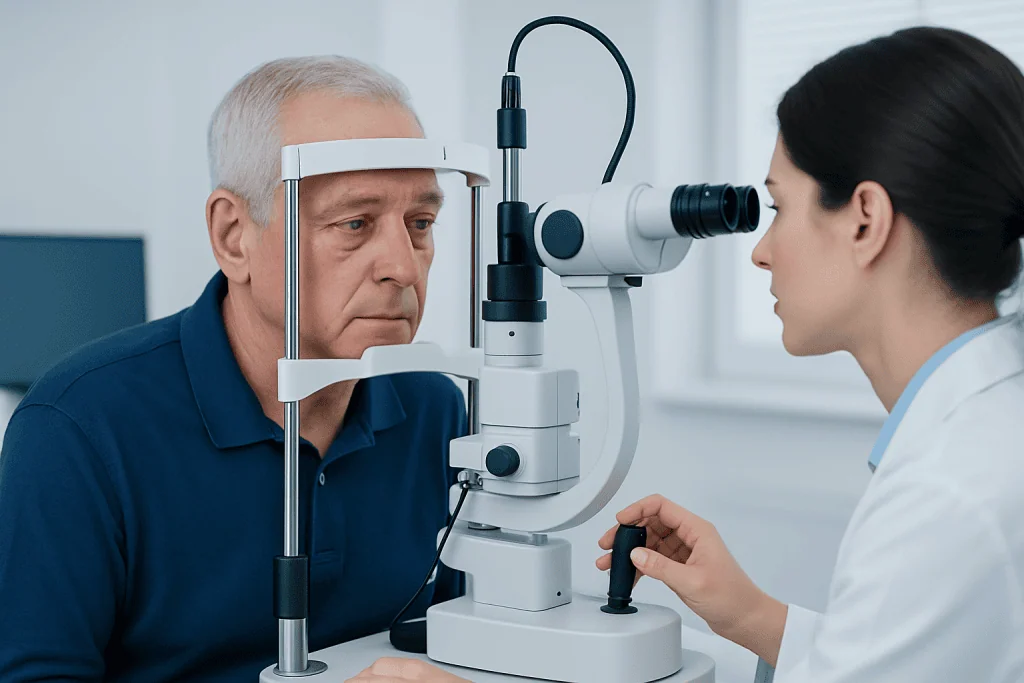
After taking a history and examining the eyes, a clinician will decide whether antibiotics are appropriate. They may check vision, assess the eyelids and conjunctiva, and look for warning signs involving the cornea, the clear front surface of the eye. If bacterial conjunctivitis is likely, the clinician may prescribe antibiotic drops or ointment for a defined course.
Before applying drops or ointment, hands should be washed thoroughly. The person should avoid touching the bottle tip to the eye, eyelashes, fingers, or any surface, as this can contaminate the medicine. For drops, gently pulling down the lower eyelid creates a small pocket where the drop can be placed. For ointment, a small ribbon is usually placed inside the lower eyelid as directed.
Temporary stinging, mild blurring after ointment, or a brief unusual taste can occur. Vision should be clear before driving or operating machinery. The full prescribed course should be followed unless the prescribing clinician advises otherwise, even when symptoms improve early. If symptoms worsen or do not begin to improve as expected, reassessment is important.
How long does it take for pink eye antibiotics to start working?
When the cause is bacterial and the prescribed antibiotic is appropriate, many people notice less discharge, redness, or eyelid sticking within 24 to 48 hours. Improvement can be gradual, and the eye may remain mildly red or irritated for several more days. Complete resolution often occurs within about one to two weeks, depending on the infection and the person’s overall health.
Antibiotics do not provide immediate relief and will not improve viral or allergic pink eye. Supportive measures, such as clean cool compresses, artificial tears recommended by a clinician, and gentle removal of crusting with clean water, may improve comfort while the eye heals.
If there is no improvement after a few days of correctly used treatment, or if new pain, worsening redness, sensitivity to light, or vision changes develop, the person should contact a clinician. The diagnosis may need to be reconsidered, or another eye condition may need treatment.
What are the worst days of pink eye?
The most uncomfortable period is often the first few days, when redness, tearing, discharge, irritation, and eyelid swelling are most noticeable. With bacterial conjunctivitis, morning crusting and discharge may be particularly troublesome before treatment begins. With viral conjunctivitis, symptoms may intensify for several days before gradually improving.
The course varies by cause. Allergic pink eye can fluctuate with exposure to allergens and often causes prominent itching. Viral pink eye may last one to two weeks and can sometimes take longer, while uncomplicated bacterial conjunctivitis often starts to settle after treatment or may improve on its own in mild cases.
Symptoms should not simply be endured if they are severe. Significant eye pain, reduced vision, marked light sensitivity, substantial eyelid swelling, or a feeling that something is stuck in the eye may suggest a condition other than uncomplicated conjunctivitis and needs prompt assessment.
What are the stages of pink eye?
Pink eye does not have formal stages in the way some chronic illnesses do, but it often follows a recognizable pattern. It may begin with mild redness, tearing, itching, or a gritty feeling. Over the next day or two, discharge, eyelid swelling, and more obvious redness can develop, depending on the cause.
During the active phase, bacterial conjunctivitis may produce thicker discharge, while viral conjunctivitis often causes watery tearing and may spread from one eye to the other. Allergic conjunctivitis commonly affects both eyes and is often associated with itching. Symptoms then gradually ease as the infection resolves or the allergen exposure is controlled.
For infectious forms, a person can spread infection while symptoms are active, especially when hands touch the eyes and then shared items or surfaces. Careful hygiene during the active period helps protect household members, classmates, and colleagues.
Do I need to wash my sheets if I have pink eye?
Yes. Washing pillowcases, sheets, face towels, washcloths, and other items that may have contacted the face or eye is a sensible hygiene measure when infectious pink eye is suspected. Laundering them with detergent and drying them thoroughly can reduce the chance of re-exposure or spreading infection to others.
People should avoid sharing towels, pillows, eye makeup, eye drops, contact lenses, or contact lens cases. Hands should be washed with soap and water frequently, especially after applying eye medication, cleaning discharge, touching the face, or using tissues. Used tissues should be discarded promptly.
Eye makeup used during an active infection should generally be discarded to reduce possible contamination. Contact lenses should not be worn until symptoms have completely resolved and a clinician confirms it is safe to restart. A fresh lens case and replacement lenses may be appropriate according to the advice of the eye-care professional.
Benefits, Risks and When to Seek Medical Care
For bacterial conjunctivitis, antibiotic treatment can reduce bacterial load, shorten the duration of symptoms for some people, and help limit transmission. However, antibiotics can cause local irritation, allergy, or blurred vision with ointment. Overuse may also contribute to antibiotic resistance, which is why treatment should be based on a clinician’s assessment rather than used automatically for every red eye.
Medical care should be sought promptly for eye pain, changes in vision, severe light sensitivity, severe headache with nausea, injury or chemical exposure, marked swelling around the eye, a white spot on the cornea, or symptoms in a newborn. Urgent assessment is also important for contact lens wearers with a red, painful eye and for anyone whose symptoms are worsening rather than improving.
For ongoing, recurrent, or uncertain symptoms, an ophthalmologist can assess for other causes of red eye and recommend appropriate care. Acibadem International’s multidisciplinary specialists and JCI-accredited hospitals provide eye assessment and treatment planning for international patients.
Frequently asked questions
Can pink eye go away without antibiotics?
Yes. Many mild cases of bacterial conjunctivitis improve without antibiotics, and viral conjunctivitis generally resolves with supportive care because antibiotics do not treat viruses. A clinician can help determine whether observation, symptom relief, or antibiotic treatment is most appropriate.
Can I use antibiotic eye drops for viral pink eye?
Antibiotic eye drops do not treat viral conjunctivitis. Using them unnecessarily may cause irritation or an allergic reaction and can contribute to antibiotic resistance. Supportive measures and clinical advice are usually the appropriate approach for viral pink eye.
When is pink eye no longer contagious?
Viral and bacterial pink eye can be contagious while symptoms such as redness, tearing, and discharge are present. The exact period varies by cause and treatment, so careful handwashing and avoiding shared personal items are important until symptoms have resolved. A clinician can give individual advice about returning to school or work.
Should I stay home from work or school with pink eye?
This depends on the cause, symptom severity, local policies, and the ability to maintain hygiene. People who cannot avoid close contact, who have substantial discharge, or who need frequent eye cleaning may be advised to stay home temporarily. A healthcare professional can advise based on the individual situation.
Can pink eye cause permanent vision loss?
Uncomplicated conjunctivitis usually does not cause permanent vision loss. However, pain, reduced vision, marked light sensitivity, or contact lens-related red eye can indicate corneal involvement or another serious eye condition. These symptoms require prompt evaluation.
Can I wear contact lenses while being treated for pink eye?
Contact lenses should not be worn during active pink eye unless an eye-care professional specifically advises otherwise. Lenses can worsen irritation and may increase the risk of a more serious infection. They should only be restarted after symptoms have resolved and the clinician says it is safe.
References
- American Academy of Ophthalmology
- Centers for Disease Control and Prevention
- National Eye Institute
- Mayo Clinic
This article is for general information only and is not a substitute for professional medical advice. Please consult a qualified doctor about your individual situation.
Explore treatments in Turkey — costs, top hospitals & a free quote
JCI-accredited · board-certified surgeons · reply within 24h
Add us as a Preferred Source to see more of our trusted health content across Google Search, AI Overviews and Discover.

More from the Health Library



Related Specialists

Assoc. Prof. Dr. Diğdem Özer
Gastroenterology
Prof. Dr. Hakan Ağır
Aesthetic Plastic & Reconstructive Surgery
Prof. Dr. Burak Tander
Pediatric Surgery
Prof. Dr. Elif Ilgaz Aydınlar
Neurology