Tils Cancer Therapy: How It Works, Results and What to Expect

TIL therapy uses immune cells that have already entered a person’s tumor and may recognize cancer cells. It is currently most established for advanced melanoma that has progressed after standard treatments.
Key Takeaways
- TIL therapy uses immune cells that have already entered a person’s tumor and may recognize cancer cells.
- It is currently most established for advanced melanoma that has progressed after standard treatments.
- Treatment includes tumor surgery, laboratory cell growth, chemotherapy preparation, cell infusion, and supportive immune-stimulating medicine.
- Side effects can be significant but are closely monitored in hospital, particularly during the chemotherapy and immune-stimulating phases.
- Response rates vary, and the decision to use TIL therapy depends on cancer type, prior treatment, overall health, and individual goals.
TILs cancer therapy, also called tumor-infiltrating lymphocyte therapy, is a personalized immunotherapy that collects immune cells from a tumor, grows them in a laboratory, and returns them to the body to help attack cancer. It is mainly used for selected people with advanced melanoma and is delivered in specialist cancer centers because treatment requires careful preparation and monitoring.
Overview: What Is TILs Cancer Therapy?
TILs cancer therapy is an individualized form of immunotherapy. TIL stands for tumor-infiltrating lymphocyte: a type of white blood cell that has moved into a tumor. These cells may be able to recognize cancer cells, but they are often too few or too suppressed within the tumor environment to control advanced cancer on their own.
During treatment, doctors remove a small piece of tumor tissue and isolate these immune cells in a specialized laboratory. The cells are expanded into a much larger number and infused back into the patient after preparative treatment. The aim is to give the immune system a stronger, more concentrated anti-cancer response.
TIL therapy is most established for unresectable or metastatic melanoma, particularly when melanoma has continued to grow after other systemic treatments. It is not suitable for every cancer or every person. A multidisciplinary oncology team reviews the diagnosis, previous treatments, organ function, symptoms, and practical ability to complete a demanding treatment course.
How Does TIL Therapy Work?
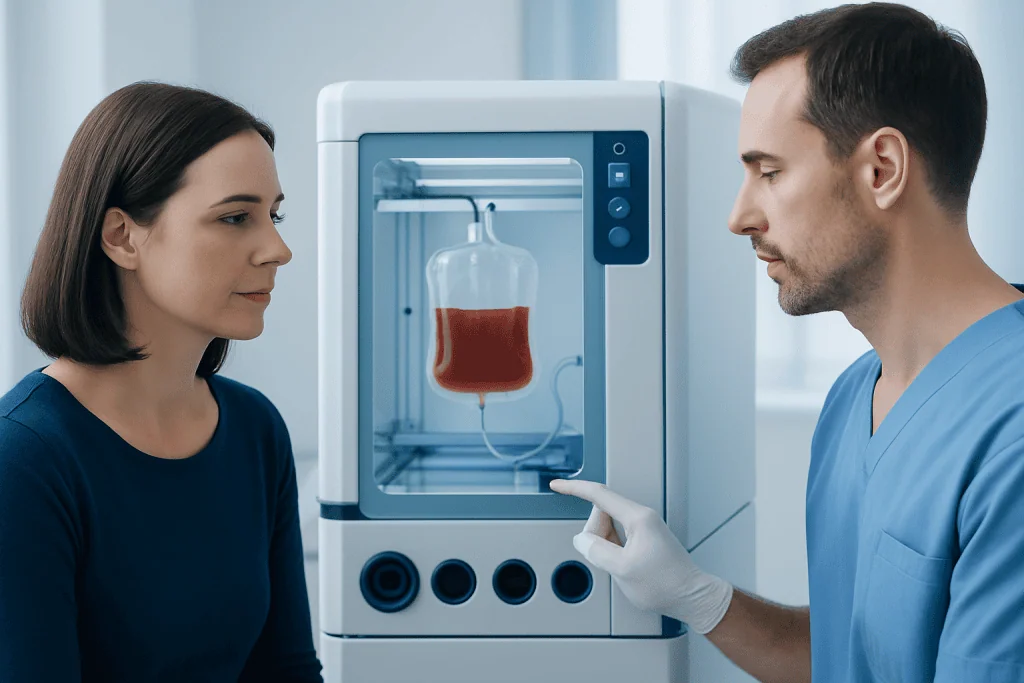
Tumors can contain lymphocytes that have identified features of cancer cells. In TIL therapy, surgeons first remove a tumor sample that is large enough to yield viable immune cells. Laboratory specialists separate and multiply the lymphocytes over several weeks, selecting cells that can be grown for treatment.
Before the expanded cells are returned, the patient receives lymphodepleting chemotherapy. This temporarily lowers some existing immune cells and can make space for the infused TILs to expand and function. The prepared TIL product is then given through a vein, similar to other intravenous treatments.
After infusion, patients commonly receive high-dose interleukin-2, an immune-signaling protein that supports T-cell activity. This portion of treatment requires close inpatient monitoring because interleukin-2 can cause substantial temporary effects on blood pressure, fluid balance, kidney function, breathing, and other body systems.
TIL therapy differs from treatments that target a single cancer mutation or checkpoint pathway. It provides a large population of the patient’s own tumor-associated immune cells, which may recognize more than one cancer target. However, cancer cells can still resist immune attack, and not everyone responds.
Who May Be a Candidate for TIL Therapy?

Eligibility depends on the cancer type and the treatment setting. In current practice, TIL therapy is primarily considered for adults with advanced melanoma that cannot be fully removed with surgery or has spread to distant areas, usually after treatment with immunotherapy and, where appropriate, targeted therapy has not controlled the disease.
A person generally needs a tumor that can be safely sampled or removed for cell production. They also need adequate heart, lung, kidney, liver, and bone marrow function to tolerate chemotherapy, hospitalization, interleukin-2, and the recovery period. Performance status, active infections, autoimmune conditions, and certain medicines may affect suitability.
Before recommending therapy, the oncology team may order blood tests, heart and lung assessment, imaging studies, and review of pathology. For melanoma care, this evaluation may be coordinated alongside information about melanoma stage, molecular test results, and previous immunotherapy or targeted treatment.
Being eligible does not mean that treatment is the right choice for every individual. Discussions should include possible benefits, the likelihood of hospital admission and side effects, other available treatments or clinical trials, and the person’s priorities for quality of life and care.
TIL Therapy Step by Step: What to Expect
The process begins with a consultation and testing period. If the team confirms that TIL therapy is appropriate, a surgeon removes an accessible tumor lesion. The operation may range from a relatively minor procedure to a more involved surgery, depending on where the tumor is located and how much tissue is needed.
The tissue is sent to a specialized laboratory, where the tumor-infiltrating lymphocytes are grown and prepared. This manufacturing phase commonly takes several weeks. During that time, the cancer team monitors the disease and may discuss whether any interim treatment or symptom support is needed.
Once the cell product is ready, the patient is admitted to hospital for lymphodepleting chemotherapy. The TILs are then infused through an intravenous line. High-dose interleukin-2 is usually administered afterward under intensive clinical observation, with blood tests and monitoring for changes in circulation, oxygen levels, fluid balance, kidney function, and blood counts.
The total treatment pathway includes planning, surgery, cell manufacture, inpatient therapy, and follow-up. Specialist centers offering TIL therapy coordinate medical oncology, surgical oncology, pathology, cellular therapy laboratory services, critical care support, nursing, pharmacy, rehabilitation, and symptom management.
Recovery Timeline, Benefits and Risks
Recovery differs from person to person. The most intensive period is usually the hospital admission, when chemotherapy, cell infusion, and interleukin-2 are delivered. Blood counts may remain low for a period after chemotherapy, increasing susceptibility to infection, anemia-related fatigue, and bleeding. The care team checks recovery closely and may provide transfusions, antibiotics, fluids, or other supportive treatment when needed.
Fatigue, reduced appetite, nausea, diarrhea, mouth soreness, fever, chills, swelling, low blood pressure, and temporary changes in kidney or liver tests can occur. Interleukin-2 may cause capillary leak, in which fluid shifts from blood vessels into tissues. This is one reason treatment is given in experienced inpatient settings with rapid access to appropriate support.
The potential benefit is a durable cancer response for some people, including some whose melanoma did not respond adequately to previous therapies. A response can mean tumors shrink or disappear on imaging, but it cannot be promised. Some cancers remain stable, and others continue to progress despite treatment.
After discharge, follow-up appointments include physical examinations, blood tests, and imaging scans. Patients should follow their team’s guidance about infection prevention, activity, nutrition, medications, and when to contact the hospital. Recovery of energy and blood counts may take weeks or longer.
How Long Does It Take for TIL Therapy to Start Working?
TIL therapy does not produce an immediate visible result. The tumor collection and laboratory manufacturing stage often take several weeks before the cells can be infused. After treatment, doctors usually need time to assess whether tumors are shrinking, stable, or growing.
Imaging is commonly performed within the first few months after infusion and then repeated according to the oncology plan. Some immune-related cancer responses can continue to evolve over time, so one scan may not tell the full story. Symptoms, physical findings, laboratory results, and imaging are considered together.
If symptoms worsen while waiting for cell manufacturing or after treatment, patients should inform their cancer team promptly. The team can assess whether this represents cancer progression, a treatment effect, infection, or another problem requiring support.
Is TIL Therapy Worth It?
Whether TIL therapy is worth considering is an individual decision rather than a universal answer. For an eligible person with advanced melanoma that has progressed after standard treatments, it may offer a further treatment option with the possibility of meaningful and sometimes lasting tumor control.
At the same time, it requires surgery, a lengthy preparation period, hospitalization, intensive supportive care, and a willingness to accept potentially serious short-term side effects. The expected benefit may be different depending on disease burden, previous treatments, general health, and how quickly the cancer is progressing.
A balanced discussion with a medical oncologist should compare TIL therapy with other systemic treatments, immunotherapy, targeted therapies when relevant, clinical trials, symptom-focused care, or combinations and sequences of these approaches. The best decision should reflect medical suitability as well as the person’s treatment goals and support needs.
What Is the Success Rate of TIL Therapy for Treating Melanoma?
There is no single success rate that applies to all patients. In clinical studies of advanced melanoma previously treated with standard therapies, TIL therapy has produced tumor responses in a meaningful proportion of participants, and some responses have been durable. However, response rates vary across studies because patient characteristics, previous treatments, cell-production methods, and response definitions differ.
Doctors generally describe results using objective response rate, which includes complete responses and partial responses seen on imaging. A complete response means no detectable cancer on the assessment used, while a partial response means measurable tumor shrinkage. Neither outcome can be predicted with certainty for an individual patient.
Questions about expected outcomes are best addressed using the person’s specific cancer stage, sites of spread, pace of disease, test results, prior treatments, and overall fitness. The treating team can explain the evidence relevant to the exact TIL product and treatment pathway being considered.
How Is TIL Therapy Different From Chemotherapy?
TIL therapy and chemotherapy have different main purposes. TIL therapy is a cell-based immunotherapy: it uses expanded immune cells obtained from the patient’s tumor to identify and attack cancer. Chemotherapy uses medicines that damage or disrupt rapidly dividing cells, including cancer cells but also some healthy cells such as those in the bone marrow, digestive tract, and hair follicles.
In a TIL treatment plan, chemotherapy is often used before the TIL infusion as lymphodepleting chemotherapy. Its role is to reduce certain immune cells temporarily and help create conditions in which the infused TILs can work. This preparative chemotherapy is therefore part of the process, but it is not the same as using chemotherapy alone as the main anti-cancer treatment.
Both approaches can cause side effects and require monitoring. The treatment team explains the expected benefits and risks of each component, as well as how TIL therapy may fit with other treatments such as surgery, radiation therapy, targeted medicines, or checkpoint inhibitor therapy.
When to Seek Medical Care
Anyone receiving TIL therapy should contact their cancer team urgently for fever, chills, new shortness of breath, chest pain, fainting, confusion, severe weakness, uncontrolled vomiting or diarrhea, unusual bleeding, markedly reduced urination, or a rapidly worsening symptom. These concerns may be related to infection, low blood counts, fluid shifts, treatment effects, or cancer complications and should not be managed alone.
People with melanoma or another cancer who are considering TIL therapy should seek evaluation from an oncology team experienced in cellular immunotherapies. A second opinion can be helpful when treatment options are complex or when a person wishes to understand the full range of choices.
Acibadem International’s multidisciplinary specialists and JCI-accredited hospitals evaluate and treat cancer for international patients, including coordinated assessment of advanced treatment options where appropriate.
Frequently asked questions
What does TIL stand for in cancer treatment?
TIL stands for tumor-infiltrating lymphocyte. These are immune cells, especially T cells, that have entered a tumor and may recognize cancer cells. TIL therapy grows large numbers of these cells in a laboratory before infusing them back into the patient.
Is TIL therapy only used for melanoma?
TIL therapy is currently most established for advanced melanoma in selected treatment settings. Researchers are also studying TIL approaches for other solid tumors, but availability, evidence, and eligibility vary by cancer type and country. An oncologist can explain whether it is relevant to a particular diagnosis.
How long is the hospital stay for TIL therapy?
Hospital stay varies by treatment protocol, individual health, and recovery from chemotherapy and interleukin-2. It commonly includes admission for preparative chemotherapy, cell infusion, and close monitoring afterward. The cancer team can provide a more individualized estimate after assessment.
Can TIL therapy cure metastatic melanoma?
TIL therapy can lead to deep and durable responses in some people with metastatic melanoma, including occasional complete responses. However, it cannot be described as a guaranteed cure because many patients do not respond or may later have disease progression. Ongoing follow-up is necessary even after a strong response.
Why is chemotherapy given before TIL therapy?
Chemotherapy before TIL infusion is called lymphodepleting chemotherapy. It temporarily reduces some existing immune cells and may help the infused tumor-infiltrating lymphocytes expand and function. This chemotherapy phase can lower blood counts and requires careful monitoring.
What happens if TIL therapy does not work?
If scans or symptoms show that cancer is progressing, the oncology team reviews the next appropriate options. These may include another systemic treatment, a clinical trial, radiation therapy, surgery in selected situations, or supportive and symptom-focused care. The plan is individualized according to the cancer and the person’s health and preferences.
References
- National Cancer Institute
- U.S. Food and Drug Administration
- American Cancer Society
- European Society for Medical Oncology
- National Comprehensive Cancer Network
This article is for general information only and is not a substitute for professional medical advice. Please consult a qualified doctor about your individual situation.
Oncology care in Turkey — second opinion and treatment plan
JCI-accredited · board-certified surgeons · reply within 24h
Add us as a Preferred Source to see more of our trusted health content across Google Search, AI Overviews and Discover.
Check your numbers in seconds
BMI, calories, due date, blood pressure and 30+ more clinical calculators — free, instant, doctor-reviewed ranges.