What Is the Treatment for Invasive Ductal Carcinoma Grade 2: How It Works, Results and What to Expect
Grade 2 describes moderately differentiated cancer cells; it is not the same as cancer stage. Surgery is usually a central part of treatment for non-metastatic invasive ductal carcinoma.
Key Takeaways
- Grade 2 describes moderately differentiated cancer cells; it is not the same as cancer stage.
- Surgery is usually a central part of treatment for non-metastatic invasive ductal carcinoma.
- Radiation, hormone therapy, chemotherapy, HER2-targeted medicines and immunotherapy may be recommended based on tumor biology and stage.
- Many grade 2 IDC cases are treated with curative intent when they are localized or regional.
- Recovery and follow-up needs vary according to the treatments received and individual health factors.
Treatment for grade 2 invasive ductal carcinoma (IDC) is individualized and commonly includes surgery to remove the cancer, followed by radiation therapy and systemic treatment when needed. The best plan depends more on the cancer stage, hormone receptor and HER2 status, lymph nodes, genomic test results and a person’s overall health than on grade alone.
Overview: What Is the Treatment for Invasive Ductal Carcinoma Grade 2?
What is the treatment for invasive ductal carcinoma grade 2? For most people with non-metastatic grade 2 invasive ductal carcinoma, treatment includes surgery to remove the cancer, often followed by radiation therapy and one or more whole-body treatments such as hormone therapy, chemotherapy or HER2-targeted therapy. The specific combination is based on the cancer’s stage and biology, rather than grade 2 alone.
Invasive ductal carcinoma, or IDC, begins in the milk ducts and has grown into surrounding breast tissue. Grade 2 means the cells look and behave moderately differently from normal breast cells under a microscope. It is an intermediate grade, between grade 1 and grade 3, but it does not state how large the cancer is or whether it has reached lymph nodes or other organs.
Breast cancer treatment is planned by a multidisciplinary team that may include breast surgeons, medical oncologists, radiation oncologists, radiologists, pathologists, genetic counselors and specialist nurses. Their aim is to remove or control the known cancer, reduce the chance of recurrence and support quality of life throughout care.
How treatment decisions are made
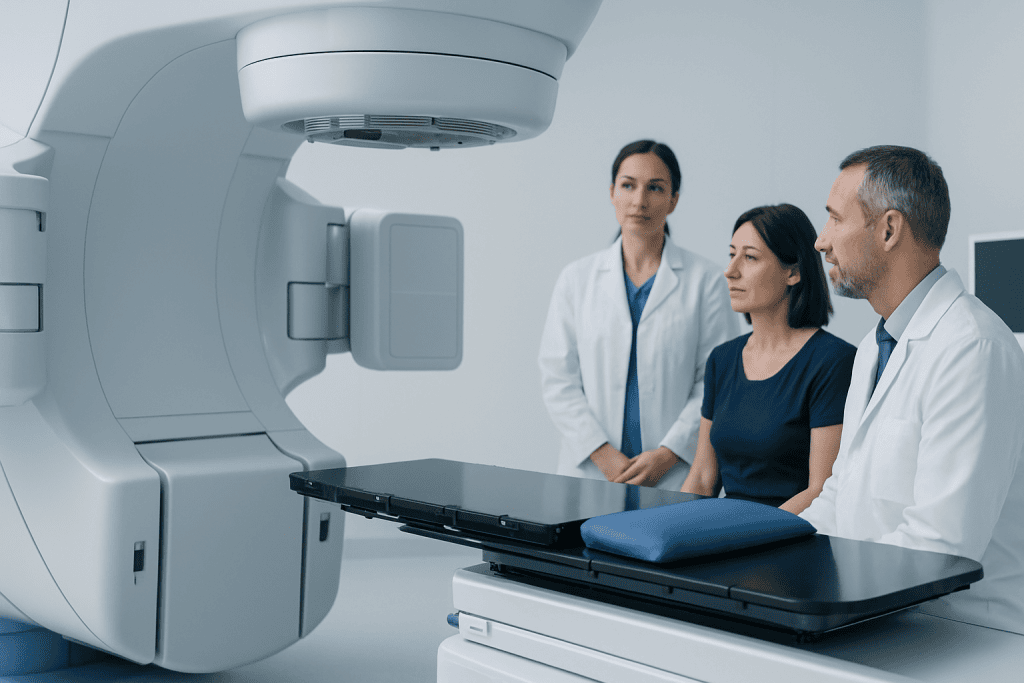
Before recommending treatment, the care team confirms the diagnosis with a biopsy and evaluates several features of the tumor. These usually include tumor size, lymph node involvement, estrogen receptor (ER) and progesterone receptor (PR) status, HER2 status, grade, and whether cancer is present elsewhere in the body. Imaging may include mammography, breast ultrasound, breast MRI, and selected staging scans when clinically appropriate.
Hormone receptor-positive cancers use estrogen and/or progesterone signals to grow and may respond well to endocrine therapy. HER2-positive cancers have excess HER2 protein or gene activity and may benefit from HER2-targeted drugs. Triple-negative breast cancer lacks ER, PR and HER2 and is managed using a different systemic-treatment approach.
For certain early-stage, hormone receptor-positive and HER2-negative cancers, a genomic assay on the tumor may help estimate whether chemotherapy is likely to add benefit after surgery. Genetic testing may also be discussed when there is a young age at diagnosis, a strong family history, certain tumor characteristics or a known inherited cancer risk in the family.
- Grade describes how abnormal the cancer cells look.
- Stage describes the extent of cancer in the body.
- Biomarkers help predict which treatments are most likely to work.
How surgery, radiation and medicines work
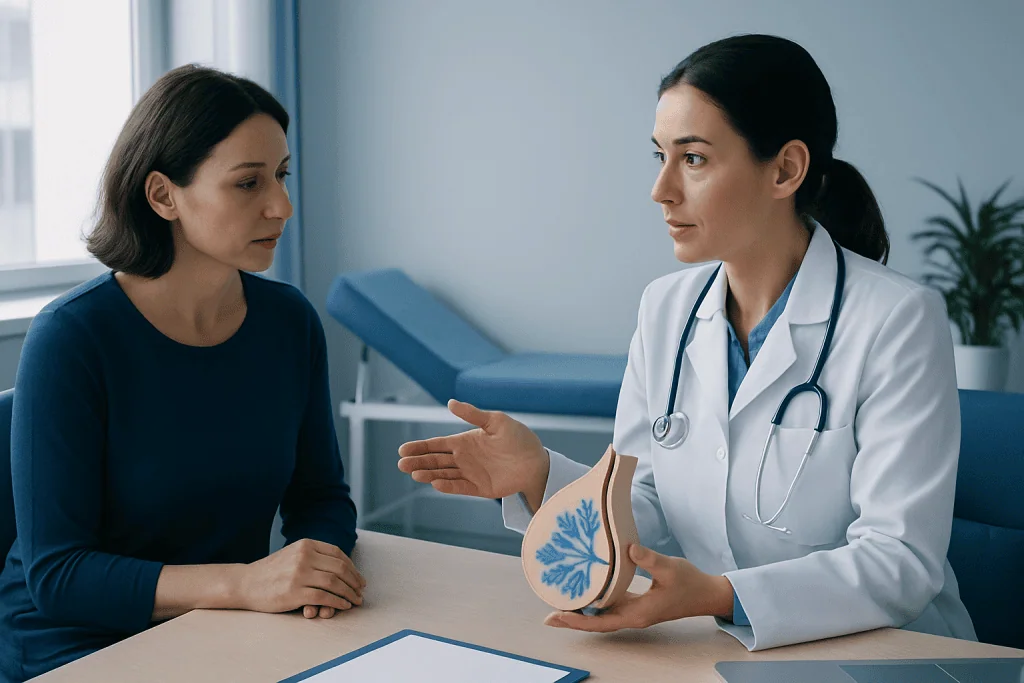
Surgery is commonly the first treatment when the tumor can be removed safely and is not expected to benefit from treatment before surgery. Options include breast-conserving surgery (lumpectomy), which removes the tumor and a margin of normal tissue, or mastectomy, which removes most or all breast tissue. The choice depends on tumor size and location, breast size, more than one cancer area, prior radiation, genetic risk and personal preferences.
Sentinel lymph node biopsy is often performed at the time of breast surgery to check the first lymph nodes likely to receive cancer cells. If nodes contain cancer, further surgery, radiation and/or systemic treatment may be considered depending on the amount of disease and the overall treatment plan. Reconstruction may be immediate or delayed for those having mastectomy.
Radiation therapy uses carefully planned high-energy radiation to lower the risk of cancer returning in the breast, chest wall or nearby lymph nodes. It is usually recommended after breast-conserving surgery and may be advised after mastectomy when tumor or lymph-node features indicate a higher local recurrence risk. Breast cancer treatment may combine these local treatments with medicines that travel through the bloodstream.
Systemic therapy may be given after surgery (adjuvant treatment) or before surgery (neoadjuvant treatment). Endocrine therapy can reduce recurrence risk in hormone receptor-positive cancer. Chemotherapy may be recommended for higher-risk disease or particular tumor subtypes. HER2-targeted therapy is used for HER2-positive disease, and immunotherapy may be part of treatment for selected triple-negative cancers.
Who may receive treatment before surgery and what happens step by step?
Some people are advised to have systemic therapy before surgery. This is more common for larger tumors, cancers involving lymph nodes, HER2-positive cancers and triple-negative cancers. Preoperative treatment can shrink a tumor, sometimes making breast-conserving surgery possible, and it also shows how the cancer responds to treatment.
A typical care pathway begins with biopsy results and imaging, followed by a discussion of treatment goals and options. When surgery comes first, the surgical specimen and lymph node findings provide final pathology information. The team then recommends radiation and any needed postoperative systemic treatment. When systemic therapy comes first, imaging and clinical examinations monitor response before surgery, followed by treatment tailored to the surgical pathology results.
Not every person needs every treatment. For example, some small, node-negative, hormone receptor-positive cancers may be managed with surgery, radiation where appropriate and endocrine therapy without chemotherapy. Conversely, a cancer with involved lymph nodes or aggressive biological features may need several treatment types. Decisions should be made through shared discussion, including potential benefits, side effects and practical needs.
Benefits, possible risks and recovery timeline
The main potential benefit of combined treatment is improved local control and a lower risk of recurrence elsewhere in the body. Surgery removes visible cancer, radiation treats microscopic cells that may remain in the treated area, and systemic therapies address cancer cells that may have traveled beyond the breast but cannot be seen on scans.
Recovery after lumpectomy is often measured in days to a few weeks, although comfort and arm movement can take longer to fully return. Recovery after mastectomy is usually longer, especially if reconstruction is performed. Drains may be used temporarily. The surgical team provides individualized advice on wound care, pain control, activity, driving, return to work and exercises for shoulder mobility.
Possible effects of surgery include pain, swelling, bleeding, infection, scarring, altered breast sensation and limited shoulder movement. Lymph node procedures can cause arm swelling called lymphedema, although the risk is generally lower after sentinel node biopsy than after more extensive node surgery. Radiation can cause temporary skin changes and fatigue; long-term effects are less common but should be discussed.
Systemic therapies have different side-effect profiles. Chemotherapy can cause fatigue, nausea, infection risk, hair loss and nerve symptoms; endocrine therapy can cause menopausal symptoms, joint aches or bone effects; and HER2-targeted medicines require heart-function monitoring in some cases. The oncology team can help prevent, monitor and manage side effects promptly.
Can invasive ductal carcinoma grade 2 be cured?
Many cases of grade 2 invasive ductal carcinoma can be treated with curative intent, particularly when the cancer is confined to the breast or nearby lymph nodes. Whether cure is possible depends primarily on stage, tumor biology, response to treatment and whether the cancer has spread to distant organs.
Clinicians may use terms such as no evidence of disease after treatment rather than promise a cure, because breast cancer can occasionally recur years later. Completing recommended treatment, attending follow-up appointments and reporting new or persistent symptoms help support long-term care.
When breast cancer has spread to distant organs, it is generally considered metastatic. Treatment can often control metastatic disease for meaningful periods and relieve symptoms, but it is usually managed as a long-term condition rather than with curative intent.
How far does grade 2 breast cancer typically spread?
Grade 2 does not predict a specific distance of spread. A grade 2 tumor may be small and confined to the breast, may involve nearby lymph nodes, or less commonly may already have spread farther. Staging tests and lymph node assessment—not grade alone—determine how far the cancer has spread.
Breast cancer commonly spreads first to nearby lymph nodes, such as those under the arm. If it spreads to distant sites, the bones, liver, lungs and brain are among the organs that may be affected. However, most people diagnosed with breast cancer do not have distant spread at diagnosis, and scans are chosen according to symptoms, stage and clinical findings.
Pathology reports also describe other factors that help estimate risk, including tumor size, lymphovascular invasion, margins and biomarker status. Breast cancer care is therefore individualized after all of these results are reviewed together.
What is the survival rate for invasive ductal carcinoma grade 2 and stage 2?
A single survival rate cannot accurately describe every person with grade 2, stage 2 IDC. Grade 2 and stage 2 are different measures, and outcomes vary with age, general health, lymph node status, hormone receptor and HER2 status, genomic findings, treatments received and length of follow-up.
Stage 2 breast cancer is generally considered regional or early breast cancer and is commonly treated with curative intent. Population survival figures can be useful for understanding broad trends, but they are based on groups of people diagnosed and treated over different years. They cannot predict an individual outcome or fully reflect newer therapies.
An oncologist can place prognosis in context using the complete pathology report and clinical stage. It can be helpful to ask which features of the tumor influence recurrence risk, what treatment is intended to reduce that risk, and what follow-up plan is appropriate.
How quickly does invasive ductal cancer spread?
Invasive ductal carcinoma does not grow or spread at one predictable speed. Some cancers grow slowly over years, while others grow more quickly. Grade 2 suggests intermediate cell differentiation, but it cannot provide a reliable timetable for growth or spread in an individual person.
Growth rate is influenced by tumor biology, including hormone receptor status, HER2 status, grade and genetic features within the cancer cells. This is why timely assessment after an abnormal imaging result, breast lump or biopsy diagnosis is important. It also explains why doctors may recommend treatment before surgery for certain tumor types.
Once a diagnosis has been made, the treatment team usually organizes staging and planning without unnecessary delay. Asking questions, seeking a second opinion if desired and arranging practical support can all be part of moving forward while maintaining informed choices.
When to seek medical care and ongoing support
A person should arrange medical assessment promptly for a new breast lump, persistent thickening, changes in breast size or shape, skin dimpling, nipple inversion that is new, bloody nipple discharge, unexplained swelling near the collarbone or underarm, or persistent breast pain in one specific area. These changes often have noncancerous causes, but they should not be self-diagnosed.
People already receiving treatment should contact their clinical team for fever, signs of infection, sudden swelling, severe or worsening pain, shortness of breath, chest pain, uncontrolled vomiting, or treatment side effects that are difficult to manage. Urgent symptoms should be assessed through local emergency services.
After treatment, follow-up typically includes clinical examinations, recommended breast imaging and attention to emotional wellbeing, bone health, physical activity and treatment-related symptoms. Acibadem International’s multidisciplinary specialists and JCI-accredited hospitals provide diagnosis and treatment planning for international patients with breast cancer.
Frequently asked questions
Is grade 2 invasive ductal carcinoma considered aggressive?
Grade 2 IDC is considered intermediate grade, meaning the cancer cells have moderately abnormal features under the microscope. Grade contributes to risk assessment, but hormone receptors, HER2 status, stage, lymph node status and genomic findings are also important when determining how a cancer may behave and which treatment is appropriate.
Does everyone with grade 2 IDC need chemotherapy?
No. Chemotherapy is not necessary for every grade 2 IDC. It is considered alongside tumor size, lymph node involvement, hormone receptor and HER2 status, menopausal status and, in some cases, genomic test results that estimate likely chemotherapy benefit.
Can a person have lumpectomy instead of mastectomy for grade 2 IDC?
Many people with grade 2 IDC are candidates for breast-conserving surgery, also called lumpectomy, followed by radiation therapy. Mastectomy may be recommended or chosen for medical or personal reasons, such as a large tumor relative to breast size, multiple cancer areas, certain genetic risks or previous chest radiation.
What does stage 2 breast cancer mean?
Stage 2 breast cancer generally means the tumor is larger than in stage 1 and/or cancer is present in a limited number of nearby lymph nodes, without distant spread. The exact stage is determined using tumor size, lymph node findings and metastasis assessment, together with current staging criteria.
How long does treatment for grade 2 invasive ductal carcinoma take?
The active treatment period varies widely. Surgery and its early recovery may take weeks, radiation is usually delivered over a planned course of weeks, and chemotherapy or targeted therapy may continue for months. Endocrine therapy for hormone receptor-positive breast cancer is often taken for several years.
What follow-up is needed after treatment?
Follow-up commonly includes regular appointments with the oncology or breast-care team, mammography of remaining breast tissue as recommended, and review of ongoing treatment effects. New symptoms should be discussed with a clinician rather than waiting for the next scheduled visit.
References
- National Cancer Institute
- American Cancer Society
- National Comprehensive Cancer Network
- World Health Organization
- European Society for Medical Oncology
This article is for general information only and is not a substitute for professional medical advice. Please consult a qualified doctor about your individual situation.
Oncology care in Turkey — second opinion and treatment plan
JCI-accredited · board-certified surgeons · reply within 24h
Add us as a Preferred Source to see more of our trusted health content across Google Search, AI Overviews and Discover.