Brachial Plexus Operation: Procedure, Recovery and Results

Brachial plexus surgery may include nerve repair, nerve grafting, nerve transfer, or muscle and tendon reconstruction. Earlier specialist assessment is important because nerves regenerate slowly and some repairs are most effective within a limited time after injury.
Key Takeaways
- Brachial plexus surgery may include nerve repair, nerve grafting, nerve transfer, or muscle and tendon reconstruction.
- Earlier specialist assessment is important because nerves regenerate slowly and some repairs are most effective within a limited time after injury.
- Recovery commonly requires months of rehabilitation, while nerve healing and functional gains may continue for one to two years or longer.
- Surgery aims to restore useful movement, improve sensation where possible, reduce pain, and protect joint function; full recovery is not always possible.
- Rehabilitation, splinting, pain management, and regular follow-up are essential parts of treatment.
A brachial plexus operation is a specialized procedure that repairs, reconnects, or reroutes nerves controlling the shoulder, arm, and hand after injury. The approach, expected recovery, and results depend on which nerves are affected, how severe the injury is, and how soon treatment begins.
Overview: What Is a Brachial Plexus Operation?
A brachial plexus operation is surgery on the network of nerves that travels from the neck through the shoulder and into the arm and hand. These nerves control many movements of the shoulder, elbow, wrist, and fingers, and they carry sensations such as touch, temperature, and pain. Surgery may be considered when a nerve injury is severe, does not show expected recovery, or has left important arm function impaired.
The procedure is not one single operation. Depending on the injury, a surgeon may directly repair a torn nerve, remove scar tissue around it, bridge a gap with a nerve graft, or transfer a working donor nerve to restore a priority movement. In some longstanding injuries, reconstruction of muscles, tendons, or joints may be considered instead of, or alongside, nerve reconstruction.
Brachial plexus injuries can occur after high-energy trauma, shoulder dislocation, penetrating injury, birth-related injury, tumors, inflammation, or previous surgery. A detailed assessment helps distinguish an injury that may recover naturally from one that may benefit from timely reconstruction.
Who May Be a Candidate for Surgery?
Candidacy for a brachial plexus operation depends on the location and severity of nerve damage, the time since injury, the person’s general health, and the movement goals that matter most in daily life. Surgery is often considered for nerves that have been cut, severely stretched, scarred, or pulled away from the spinal cord. A surgeon may also recommend it when serial examinations and nerve tests show little evidence of meaningful recovery.
Not every brachial plexus injury requires an operation. Some stretch injuries, often called neurapraxia, can improve with observation, pain management, and rehabilitation. In contrast, nerve rupture or avulsion generally cannot be expected to heal normally without reconstructive planning. A person may be monitored over several weeks or months when the injury pattern makes spontaneous recovery possible.
When surgery is being planned, the team prioritizes functions in a practical order. Restoring stable shoulder movement and the ability to bend the elbow are often early goals because they can substantially improve independence. Recovery of hand and finger movement is more complex and may be less predictable, particularly after extensive injuries.
- Recent injury with suspected nerve rupture or avulsion
- Persistent weakness, paralysis, or loss of sensation without expected improvement
- Severe neuropathic pain associated with nerve injury
- Functional limitations affecting work, self-care, mobility, or safety
How a Brachial Plexus Operation Works Step by Step
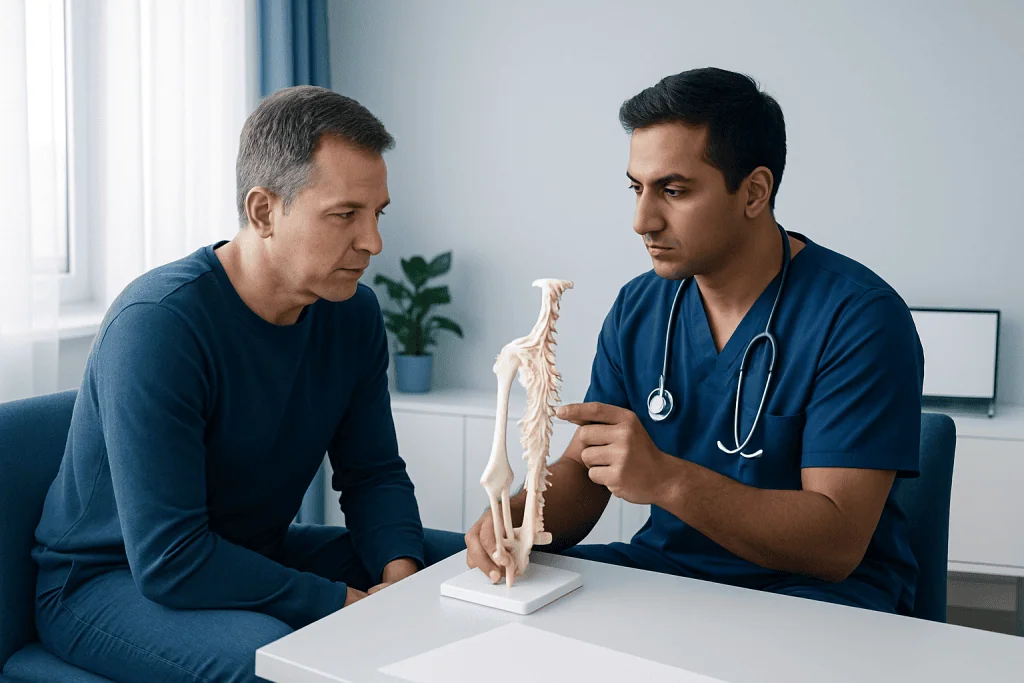
Before surgery, the care team reviews the injury mechanism, physical examination findings, and imaging. MRI, ultrasound, CT myelography in selected cases, and electromyography with nerve conduction studies may help identify which nerves are injured and whether signals are reaching muscles. These tests are interpreted together; no single test determines the treatment plan on its own.
The operation is performed under general anesthesia. The surgeon makes an incision near the neck, collarbone, shoulder, upper arm, or another area required to reach the affected nerves. Using magnification and microsurgical instruments, the surgical team identifies healthy nerve tissue and evaluates whether the nerve is compressed, scarred, stretched, torn, or detached.
If the nerve ends can be joined without tension, a direct repair may be possible. If there is a gap, the surgeon may use a nerve graft, commonly obtained from a less critical sensory nerve elsewhere in the body. In a nerve transfer, a nearby functioning nerve branch is connected to a damaged nerve branch to reinnervate an important muscle more quickly. In selected cases, later tendon or muscle transfer procedures can improve function after nerve recovery has reached its limit.
After reconstruction, the arm is protected with a dressing, sling, brace, or splint. The operation may take several hours, especially when multiple nerve roots or branches require reconstruction. The exact approach and expected hospital stay vary according to the complexity of the injury and the procedures performed.
Recovery Timeline After Brachial Plexus Surgery
Recovery begins immediately with wound care, pain control, and protection of the reconstructed nerves. The person may need a sling or splint for a period determined by the surgeon. Early follow-up checks the incision, monitors swelling and discomfort, and confirms that the shoulder, elbow, wrist, and hand are positioned safely.
Rehabilitation is usually introduced in stages. A physiotherapist or occupational therapist may guide gentle passive range-of-motion exercises to help prevent stiffness while protecting the repair. As healing progresses, the program can include posture work, strengthening of unaffected muscles, sensory re-education, functional practice, splinting, and strategies for everyday activities.
Nerves regenerate slowly. New nerve fibers need time to grow from the repair site toward the target muscles, so visible muscle activity may not appear for several months. Functional recovery often continues over 12 to 24 months, and sometimes longer. Progress is assessed through repeated clinical examinations and, when appropriate, electrodiagnostic testing.
Recovery can be emotionally demanding, particularly when the arm has major weakness or pain. Clear goals, regular therapy, practical adaptations at home and work, and support for mental wellbeing can help a person remain engaged throughout the rehabilitation process.
Benefits, Limitations, and Possible Risks
The possible benefits of a brachial plexus operation include improved shoulder stability, return of elbow bending, better ability to position the hand, partial recovery of sensation, and reduced impact of nerve-related pain for some people. The aim is usually to regain useful function rather than to promise a complete return to pre-injury strength or feeling.
Results vary because brachial plexus injuries differ widely. Important influences include the number of nerves injured, whether roots were avulsed from the spinal cord, the distance nerves must regrow to reach muscles, the time between injury and reconstruction, age, associated bone or vascular injuries, and consistent participation in rehabilitation.
As with other major operations, risks can include bleeding, infection, wound healing problems, anesthesia-related complications, scarring, persistent weakness, stiffness, and ongoing numbness or pain. Nerve graft or nerve transfer procedures can also cause numbness or weakness at the donor site, although surgeons select donor nerves to minimize important loss of function.
A specialist team discusses the likely goals, alternatives, uncertainties, and possible need for further procedures before treatment. For complex injuries, planning may involve peripheral nerve surgeons, orthopedic surgeons, neurosurgeons, rehabilitation specialists, pain specialists, radiologists, and therapists.
How Long Does It Take to Recover From Brachial Plexus Nerve Surgery?
Initial surgical healing usually takes several weeks, but recovery of nerve function is much slower. Because regenerating nerves grow gradually, early signs of muscle reactivation may take months to appear. Many people need structured rehabilitation for at least several months, and improvement may continue for one to two years or longer.
The timeline differs between individuals and procedures. A nerve repair closer to the target muscle may show changes sooner than a reconstruction involving a long graft distance. Recovery can also be affected by the severity of the original injury, whether several nerve roots were involved, and how well joints and muscles are maintained during rehabilitation.
Follow-up appointments are important even when progress feels slow. The team can assess changes in strength, sensation, pain, and joint movement, adjust therapy, and discuss whether additional reconstructive options may be appropriate.
How Successful Is Brachial Plexus Surgery?
Brachial plexus surgery can restore meaningful movement in selected people, but success is measured by functional goals rather than by one universal result. For example, regaining elbow flexion, improving shoulder control, reducing a disabling contracture, or making it easier to use the hand as a supporting limb may represent an important outcome.
Outcomes are generally more favorable when reconstruction is performed before prolonged denervation causes irreversible muscle changes, when the injury is limited rather than extensive, and when suitable donor nerves are available. Severe injuries involving multiple roots or avulsion from the spinal cord are more difficult to reconstruct and may have more limited recovery.
Surgeons use the examination, imaging, nerve tests, and the timing of injury to explain what is realistically achievable. Rehabilitation remains central to success because recovering muscles must be retrained for purposeful movement and protected from stiffness.
Is a Brachial Plexus Injury a Permanent Disability?
A brachial plexus injury is not always permanent. Mild stretch injuries may recover fully or substantially over time, while more severe injuries can leave lasting weakness, altered sensation, pain, or reduced use of the arm. The long-term effect depends on the type of nerve damage and whether the nerve can reconnect with the muscles it controls.
Some people regain enough function to return to many daily activities, work tasks, sports, or driving adaptations. Others may require ongoing therapy, assistive devices, workplace modifications, or further reconstructive procedures. Disability assessments, where needed, are individualized and should be based on current function rather than the diagnosis alone.
Early evaluation by an experienced nerve injury team can clarify the prognosis and identify treatment opportunities. Even when full nerve recovery is unlikely, rehabilitation and reconstructive care may improve comfort, independence, and joint protection.
What Are the Long-Term Effects of a Brachial Plexus Injury?
Long-term effects may include persistent weakness or paralysis in parts of the arm, reduced grip or hand coordination, numbness, tingling, burning pain, shoulder instability, and limited range of motion. Muscles that do not receive adequate nerve signals can weaken and shrink over time, while joints may become stiff if movement is limited.
Changes in sensation can increase the risk of unnoticed cuts, burns, and pressure injuries. People with reduced arm control may also place extra strain on the neck, back, or unaffected arm. Protective strategies include skin checks, safe positioning, avoiding extreme temperatures on numb areas, and learning adapted ways to perform daily activities.
Chronic nerve pain and visible changes in arm function can affect sleep, mood, confidence, and participation in work or social life. Pain medicine, rehabilitation, psychological support, and peer support can all be useful components of long-term care. A care plan should address the person’s physical goals as well as quality of life.
When to Seek Medical Care
Prompt medical assessment is important after a serious shoulder, neck, chest, or arm injury, especially if there is immediate weakness, inability to lift the arm, loss of feeling, severe burning pain, or a visibly deformed shoulder. Emergency assessment is needed if arm symptoms occur with breathing difficulty, severe bleeding, a cold or pale hand, chest trauma, or signs of spinal injury.
A person should also arrange specialist review if weakness, numbness, pain, or reduced arm function does not improve as expected after an injury. New or worsening symptoms following previous surgery should be discussed with the surgical team. Avoid forceful stretching, heavy lifting, or unapproved exercises while an acute nerve injury is being assessed.
At Acibadem International, multidisciplinary specialists in JCI-accredited hospitals assess and treat complex brachial plexus injuries for international patients, with treatment planning that can include surgery, rehabilitation, and pain care.
Frequently asked questions
What is the purpose of a brachial plexus operation?
The purpose is to restore as much useful nerve function as possible after serious injury to the nerve network supplying the arm. Depending on the injury, surgery may improve shoulder or elbow movement, help hand positioning, support sensation recovery, or reduce the impact of pain. The goal is individualized and complete recovery cannot always be expected.
When is brachial plexus surgery usually performed?
Timing depends on the type of injury and evidence of natural recovery. Injuries involving nerve rupture or avulsion may require early specialist planning, while some stretch injuries are monitored first. A peripheral nerve specialist uses examination findings, imaging, and nerve tests to recommend the appropriate timing.
Is brachial plexus surgery painful?
Pain is expected after a major operation, but it is managed with an individualized plan during hospital care and recovery. Some people also have nerve-related pain from the original injury, which may require additional treatment. Persistent or worsening pain should be reported to the care team.
Can nerves grow back after brachial plexus surgery?
Nerve fibers can regrow after repair, grafting, or transfer, but they do so slowly. The regenerating nerve must reach the relevant muscle or sensory area before function can improve. The extent of recovery depends on the severity and location of the injury as well as the time since injury.
Will rehabilitation be needed after surgery?
Yes. Rehabilitation is a major part of treatment and helps protect joints, prevent stiffness, maintain range of motion, and retrain muscles as nerve signals return. The exact program is adapted over time by rehabilitation professionals and the surgical team.
Can brachial plexus surgery be done years after an injury?
It may still be possible to improve function years after an injury, but the options can differ from early nerve reconstruction. When muscles have been without nerve input for a long time, tendon transfers, muscle transfers, joint procedures, or rehabilitation-focused approaches may be considered. A specialist assessment is needed to determine which options remain suitable.
References
- American Academy of Orthopaedic Surgeons
- American Society for Surgery of the Hand
- National Institute of Neurological Disorders and Stroke
- Mayo Clinic
- MedlinePlus
This article is for general information only and is not a substitute for professional medical advice. Please consult a qualified doctor about your individual situation.
Joint and spine care in Turkey — expert assessment & treatment
JCI-accredited · board-certified surgeons · reply within 24h
Add us as a Preferred Source to see more of our trusted health content across Google Search, AI Overviews and Discover.