

Treatment for Metastatic Lung Cancer: How It Works, Results and What to Expect

Metastatic lung cancer has spread beyond the lung, but treatment can still slow growth, relieve symptoms and prolong life. Tumor testing for gene changes and immune markers helps guide treatment choices, especially in non-small cell lung cancer.
Key Takeaways
- Metastatic lung cancer has spread beyond the lung, but treatment can still slow growth, relieve symptoms and prolong life.
- Tumor testing for gene changes and immune markers helps guide treatment choices, especially in non-small cell lung cancer.
- Treatment is commonly systemic, meaning medicines travel through the bloodstream to reach cancer in different parts of the body.
- Scans, symptoms, physical examinations and blood tests are used together to assess whether treatment is helping.
- Palliative care can begin alongside cancer treatment and focuses on comfort, symptom relief and personal goals.
Treatment for metastatic lung cancer is individualized and may include targeted therapy, immunotherapy, chemotherapy, radiation therapy, surgery in selected situations and symptom-focused care. Although stage 4 lung cancer is usually not considered curable, modern treatments can often control cancer for meaningful periods and help people maintain quality of life.
Overview: How Treatment for Metastatic Lung Cancer Works
Treatment for metastatic lung cancer works by controlling cancer cells throughout the body, reducing cancer-related symptoms and helping a person live as well as possible for as long as possible. The treatment plan depends on the type of lung cancer, where it has spread, the tumor’s molecular features, a person’s overall health and their goals for care.
Metastatic lung cancer, also called stage 4 lung cancer, means the cancer has spread from the lung to distant organs or tissues, such as the other lung, brain, bones, liver or adrenal glands. It may be non-small cell lung cancer (NSCLC), the more common category, or small cell lung cancer (SCLC), which often grows and spreads more quickly.
Because metastatic disease may be present in several areas, medication-based treatments are often central to care. These systemic treatments circulate in the bloodstream and can reach cancer cells in more than one location. Local treatments, including radiation therapy and occasionally surgery, may also be used to treat a troublesome tumor or a limited number of metastatic sites.
Choosing a Personalized Treatment Plan
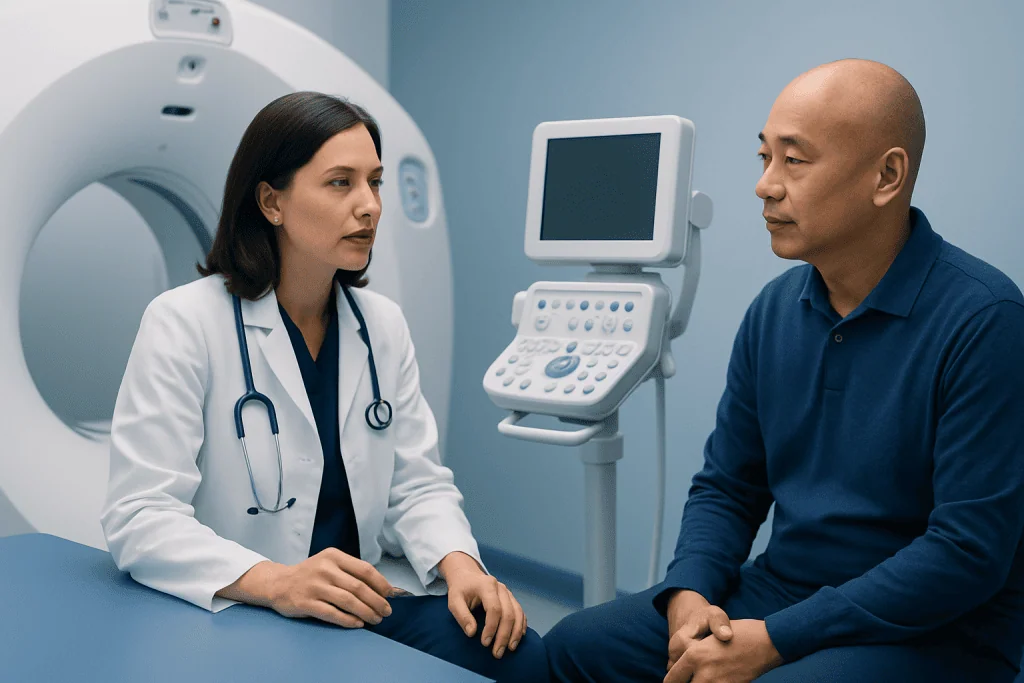
Before treatment begins, the oncology team confirms the cancer type and stage and reviews imaging studies, biopsy results and a person’s medical history. A biopsy sample is usually tested for biomarkers that can influence treatment. In advanced NSCLC, this may include testing for changes in genes such as EGFR, ALK, ROS1, BRAF, MET, RET, KRAS and NTRK, as well as the PD-L1 protein level.
These results matter because some cancers have a targetable change that can be treated with a specific oral medicine. If no suitable target is found, immunotherapy, chemotherapy or a combination of these approaches may be recommended. Small cell lung cancer is generally treated differently, often with chemotherapy plus immunotherapy when appropriate.
Candidacy for a particular treatment also considers lung function, heart and kidney health, other medical conditions, current medicines, previous cancer treatment and day-to-day functioning. A multidisciplinary team may include medical oncologists, radiation oncologists, thoracic surgeons, pathologists, radiologists, pulmonologists, palliative-care clinicians, specialist nurses and rehabilitation professionals.
It can be useful to ask whether additional pathology review, biomarker testing or a clinical trial may be appropriate. A treatment plan should be reviewed regularly, since cancer behavior, scan findings, side effects and personal priorities can change over time.
Treatment Types and the Step-by-Step Care Process
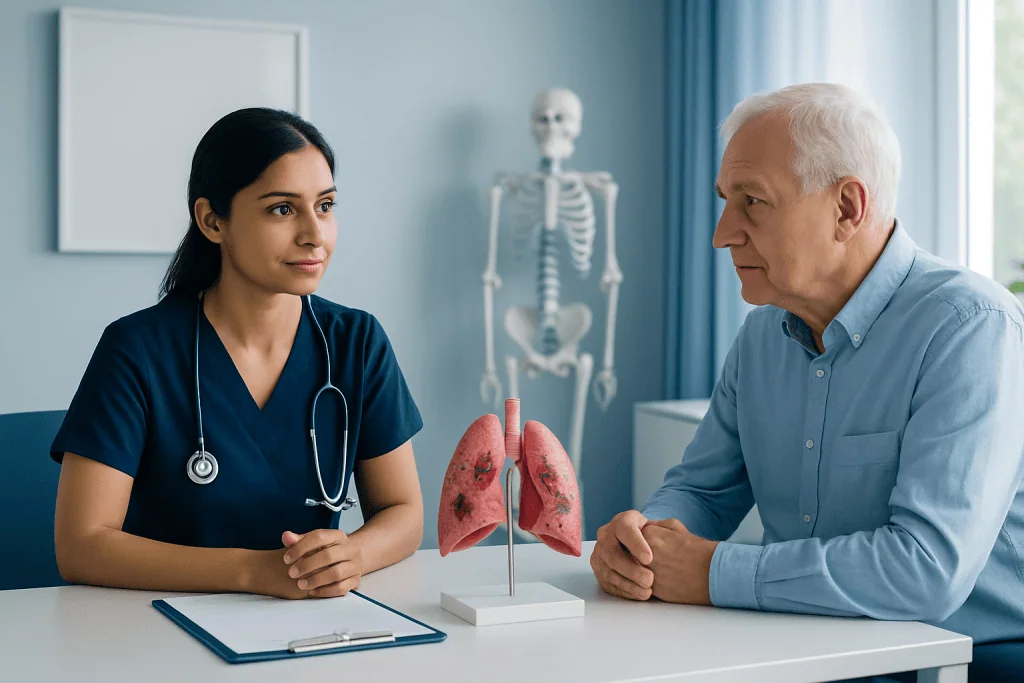
The process commonly begins with staging scans, tissue diagnosis and biomarker testing. While final test results are being obtained, the team may manage urgent symptoms such as breathlessness, pain, coughing or fluid around the lung. Once results are ready, the team discusses the likely benefits, possible side effects and practical schedule of each option.
Targeted therapy is used when a tumor has a molecular change that is known to respond to a particular medicine. Many targeted medicines are tablets taken at home, although monitoring visits and regular blood tests remain important. They can be highly effective for the right tumor type, but resistance can develop over time, so repeat testing may sometimes be considered if cancer progresses.
Immunotherapy helps the immune system recognize and attack cancer cells. It may be given alone or with chemotherapy, typically through an intravenous infusion at planned intervals. It can produce long-lasting responses in some people, but it can also cause inflammation in healthy organs, which requires prompt evaluation.
Chemotherapy uses medicines that interfere with cancer-cell growth. It may be given by infusion, sometimes in combination with immunotherapy, and treatment is usually organized in cycles with recovery periods between them. Radiation therapy may be used to reduce pain from bone metastases, treat brain metastases, control bleeding or relieve airway blockage. Surgery or image-guided procedures are occasionally considered for selected people with a small number of metastatic sites or for symptom control.
Supportive treatment is part of active cancer care, not an alternative to it. It may include medicines for pain, nausea or breathlessness; treatment for bone-strengthening; nutritional support; pulmonary rehabilitation; counseling; and help with sleep, fatigue and emotional wellbeing.
Benefits, Risks and Recovery Timeline
The potential benefits of treatment include shrinking or stabilizing tumors, delaying progression, relieving symptoms and extending survival. The likely benefit varies widely between individuals. It depends on cancer type, biomarkers, disease burden, response to treatment and a person’s overall health, so the oncology team is best placed to discuss what is realistic in an individual situation.
There is no single recovery timeline because metastatic lung cancer treatment is often ongoing. After an infusion, some people feel well enough to continue many usual activities, while others need several days to recover from fatigue, nausea or low energy. Oral targeted treatments can fit more easily into daily life for some people, but they may still cause side effects requiring dose changes or temporary pauses.
Common chemotherapy-related effects can include fatigue, nausea, appetite changes, lowered blood counts, infection risk, hair loss and numbness or tingling in the hands and feet. Targeted therapy can cause effects such as rash, diarrhea, fatigue, liver-test changes or lung inflammation, depending on the medicine. Immunotherapy can cause fatigue, skin reactions, bowel inflammation, thyroid changes, liver inflammation or inflammation of the lungs and other organs.
Patients should report new or worsening symptoms promptly rather than waiting for the next appointment. Early management can reduce discomfort and may prevent complications. The care team may adjust the dose, prescribe supportive medicines, change treatment timing or recommend a different option if side effects become difficult to manage.
How Long Can You Live With Metastatic Lung Cancer?
Life expectancy with metastatic lung cancer varies greatly, and no statistic can accurately predict how long one individual will live. Outcomes are influenced by the cancer subtype, biomarker results, sites of spread, response to treatment, overall health, smoking status, other medical conditions and access to supportive care.
Some people have cancer that responds for a relatively short time, while others live for years with ongoing treatment, especially when there is a targetable gene change or a durable response to immunotherapy. New treatments and better use of biomarker testing continue to improve options for many patients.
Doctors may discuss prognosis using broad ranges rather than a fixed timeline. It is reasonable for patients and families to ask what the treatment is intended to achieve, what changes might be expected over time and how to plan for both practical and personal needs.
How to Tell If Lung Cancer Treatment Is Working
Treatment response is assessed using several sources of information. The oncology team usually schedules imaging tests, such as CT scans and sometimes MRI or PET imaging, after a planned number of treatment cycles or at other appropriate intervals. The scans can show whether tumors have shrunk, remained stable or grown.
Symptoms are also important. Less coughing, pain, breathlessness, fatigue or unintended weight loss may suggest that treatment is helping, but symptoms alone cannot confirm a response. Some treatment side effects can resemble cancer symptoms, so changes should be discussed with the care team.
Blood tests may monitor blood counts, organ function and treatment safety. In some circumstances, tumor markers or circulating tumor DNA tests may provide additional information, but they do not replace imaging and clinical review. A temporary increase in tumor size can occasionally occur with immunotherapy because immune cells are entering the tumor, which is one reason scan results should be interpreted by experienced clinicians.
How Curable Is Metastatic Lung Cancer?
Metastatic lung cancer is generally not considered curable because cancer cells have spread to distant parts of the body. However, it is often treatable. The goals may include controlling disease for as long as possible, relieving symptoms, preventing complications and preserving independence and quality of life.
Rarely, people with a very limited number of metastases may be treated with an intensive combination of systemic therapy and local treatment, such as surgery or radiation, directed at all known disease sites. This approach is not suitable for everyone and should be assessed by a multidisciplinary team.
Even when cure is unlikely, treatment decisions remain meaningful. A person may choose active anticancer therapy, symptom-directed treatment, participation in a clinical trial or a combination of these approaches. Advance care planning can also help ensure that treatment remains aligned with personal values and priorities.
When to Seek Medical Care and Planning for Advanced Illness
Anyone receiving treatment for metastatic lung cancer should contact their cancer team urgently for sudden or worsening shortness of breath, chest pain, coughing up a significant amount of blood, fever or chills, new confusion, severe headache, weakness on one side of the body, seizures, severe diarrhea, persistent vomiting or uncontrolled pain. These symptoms may need urgent assessment, particularly during chemotherapy or immunotherapy.
It is also important to seek medical advice for new rash, jaundice, severe fatigue, reduced urine output, worsening swelling, persistent fever or any symptom that feels unusual or concerning. The oncology team can advise whether a same-day assessment, emergency care or a treatment adjustment is needed.
What are the common symptoms of dying in someone with stage 4 lung cancer? In the final days or weeks of life, some people become increasingly tired, sleep more, eat and drink less, spend less time communicating and become less interested in their surroundings. Breathing may change, with periods of faster or slower breathing, and people may experience confusion, restlessness, pain or breathlessness. Not everyone has the same symptoms or follows the same timeline.
Palliative and hospice care teams can provide comfort-focused support for symptoms, emotional concerns and family needs. Starting palliative care early can be helpful at any stage of advanced cancer and does not mean that cancer-directed treatment must stop. Acibadem International’s multidisciplinary specialists and JCI-accredited hospitals can assess and treat metastatic lung cancer for international patients, with care plans tailored to clinical findings and individual goals.
Frequently asked questions
What is usually the first treatment for metastatic lung cancer?
The first treatment depends on the lung cancer subtype and the results of biomarker testing. Targeted therapy may be preferred when a treatable gene change is present, while immunotherapy, chemotherapy or a combination may be used in other situations. The oncology team also considers symptoms, overall health and how quickly treatment is needed.
Can stage 4 lung cancer go into remission?
Some people have a partial or complete response, meaning scans show that tumors have shrunk greatly or are no longer visible. This may be described as remission, but microscopic cancer cells can remain and the cancer can return. Ongoing follow-up is important even after a strong response.
How often are scans done during metastatic lung cancer treatment?
Scan schedules vary according to the treatment, cancer type and symptoms. Imaging is often performed after several treatment cycles or every few months to assess response. Doctors may arrange earlier scans if symptoms suggest that the cancer or treatment effects are changing.
Can metastatic lung cancer treatment be paused?
A treatment may be paused because of side effects, infection, planned procedures or personal circumstances. Whether a pause is safe depends on the cancer’s behavior, the treatment type and the reason for stopping. Patients should not stop prescribed cancer medicines without speaking to their oncology team.
Is palliative care only for the end of life?
No. Palliative care can be introduced soon after a diagnosis of metastatic cancer and can be provided alongside anticancer treatment. It focuses on symptom relief, emotional support, communication about goals and practical support for patients and families.
What can family members do to support someone with stage 4 lung cancer?
Family members can help by attending appointments if the patient wishes, keeping track of symptoms and medicines, supporting nutrition and rest, and asking the care team about available services. They should also seek support for themselves, as caregiving can be emotionally and physically demanding.
References
- National Cancer Institute
- American Cancer Society
- National Comprehensive Cancer Network
- European Society for Medical Oncology
- World Health Organization
This article is for general information only and is not a substitute for professional medical advice. Please consult a qualified doctor about your individual situation.
Lung Cancer in Turkey — costs, top hospitals & a free quote
JCI-accredited · board-certified surgeons · reply within 24h
Add us as a Preferred Source to see more of our trusted health content across Google Search, AI Overviews and Discover.
Check your numbers in seconds
BMI, calories, due date, blood pressure and 30+ more clinical calculators — free, instant, doctor-reviewed ranges.

Medical Oncology Department
Medical treatment of cancer with chemotherapy, immunotherapy and targeted therapies under a multidisciplinary tumor board.
60 specialists in this unitMore from the Health Library



Related Specialists

Assoc. Prof. Dr. Enver Mahir Gülcan
Pediatric Gastroenterology
Dr. Abdullah Etöz
Aesthetic Plastic & Reconstructive Surgery
Dr. İlayda Uysal
Dermatology
Dr. Elif Avşaroğlu
Gynecology & Obstetrics